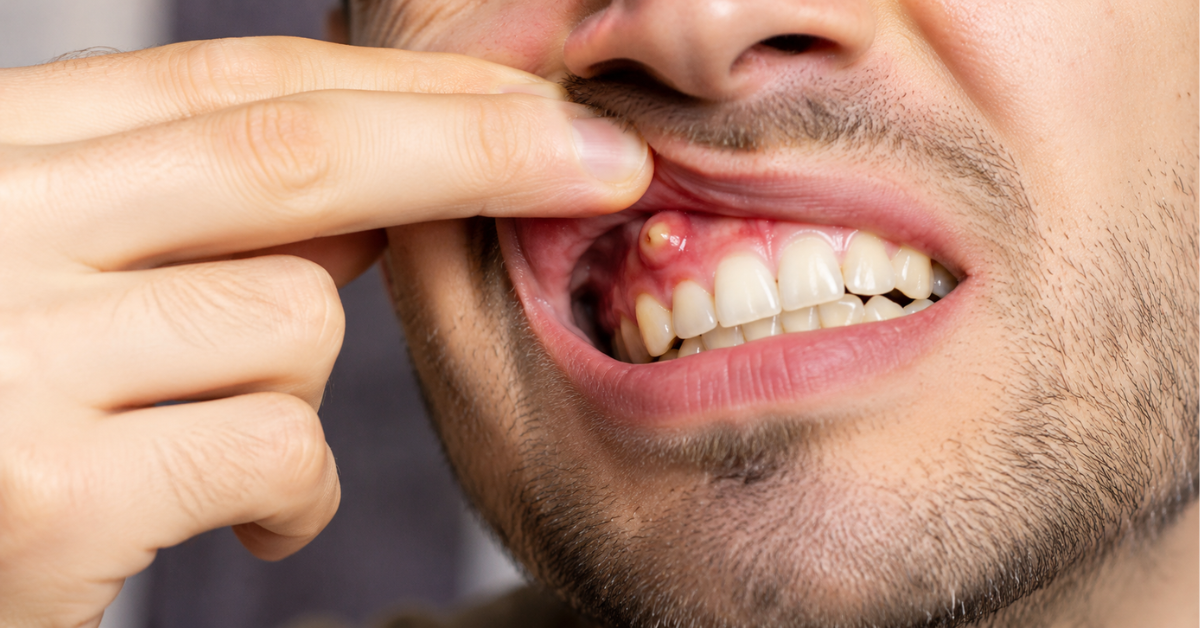
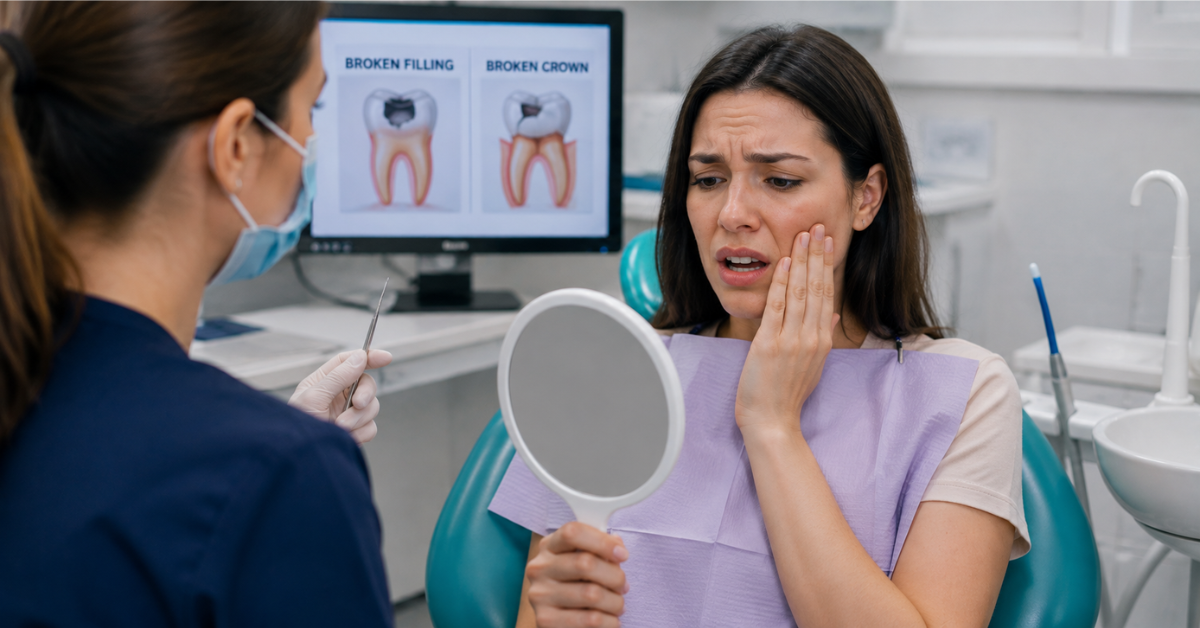
Your diet plays an important role in maintaining and improving your oral health . The foods you eat, and how frequently you eat them, can either prevent cavities or cause them. Bacteria in the mouth convert sugars and carbohydrates from the foods you eat into acids, and it is the acids that attack the enamel on teeth, initiating the decay process. The more frequently you eat and snack, the more frequently you expose your teeth to this process. Too many sugary or starchy foods can cause tooth decay. Frequent snacking, without immediately brushing afterward, gives bacteria energy, whereas intervals without eating between meals allow saliva in the mouth to wash away food particles that decay-causing bacteria would otherwise consume.
Numerous healthy foods and beverages can protect tooth enamel. Foods that are high in calcium and phosphorus help to remineralize teeth. Remineralization is a natural process in which minerals that have been removed by acids are redeposited in tooth enamel. There are also foods with a high-water content that dilute the effects of sugar and increase saliva flow (which helps in buffering acid and washing away food particles that lead to tooth decay).
1. Almonds .
Almonds are low in sugar, high in fiber, and contain minerals such as calcium, which promote healthy teeth and gums. Soaking almonds in water overnight is the best way to eat them. When almonds are soaked in water, their nutrient availability improves, and their antioxidant and fiber benefits are enhanced significantly. The high calcium content in almonds can help strengthen your teeth.
2. Milk and Yogurt.
Milk and yogurt are high in calcium and phosphorus, two minerals that work together to strengthen tooth enamel. Milk and yogurt are often fortified with vitamin D, which helps with calcium and phosphorus absorption. In addition, they naturally contain other vitamins and minerals. Yogurt’s probiotic properties actively combat cavity-causing bacteria. Yogurt contains good bacteria, which helps to reduce the number of bad bacteria in the saliva and helps with digestion.
3. Green Tea and Black Tea.
Green and black tea are high in antioxidants, which help fight cavity-causing bacteria and reduce gum inflammation. Tea also contains polyphenols, which are plant-based micronutrients that reduce gum inflammation and disease. Drinking tea stimulates saliva production, which helps in washing away dental plaque, thereby reducing the potential for cavities. It is also high in fluoride, which helps maintain the strength of tooth enamel.
4. Salmon.
Salmon is high in vitamin D and phosphorus, making it a complete superfood for maintaining healthy teeth and gums. Vitamin D is important because it allows your body to absorb and utilize calcium. Salmon also contains omega-3 fat, which protects teeth from periodontal disease and helps reduce inflammation during the healing process after dental surgery or after having wisdom teeth extracted.
5. Fresh Fruits and Vegetables.
Leafy dark greens, such as lettuce, spinach, and arugula, are high in nutrients and low in calories. They improve dental health by fortifying tooth enamel, which acts as a barrier against cavity-causing acids. Crisp fruits and raw vegetables, such as apples, carrots, and celery, help clean plaque from your teeth and freshen your breath by stimulating the flow of saliva throughout your mouth.
6. Lean Meat.
Meat is high in protein, omega-3 fatty acids, vitamin B12, zinc, and iron, all of which help build and maintain strong teeth. Meat also requires a lot of chewing, which produces saliva. Saliva helps in the removal of food particles and acids that can cause tooth decay. Look for lean cuts of red meat, fish, and skinless poultry for the healthiest options because they do not raise cardiovascular risk factors.
7. Sesame Seeds.
Chewing a handful of roasted white sesame seeds helps to strengthen teeth and prevent receding gums. Sesame seeds help to dissolve plaque and strengthen tooth enamel. They are also high in calcium, which helps to keep your teeth and jawbone healthy. Swishing a tablespoon of sesame seed oil in the mouth, then spitting it out (pulling) reduces Streptococcus mutans, a major bacterial contributor to poor oral health. Furthermore, the sesame seed oil is also an excellent antibacterial agent that can help whiten teeth .
8. Strawberries and Cranberries.
Cranberries, due to their antibacterial properties and the fact that they contain polyphenols, can help to prevent bacteria from attaching to your teeth and forming the sticky film known as plaque. They can help lower the risk of cavities. Strawberries contain malic acid, which is a natural whitener for enamel, and eating strawberries will help keep your teeth stain-free.
9. Eggs.
Eggs contain a lot of phosphorus, which is good for your teeth and bones. They also have a significant amount of protein, which protects your teeth from cavity-causing acids by preventing a drop in pH. This lessens the impact on the teeth of foods high in acidity, like oranges, lemons, and pickles. The protein in hard-boiled eggs also works with vitamin D to promote prenatal development.
10. Water.
Water is the best drink for your teeth! Drinking water not only helps clean your mouth by rinsing away harmful bacteria and food particles, but it also fights cavities and gum disease and strengthens your tooth enamel. Another reason drinking water is good for your teeth is remineralization. Your tooth enamel contains more minerals than your bones. Drinking water containing trace minerals and fluoride helps to restore and strengthen your enamel.
Call 24/7 Local Dentist Group at (833) 220-2448 to make an appointment with one of our dentists who can help you improve your oral health .