Brushing and flossing is the best defense against cavities. However, many people have deep grooves in the chewing surface of their teeth, especially the molars. It can be difficult to thoroughly clean these grooves. If they don’t get well cleaned, plaque and tartar can build up, increasing your risk for decay. There is an extra defense option that is safe and effective; dental sealants.
What are Dental Sealants?
Dental sealants are thin layers of a plastic resin bonded to your teeth. This acts as an added layer of protection against the acids that plaque and tartar produce. Those acids can destroy the enamel on your tooth and cause an infection or cavity in the dentin or root of your tooth. Once your enamel is penetrated it becomes much more difficult to protect your tooth from further decay.
How are they applied?
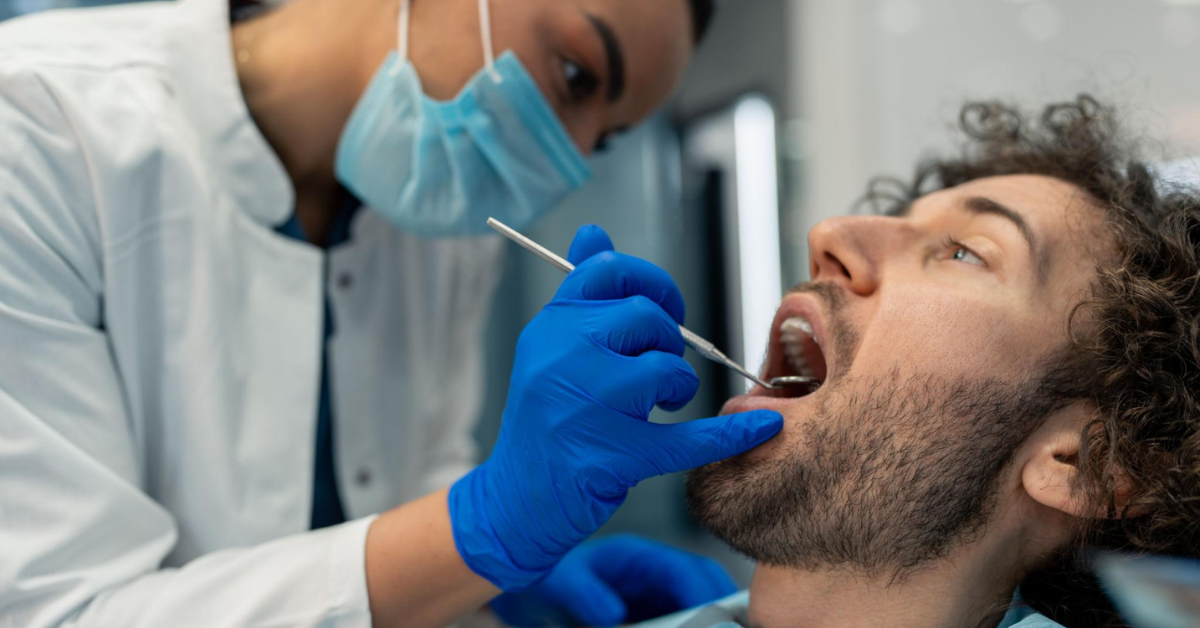
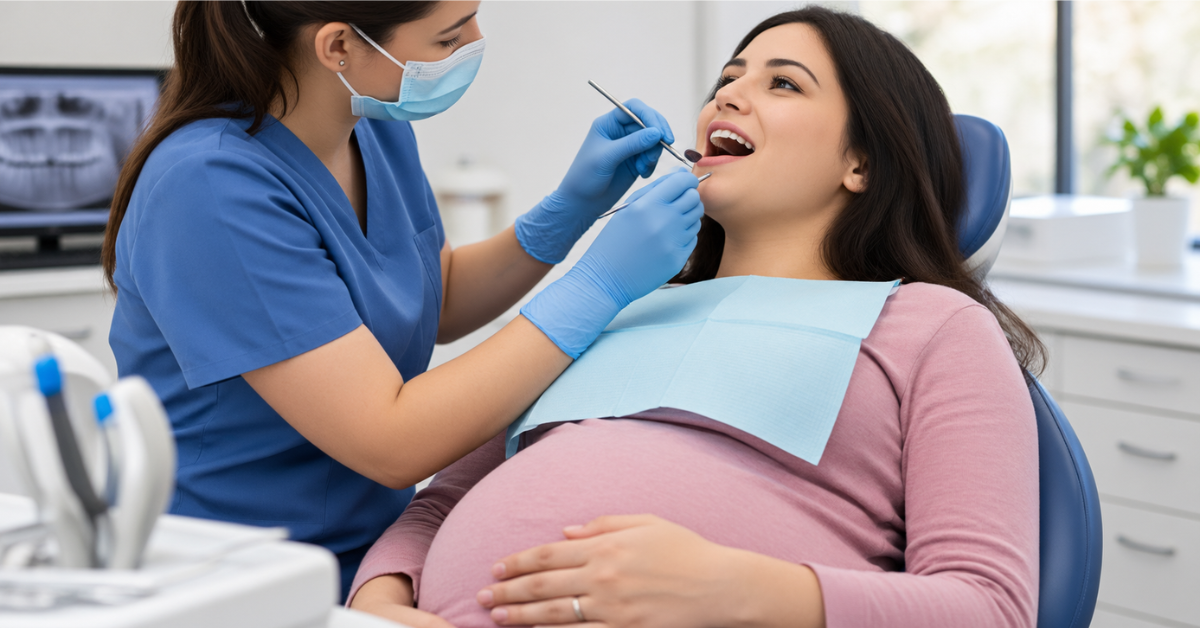
Your dentist can easily and painlessly apply dental sealants to your teeth in just a few minutes. Dental sealants are usually applied after a thorough dental hygiene visit to ensure that the tooth is clean and free of plaque. Your dentist will rinse and dry your tooth. Next, they will apply a special gel that helps to prepare the surface of your tooth for bonding with the sealant. After the gel sits for a few seconds, your dentist will rinse it off and dry your tooth again. Next, they will apply the liquid resin to the chewing surface of your tooth. They will also use a blue light to help the resin harden into a durable plastic. As soon as they are finished, the sealants are set and ready for use.
How do they work?
Dental sealants help prevent cavities by adding a layer of protection between your enamel and the sticky biofilm called plaque that forms continually in your mouth. Plaque is a build-up of bacteria that feed on the leftover remnants of food in your mouth. It is important to brush every day , twice a day, as well as drink plenty of water to remove plaque. However, dental sealants can help add protection for your teeth between brushings and flossing.
How long do Dental Sealants last?
Eventually dental sealants will wear down and need to be replaced. At your regular dental appointment your dentist will be able to examine your dental sealants and determine if they are still working effectively or if they need replacing.
Are they dangerous?
There is no evidence to suggest any negative side effects of having your teeth sealed. Sealants do contain a very low amount of BPA in them which historically was reported to have a negative impact on hormones. However, new research shows that BPA is perfectly safe in low levels for even children. Additionally, the levels of BPA in sealants are extremely low and peak a mere three hours after treatment. Even at the peak the level of BPA in the patient’s saliva is less than what you are exposed to by simply holding a receipt at the store or breathing in house dust.
Not sure if you need dental sealants? Talk with your dentist to see if they are a good option for you. Many dentists recommend that children get sealants when their teeth first erupt to help guard against decay. However, even teens and adults can benefit from them. Your dentist can evaluate if it’s a good choice for you, and explain why you should or shouldn’t consider them.