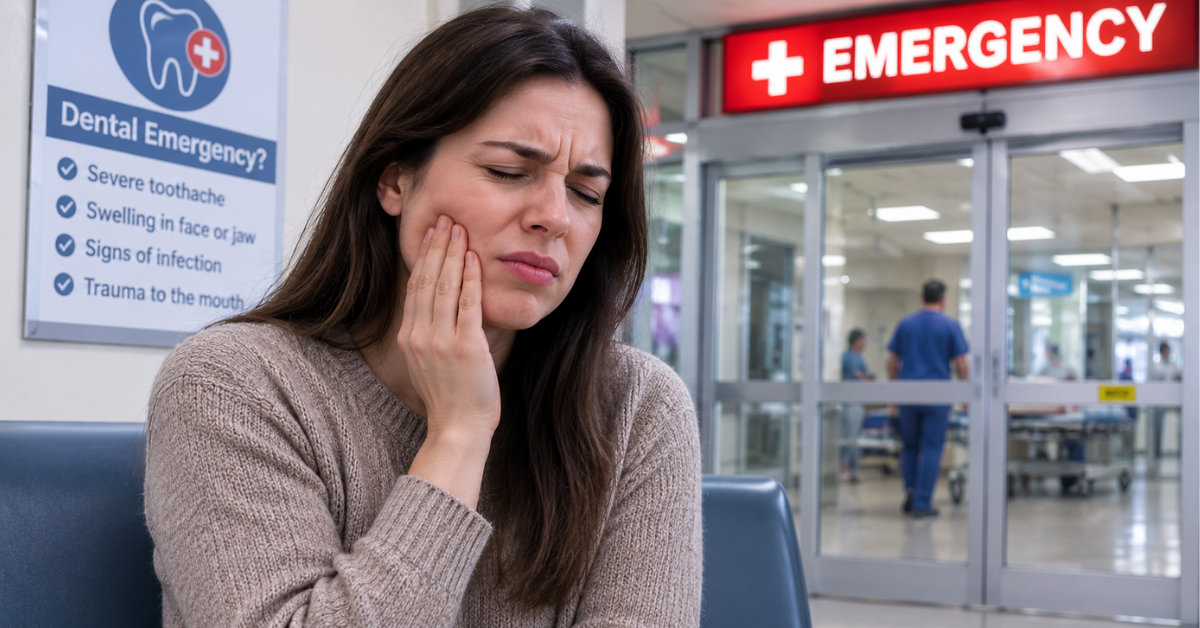
It's 9 p.m., your jaw is throbbing, and you're staring at your phone trying to decide: is this actually an emergency, or can it wait until Monday?
You're not overreacting by asking. Dental pain has a way of making everything feel urgent — but not every issue needs a same-day visit, and some genuinely can't wait another hour. Knowing the difference can save you money, save your tooth, and in a few cases, protect your health.
Here are the 7 signs that mean it's time to call an emergency dentist now, not later.
1. Severe, Throbbing Pain That Won't Let Up
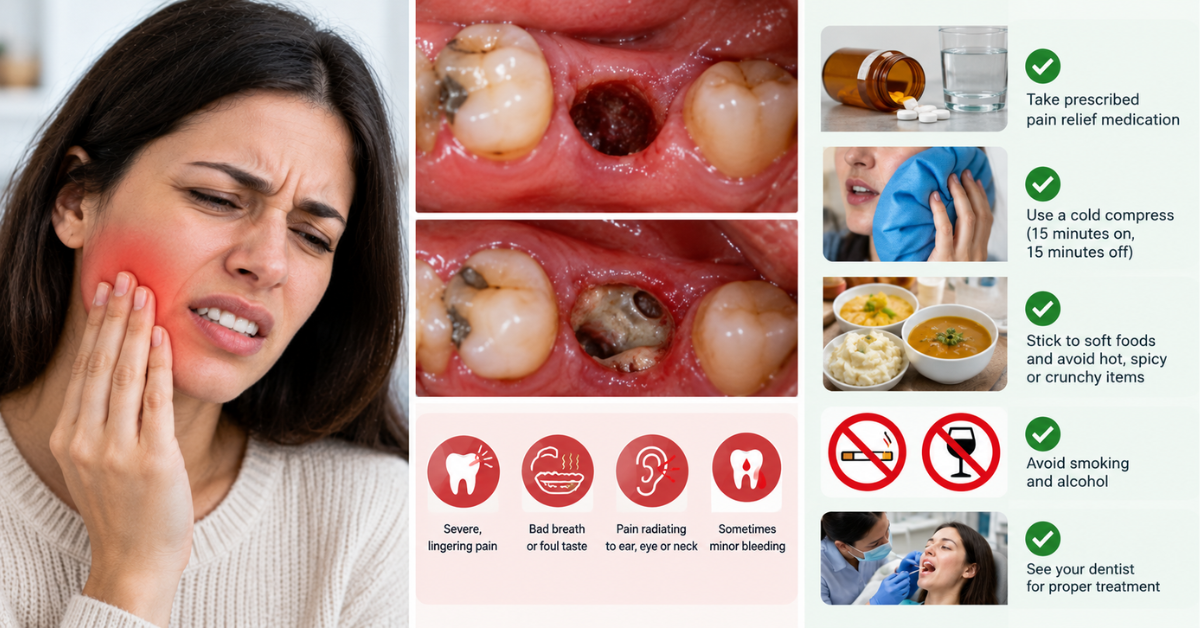
A little sensitivity to hot or cold? Usually not urgent. But a deep, throbbing ache that keeps you up at night or barely responds to over-the-counter pain relievers is a different story. That kind of pain typically points to an infected nerve or a developing abscess — problems that get worse, not better, the longer you wait.
Rule of thumb: if ibuprofen or acetaminophen barely touches the pain, or it's disrupting your sleep and daily routine, that's your body telling you something needs attention today.
2. A Knocked-Out Tooth
This is one of the few true race-against-the-clock dental emergencies. A permanent tooth that's been knocked out has the best chance of being saved if it's re-implanted within 30 to 60 minutes.
What to do while you get help:
- Pick the tooth up by the crown (the chewing surface), never the root
- Rinse it gently with water if it's dirty — don't scrub it
- If possible, try placing it back in the socket
- If that's not possible, keep it moist in a container of milk or saliva
- Get to an emergency dentist immediately
Every minute counts here, so don't wait to "see how it feels."
3. Facial or Gum Swelling — Especially With Fever
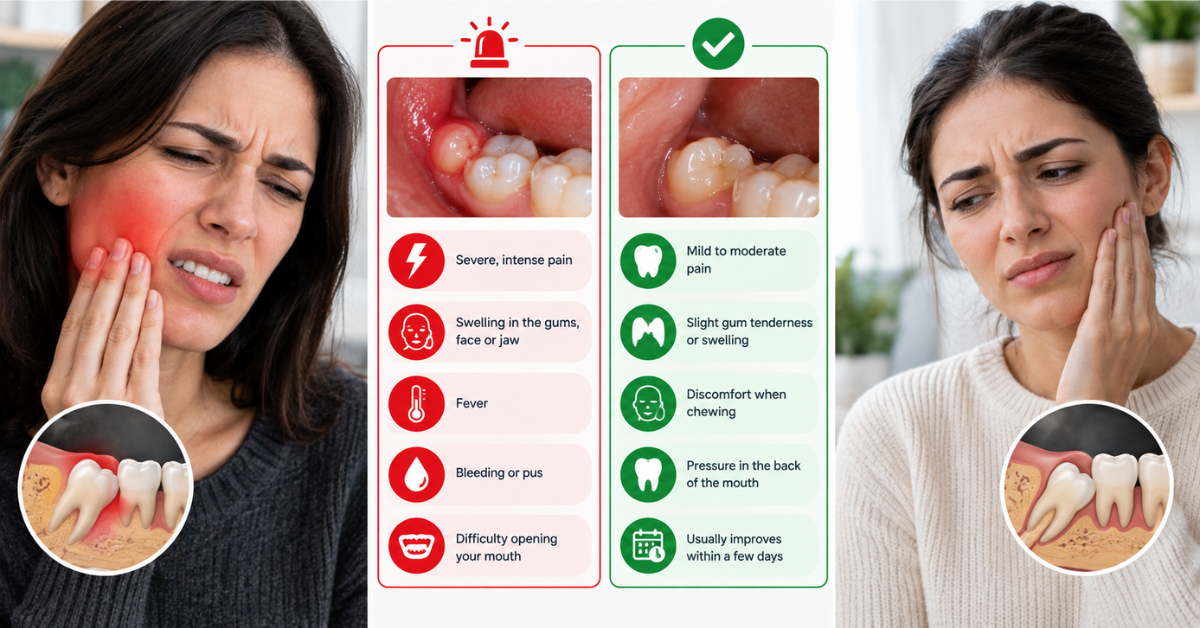
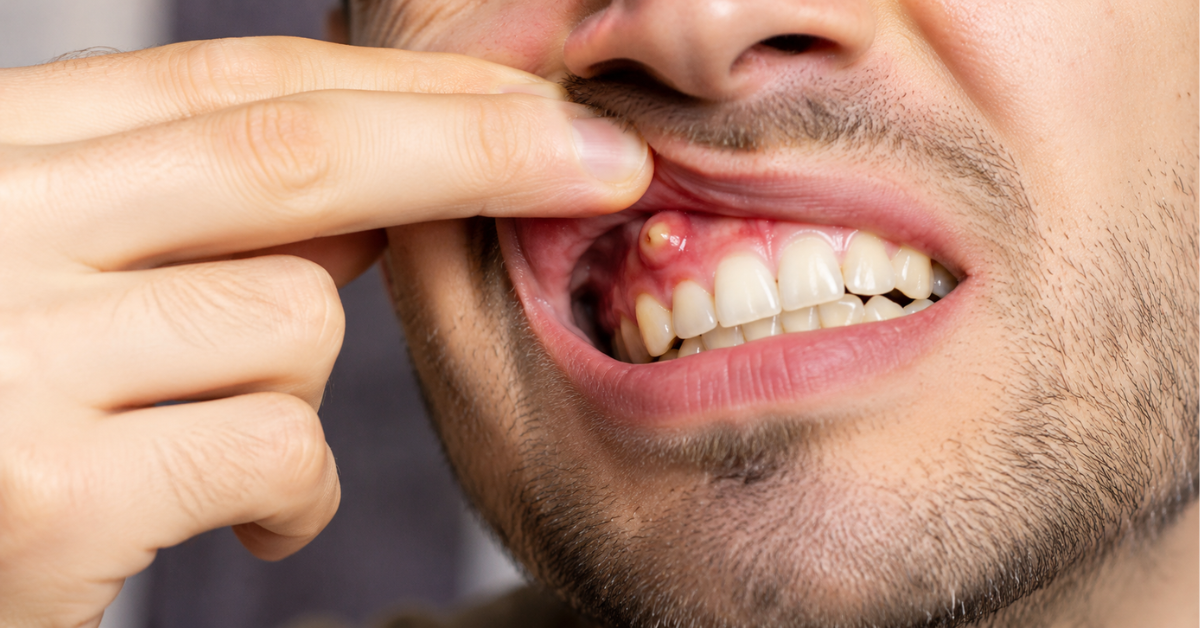
Swelling in your face, jaw, or gums is one of the clearest signs of a spreading infection. On its own, it's already worth an urgent visit. Paired with a fever, that combination often signals the infection is moving beyond the tooth and needs treatment right away.
One important distinction: if the swelling is spreading fast and comes with difficulty breathing or swallowing, that's no longer a "wait for the dentist" situation — head to the emergency room first, then follow up with a dentist once you're stable.
4. A Broken or Cracked Tooth With Visible Nerve
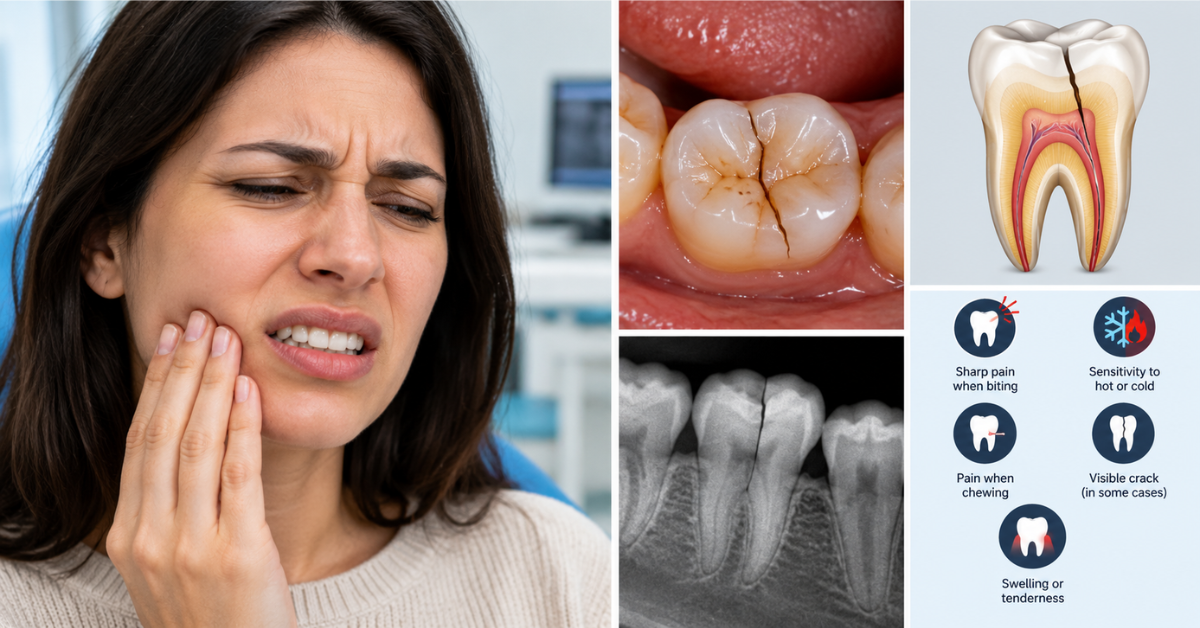
Not every chip is an emergency — a small cosmetic chip with no pain can usually wait for a regular appointment. But a break that exposes the tooth's inner layers (you may notice a pink or reddish center, or sudden sharp sensitivity) is a different situation. That exposed nerve is now a direct path for bacteria, and the risk of infection climbs the longer it's left untreated.
5. Bleeding That Won't Stop
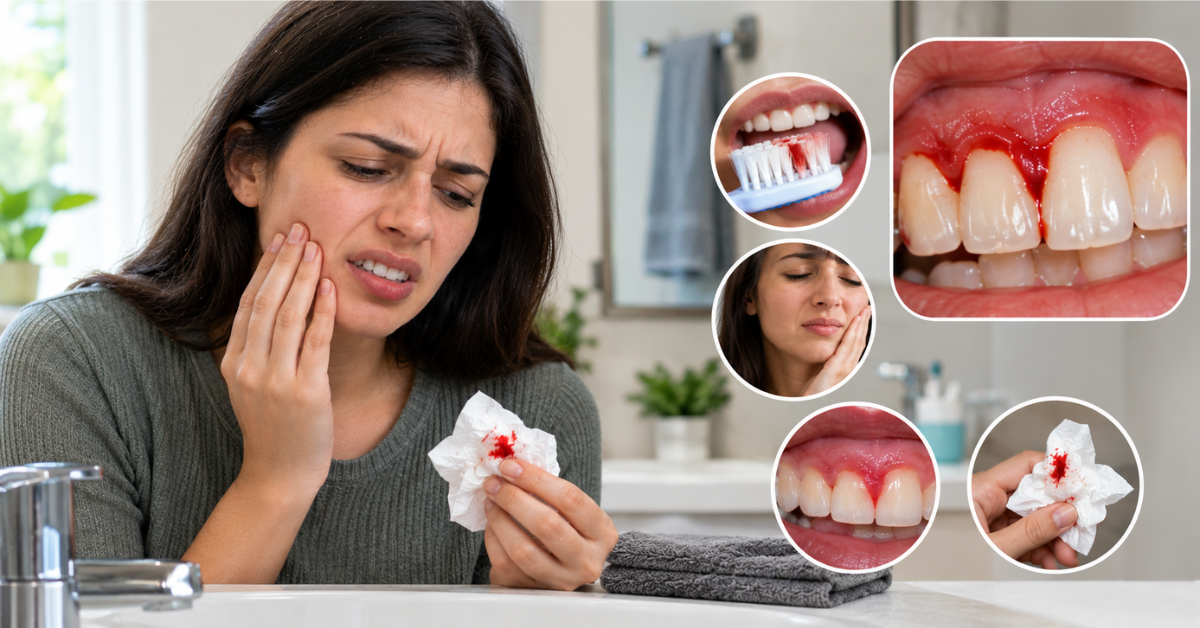
Minor bleeding after flossing or a small bump is normal. But bleeding that continues after 10 minutes of firm, steady pressure — especially after an injury — needs prompt evaluation. Uncontrolled bleeding can also be a sign of a more serious injury to the gum or jaw.
6. A Lost Filling or Crown With Pain
Losing a crown or filling isn't automatically an emergency, but if the exposed tooth is painful, sensitive to temperature, or you can feel a sharp edge cutting your tongue or cheek, it needs same-day attention. Leaving it exposed too long invites decay and infection into a tooth that was otherwise protected.
In the meantime, keep the crown if you still have it, avoid chewing on that side, and steer clear of very hot, cold, or sugary foods.
7. A Sudden Change in Your Bite or Jaw Alignment
If your teeth suddenly don't fit together the way they used to, or your jaw feels off after an injury or a bout of swelling, don't brush it off. This can point to a fractured tooth, a shifting infection, or a jaw injury — all of which get harder (and more expensive) to treat the longer they're left alone.
What Usually Can Wait
Not everything above the neck qualifies as an emergency. These are worth scheduling soon, but rarely need a same-day visit:
- Mild, occasional tooth sensitivity
- A small chip with no pain or sharp edges
- Minor gum bleeding after flossing
- A dull ache that comes and goes and responds to over-the-counter medication
If you're ever unsure, it's still worth a quick call. A dentist can tell in a two-minute conversation whether your situation needs to be seen today or can hold until a regular appointment — and that call is a lot cheaper than guessing wrong.
When to Go to the ER Instead of a Dentist
A small number of situations need a hospital, not a dental office:
- Difficulty breathing or swallowing
- Facial swelling spreading toward the eye or neck, especially with fever
- Uncontrolled bleeding that doesn't stop with pressure
- A jaw that may be broken or dislocated from major trauma
Emergency rooms are set up to stabilize you, not to treat the tooth itself — so plan on a follow-up with a dentist once you're out of immediate danger.
Don't Wait Until It's Worse
Dental pain rarely resolves on its own. What starts as a manageable ache can turn into an abscess, a lost tooth, or a much larger bill if it's ignored for too long. If any of the signs above sound familiar, the safest move is to get seen today rather than wait and hope it settles down.
Need to see an emergency dentist right now? Find a 24/7 emergency dentist near you and get connected with same-day care in your area.
FAQs
Q: How do I know if my toothache is an emergency?
A: If the pain is severe, doesn't respond to over-the-counter medication, or comes with swelling, fever, or a bad taste from drainage, treat it as an emergency and call a dentist right away.
Q: Can a dental emergency wait until morning?
A: It depends on the symptoms. Severe pain, uncontrolled bleeding, facial swelling, or a knocked-out tooth should never wait. Mild discomfort without other symptoms can often hold until the next business day.
Q: What should I do if my tooth gets knocked out?
A: Handle it by the crown only, rinse gently, try to reinsert it into the socket, or keep it in milk, and get to a dentist within 30 to 60 minutes for the best chance of saving it.
Q: Is swelling always a dental emergency?
A: Not always, but swelling that's spreading, painful, or paired with fever usually is. When in doubt, get it checked the same day.