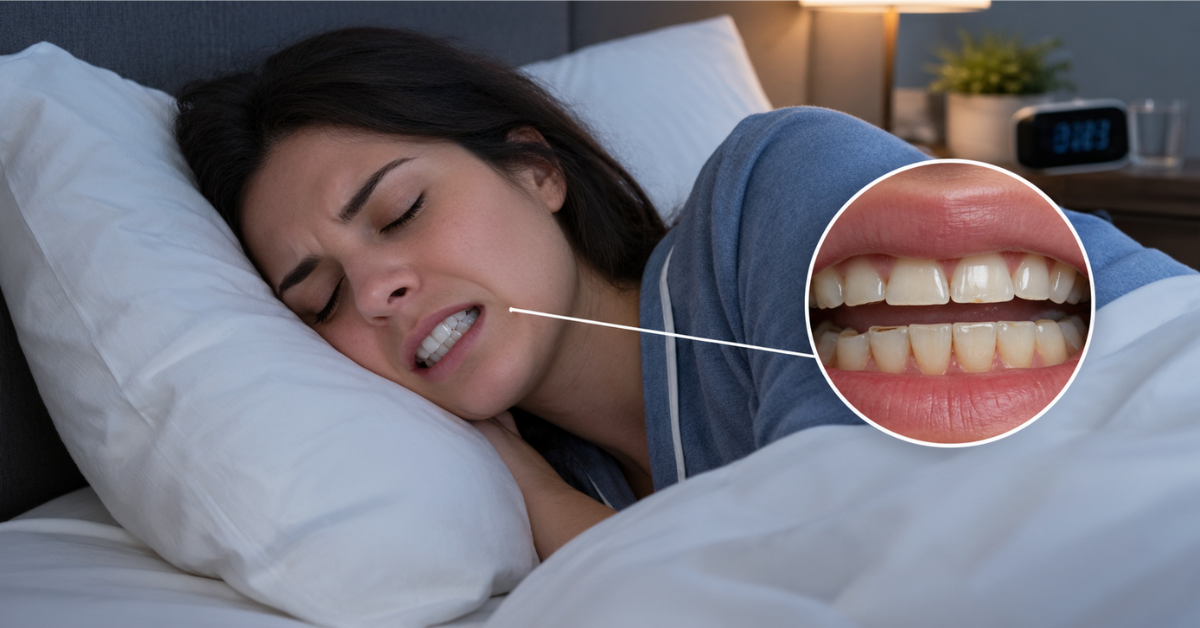
Your tooth was throbbing yesterday. Today it barely hurts. So maybe the infection cleared up on its own?
It’s a hopeful thought. Many people have it, especially when the pain suddenly drops and they can finally eat, talk, and sleep again. But the truth is less comforting. A tooth infection does not go away on its own. The pain can fade, but the infection usually stays behind, quietly growing inside the tooth or at the root.
That’s what makes it risky. A tooth infection that is left alone can turn into a painful abscess. It can spread to your jaw, your face, and your neck. In rare cases, it can even reach your bloodstream and become a serious, life-threatening problem. The sooner a dentist treats it, the simpler and safer the fix usually is.
So how do you know if your tooth infection is getting better or just going quiet? In this guide, you’ll learn why tooth infection pain sometimes stops, what can happen if you wait, which warning signs are urgent, and how a dentist treats the problem. You’ll also find simple steps to help you cope until you can be seen.
Why a Tooth Infection Won't Heal by Itself
Bacteria enter the tooth through a deep cavity, a crack, or a chip. They reach the pulp, which is the soft center that holds the nerve and blood vessels.
Your body fights infection with blood and white blood cells. But a tooth is a hard shell with very little blood flow inside. Your immune system can't reach the germs well. So they keep growing.
Over time, a pocket of pus can form at the root. This is called a tooth abscess. The pus has nowhere to go, so the pressure builds.
Why the Pain Sometimes Goes Away
This is the tricky part. Pain can stop even while the infection is still active. Here's how.
- The nerve dies. Once the nerve inside the tooth is dead, it can't send pain signals. The bacteria are still there.
- The abscess drains. Pus may break through the gum. You may feel sudden relief and notice a bad taste. The pressure drops, but the source is still infected.
- Pain medicine hides it. Painkillers can cover the symptoms for a while.
Less pain does not mean the tooth is healing. Treat a sudden calm with suspicion.
What Happens If You Wait?
An untreated tooth infection can last for weeks or months. It often flares up again, usually at a bad time.
It can also spread. The infection can move into the jawbone, the soft tissue of the face, and the neck. In rare cases, it can reach the bloodstream and cause sepsis, a life-threatening reaction. To see how fast this can happen, read how long you can leave a tooth abscess untreated.
Warning Signs the Infection Is Spreading
Get urgent care right away if you notice any of these:
- Swelling in your cheek, jaw, or face
- Fever or chills
- Trouble opening your mouth
- Trouble swallowing or breathing
- Swelling near your eye or under your chin
Our guide to the signs a tooth infection is spreading to your face or jaw explains each one. If you can't breathe or swallow well, go to the ER. Not sure where to go? Read whether you can go to the ER for a toothache.
Can Antibiotics Cure a Tooth Infection?
Antibiotics can calm an infection and slow its spread. They are often given when there is swelling or fever.
But they usually don't remove the source of the problem. The infected tissue inside the tooth is still there. That's why antibiotics alone often lead to a return of symptoms.
Never take leftover antibiotics from an old prescription. They may be the wrong type or the wrong amount.
How Dentists Treat a Tooth Infection
The goal is to remove the infection at its source. Your dentist may recommend:
- Root canal treatment. The infected pulp is cleaned out, and the tooth is sealed. This often saves the tooth. Learn more about root canals.
- Tooth extraction. If the tooth is too damaged to save, it is removed. See what to expect with a tooth extraction.
- Drainage. A dentist may drain an abscess to relieve pressure.
- Antibiotics. These are added when the infection has spread or you have a fever.
How to Cope Until You're Seen
These steps can ease discomfort. They do not cure the infection.
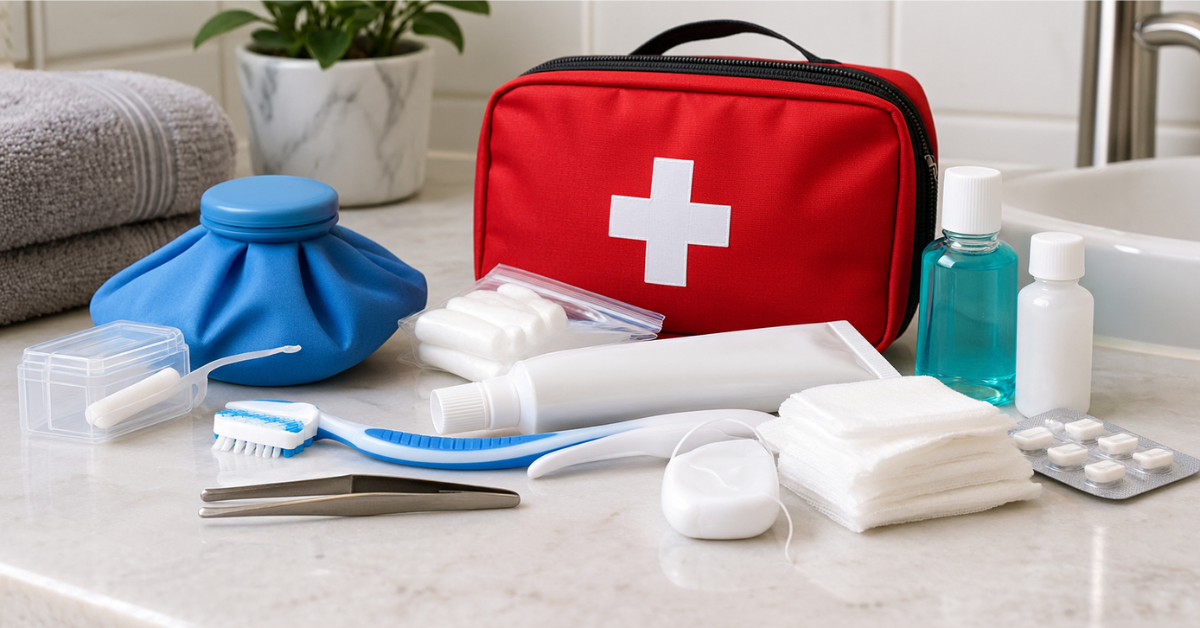
- Rinse gently with warm salt water.
- Use a cold pack on your cheek for 15 minutes at a time.
- Take an over-the-counter pain reliever as directed on the label.
- Sleep with your head raised.
- Don't squeeze or pop any bump on your gum.
More tips are in our guide to stopping a toothache fast at home.
Tooth Infection FAQs
Q: Can a tooth infection heal without antibiotics?
A: Rarely. Even mild cases need a dentist to remove the source of the infection.
Q: How long can a tooth infection last if untreated?
A: It won't end on its own. It can linger for weeks or months and keep flaring up.
Q: Does a tooth infection go away after an abscess bursts?
A: No. Drainage may ease the pain, but the infection is still there.
Q: Will salt water rinses cure a tooth infection?
A: No. They soothe the area and keep it clean, but they can't remove the infection.
Q: When is a tooth infection an emergency?
A: When you have facial swelling, fever, or trouble swallowing or breathing.
Don't Wait for the Pain to Come Back
A quiet tooth can still be an infected tooth. When the pain fades, it’s easy to tell yourself the problem is gone. But a tooth infection does not heal on its own. The bacteria stay inside the tooth, and the infection can grow without you feeling it. It often returns at the worst time, such as a weekend, a holiday, or in the middle of the night. By then, it may have spread beyond the tooth.
The sooner a dentist treats it, the simpler the fix usually is. Early care can mean a root canal instead of an extraction. It can also mean less pain and a lower risk of serious problems. If you notice swelling, fever, or trouble swallowing or breathing, get urgent care right away.
247 Local Dentist connects you with dentists in your area. Our live operators answer 24 hours a day, 7 days a week. Call (833) 220-2448 or find a dentist in your state.