The short answer: Most mouth sores are canker sores. They hurt, but they're harmless and heal on their own in one to two weeks. A sore that stays longer than two weeks, or looks different from a normal canker sore, needs a dentist.
You're eating dinner when something stings. You find a small, raw spot inside your cheek or lip, and now every sip of juice hurts. Is it just a canker sore, or something worse?
Canker sores are very common. They often follow a bite to the cheek, a stressful week, or a spicy meal, and they aren't contagious. But a few mouth sores are something else, like cold sores or, rarely, an early sign of oral cancer. Below, you'll learn how to tell them apart, how to ease the pain, and when to see a dentist.
That two-week line is the most useful thing in this article. Keep it in mind as you read.
Swollen Gums: Emergency or Not?
What Is a Canker Sore?
A canker sore is a small, shallow ulcer that forms inside your mouth. Doctors call it an aphthous ulcer. You can get one on your inner cheek, inner lip, tongue, or gums. They also show up on the soft part of the roof of your mouth.
Canker sores are very common. Many people get one now and then. Some get them often. They are not contagious. You can't catch one from a kiss or a shared cup.
Canker Sore Symptoms
A normal canker sore looks and feels like this:
- Round or oval shape
- White or yellow center
- Red edge around it
- Burning or tingling a day or two before it shows up
- Pain that gets worse when you eat or drink something acidic, salty, or spicy
- Usually smaller than a pencil eraser
Most are small and heal without a trace. A few are bigger and deeper. These larger ones can last for weeks and may leave a scar. They are less common, and they're worth showing to a dentist.
What Causes Canker Sores?
Nobody knows the exact cause. But these triggers come up again and again:
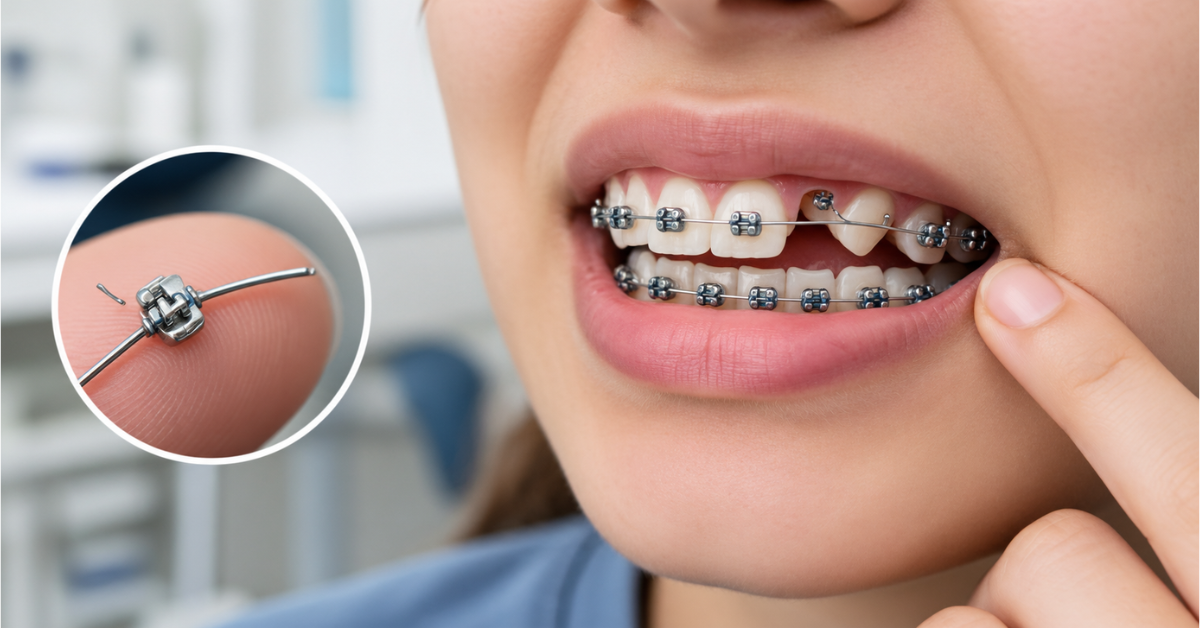
- Small injuries. Biting your cheek, a sharp chip, or braces rubbing the gum.
- Stress and poor sleep.
- Acidic or spicy foods. Citrus, tomatoes, and hot sauce are common ones.
- Toothpaste with sodium lauryl sulfate (SLS). It bothers some people.
- Low vitamin levels. Low iron, B12, folate, or zinc can play a part.
- Hormone changes.
- Health conditions. Celiac disease and bowel diseases are linked to frequent sores.
If you get them again and again, ask your doctor to check for a cause.
Canker Sore vs. Cold Sore
People mix these up all the time. They are very different.
A canker sore forms inside your mouth, on the inner cheek, inner lip, tongue, or gums. It looks like a flat ulcer with a white or yellow center and a red edge. The exact cause isn't fully known. It is not contagious, so you can't pass it on by kissing or sharing a cup. It usually heals in one to two weeks.
A cold sore shows up on or around the lips. It starts as a cluster of small blisters that break open and crust over. It's caused by the herpes simplex virus, so it is contagious. Avoid kissing and sharing cups, towels, or lip balm while you have one. It also heals in one to two weeks.
If it's outside your mouth and it blisters, it's likely a cold sore. If it's inside and flat, it's likely a canker sore.
Canker Sore vs. Oral Cancer: How to Tell
This is the question behind most searches. Let's be clear and calm about it.
Oral cancer is not common. A canker sore is far more likely. But oral cancer can start as a small sore that looks harmless. That's why the time rule matters.
A canker sore hurts, heals within two weeks, and often comes back in a different spot.
A sore that could be something more serious tends to:
- Stay longer than two weeks
- Feel hard or thick when you touch it
- Not hurt much, at least at first
- Come with a red or white patch nearby
- Bleed easily
- Grow slowly
Other warning signs are a lump in the mouth or neck, numbness, trouble swallowing, and a loose tooth with no reason. Ear pain on one side can be a sign too.
Tobacco and heavy alcohol use raise the risk. So do certain strains of the HPV virus.
You don't need to panic. You just need to get it checked. A dentist can look at it in minutes.
Other Mouth Sores That Look Like Canker Sores
A few other things can be mistaken for a canker sore:
- Oral thrush. Creamy white patches that can be wiped off. It's a yeast infection.
- Hand, foot, and mouth disease. Sores in the mouth with a rash on the hands and feet. It's common in kids.
- Lichen planus. White, lacy patches or red sore areas. It lasts a long time.
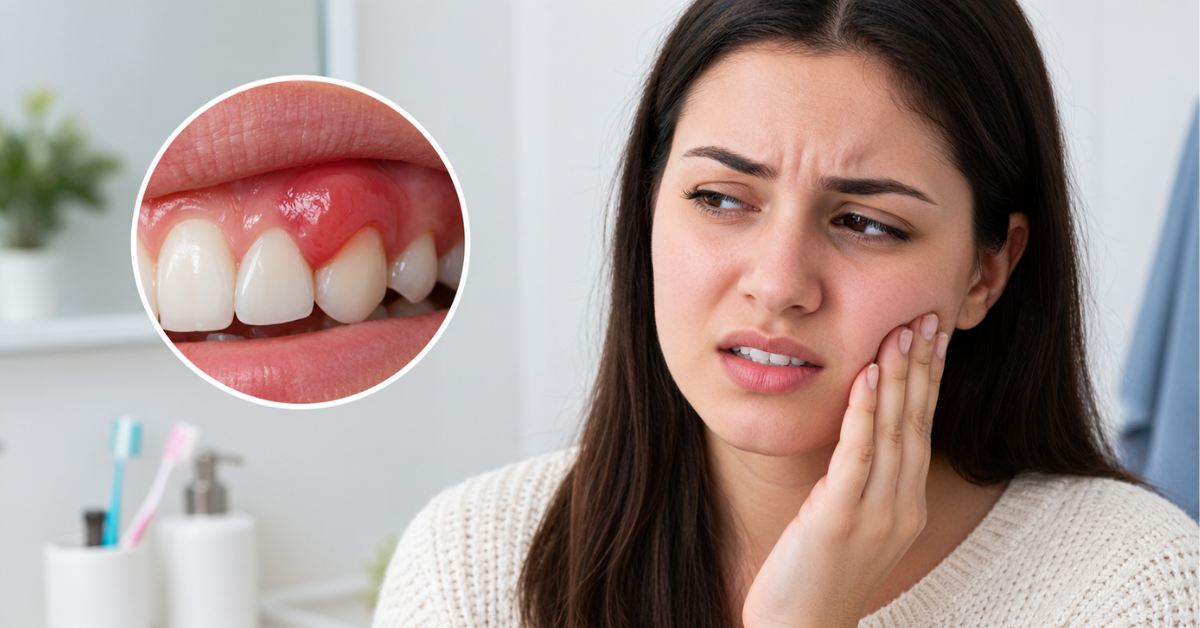
- Gum abscess. A pimple-like bump on the gum, often with pain near a tooth.
- Injury or burn. Hot pizza is a classic cause.
If you're not sure what you're looking at, let a dentist decide.
How Long Do Canker Sores Last?
Most small canker sores heal in 7 to 14 days. The pain is usually worst in the first three or four days. After that it fades.
Larger sores can take several weeks. If a sore of any size is still there after two weeks, book a visit.
Canker Sore Home Remedies
You can't make a canker sore vanish. But you can ease the pain while it heals.
- Rinse with salt water. Mix half a teaspoon of salt into a cup of warm water. Swish and spit.
- Try a baking soda rinse. Mix one teaspoon in half a cup of warm water.
- Use a numbing gel. Over-the-counter gels with benzocaine can take the edge off. Follow the label.
- Avoid trigger foods. Skip spicy, salty, and acidic foods until it heals.
- Switch to a soft toothbrush. Brush slowly around the sore.
- Suck on ice chips. The cold can calm the burn.
- Drink through a straw. It keeps the drink away from the sore.
When to See a Dentist for a Mouth Sore
Make an appointment if:
- The sore lasts more than two weeks
- Sores keep coming back
- The sore is unusually large
- You get new sores before the old ones heal
- The pain is so bad you can't eat or drink
- You see red or white patches that won't go away
Get urgent care if you have a mouth sore with a high fever, signs of dehydration, or trouble swallowing or breathing. Don't wait for these.
What Will the Dentist Do?
The dentist will look at the sore and ask a few questions. How long has it been there? Does it hurt? Do you smoke? Have you had others?
For a normal canker sore, they may suggest a medicated rinse or a prescription gel. For a sore that looks odd or has lasted too long, they may do a small biopsy. That means taking a tiny sample to test. It's quick and it gives a clear answer.
Canker Sore FAQ
Q: Can stress cause canker sores?
A:
Yes. Stress is a common trigger.
Q: Are canker sores contagious?
A:
No. You can't pass them on.
Q: Can I get a canker sore on my tongue?
A: Yes. The tongue is a common spot.
Q: Why do I keep getting canker sores?
A: It could be injury, food triggers, toothpaste, low vitamins, or a health condition. A doctor can help you find the cause.
Q: Does a canker sore need antibiotics?
A: Usually not. They are not caused by a bacterial infection.
Not Sure About Your Sore? Get It Checked
A canker sore is almost always harmless. But if yours looks odd or won't heal, don't guess.
247 Local Dentist can help you find a dentist near you. Many can see you the same day, so you can stop worrying and get an answer.