It happens at the worst times. You bite into a sandwich and hear a crack. Your denture slips out and hits the bathroom floor. Or you wake up, reach for the glass, and it’s gone.
Take a breath. A broken or lost denture feels like a crisis, but you have more options than you think.
Without your denture, eating and speaking can get hard fast. Gums can also feel sore, and you may not want to leave the house. The good news is that most denture problems can be fixed, and an emergency dentist can often help quickly. This guide walks you through the most common situations, shows you what to do first, and explains what to avoid so you don’t make the damage worse.
First, the Quick Rules
If you only remember a few things, remember these:
- Don't wear a cracked denture. Sharp edges can cut your gums.
- Don't use glue. Household glue is toxic and ruins the denture.
- Keep every piece. Even small ones help the repair.
- Call a dentist the same day. Many can fix a denture fast.
Now let's look at what to do in your exact situation.
If Your Denture Cracked or Snapped in Half
- Take it out of your mouth gently. Don't keep chewing on it.
- Rinse your mouth with warm water.
- Collect all the pieces. Check the table, the sink, and your napkin.
- Store the pieces in water or denture soaking solution. A dry denture can warp.
- Put the pieces in a clean container and bring them to the dentist.
Don't try to push the halves back together and wear them. A cracked denture can pinch your gums, and it can break again.
If a Tooth Popped Out of Your Denture
This is common, and it's often an easy fix.
Find the tooth and keep it safe. Don't try to glue it back. A dentist or denture lab can reattach it using the right material, often in a short visit. Until then, you can go without it, or without the denture if the gap makes it hard to eat.
What Do I Do If I Knock Out a Tooth? (Step-by-Step)
If a Partial Denture Clasp Broke
Partial dentures hold on with small metal clasps. They can bend or snap with time. Don't bend a clasp back into shape. Metal that's flexed again and again can break. Take the partial out and see a dentist. They can adjust or replace the clasp so it fits snugly again.
Lost Denture: Where to Look, and What to Do
A denture can end up in odd places. Before you panic, check these spots:
- Wrapped in a napkin or tissue (a very common one)
- The bathroom sink, cup, or wastebasket
- Pockets and bags
- Bedsheets and pillowcases
- A hospital tray, if you recently stayed in one
- Restaurants and cars, if you ate out
- Under the furniture, if a pet is around
Call anywhere you've been. Restaurants and care facilities often find dentures and set them aside.
If you can't find it, call your dentist. Many keep your records and may be able to make a new one. Your insurance may cover part of the cost, so ask.
Could You Have Swallowed It?
Sometimes a denture, or a piece of one, is swallowed by accident. This can happen during a meal or while you sleep.
Go to the ER right away if you have:
- Trouble breathing or swallowing
- Pain in your chest, throat, or belly
- Drooling or a feeling that something is stuck
- Coughing that won't stop
- Vomiting
A swallowed denture can cause serious harm. Don't wait to see if it passes.
Is a Broken Denture a Dental Emergency?
It depends on what's happening.
Treat it as urgent (same-day dentist) if:
- You can't eat or speak properly
- The edges are cutting your mouth
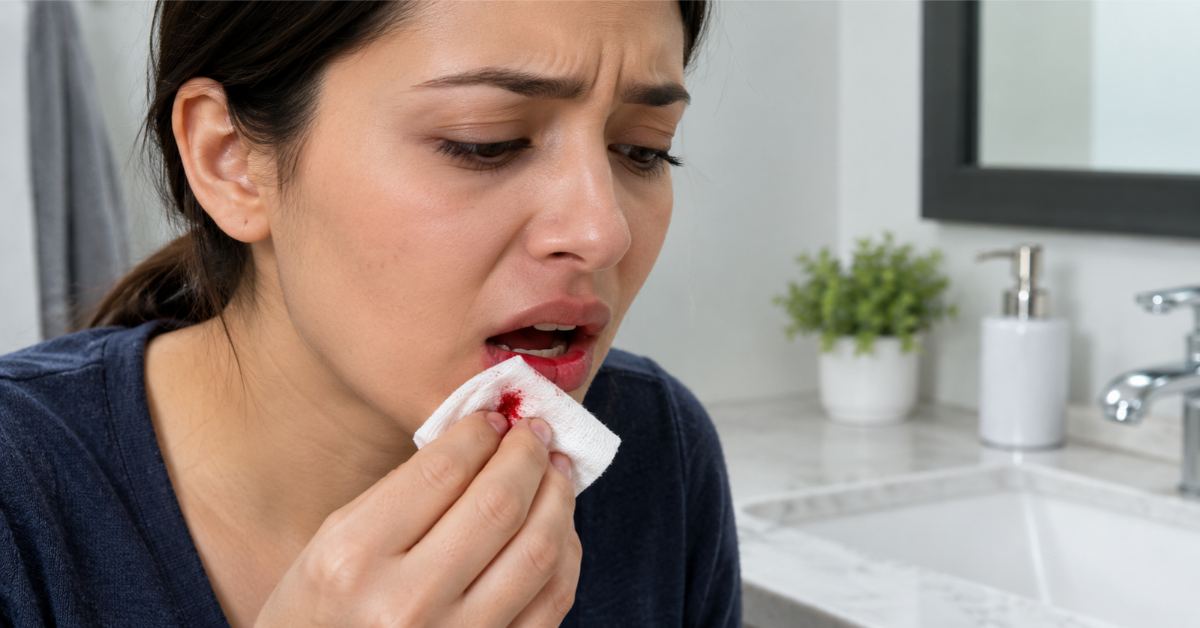
- You have pain, sores, or bleeding
- A cracked piece is loose in your mouth
Treat it as an emergency (ER) if:
- You may have swallowed a piece
- You have heavy bleeding that won't stop
- You have a fever with swelling in your face or jaw
- You also hurt your jaw in a fall or accident
Most broken dentures fall in the first group. They aren't life-threatening, but waiting makes things worse. A rubbing edge can cause a sore. A sore can become an infection.
For mouth cuts, see our page on a soft tissue injury. If bleeding continues, check our guide on oral bleeding.
Can You Fix a Broken Denture at Home?
Short answer: only in a very limited way.
Drugstores sell denture repair kits. They can serve as a short-term fix to get you through a day or two. They are not a real repair. They can make the denture hard to repair properly later.
If you use one, follow the label exactly. Then book a dentist visit.
Never use super glue, craft glue, or any glue not made for dentures. These can burn your gums and contain harmful chemicals.
How to Eat When Your Denture Is Broken
You still need to eat. A few changes help.
- Choose soft foods. Eggs, yogurt, soup, mashed potatoes, oatmeal, and smoothies work well.
- Cut food small. You won't chew as hard.
- Skip sticky, hard, and crunchy foods. Nuts, gum, candy, and raw carrots can hurt.
- Avoid very hot drinks. Your gums may be sore.
- Rinse after eating. Warm salt water keeps the area clean.
If your gums are sore, a cold pack on your cheek can ease it. A warm salt rinse helps too. Mix half a teaspoon of salt in a cup of warm water.
How Long Does Denture Repair Take?
It varies, but fast service is common.
A small crack, a loose tooth, or a clasp problem can sometimes be fixed the same day or within a few days. A bigger break may need to go to a dental lab. A lost denture usually takes longer, since a new one has to be made, and that can take a few weeks.
Ask your dentist if they offer a rush repair. Tell them if you can't go without your denture, for work or other reasons.
Repair or Replace?
A repair makes sense when the denture still fits well and the damage is small. A replacement is better when:
- The denture is cracking again and again
- It's worn down or stained
- It no longer fits right, even after a reline
- It's more than five to ten years old
Your mouth changes over the years. The jawbone slowly shrinks, and an old denture stops fitting. A loose denture rubs, sores up the gums, and may be why it keeps breaking.
You may also want to ask about other choices.
Why Do Dentures Break?
Knowing the cause helps you stop it from happening again. The usual reasons are:
- Dropping them. A hard sink or tile floor is a top culprit.
- Poor fit. An ill-fitting denture flexes when you chew.
- Age and wear. The material gets brittle.
- Biting something hard. Ice, bones, and hard candy are common causes.
- Cleaning the wrong way. Hot water can warp them. Harsh cleaners can weaken them.
- Pets. Dogs love to chew them.
How to Keep Your Dentures from Breaking
- Fill the sink with water or lay a towel in it when you clean your denture. If it slips, it lands softly.
- Hold it with both hands.
- Use a soft brush and a cleaner made for dentures. Don't use regular toothpaste. It's too rough.
- Soak it overnight in water or denture solution. Don't let it dry out.
- Use cool or lukewarm water, never hot or boiling.
- Keep it in a case, away from pets and kids.
- See your dentist once a year, even if you have no natural teeth. They check the fit and your gums.
- Don't try DIY adjustments. Filing or bending it can ruin the fit.
Make a Small Denture Backup Plan
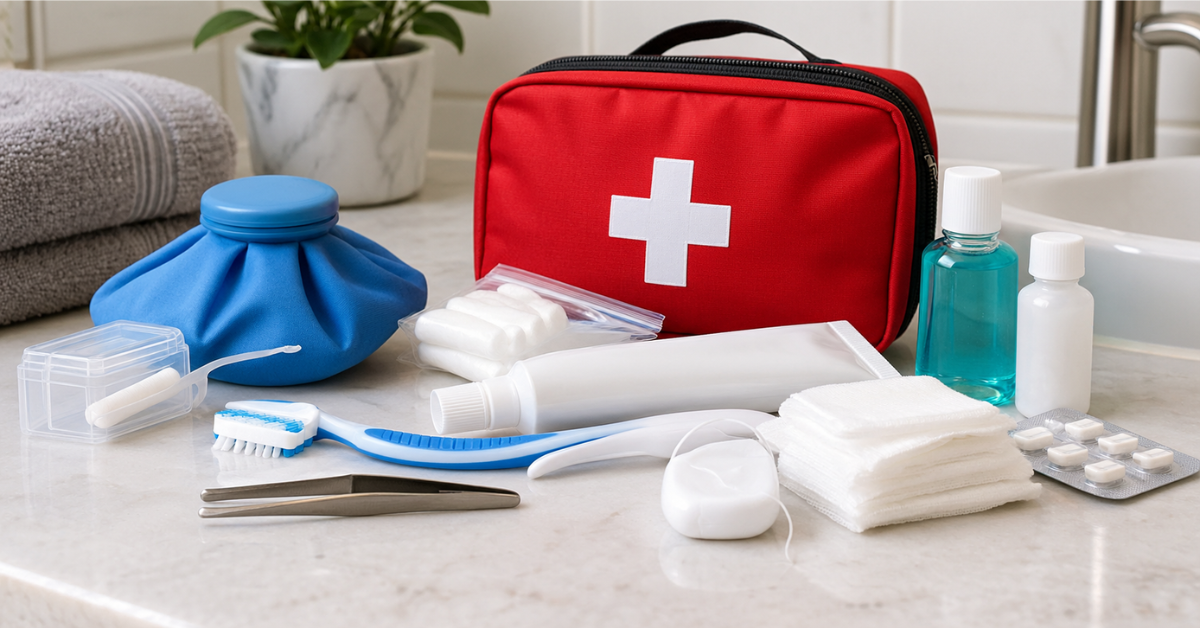
A little planning removes a lot of stress. Keep these in one place:
- A denture case
- Your dentist's number and after-hours line
- A denture repair kit, for short-term use only
- Soft foods at home
- Spare denture adhesive
- A basic dental emergency kit
If you travel, bring the case and the dentist's number with you.
Need Help Right Now?
You shouldn't have to go without teeth for days. If your denture broke at night, on a weekend, or while you're away from home, call 24/7 Local Dentist at (833) 220-2448. Or request help online. We'll help you find a dentist near you who can see you quickly.