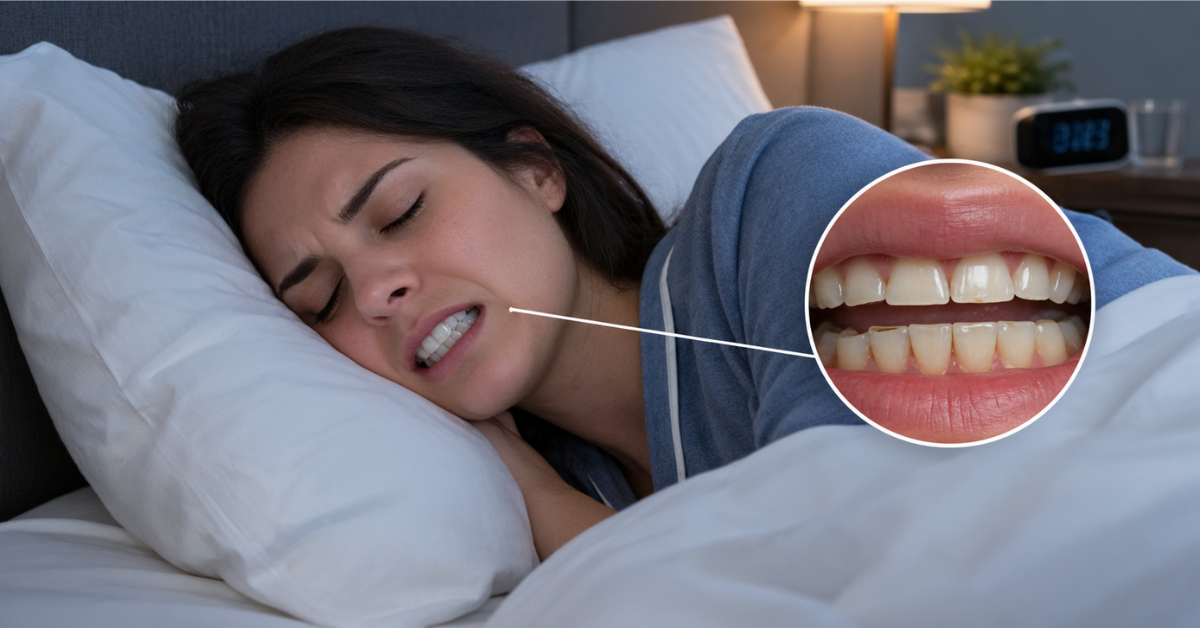
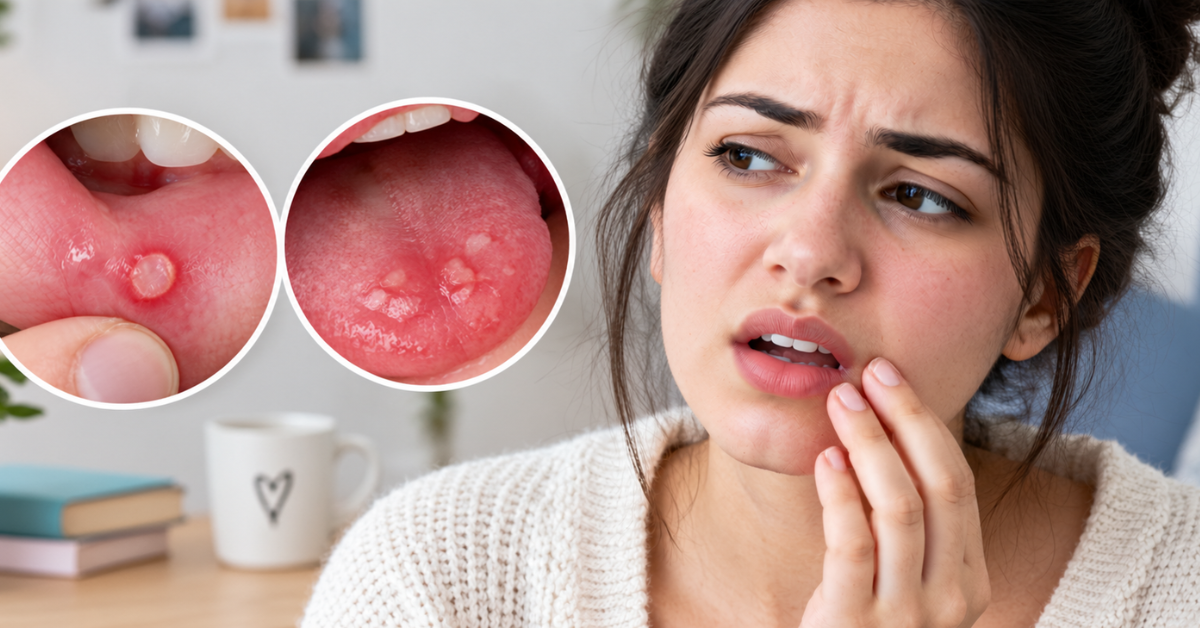
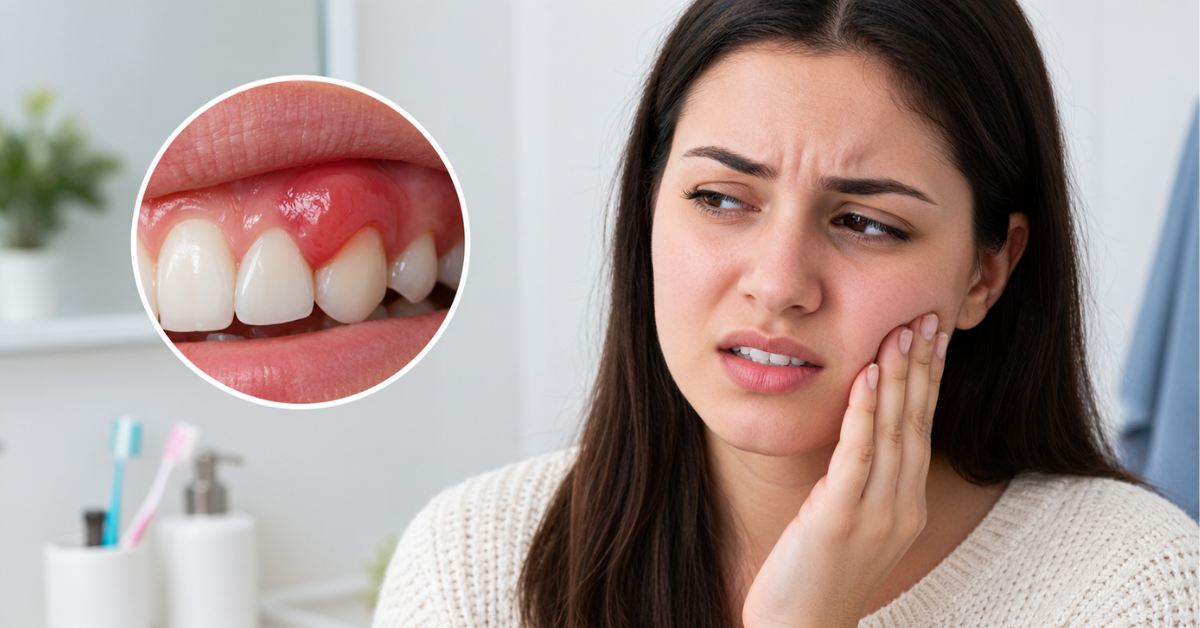
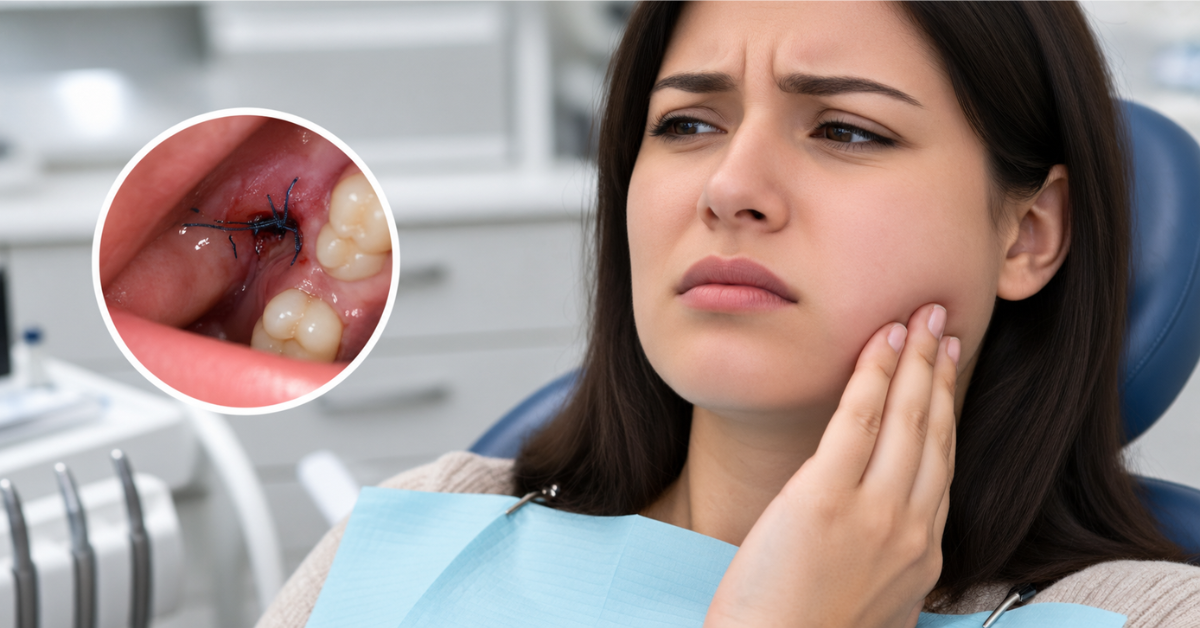
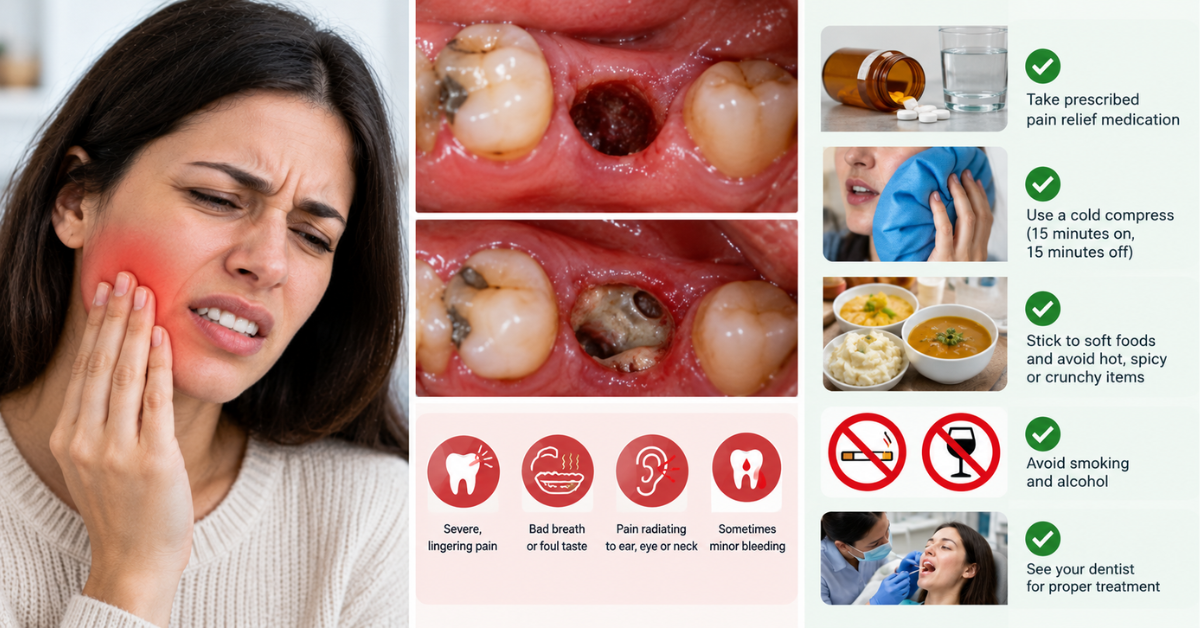
It's 10 p.m. Your son takes a ball to the mouth, and a tooth comes out. Or you bite a nut and feel a crown pop loose. The dentist's office is closed. Your hands are shaking, and you can't remember where you put the gauze.
A dental emergency kit fixes that. It's a small box you pack ahead of time, so you can act fast and calm. It won't replace a dentist. But it can protect a tooth, ease pain, and buy you time until you get care.
Here's what to put in it, why each item matters, and how to keep it ready.
What to Do for a Child's Dental Emergency
What Is a Dental Emergency Kit?
A dental emergency kit is a small first-aid kit just for teeth, gums, and mouth injuries. It holds the basic supplies you need for the first hour of a problem, such as a knocked-out tooth, a broken crown, or a bad toothache.
Think of it like a regular first-aid kit. You hope you never use it. You're glad it's there when you do.
Dental Emergency Kit Checklist
Here's the full list in one place. Read on to see what each item does.
- Gauze pads
- Small container with a lid
- Cold pack
- Dental floss
- Orthodontic or dental wax
- Temporary filling and crown cement
- Over-the-counter pain reliever
- Oral numbing gel
- Salt
- Disposable gloves
- Tweezers
- Cotton swabs and cotton balls
- Small flashlight
- Tooth-saving solution (optional)
- Dentist's phone number and insurance card
Most of this costs very little. You may already own half of it.
What to Put in a Dental Emergency Kit
For Bleeding and Swelling
- Gauze pads. Bleeding from the mouth looks scary, but gauze handles most of it. Press a clean pad on the spot for about 10 minutes. Keep a few sizes.
- A cold pack. It cuts swelling and eases pain. Hold it on your cheek, not on the tooth. A small reusable gel pack works well.
- Disposable gloves. They keep things clean when you're helping someone else.
For Knocked-Out or Broken Teeth
- A small container with a lid. If a tooth comes out, you need a safe place to keep it. A clean, sealed container works. So do any broken pieces.
- Tooth-saving solution. You can buy this online or at a pharmacy. It keeps a knocked-out tooth alive for longer. No solution? Cold milk is a good backup. Don't use plain tap water for storing.
- Tweezers. Handy for picking up small broken pieces.
A quick note on a knocked-out adult tooth: pick it up by the crown, the white part. Don't touch the root. Rinse it gently if it's dirty. If you can, slide it back into the socket. If you can't, put it in milk or the tooth solution. Then get to a dentist fast. The first hour counts.
What Do I Do If I Knock Out a Tooth? (Step-by-Step)
For Lost Fillings and Crowns
- Temporary filling and crown cement. Pharmacies sell these in small kits. They fill a hole or hold a crown in place for a short time. They are not a repair. They are a bridge to your dentist.
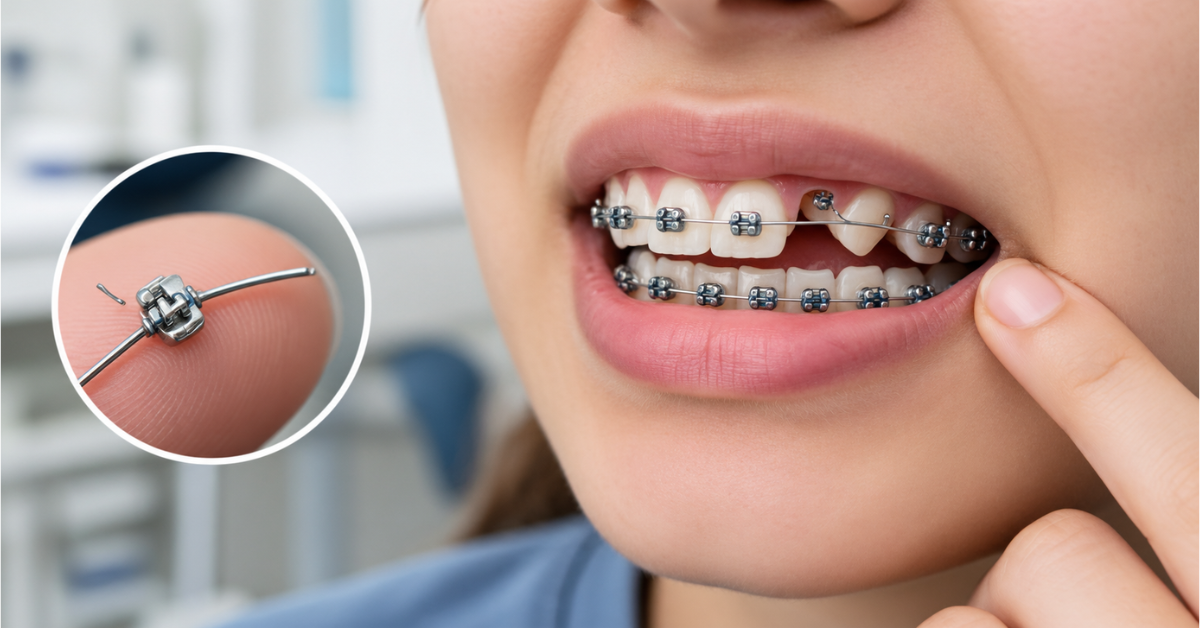
- Dental wax. If a wire or bracket is poking your cheek, press a little wax over it. It also covers a sharp, broken tooth edge.
- Never use super glue. It's toxic and it makes the dentist's job harder.
For Pain
- An over-the-counter pain reliever. Ibuprofen or acetaminophen is the usual choice. Follow the label. Check with a doctor if you have health conditions or take other medicine.
- Oral numbing gel. It can take the edge off a sore spot. Read the label, and don't use it on young children without checking with a doctor first.
- Salt. Half a teaspoon in a cup of warm water makes a good rinse. It cleans the area and soothes it.
- Don't put aspirin on your gums. It can burn the tissue. Swallow it only if the label says so, and only if it's safe for you.
How Do I Stop a Toothache Fast at Home?
For Cleaning and Seeing
- Dental floss. Food stuck between teeth causes a lot of pain. Gentle flossing often fixes it.
- Cotton swabs and cotton balls. Good for dabbing a sore spot or applying gel.
- A small flashlight. It's hard to see inside a mouth at night. A tiny penlight helps a lot.
For Getting Help
- Your dentist's phone number. Write it on a card. Add an after-hours line, if they have one.
- An emergency dentist number. Your regular dentist may be closed. Keep a backup. 247 Local Dentist can help you find an emergency dentist near you.
- Your insurance card or details. You won't want to dig for them in a panic.
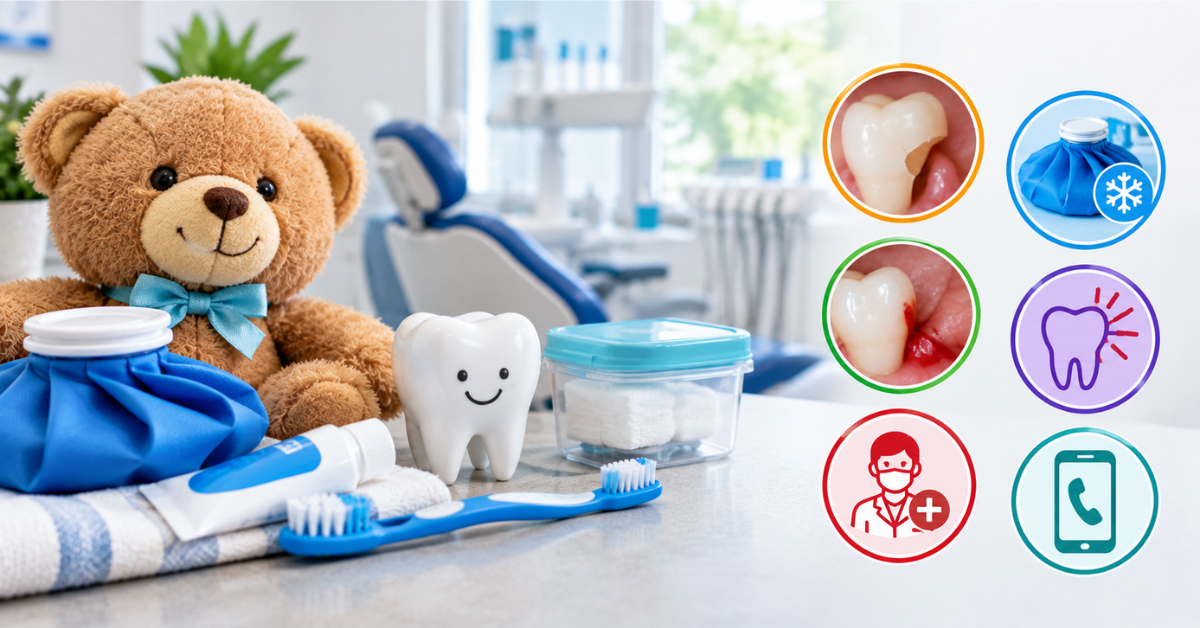
Dental Emergency Kit for Kids
Kids bump their mouths a lot. If you have children, add a few things.
- A tooth container, in case of a knocked-out tooth
- Child-safe pain relief, with the dose from your doctor or the label
- A cold pack that's small enough for a little cheek
- A spare soft toothbrush
- A comfort item, like a small toy or sticker
One rule worth remembering: don't put a baby tooth back in the socket. It can harm the adult tooth underneath. Call the dentist and let them guide you.
Dental Emergency Kit for Travel
Dental trouble loves a vacation. A travel version can be tiny.
Pack gauze, dental wax, temporary cement, a pain reliever, floss, and your dentist's number. Add your insurance card. Slip it all into a small zip bag.
If you're going abroad, look up an emergency dentist at your destination before you leave.
Where to Keep Your Dental Emergency Kit
Pick a spot that's easy to reach and easy to remember. A bathroom cabinet or a kitchen drawer works. Keep it out of reach of small kids.
Use a clear box or a bag with a zip. Label it "Dental Emergency" in big letters. Tell everyone in your home where it is.
Avoid places with heat or damp, like a car glove box in summer. Heat can ruin gels and cement.
How Often to Check Your Kit
Set a reminder twice a year. A simple way: check it when you change your clocks.
Look for:
- Expired pain relievers and gels
- Dried-out cement
- Used or missing items
- Old phone numbers
Replace anything you've used right away. A half-empty kit is a trap.
What to Do When Your Kit Isn't Enough
A kit helps with the first steps. It doesn't fix the cause. Call a dentist the same day if you have:
- A knocked-out tooth
- A cracked or broken tooth
- A lost crown or filling with pain
- A toothache that keeps getting worse
- Swelling in your gum or face
- Bleeding that doesn't stop
Go to the ER or call 911 if you have trouble breathing or swallowing, swelling that spreads to the neck, or heavy bleeding after a serious injury.
A Small Box Can Save a Tooth
You can build this kit in one afternoon. It costs little, takes up almost no space, and can make a stressful moment easier.
Gather the items today. Put the box where you'll find it. Then, if the day comes, you'll know exactly what to do first. And when you need a dentist fast,
247 Local Dentist can help you find one near you.