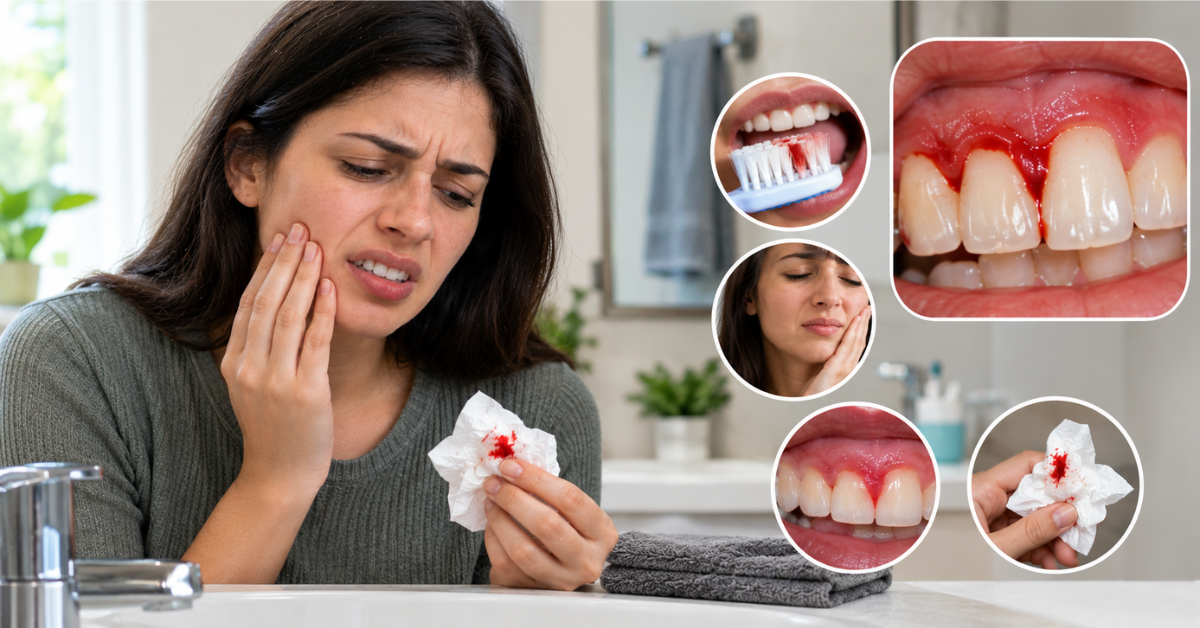
You're in pain right now, not next Tuesday. So the real question isn't whether a dentist can eventually see you — it's how fast, and what determines that.
The Short Answer
For genuine dental emergencies — a knocked-out tooth, severe swelling, uncontrolled bleeding, or pain that's unmanageable — many dental offices will make room the same day, often within a few hours. Emergency-focused practices and 24/7 referral lines exist specifically for this, connecting you to a dentist near you who has same-day availability, sometimes even after hours or on weekends. It's rarely "impossible" to be seen quickly; the bigger variable is which office and how you approach it.
What Actually Determines How Fast You Get In
A few things move the needle more than people expect:
How you describe it when you call. Front desk staff are usually trained to triage by phone. "I have a toothache" gets you the next open slot, possibly days out. "I have swelling that's spreading and I can't fully open my mouth" gets you fit in today, because that description changes how urgent it sounds — and it should, because it is. Be specific and be honest about pain level, swelling, fever, and how long it's been going on.
Whether you're an existing patient or not. Established patients sometimes get priority for same-day slots, but plenty of practices, and virtually all dedicated emergency dental services, take new patients specifically for urgent situations. Don't assume you'll be turned away just because you haven't been there before.
The time of day and day of the week. Calling first thing in the morning gives an office the whole day to work you in. Late Friday afternoon or a holiday weekend narrows your options considerably — this is exactly when 24/7 emergency dental lines become the most useful, since they can route you to a provider that's actually open when your regular dentist isn't.
What the problem actually is. Not everything needs to be same-day. A lost filling with no pain can usually wait a day or two. A knocked-out tooth needs attention within the hour if there's any hope of saving it. Matching your urgency to the right level of speed helps you get seen faster for what genuinely can't wait, and saves you an unnecessary emergency-rate visit for something that could've been a normal appointment.
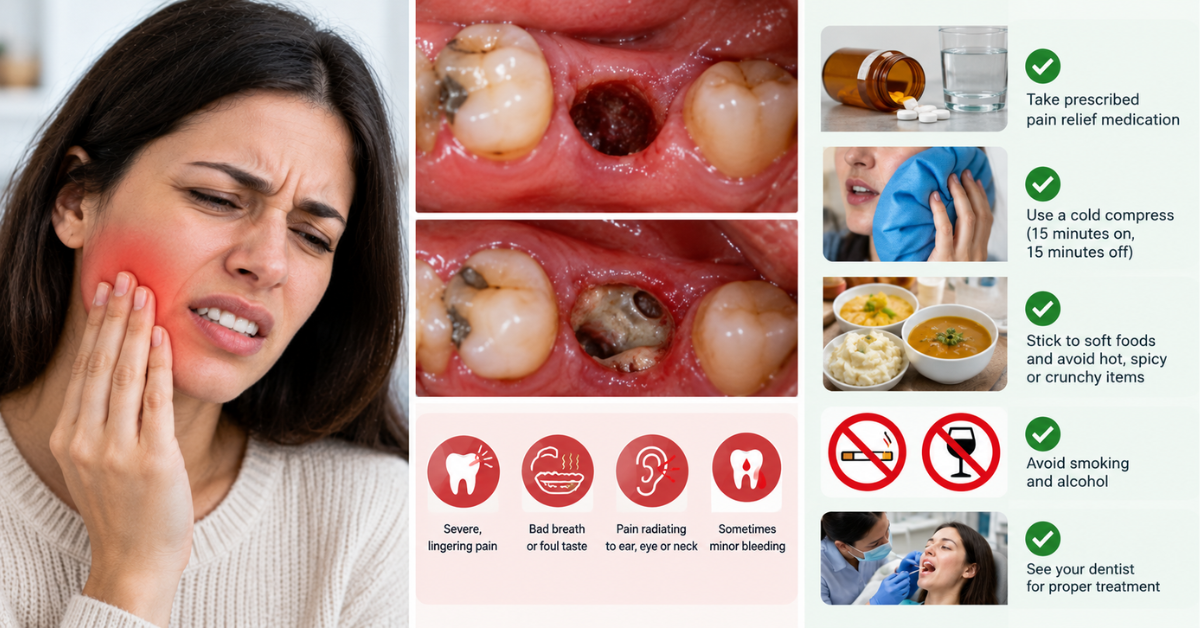
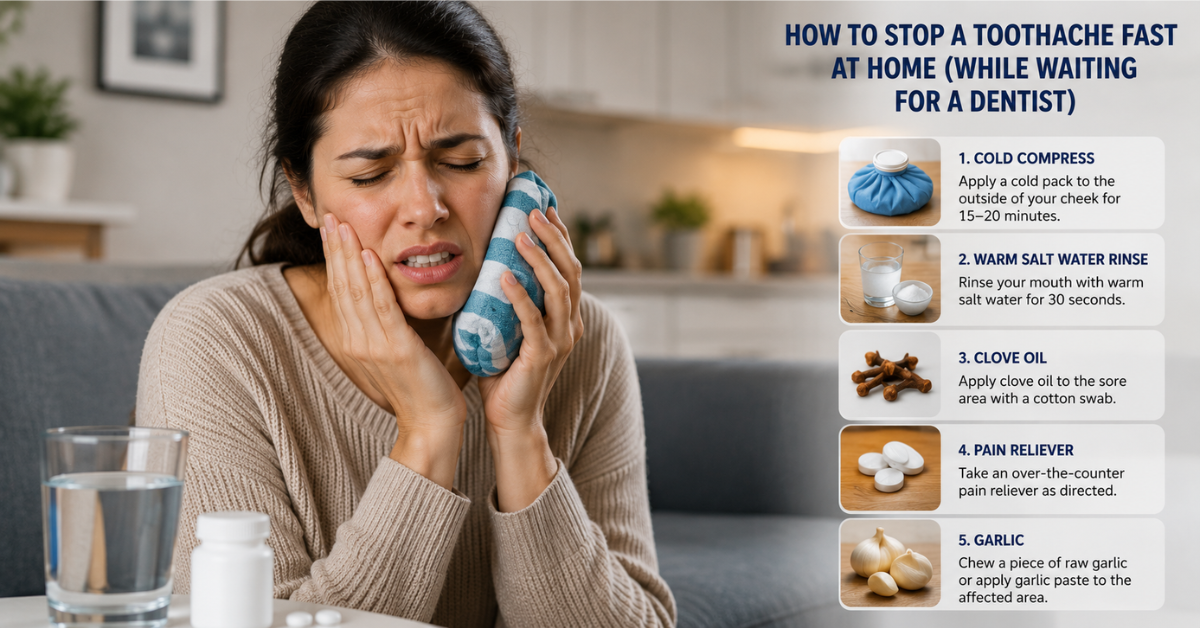
How Do I Stop a Toothache Fast at Home (While Waiting for a Dentist)?
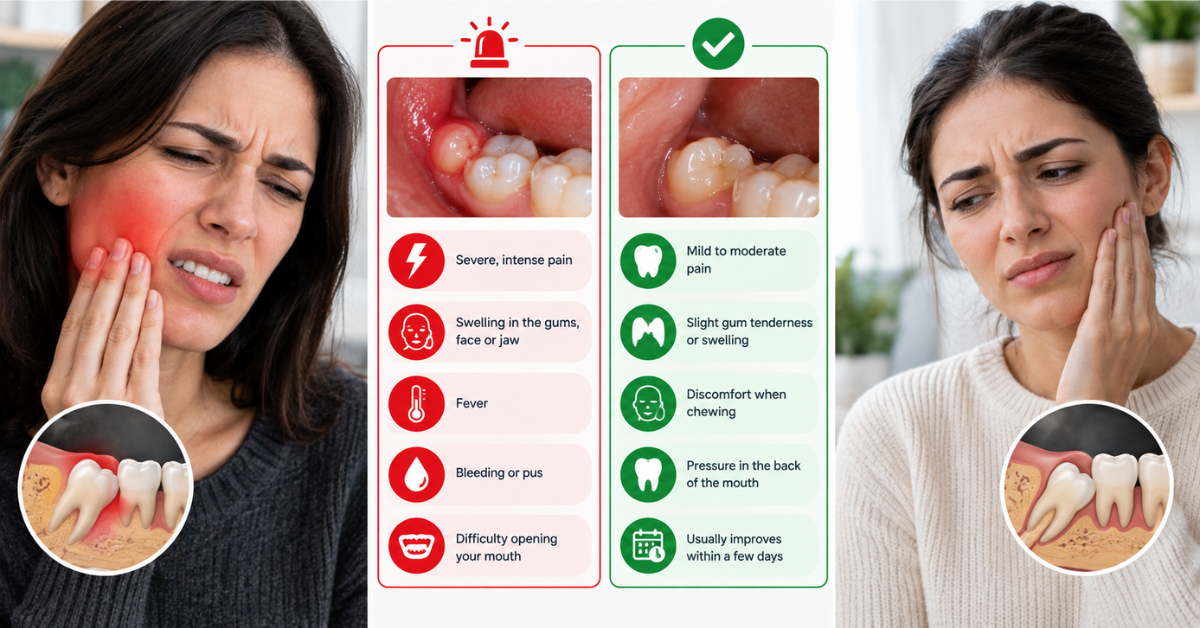
Situations That Typically Get Same-Day Priority
- Severe, unrelenting tooth pain
- A knocked-out or partially dislodged tooth
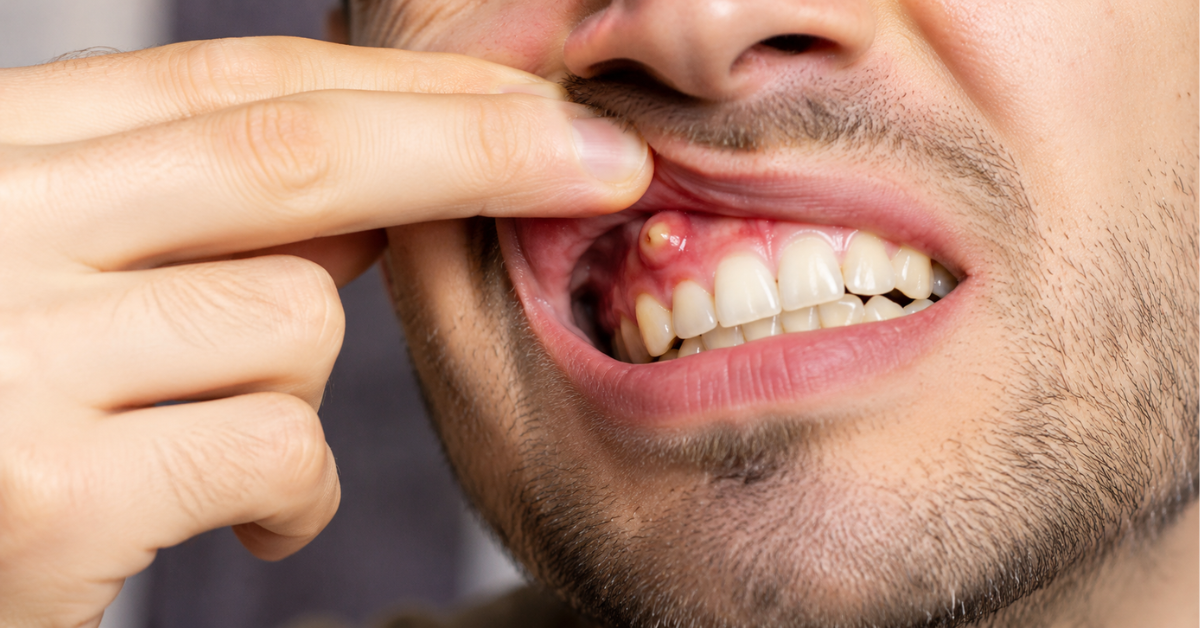
- Facial or jaw swelling
- Uncontrolled bleeding
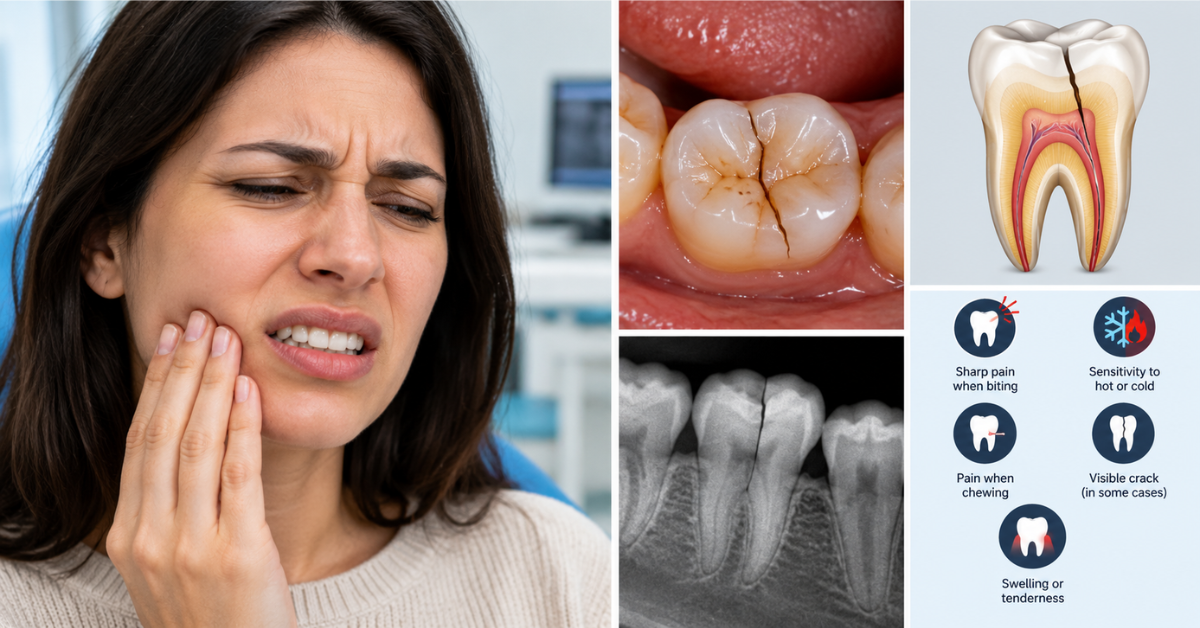
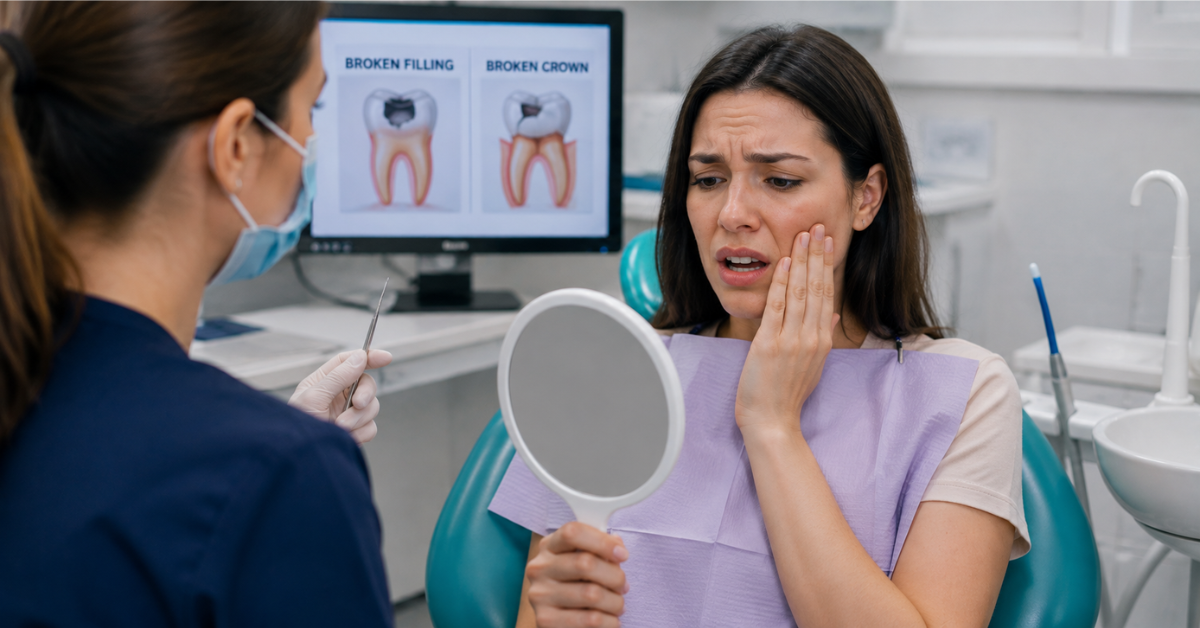
- A broken tooth with exposed nerve (sharp, constant pain when air hits it)
- Signs of a spreading infection — fever, swelling, difficulty swallowing
Situations That Usually Don't Require Same-Day Care
- Mild, occasional sensitivity
- A chipped tooth with no pain
- A lost filling or crown that isn't causing discomfort (though it still shouldn't wait too long)
- General cleanings or checkups
If Your Regular Dentist Can't Fit You in Today
This is the scenario 24/7 emergency dental services are built around. Rather than spending an hour calling around, a live operator can match you with a local dentist who has same-day availability, including outside normal business hours. It skips the back-and-forth of finding out an office is booked, then calling the next one, then the next — which, when you're in real pain, is the last thing you want to be doing.
What to Have Ready When You Call
- A quick description of the pain (constant vs. comes and goes, sharp vs. dull)
- When it started and whether it's getting worse
- Any swelling, fever, or bleeding
- Whether a tooth is loose, broken, or came out entirely
- Any medications or allergies, in case treatment is needed on the spot
The Bottom Line
Same-day dental care is more available than most people assume, especially for anything that qualifies as an actual emergency. The fastest path is usually a direct call — describing the situation clearly — to either your regular dentist's office or a 24/7 dental referral line if it's after hours, rather than waiting to see if the pain calms down on its own.