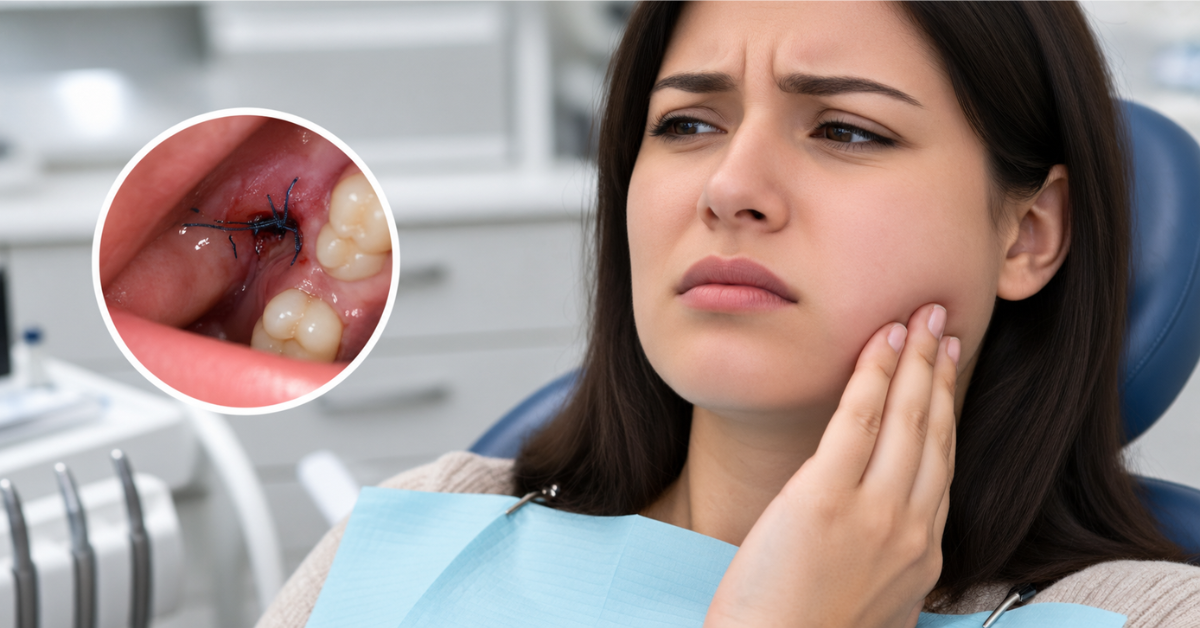
A tooth infection that stays contained to a single tooth is manageable. One that starts moving into your face or jaw is a different situation entirely, and recognizing the shift early can genuinely make the difference between a straightforward dental procedure and a hospital stay. Here's how to tell the difference between ordinary tooth pain and an infection that's on the move, and what to do the moment you notice it.
How a Tooth Infection Starts to Spread
A dental infection almost always begins inside the tooth itself, in the pulp, the soft inner tissue containing nerves and blood vessels. When bacteria reach that space, usually through decay, a crack, or trauma, they multiply and create a pocket of infection at the root. Left untreated, that infection doesn't stay put. It works outward through the root tip into the surrounding jawbone, and from there, into the soft tissues of the face and neck. Once it's outside the tooth, it's no longer just a dental problem.
Jaw Pain That Radiates Beyond the Tooth
One of the earliest signs the infection is moving is pain that no longer feels isolated to one tooth. Instead, it starts radiating into the jaw, along the jawline, or even up toward the ear on the same side. If your toothache has started feeling less like "one specific tooth hurts" and more like a broader ache across your jaw, that's worth paying attention to.
Facial Swelling
This is one of the clearest and most recognizable signs of a spreading infection. Swelling that starts near the tooth and gradually extends to the cheek, jaw, or under the eye means the infection has moved into the surrounding soft tissue. Facial swelling is often accompanied by redness or warmth over the affected area, and it tends to get worse, not better, without treatment.
Swelling that's spreading quickly, especially toward the eye, neck, or floor of the mouth, should be treated as urgent.
Swelling Under the Jaw or in the Neck
If swelling isn't limited to your cheek but has moved down along the jawline or into your neck, that's a sign the infection has spread further than the immediate area around the tooth. Swollen, tender lymph nodes in the neck, your body's response to fighting the infection, often accompany this and are another sign the infection is actively progressing.
Difficulty Opening Your Mouth or Swallowing
As inflammation and swelling extend into the jaw muscles, you may notice it becoming harder to open your mouth fully, a symptom called trismus, or discomfort when swallowing. This is a meaningful escalation. It suggests the infection has reached tissue and muscle beyond the tooth itself, and it's one of the signs that should prompt same-day care rather than waiting.
Fever and Feeling Generally Unwell
A localized tooth infection doesn't typically cause a fever. Once you notice a temperature at or above 100.4°F, chills, fatigue, or a general sense of feeling unwell alongside your dental symptoms, that's your body signaling a broader immune response, which points toward the infection having spread beyond the tooth itself.
Redness and Warmth Over the Skin
Look for red or noticeably warm skin over the cheek, jaw, or neck near the infected tooth. This combination of redness, warmth, and swelling is often a sign of cellulitis, a bacterial infection of the soft tissue that can develop when a dental infection spreads and, in more serious cases, may require hospitalization for IV antibiotics.
Pain That Doesn't Respond to Painkillers Anymore
Ordinary tooth pain often responds, at least partially, to over-the-counter pain relievers. Pain that continues to intensify despite taking the maximum recommended dose is a sign the underlying infection has progressed past what home management can handle, and it warrants prompt evaluation rather than trying a stronger dose or a different medication.
A Persistent Bad Taste or Odor
A bad taste or smell that doesn't go away, even after brushing, can indicate that the infection is actively draining, either through a small opening near the tooth or into the surrounding tissue. This is a sign the infection is active and progressing, not resolving on its own.
When It Becomes a Medical Emergency, Not Just a Dental One
Certain symptoms mean the infection may be moving toward the airway or the bloodstream, and they should never wait for a regular dental appointment:
- Difficulty breathing or swallowing
- Swelling that's spreading rapidly, especially toward the eye, neck, or under the tongue
- A high fever (100.4°F or above)
- Confusion, a rapid pulse, or dehydration — possible signs the infection has entered the bloodstream
If you notice any of these, go to the nearest emergency room immediately, not a dental office. Emergency rooms can stabilize the infection with IV antibiotics and manage pain, but they generally can't treat the source of the problem, so plan on following up with a dentist once you're stable for the definitive treatment, whether that's drainage, a root canal, or extraction.
Why Early Evaluation Matters So Much Here
Most dental infections, when caught early, resolve without complications through fairly straightforward treatment. The risk grows specifically when an infection is left untreated long enough to spread beyond the tooth, since at that point you're no longer dealing with a routine procedure. Catching the signs above early, jaw pain that's spreading, facial swelling, fever, isn't about self-diagnosing exactly what's happening inside your mouth. It's about knowing when "this can probably wait for my regular dentist" has turned into "this needs to be looked at today."
Don't Wait to See If It Gets Worse
If you're noticing any combination of facial swelling, jaw pain that's spreading, fever, or difficulty opening your mouth or swallowing, don't wait for your regular dentist's office hours. This is exactly the kind of situation emergency dental care exists for.
Think your tooth infection might be spreading? Find a 24/7 emergency dentist near you and get connected with same-day care before it has a chance to progress further.
FAQs
Q: How quickly can a tooth infection spread to the face or jaw?
A:
There's no fixed timeline; it can happen within a couple of days in some cases, while other infections progress more slowly over weeks. Because it's unpredictable, any sign of spreading symptoms should be evaluated promptly rather than monitored.
Q: Is facial swelling from a tooth infection always an emergency?
A: Not always urgent to the level of an ER visit, but it should always be evaluated promptly by a dentist. If the swelling is spreading rapidly, paired with fever, or affecting your ability to breathe or swallow, treat it as a medical emergency.
Q: Can a tooth infection cause jaw pain without any swelling?
A: Yes. Jaw pain or tenderness can appear before visible swelling develops, and it's often one of the earliest signs the infection is starting to move beyond the tooth.
Q: Should I go to my dentist or the emergency room?
A: For facial swelling, jaw pain, or fever without breathing or swallowing difficulty, an emergency dentist can typically treat the source of the infection directly. If you're having trouble breathing or swallowing, or the swelling is spreading rapidly, go to the emergency room first.
Q: Can antibiotics alone fix a spreading tooth infection?
A: Antibiotics can help control the infection, but they don't address the underlying cause inside the tooth. Definitive treatment, like a root canal, drainage, or extraction, is still needed to fully resolve it.