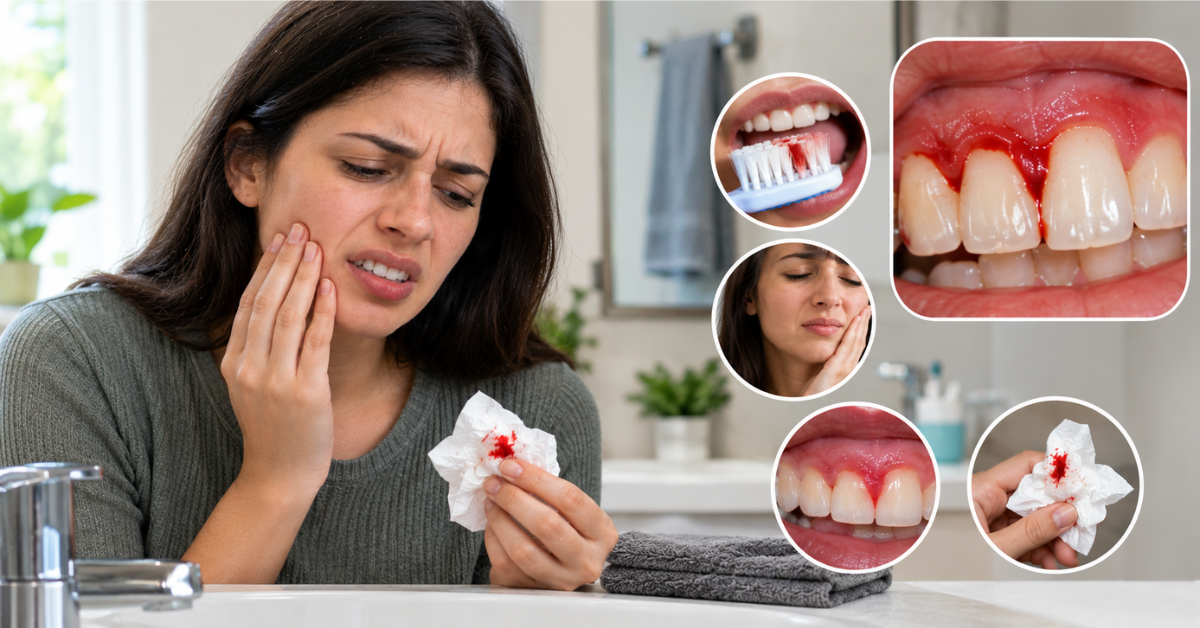
Getting a tooth pulled is a very common procedure. Most of the time it goes smoothly and you go home expecting to feel better in a day or two. But then you wake up the next morning and your cheek looks puffy and feels sore. For a lot of people that comes as a real surprise especially if the extraction felt quick and easy at the time.
Here is the thing though. Some swelling after a tooth extraction is completely normal. It is actually a sign that your body is doing its job. When a tooth is removed your body sends blood flow and healing cells to that area straight away. That process causes swelling and it is nothing to worry about in most cases.
But swelling can also be a sign that something is not right. The tricky part is knowing the difference between normal healing swelling and swelling that means you need to call your dentist. Not all swelling looks the same and not all swelling feels the same either.
That is exactly what this guide is here for. We will walk you through what normal swelling looks like after an extraction, how long it should last, what warning signs to watch out for and when it is time to pick up the phone and get some help. By the end you will know exactly what to expect and when to act.
Day by Day: What's Typical
Day 1: Some swelling, often mild, sometimes barely noticeable depending on how complex the extraction was. Simple extractions (a single tooth, no impaction) tend to cause less swelling than surgical extractions like impacted wisdom teeth.
Day 2–3: This is usually the peak. Swelling that seems to be increasing during this window, even if it looks alarming, is generally still within the range of normal healing — the body's inflammatory response typically crests around 48–72 hours before starting to improve.
Day 4 and beyond: Swelling should be visibly reducing by now. This is the turning point that matters most — normal post-op swelling gets better after day 3, it doesn't keep climbing.
If your swelling is following that arc — building for a couple of days, then clearly easing off — that's your body healing as expected, even if your face doesn't feel like it right now.
Where It Becomes a Different Story
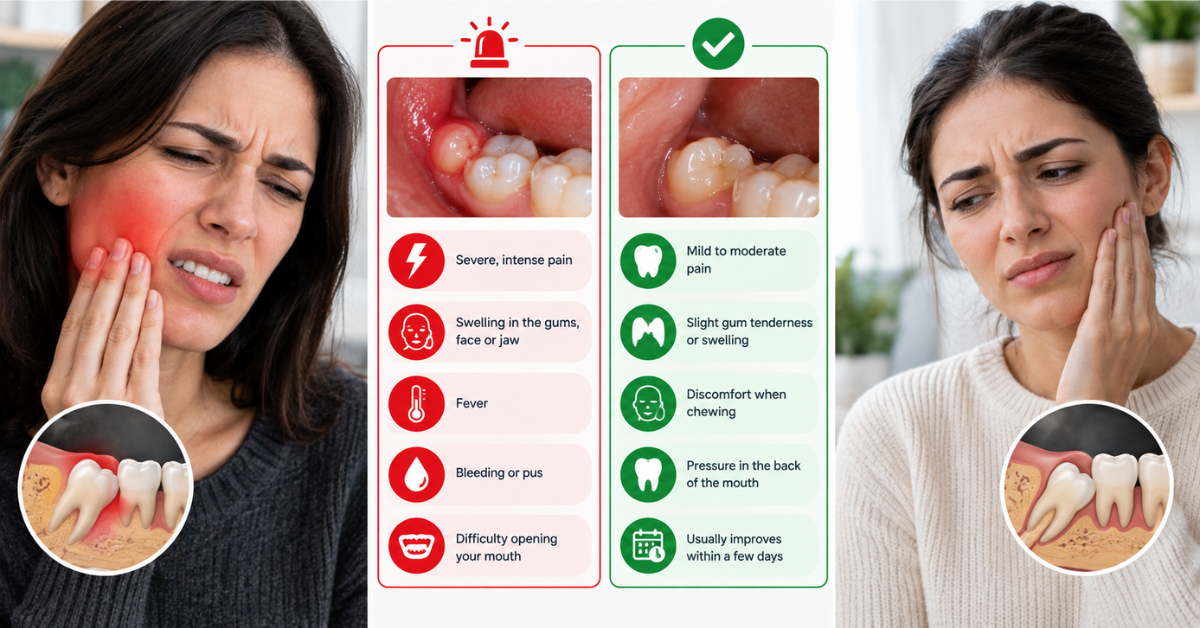
The pattern to watch for isn't "how much" swelling, it's "which direction" it's heading. Swelling that keeps getting worse past day 3 or 4, instead of improving, is the clearest signal that something other than normal healing is going on — usually an infection.
Other signs that point toward infection rather than normal post-op swelling:
- Swelling paired with a fever
- Increasing pain rather than gradually improving pain
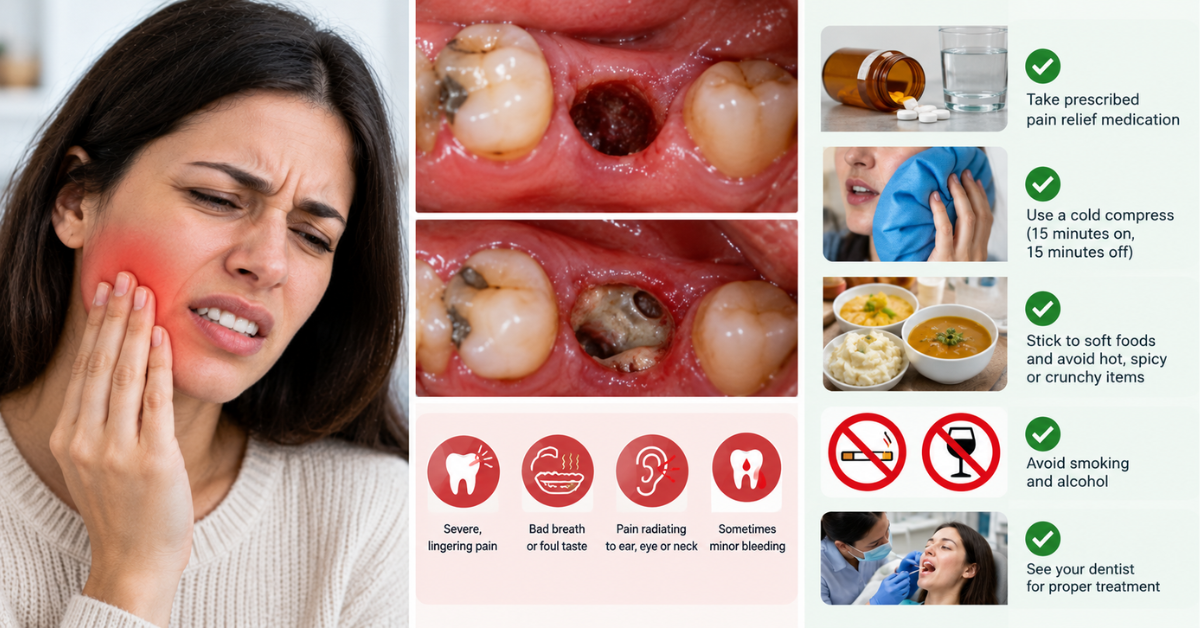
- A bad taste or foul odor from the extraction site
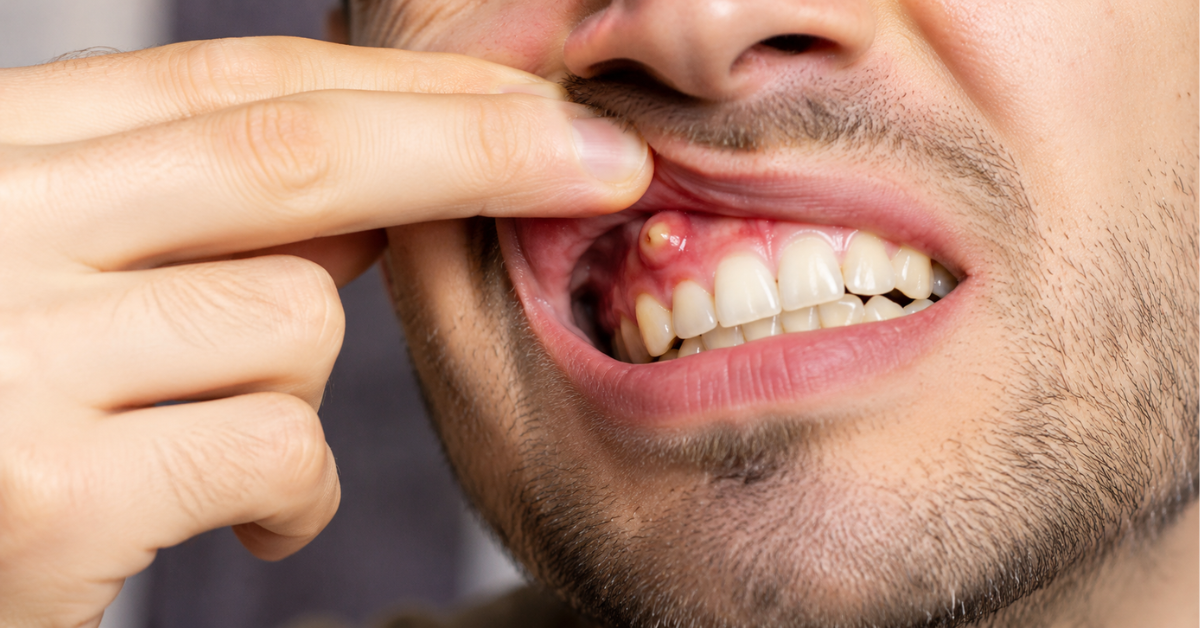
- Pus or discharge
- Swelling that's warm and firm to the touch, or accompanied by redness spreading outward
- Difficulty opening your mouth fully
- Swelling that starts to affect your ability to swallow
Any one of these — especially fever combined with worsening swelling — is a reason to call your dentist or oral surgeon promptly rather than waiting to see if it resolves.
The Genuinely Urgent Version
Go to an emergency room, don't wait for a dental office to open, if you experience:
- Swelling that's spreading rapidly, especially toward your eye or down your neck
- Difficulty breathing or swallowing
- A high fever with chills
- A feeling of tightness in your throat
These are signs an infection may be moving into deeper facial or neck spaces, which is uncommon but serious enough that speed matters more than anything else.
Why Swelling Happens at All
It's easy to assume swelling means something went wrong, but it's actually just inflammation — blood flow increasing to the area to bring in the cells needed for healing. More complex extractions, particularly surgical removal of impacted wisdom teeth, involve more tissue manipulation and predictably cause more swelling than a simple extraction of an already-loose or visible tooth.
Managing Normal Swelling at Home
- Ice for the first 24 hours — 15–20 minutes on, then off, applied to the outside of the cheek near the extraction site
- Switch to warmth after day 2 or 3 if swelling is still present but improving — moist heat can help it resolve faster at that stage
- Keep your head elevated, even while sleeping, since lying flat can make swelling worse
- Stay hydrated and eat soft foods, avoiding anything that requires a lot of chewing near the site
- Take anti-inflammatory medication as directed by your dentist, if approved for you
What Doesn't Help (and Can Hurt)
- Applying heat too early — within the first day, heat can actually increase swelling and bleeding rather than reduce it
- Vigorous rinsing or spitting, which can disturb the healing socket
- Poking at the area to "check" on it, which introduces bacteria and can slow healing
Bringing It Back to the Basics
Some swelling after an extraction isn't a red flag — it's part of the process, and it should follow a predictable rise-then-fall pattern over the first several days. What deserves a call is swelling that keeps building past day three or four, especially with fever, worsening pain, or a bad taste. And anything involving trouble breathing or swallowing is always a same-hour situation, not a wait-and-see one.