A ball hits your face. An elbow lands during a rebound. You trip on the sidewalk and your mouth meets the ground. In a second, the game stops, and you taste blood.
Sports dental injuries are very common. They happen to kids, teens, and adults. They happen in football and hockey, but also in basketball, soccer, cycling, and skateboarding. What you do in the first few minutes can decide whether a tooth is saved or lost.
This guide covers the most common sports injuries to the mouth. It tells you what to do right away. It also shows you how to prevent them.
Common Sports Dental Injuries
Here are the injuries dentists see most often after sports:
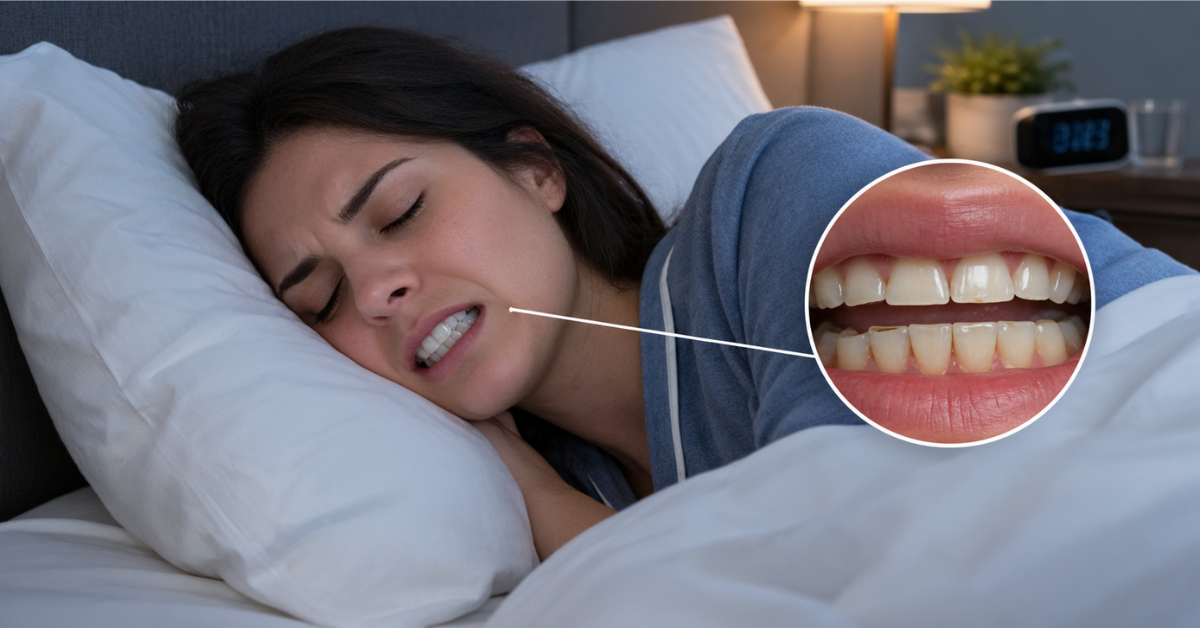
- Chipped tooth. A small piece breaks off the edge.
- Cracked or broken tooth. The break goes deeper and may reach the nerve.
- Knocked-out tooth. The whole tooth comes out of the socket.
- Loosened or pushed tooth. The tooth is still in place but sits at an odd angle.
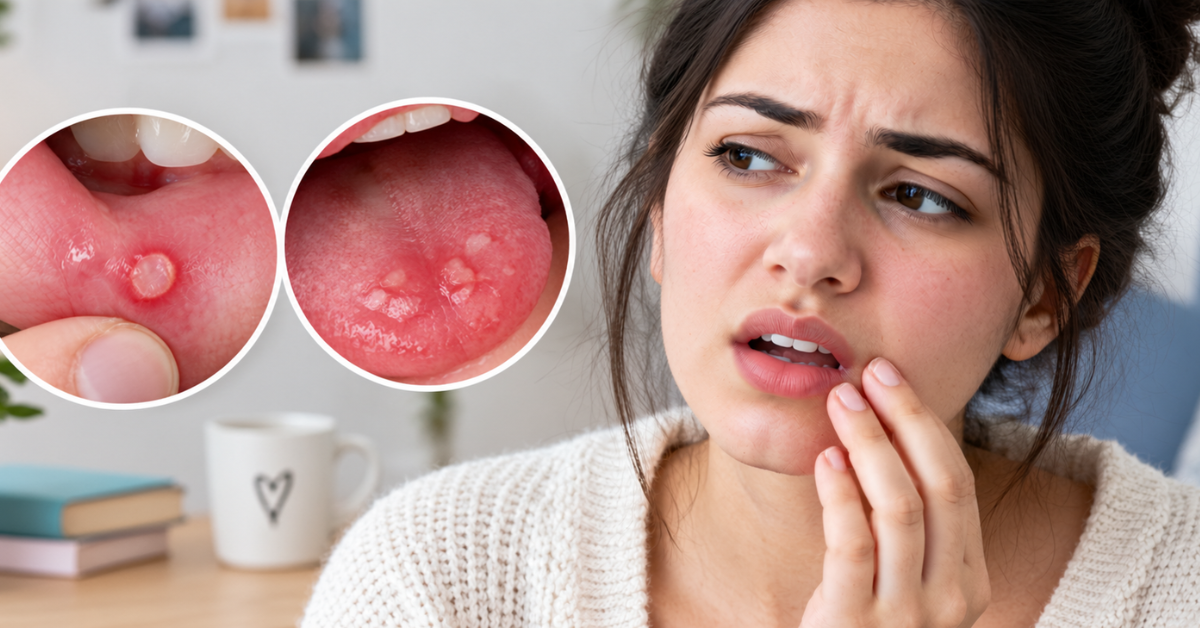
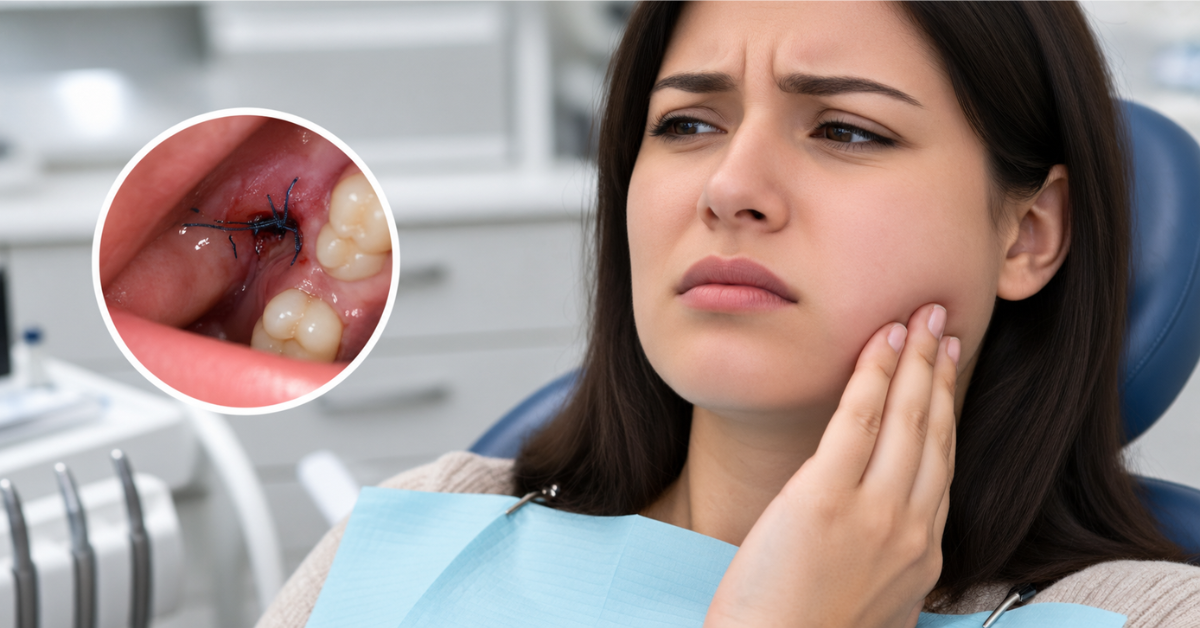
- Cut lip, tongue, or cheek. The teeth cut the soft tissue from the inside.
- Jaw injury. The jaw is bruised, dislocated, or broken.
Some of these look minor. Others do not. Any hard hit to the mouth is worth a check.
Which Sports Cause the Most Dental Injuries?
Contact sports lead the list. Think football, hockey, boxing, wrestling, and martial arts. But they are not the only ones.
Basketball is a big cause because of elbows and falls. Soccer brings head-to-head collisions. Baseball and softball bring bad hops and thrown balls. Cycling, skating, and skateboarding bring falls. Gymnastics and cheerleading bring awkward landings.
Even a friendly game in the backyard can end with a broken tooth. No sport is risk-free.
What to Do Right Away After a Sports Dental Injury
Stay calm. Stop play. Then follow the steps for the injury you see.
First, check for a head injury. A blow to the face can also cause a concussion. If the person is dizzy, confused, throwing up, or passed out, call 911 first. Teeth can wait.
Knocked-Out Tooth
This is the most urgent one. Time matters. A permanent tooth has the best chance if it's back in the socket within about an hour. Learn more on our page about a fully dislodged tooth.
- Find the tooth. Pick it up by the crown, the white part. Never touch the root.
- Rinse it gently with milk or clean water for a few seconds. Don't scrub it. Don't wrap it in tissue.
- Put it back in the socket if you can. Push it in gently and have the person bite down softly on gauze.
- If you can't, keep it moist. Place it in a cup of cold milk. Cold milk is a good choice. Plain water is a poor one for storing.
- Get to a dentist right away.
One exception: do not put a baby tooth back. It can harm the adult tooth underneath. Keep it, and call the dentist.
Loosened or Pushed Tooth
A tooth that moved but didn't fall out still needs care. Don't wiggle it. Don't try to force it back. Have the person bite down softly, then see a dentist the same day. Our page on a partially dislodged tooth explains more.
Chipped or Broken Tooth
- Rinse your mouth with warm water.
- Save any pieces. Keep them in milk or a damp cloth.
- Hold a cold pack on the cheek to cut swelling.
- Cover a sharp edge with dental wax or sugar-free gum.
A small chip can wait a day or so. A larger break, or one with sharp pain, should be seen fast. See our pages on a chipped tooth and a broken or fractured tooth.
Cut Lip, Tongue, or Cheek
Mouth cuts bleed a lot because the area has many blood vessels. That looks worse than it is.
- Rinse gently with clean water.
- Press clean gauze on the cut for 10 to 15 minutes.
- Use a cold pack to ease swelling.
Go to the ER if the cut is deep, gaping, goes through the lip, or crosses the edge of the lip. Also go if the bleeding doesn't slow after 15 minutes of firm pressure.
Jaw Injury
Signs of a jaw injury include pain when you open or close your mouth, a bite that feels "off," numbness in the lip or chin, swelling, and bruising. Support the jaw gently with a hand and go to the ER. Don't try to move it back yourself. Our page on jaw injuries has more.
When to Go to the ER Instead of the Dentist
Go to the ER, or call 911, if there is:
- Loss of consciousness, confusion, or repeated vomiting
- Trouble breathing
- Bleeding that won't stop
- A jaw that looks out of place or won't close
- A deep cut to the face
- Pieces of a tooth that may have been swallowed or breathed in
After the ER treats the emergency, a dentist can handle the teeth.
What Not to Do
- Don't scrub a knocked-out tooth. You'll damage the cells it needs to reattach.
- Don't store it in tap water. Use milk.
- Don't use super glue on a broken tooth.
- Don't put aspirin on the gum. It burns the tissue.
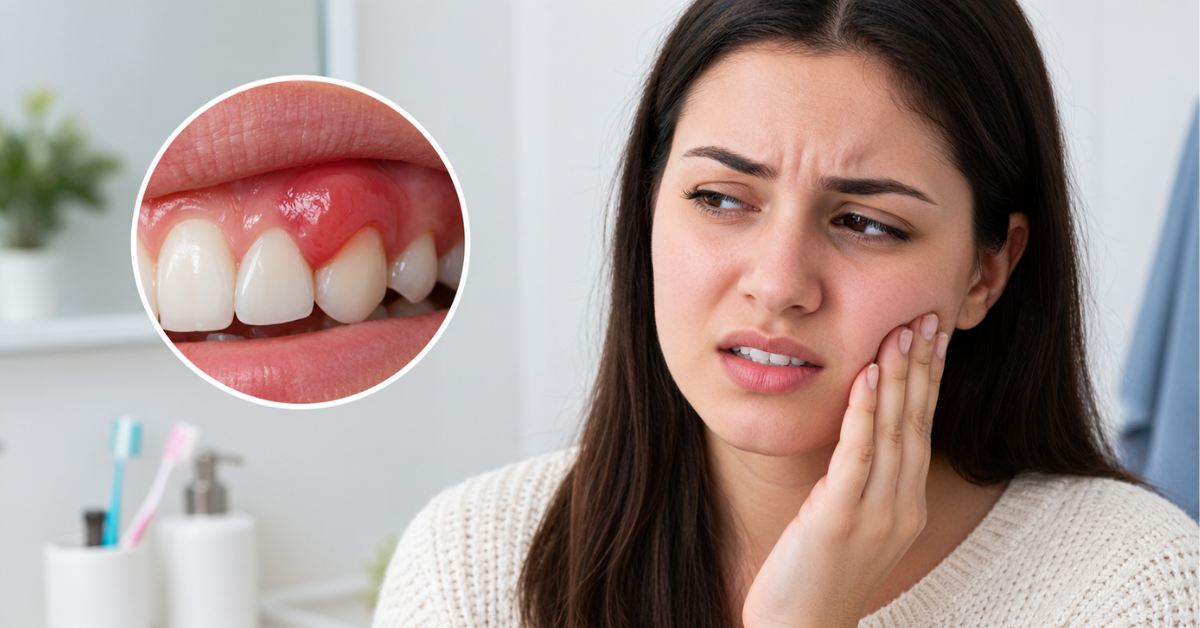
- Don't wait it out. Hidden damage can lead to infection later.
How to Prevent Sports Dental Injuries
The best fix is not needing one. These habits cut the risk a lot.
Wear a mouthguard. This is the single best step. A mouthguard absorbs the shock of a hit and protects the teeth, lips, and jaw. Wear one for contact sports. Also wear one for basketball, soccer, skating, and cycling.
There are three types:
- Stock mouthguards. Cheap and ready to wear. They fit loosely and can be bulky.
- Boil-and-bite mouthguards. You soften them in hot water and bite to shape them. They fit better.
- Custom mouthguards. Made by a dentist from an impression of your teeth. They fit best and feel the most comfortable.
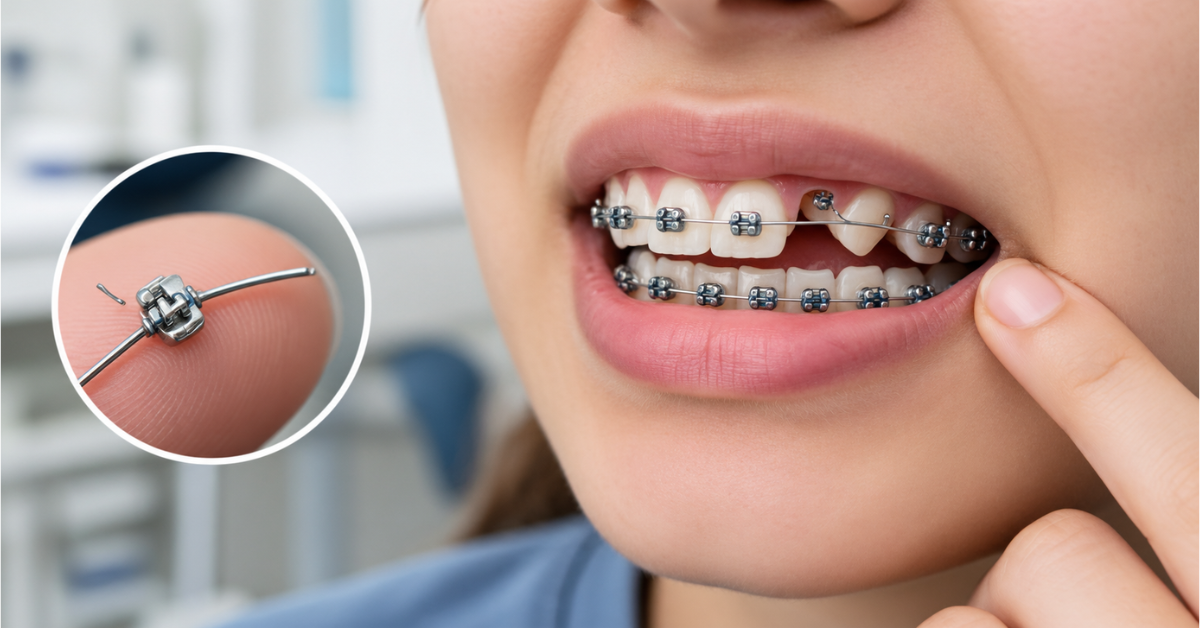
Wearing braces? Ask an orthodontist about a guard made for braces. A regular one may not fit.
Use the right gear. Helmets with face guards add protection in hockey, baseball, and cycling.
Don't use your teeth as tools. Skip biting tape, opening bottles, or tearing packages.
Mouthguard Care Tips
A mouthguard only works if it's in good shape.
- Rinse it before and after each use.
- Brush it with a soft brush and mild soap.
- Keep it in a ventilated case, not loose in a bag.
- Keep it away from heat. A hot car can warp it.
- Replace it if it's cracked, worn, or no longer fits. Kids may need a new one every season as their teeth change.
FAQ
Q: Can a knocked-out tooth be saved?
A:
Often, yes. The faster it's back in the socket, the better the chance. Aim for under an hour.
Q: Is a mouthguard really worth it?
A: Yes. A guard costs far less than repairing a broken tooth, and it can prevent lifelong problems.
Q: Should adults wear mouthguards too?
A: Yes. Adults break teeth in sports just like kids do.
Q: What if a tooth looks fine after a hit?
A: Still get it checked. Cracks and nerve damage can be hidden. The tooth may turn dark or start to hurt weeks later.
Need an Emergency Dentist After a Sports Injury?
Don't wait for the pain to get worse. Call 24/7 Local Dentist at (833) 220-2448, or tap here to be connected. Our live operators can help you find an emergency dentist near you, day or night.
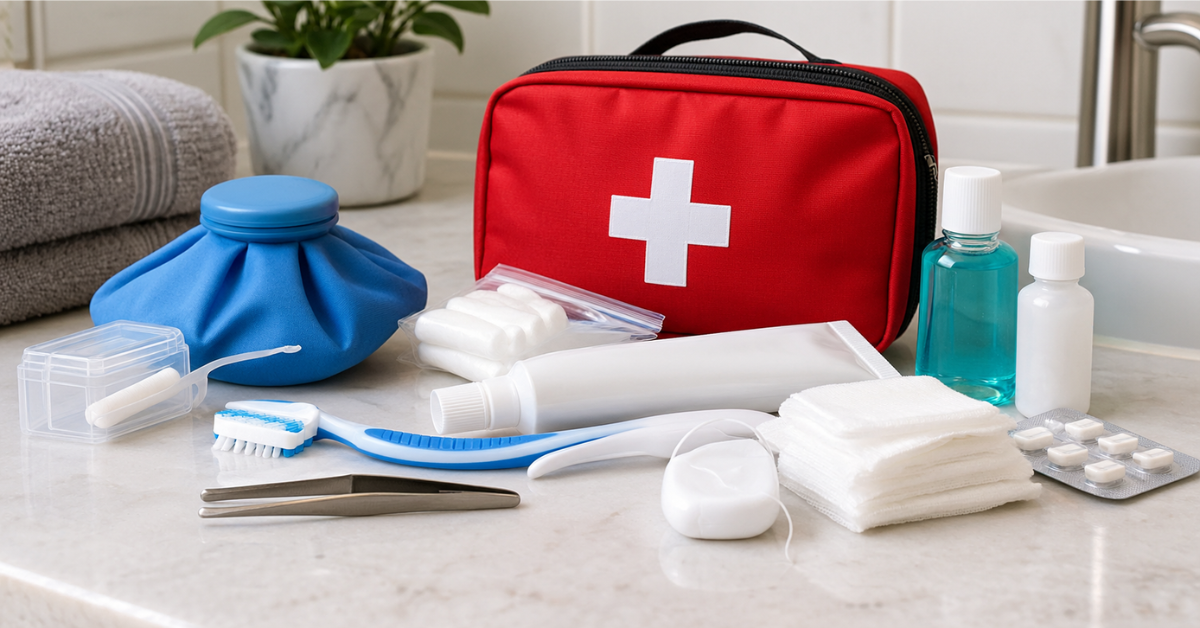
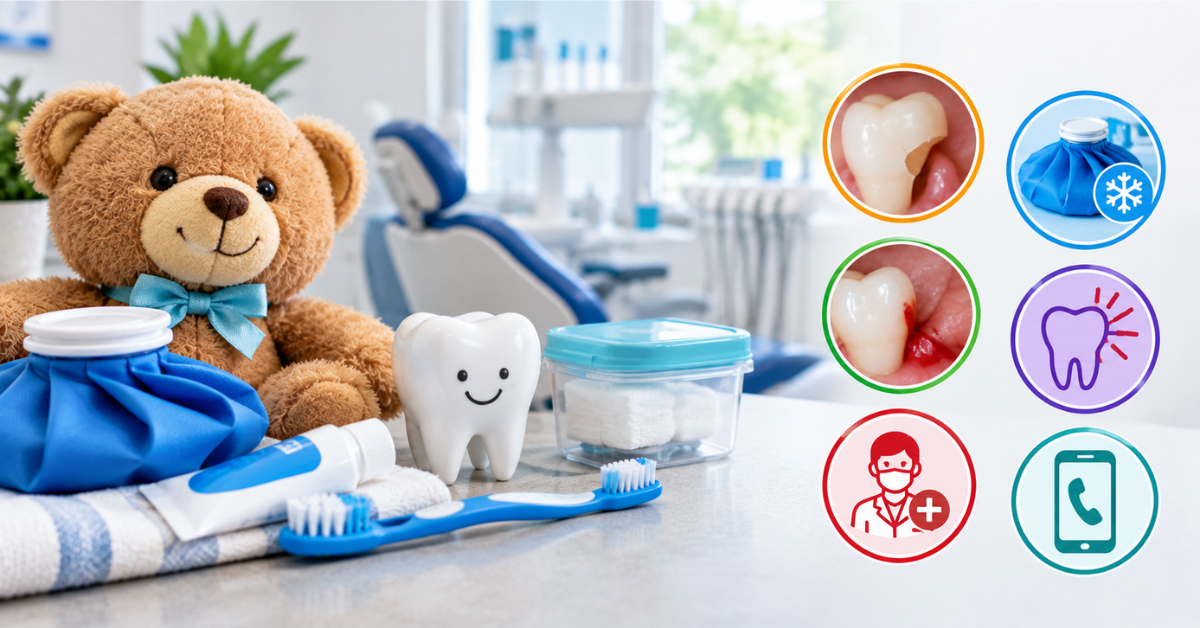
You can also keep a
dental emergency kit in your sports bag, so you're ready if a game goes wrong.