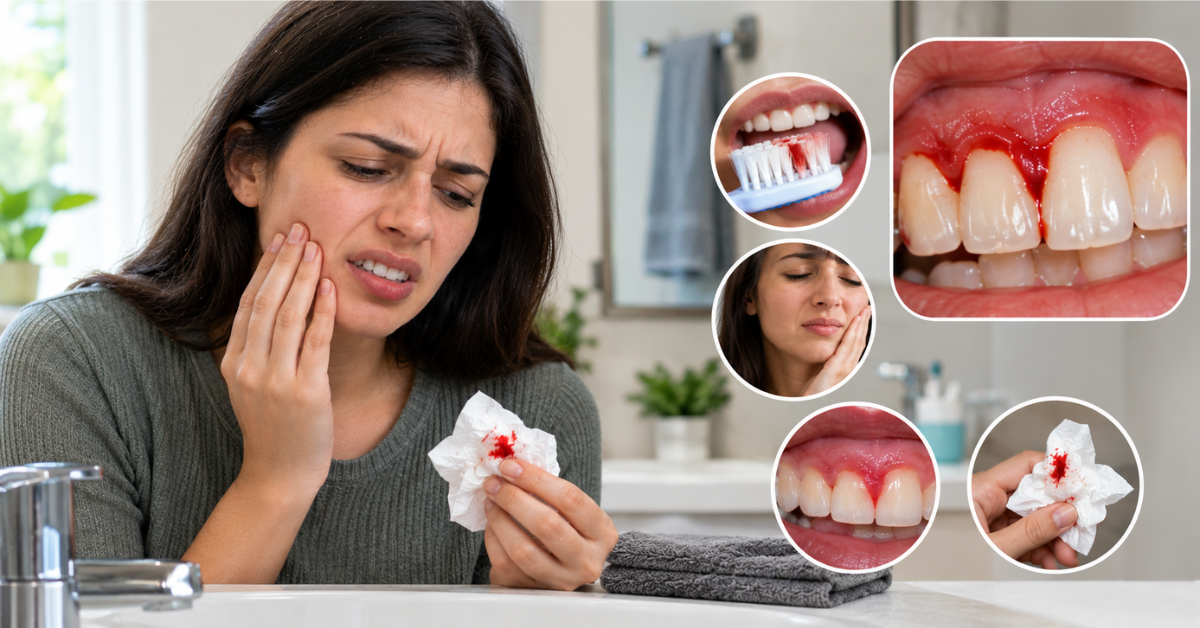
Kids fall off bikes, bite into things they shouldn't, and manage to hurt themselves in ways that somehow never occur to adults, a fall off the playground equipment, a collision with a sibling, an ambitious bite into something far too hard for baby teeth to handle. Most of the time these moments pass with a cry, a hug, and maybe an ice pack, forgotten by dinner. But when it happens to a tooth, something shifts. There's blood, or a gap where a tooth used to be, or your child holding their jaw and refusing to eat, and suddenly you're the one who needs to stay calm while your instincts are telling you to panic right along with them. It's a specific kind of stressful, partly because it looks alarming, and partly because most parents simply haven't been told what actually counts as urgent versus what can wait until morning.
The reassuring part is that a lot of dental emergencies in children are far more manageable than they feel in the moment, as long as you know what to do in the first few minutes, before you even have a dentist on the phone.
Start Here: Is Your Child in Serious Pain, Bleeding a Lot, or Having Trouble Breathing?
If yes, that changes everything — head to the ER or call 911 if there's any concern about breathing, swallowing, or a head injury alongside the dental one. For most dental-specific emergencies, though, you have a bit more time to think clearly and act.
Knocked-Out Baby Tooth
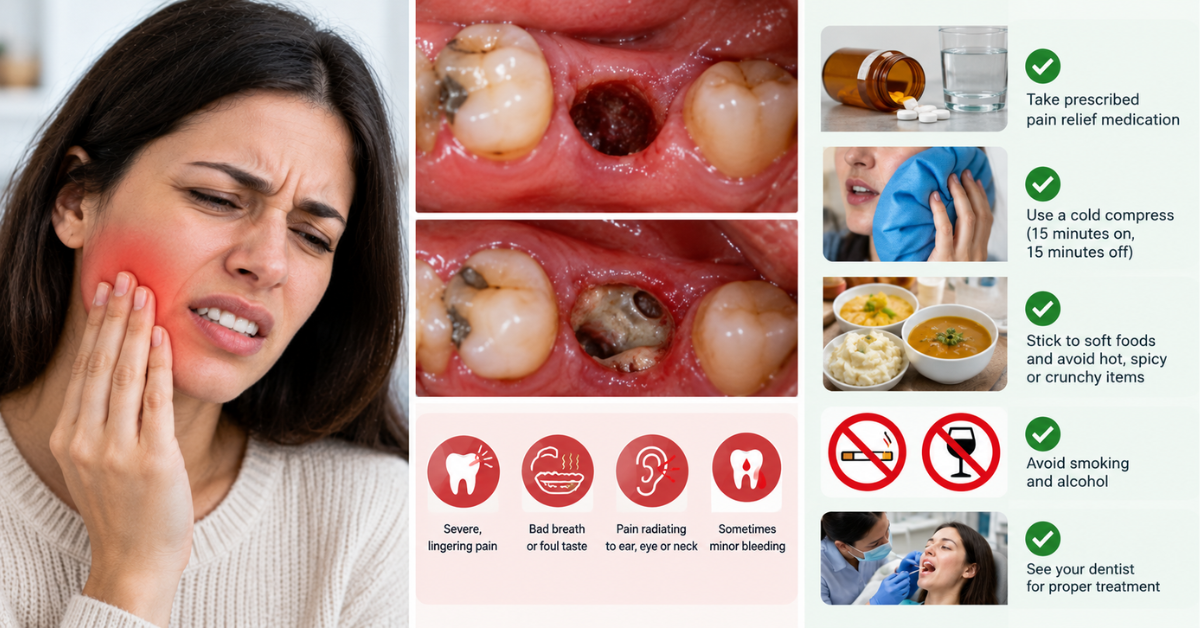
This one sounds scarier than it usually is. Unlike adult teeth, baby teeth are generally not re-implanted — putting a baby tooth back in the socket can actually damage the permanent tooth developing underneath it. What you need to do is control the bleeding (a clean cloth or gauze, gentle pressure, a few minutes usually does it) and get your child seen by a dentist to make sure the root didn't leave anything behind and that the permanent tooth bud wasn't affected.
What Do I Do If I Knock Out a Tooth? (Step-by-Step)
Knocked-Out Permanent Tooth
Here, speed genuinely matters. If you can find the tooth:
- Pick it up by the crown (the white part), never the root
- Rinse it briefly with water if it's dirty — no scrubbing, no soap
- Try to place it back in the socket if your child is old enough to hold it there without swallowing it
- If that's not possible, keep it in a cup of milk (or the child's own saliva) — not tap water, which can damage the root surface
- Get to a dentist within 30 minutes if at all possible
The tooth has the best chance of being saved the sooner it's back in place. Every extra 15–20 minutes outside the socket meaningfully lowers the odds.
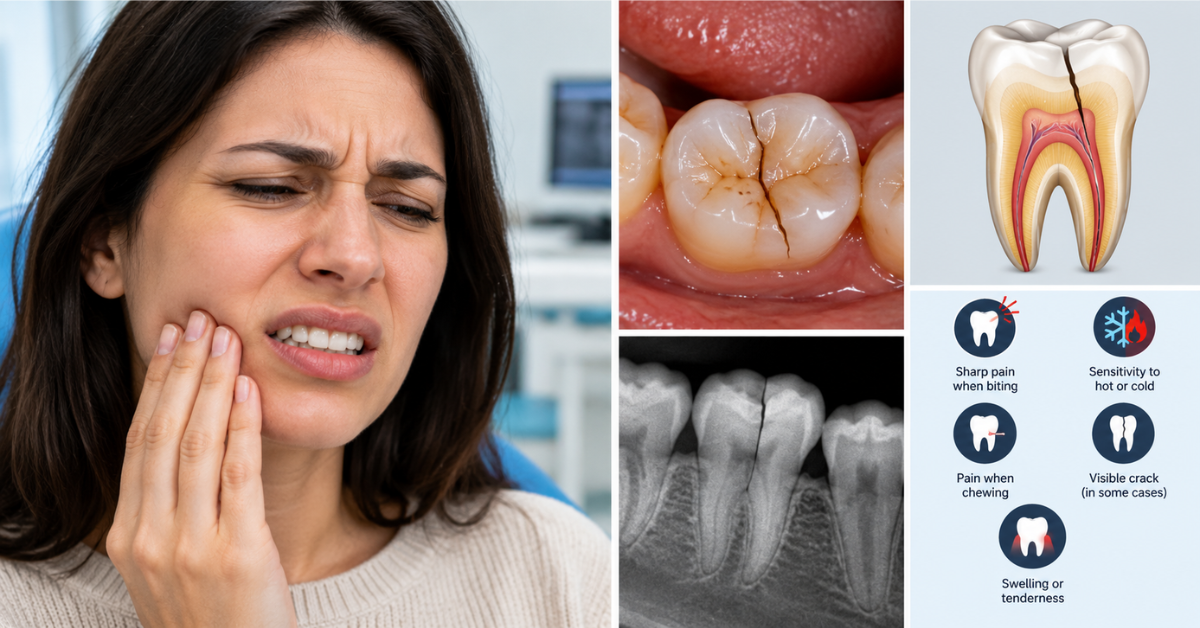
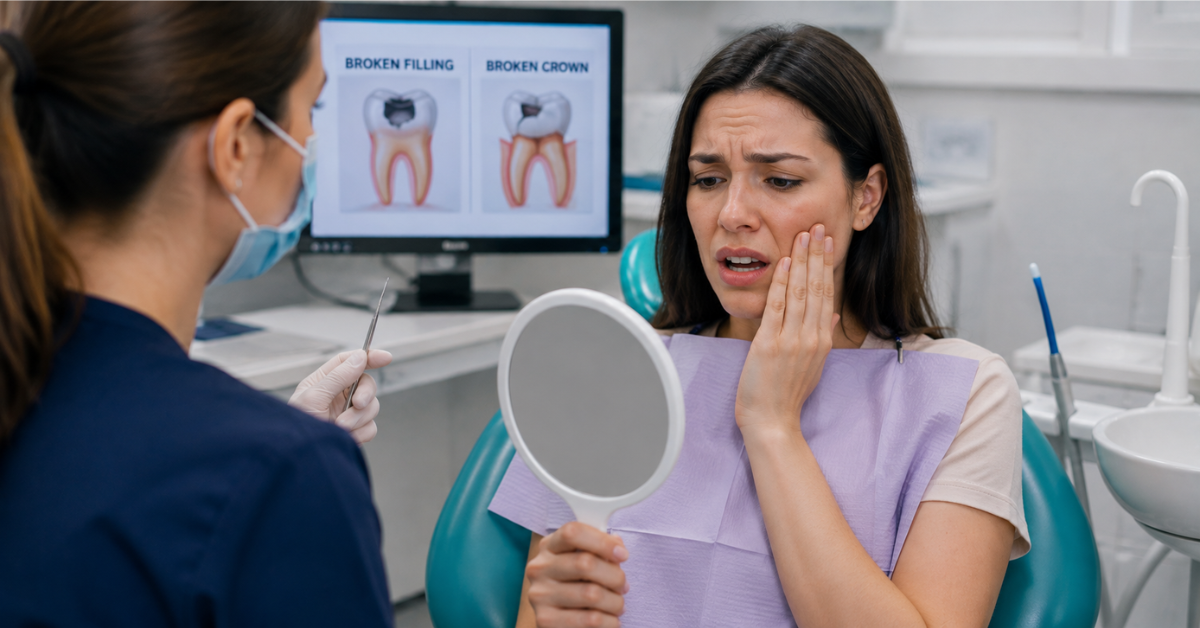
Chipped or Broken Tooth
Save any pieces you can find and bring them along. Rinse your child's mouth with warm water, apply a cold compress to reduce swelling if there's facial impact, and see a dentist — same day if there's pain or a visibly large piece missing, within a day or two if it's a small chip with no pain.
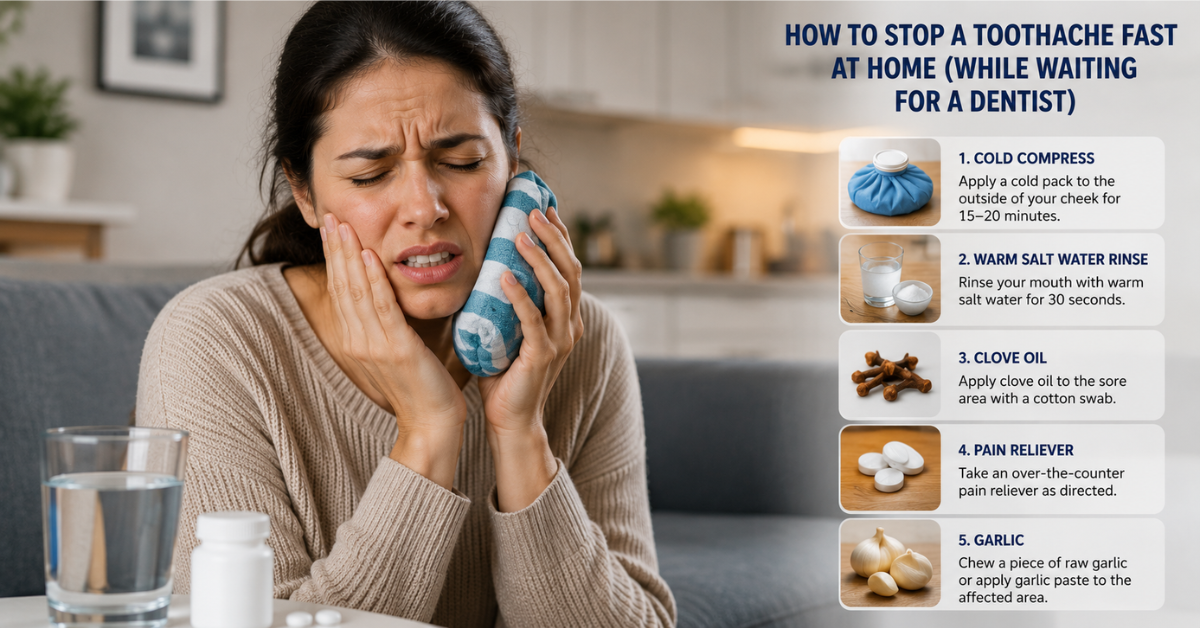
A Toothache That Won't Let Up
Rule out food stuck between teeth first — flossing gently sometimes solves the whole problem. If the pain persists, a cool compress and children's pain reliever (dosed appropriately for their age and weight) can help until you're seen. Persistent pain, especially with any swelling of the face or gum, needs a dentist visit rather than waiting it out.
Something Stuck in the Teeth or Gums
Try gentle flossing first. Avoid sharp objects like pins or toothpicks — kids move, and it's easy to cause an injury trying to dig something out. If it won't budge or there's bleeding that continues, it's worth a dental visit rather than repeated attempts at home.
Can a Chipped Tooth Wait Until Morning, or Is It an Emergency?
A Bitten Tongue, Lip, or Cheek
These bleed a lot for how minor they often are, which can be alarming. Clean the area gently, apply a cold compress, and use gentle pressure with clean gauze if there's active bleeding. Most heal fine on their own. See a doctor or dentist if the bleeding doesn't slow within 10–15 minutes, if the cut is deep or gaping, or if it was caused by a puncture-type injury.
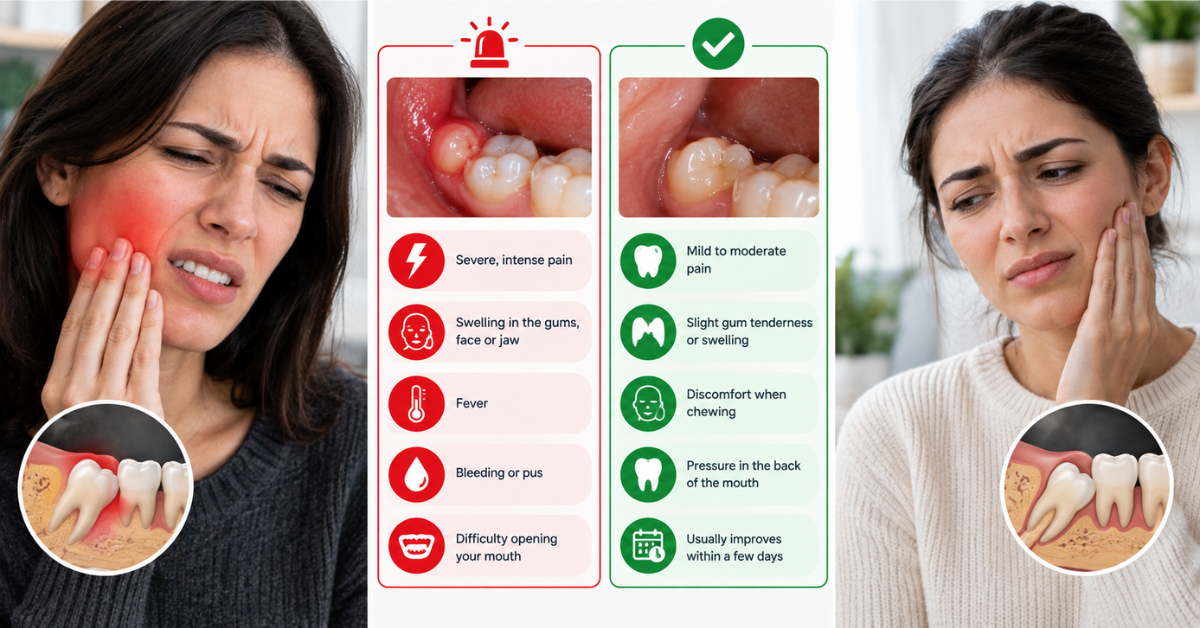
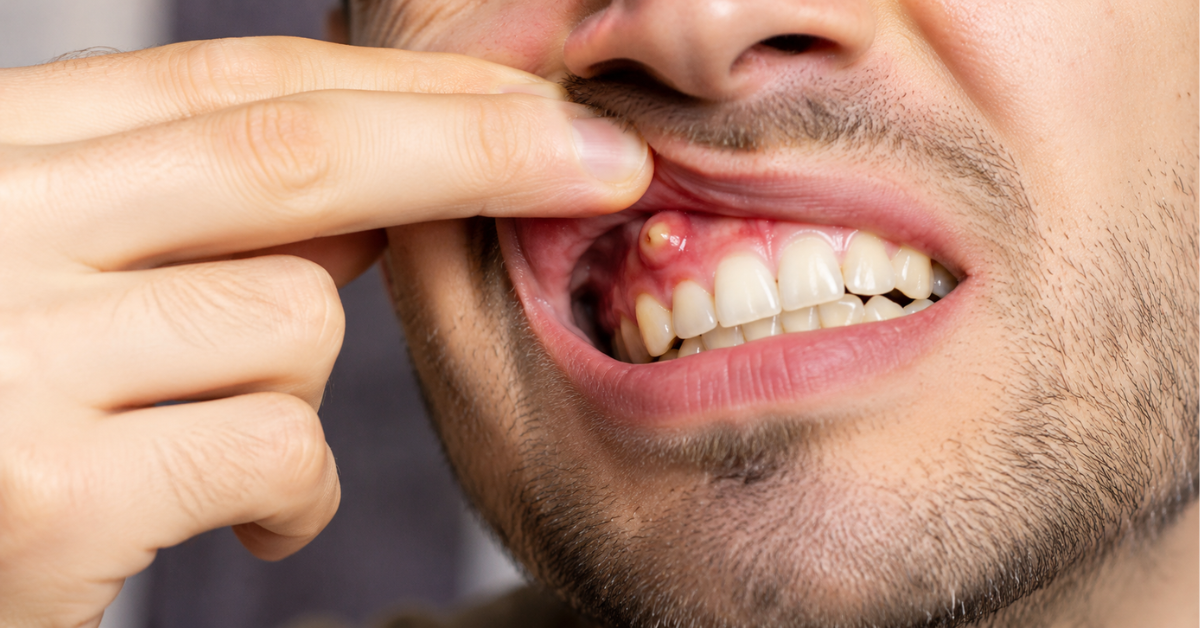
Swelling in the Face or Jaw
This is one of the signs to take most seriously in a child, since infections can progress faster in kids than in adults. Facial swelling, especially combined with fever, warrants a same-day dental visit or an ER trip if your child is having any difficulty swallowing or seems unusually lethargic.
Keeping Calm Helps More Than You'd Think
Kids take their emotional cues from the adults around them. A calm, matter-of-fact tone — even if you're not feeling calm inside — genuinely helps a scared child cooperate with first aid and, later, with treatment. It's fine to acknowledge it hurts or looks scary; it's just worth pairing that with confidence that you know what to do next.
If you're ever unsure whether something qualifies as urgent, it's reasonable to call and describe what happened — a 24/7 emergency dental line or your pediatric dentist's after-hours number can help you decide in a couple of minutes whether you need to come in now or can wait until morning.