The crash is over. The noise has stopped. You are shaken, your heart is pounding, and your mouth hurts. You run your tongue across your teeth and feel a sharp edge, or a gap where a tooth used to be.
Mouth injuries are common in car accidents. A face can hit the steering wheel, the dashboard, a side window, or an airbag. Even if you don't hit anything, the force of the crash can make you clench so hard that a tooth cracks.
This guide shows you what to do in order: first at the scene, then at home, then at the dentist. It also covers the damage that doesn't show up right away, and how to keep records for insurance.
Check for Serious Injuries Before You Think About Your Teeth
Teeth are not the first concern. Your safety is.
Call 911 if anyone has:
- Neck or back pain
- A head injury, confusion, or loss of consciousness
- Trouble breathing
- Heavy bleeding
- A jaw that looks out of place
Don't move someone who may have a neck or spine injury unless the car is in danger. Wait for help.
Once medical help has checked you, the teeth come next. Tell the paramedics or ER staff about every mouth injury. It goes in your records, and that matters later.
Common Dental Injuries in a Car Accident
Crashes cause many kinds of mouth damage. These are the ones dentists see most:
- Chipped or broken teeth. Front teeth take the hit most often.
- Knocked-out teeth. The whole tooth comes out of the socket.
- Loose or pushed teeth. The tooth stays in but moves out of line.
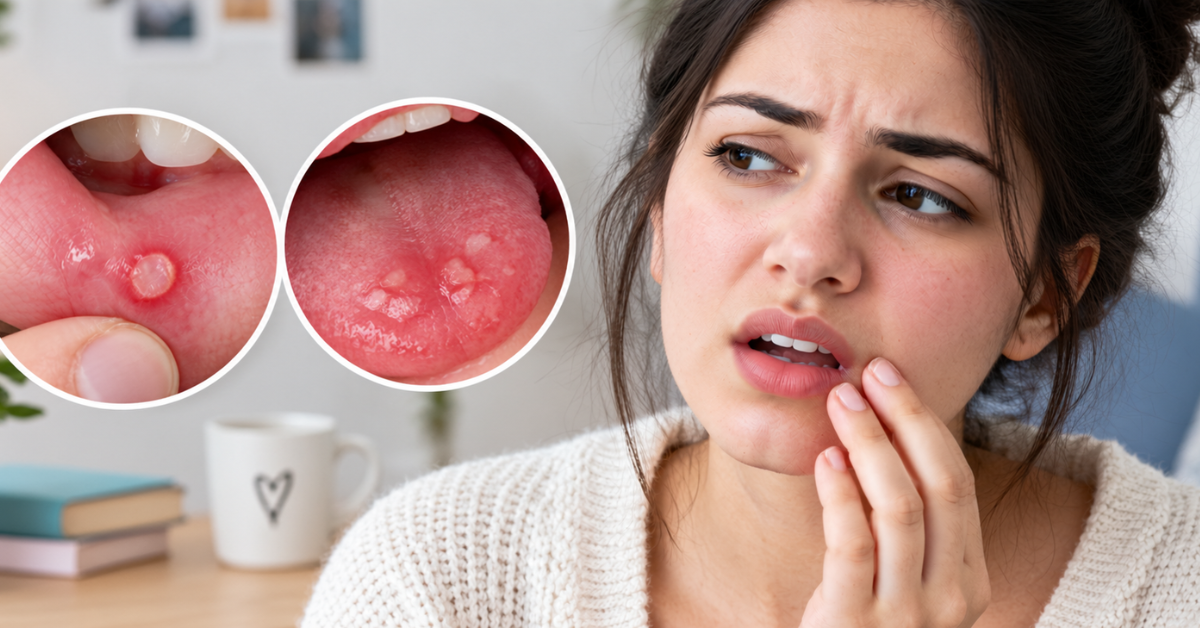
- Cuts to the lips, tongue, and cheeks. Teeth can slice the soft tissue from the inside.
- Jaw injuries. The jaw can be bruised, dislocated, or broken.
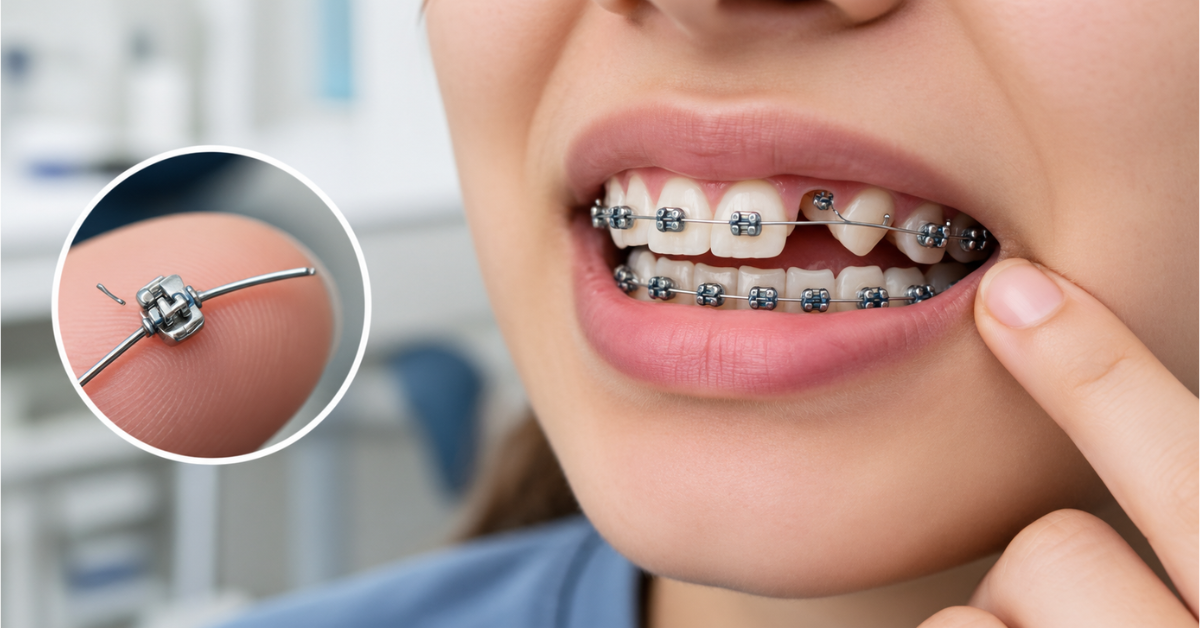
- Damaged dental work. Crowns, fillings, veneers, and dentures can crack or come off.
- Jaw joint pain. Whiplash can strain the muscles and joints that move your jaw.
What to Do Right Away
Once you are safe and have been checked for serious injuries, follow these steps.
1. Keep Your Mouth Clean
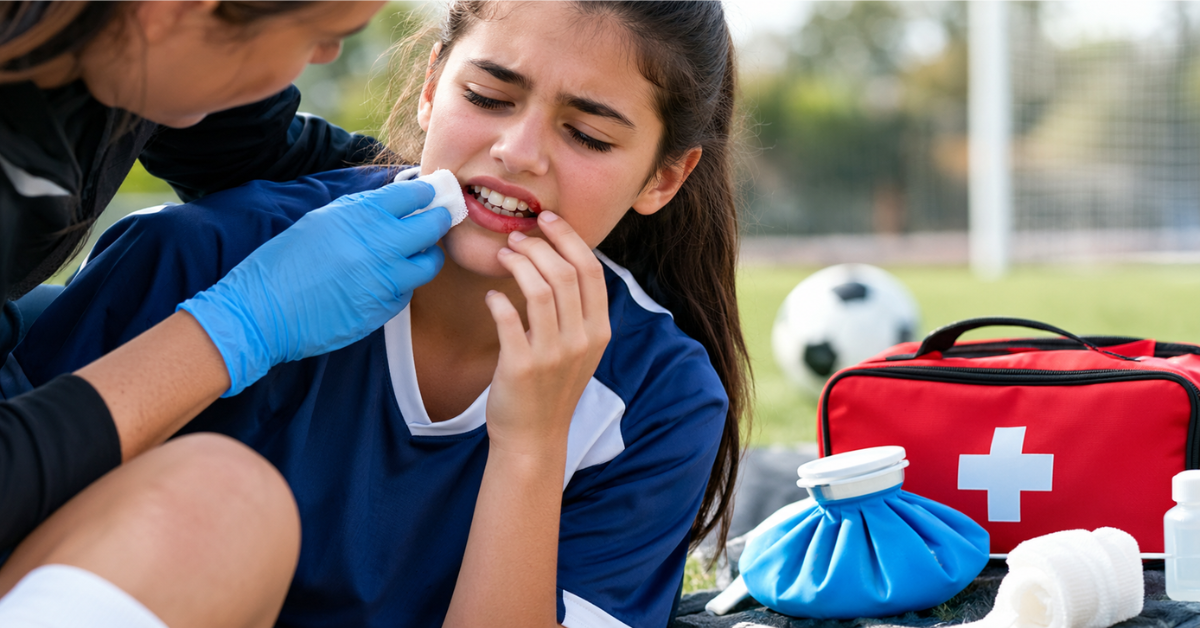
Rinse gently with warm water. Don't swish hard. If there is a lot of blood, press clean gauze or a cloth on the spot.
2. Find Any Tooth or Pieces
If a tooth is out, pick it up by the crown, the white part. Don't touch the root. Rinse it for a few seconds and place it back in the socket if you can. If you can't, put it in cold milk.
Time matters here. A permanent tooth has the best chance when it is back in place within about an hour. Read more on our page about a fully dislodged tooth.
Save broken pieces too. Keep them in milk or a damp cloth.
3. Check Whether You Swallowed or Inhaled a Piece
A broken tooth fragment can end up in the stomach or the lungs. If you are coughing, wheezing, or have trouble breathing, go to the ER right away. A chest X-ray may be needed.
4. Control Bleeding and Swelling
Press gauze on cuts for 10 to 15 minutes. Use a cold pack on your cheek to cut swelling. If the bleeding won't stop, see our page on oral bleeding and get urgent care.
5. Protect Sharp Edges
A jagged tooth can cut your tongue. Cover it with dental wax or sugar-free gum until you see a dentist. Learn more about a broken or fractured tooth.
6. Call a Dentist the Same Day
Don't wait to see how it feels. Call right away. If your own dentist is closed, you can reach 24/7 Local Dentist at (833) 220-2448.
Jaw Injuries After a Crash
The jaw takes a lot of force in a crash. Watch for these signs:
- Pain when you open or close your mouth
- Teeth that no longer meet the way they did
- Numbness in your lip or chin
- Swelling or bruising along the jaw
- A clicking or locked jaw
Any of these needs an ER or a dentist right away. A broken jaw can't wait. Read more on our jaw injury page.
Hidden Dental Damage That Shows Up Later
Some mouth injuries don't hurt at first. Shock and adrenaline can hide pain for hours or days. Then the signs appear.
Watch for these in the weeks after the crash:
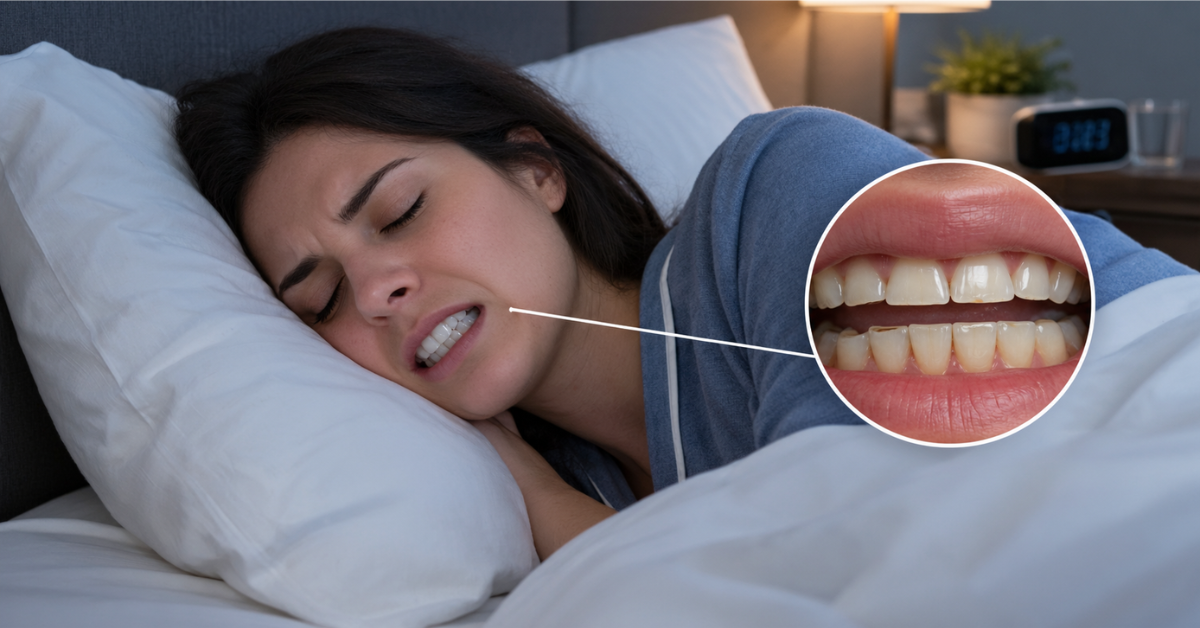
- A tooth that turns gray, yellow, or dark
- Sensitivity to hot or cold
- Pain when you bite or chew
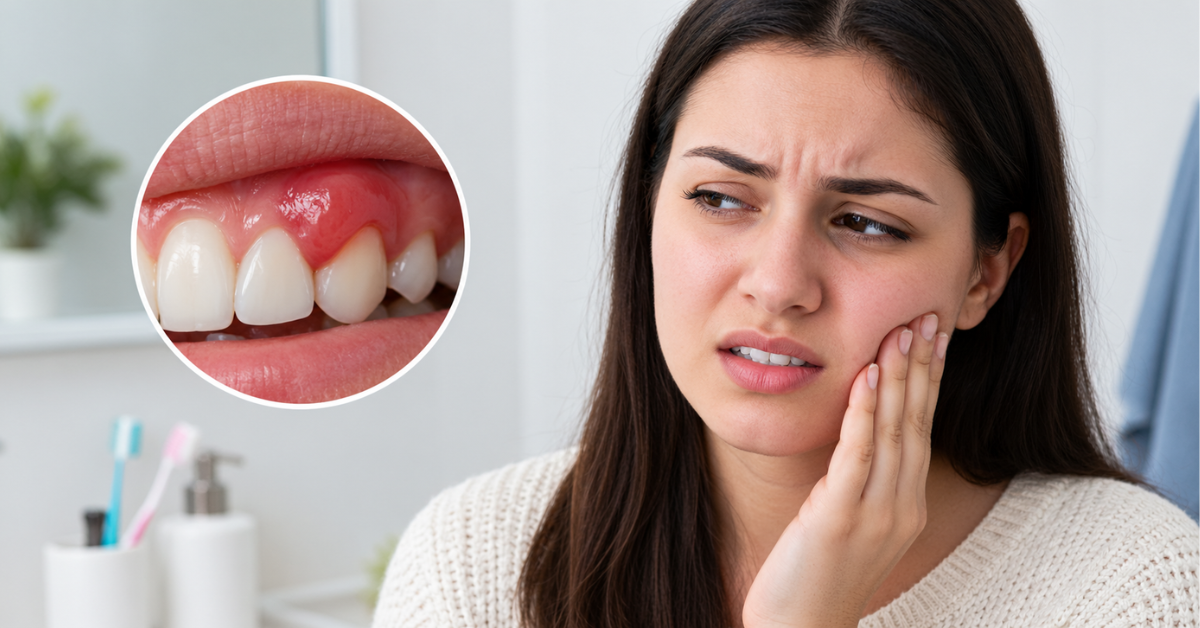
- A bump or pimple on the gum
- Swelling near a tooth
- Loose teeth
- A bad taste in your mouth
A darkening tooth often means the nerve was hurt. Cracks can sit below the surface and grow over time. A tooth that seemed fine on day one may need a root canal later.
That's why a dental exam makes sense even if nothing seems wrong. A dentist can take X-rays and catch damage early.
How Soon Should You See a Dentist After a Car Accident?
It depends on what happened.
- Knocked-out tooth: within an hour, if you can.
- Broken tooth, pain, or bleeding: the same day.
- Loose tooth or jaw pain: the same day.
- No visible injury, but you hit your face: within a few days.
- Delayed symptoms: as soon as you notice them.
When in doubt, go sooner. Waiting rarely helps.
What Will the Dentist Do?
The dentist will start with a close look at your teeth, gums, and jaw. You will likely get X-rays. The treatment depends on the damage.
- Chips: bonding or a smooth polish
- Larger breaks: a crown, or a root canal if the nerve is hurt
- Knocked-out tooth: putting it back and holding it in place with a splint
- Loose tooth: a splint to steady it while it heals
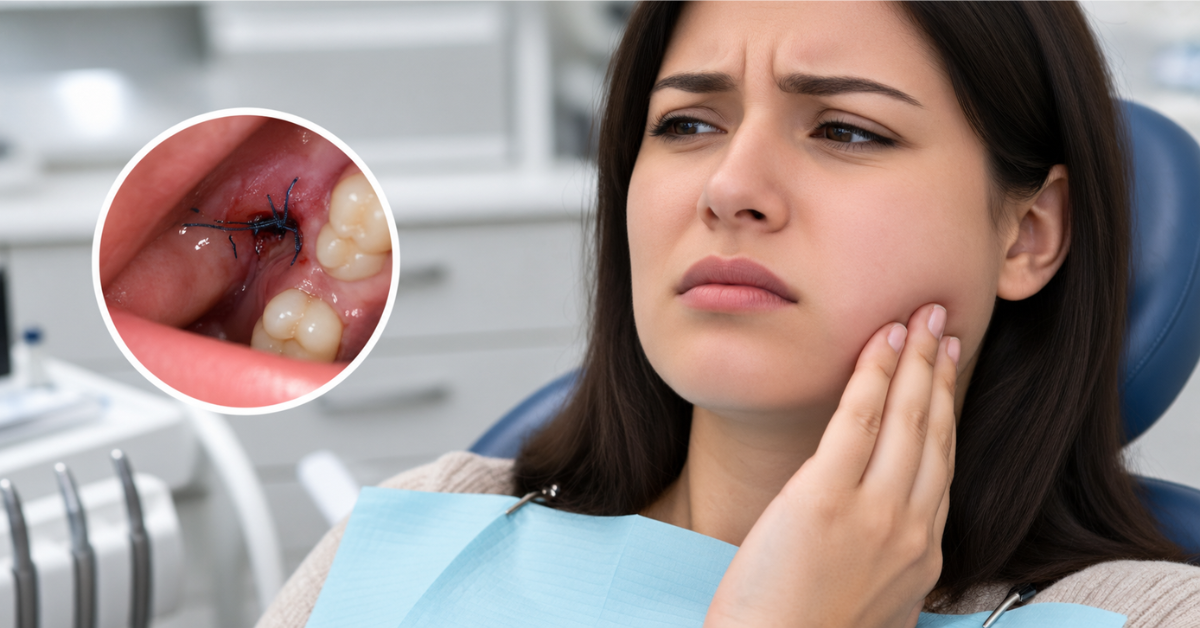
- Cuts: cleaning and sometimes stitches
- Lost tooth that can't be saved: options like an implant or a bridge, planned later
Some repairs happen in one visit. Others take several steps over weeks. Ask your dentist for a plan so you know what's coming.
Pain Relief at Home While You Wait
- Take an over-the-counter pain reliever as the label directs.
- Use a cold pack on your cheek, 10 minutes at a time.
- Eat soft, cool foods. Avoid hot, hard, or crunchy foods.
- Rinse with warm salt water after meals.
- Sleep with your head raised to cut swelling.
What Not to Do
- Don't ignore it because the pain is mild.
- Don't store a tooth in tap water. Use milk.
- Don't put aspirin on the gum. It can burn the tissue.
- Don't use glue to repair a tooth or crown.
- Don't skip follow-ups. Hidden damage can show up later.
Be Ready Next Time
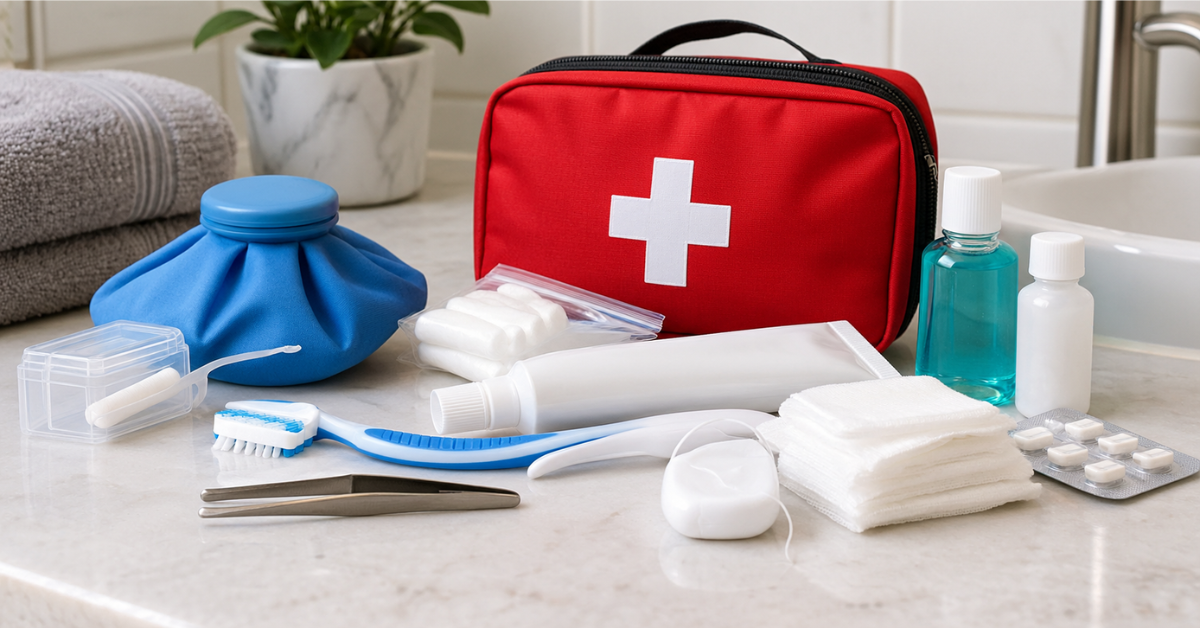
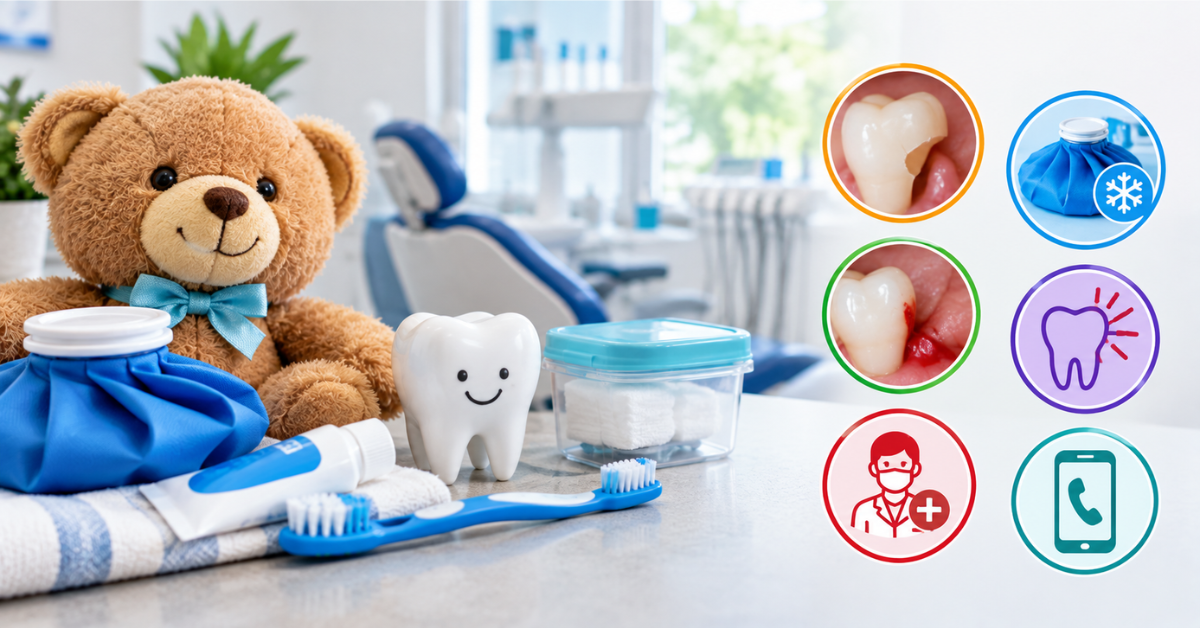
No one plans for a crash. But a few small things help. Keep your dentist's number in your phone. Know how to find an emergency dentist. And keep a simple dental emergency kit in your car or at home, with gauze, a small container, and a cold pack.
If you take part in contact sports, our guide to sports dental injuries covers many of the same first-aid steps.
Need an Emergency Dentist After an Accident?
You have enough to deal with after a crash. Let us help with this part. Call 24/7 Local Dentist at (833) 220-2448, or tap here to be connected. Our live operators can help you find an emergency dentist near you, any time of day or night.