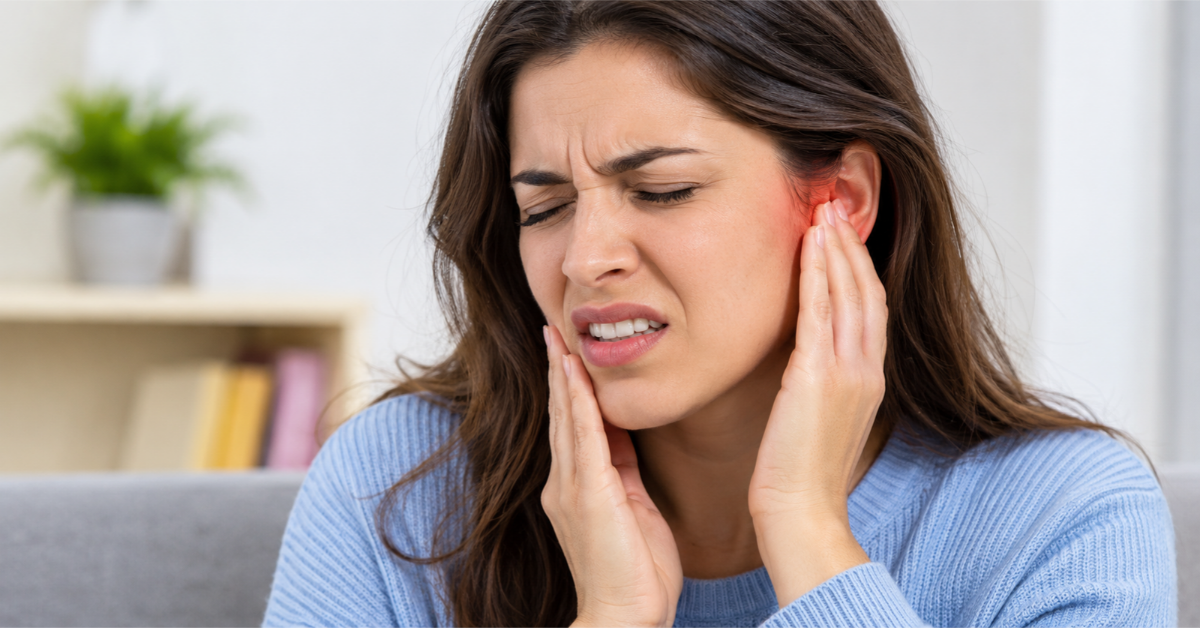
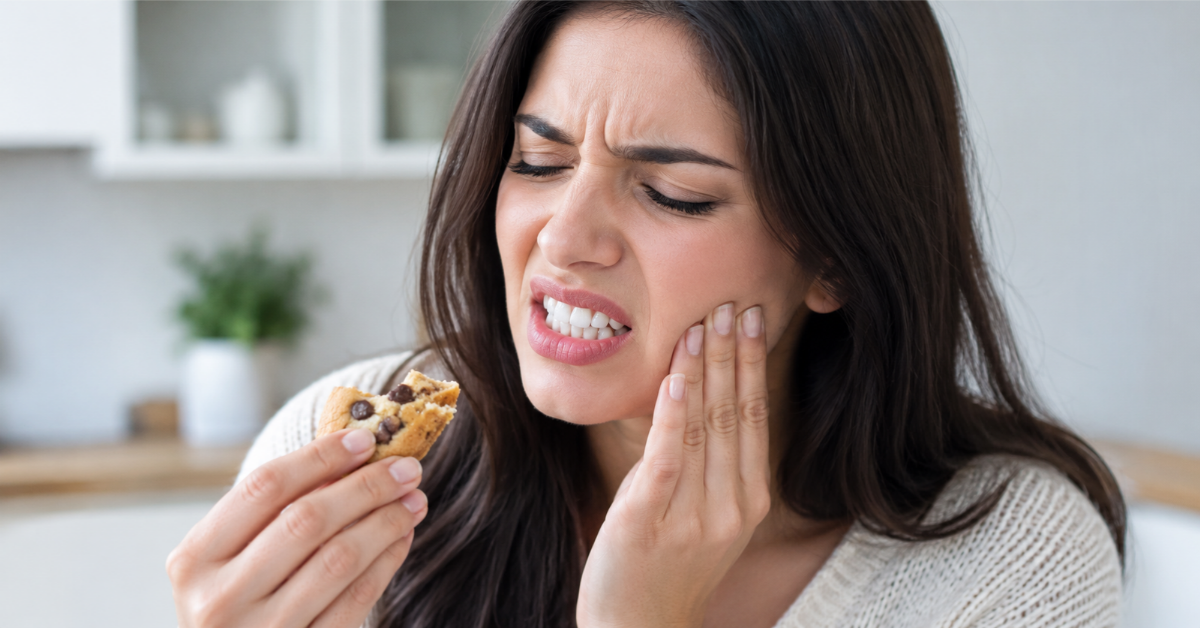
You leave the dentist with a new crown or filling, and the work looks great. Then you bite down, and something feels wrong. Your teeth don’t meet the way they used to. One tooth seems too tall, or your whole bite feels uneven when you chew.
Don’t panic. A bite that feels off after a crown or filling is a common problem, and it’s usually easy to fix. Even a tiny high spot, just a fraction of a millimeter, can feel huge in your mouth. Sometimes the cause is simply swelling or leftover numbness that settles within a day or two. But it’s not something to ignore for weeks. A tooth that takes extra force can become sore and sensitive, and over time it can crack the new crown or filling or strain your jaw.
The good news is that a dentist can usually adjust the bite in just a few minutes, often without any numbing. The key is knowing what’s normal and when to call.
In this guide, you’ll learn why your bite feels off after dental work, how to tell if you have a high filling or crown, and how long to wait before calling. You’ll also see how a dentist fixes it and which other symptoms need attention.
Is It Normal for Your Bite to Feel Off?
Sometimes, yes. If you're still numb, you can't judge your bite. The numbing medicine can last two to four hours. Wait until the feeling comes back before you decide.
If the numbness is gone and your bite still feels strange, a few causes are possible.
Why Your Bite Feels Off After Dental Work
The filling or crown is too high. This is the most common reason. Even a tiny extra bit on the surface can make that tooth hit first. A high spot can feel like a big problem, even if it's a fraction of a millimeter.
Gum or tooth inflammation. Dental work can leave the tooth and the gum around it a little swollen. A swollen tooth sits slightly higher in its socket, so your bite feels uneven.
A new shape. Your tongue and jaw are used to your old tooth. A new crown can feel different at first, even when it fits well.
A temporary crown. Temporary crowns are less precise than final ones. They can feel off or shift.
Your teeth moved. If a tooth went untreated for a long time, nearby teeth may have shifted.
A Quick Self-Check for a High Bite
You may have a high spot if:
- One tooth hits before the others when you close your mouth
- The tooth hurts or feels sensitive when you bite
- Your jaw feels tired or sore
- You get headaches
- Chewing feels uncomfortable on one side
Pain on biting can have other causes too. See our guide to tooth pain when biting down.
How Long Should You Wait?
A little awkwardness in the first day or two is common. But if your bite still feels off after two or three days, call your dentist. Do not wait for it to fix itself.
Why You Shouldn't Ignore a High Bite
A tooth that takes extra force can cause real trouble:
- Ongoing tooth pain and sensitivity
- Inflammation of the nerve
- A cracked tooth, filling, or crown
- Jaw strain and muscle aches
It's easier to fix early.
How Dentists Fix a Bite Problem
The fix is usually quick. Your dentist uses thin colored paper to mark where your teeth touch. Then they gently polish the high spot until your bite feels even. It often takes just a few minutes. Many people don't need any numbing.
When It Could Be Something Else
Sometimes the problem is not a high bite. Contact a dentist soon if you notice:
- A crown that feels loose or has come off. See our page on a lost dental crown.
- A filling that is chipped or missing. Read whether a broken filling or crown is a dental emergency.
- Sharp pain, swelling, or a bad taste.
- Sensitivity that doesn't ease. See our guide on tooth sensitivity to hot and cold.
What to Tell Your Dentist When You Call
A few details help the office help you faster:
- Which tooth was treated, and when
- Whether it hurts when you bite, or only feels high
- Whether you have sensitivity to hot or cold
- Whether you've noticed swelling or a bad taste
If the office is closed and you're in pain, 247 Local Dentist can connect you to a dentist near