You take a bite of an apple. Then a sharp jolt shoots through one tooth. You stop chewing. You try again, more carefully. There it is again.
Pain when you bite down is one of the most common reasons people call a dentist. It’s also one of the most useful clues. The way it hurts can point to what’s wrong.
Sometimes the cause is minor, like a high filling or a bit of food stuck between teeth. Other times it can be a crack, an infection, or a tooth that needs urgent care. The hard part is that you can’t always tell which one it is by feel alone. This guide helps you sort it out. We’ll start with a few quick questions, then go through the causes from mild to serious, so you know when to wait and when to call a dentist.
Start With These 4 Questions
Before anything else, think about your pain.
- When does it hurt? Is it the moment you bite, or when you let go?
- How does it feel? Sharp and sudden, or dull and aching?
- Is it one tooth or several?
- Did something change recently? A new filling, a hard bite, a cold?
Keep your answers in mind. They'll help you match your pain to the causes below.
Sharp Pain When You Bite, Worse When You Let Go
Likely cause: a cracked tooth.
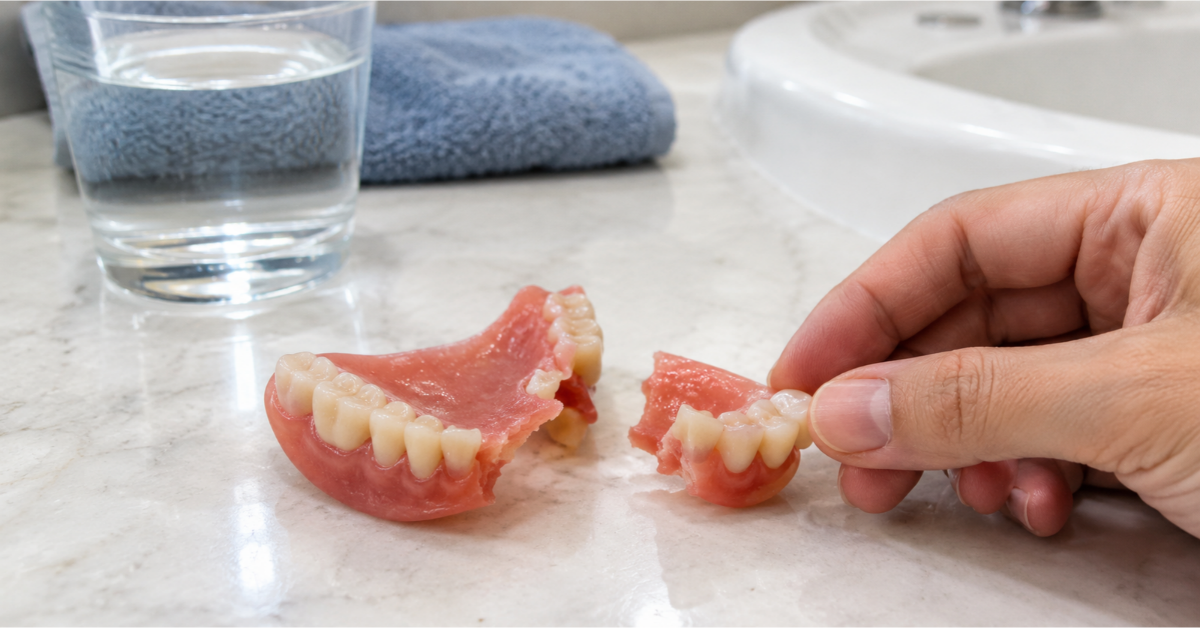
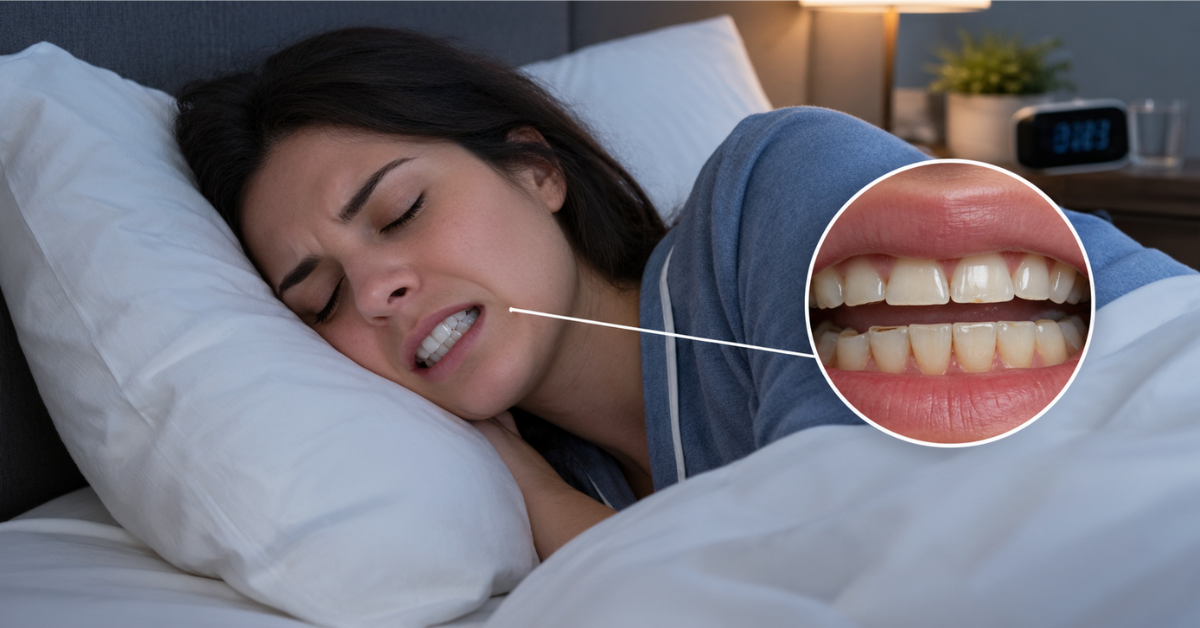
This one has a very typical pattern. You bite down on something, and the pain hits when you release. Teeth can crack from hard foods, an old large filling, or years of grinding. The crack can be tiny and invisible, even on an X-ray.
Cracks may also make the tooth sensitive to hot and cold. The pain can come and go, which makes people put off a visit. That's a mistake. A crack can deepen over time, and the tooth can split.
Learn more on our pages about a broken or fractured tooth and a chipped tooth.
Pain Only on a Tooth With a New Filling or Crown
Likely cause: a high spot.
If the pain started within days of dental work, the filling or crown may sit a little too high. Your teeth hit it first when you close your mouth. That extra pressure bruises the tooth and its ligament.
The fix is simple. The dentist smooths the spot in a few minutes. Call the office. Don't just wait for the tooth to "get used to it."
Dull, Throbbing Pain That Gets Worse When You Chew
Likely cause: infection or a deep cavity.
A cavity that reaches the nerve can make a tooth ache. When the nerve dies, bacteria can form an abscess at the tip of the root. Biting then presses on the infected area and hurts.
Signs to look for:
- A throbbing ache, even at rest
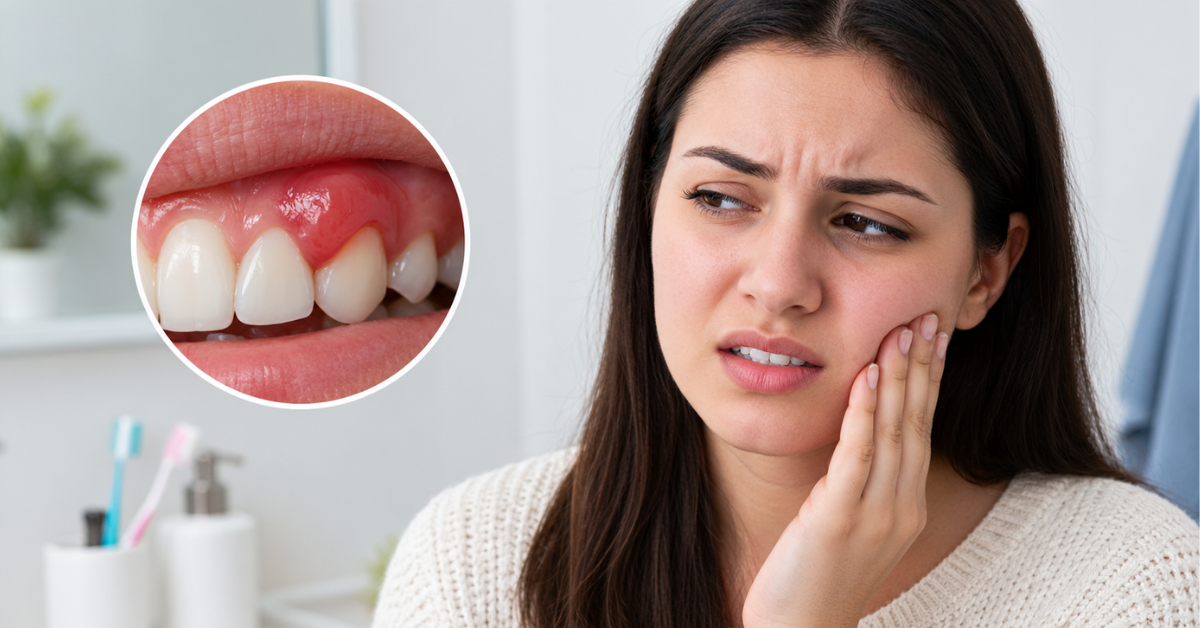
- A bump on the gum near the tooth
- A bad taste or bad breath
- Swelling in the gum or face
- Fever
This kind of pain does not go away on its own. See our pages on a tooth abscess and a severe toothache.
Pain in Several Upper Back Teeth at Once
Likely cause: a sinus problem.
Your upper back teeth sit close to your sinuses. When the sinuses are swollen with a cold or infection, they press on the tooth roots. The result is an ache in several teeth at once.
Clues that point to the sinuses:
- A stuffy or runny nose
- Pressure around your cheeks or eyes
- Pain that gets worse when you bend over
- Pain on both sides of the face
If the pain eases as your cold clears, the teeth were probably fine. If it lingers, ask a dentist to rule out a tooth problem.
Soreness Along the Gum When You Chew
Likely cause: gum trouble or trapped food.
A piece of popcorn or meat stuck under the gum can make biting hurt. So can gum disease, which loosens the tissue around a tooth. Floss gently around the sore tooth. If food comes out and the pain drops, that was the cause.
If gums are red, puffy, or bleeding, read our guide on swollen gums. You can also learn about gum disease on our site.
Aching Jaw and Teeth in the Morning
Likely cause: grinding or clenching.
If you grind at night, the teeth and the ligaments around them get tired. Chewing then feels sore, mostly in the morning. Your jaw may ache too.
Worn teeth and small chips are common clues. A night guard can help. For more, see our post on teeth grinding and dental emergencies.
Pain at the Back of the Mouth
Likely cause: a wisdom tooth.
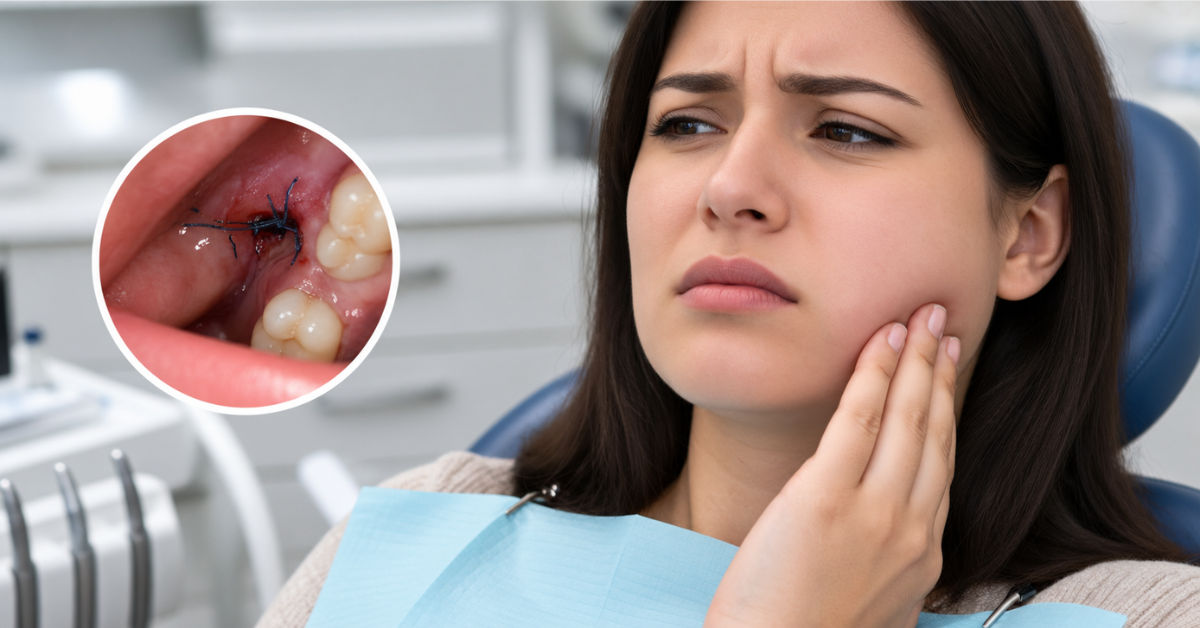
A wisdom tooth that's coming in sideways or only partly through can trap bacteria under the gum. That causes swelling, a bad taste, and pain when you bite. Our page on wisdom teeth explains why these teeth cause so much trouble.
Other Causes Worth Knowing
- A loose or failing crown or filling. Look at our pages on a lost dental crown and a lost dental filling.
- A tooth after a root canal. Mild tenderness for a few days is common. Pain that grows or lingers needs a check. See our root canals page.
- Injury. A blow to the mouth can bruise a tooth even without a visible chip.
- Teeth that don't meet right. A bite that has shifted can overload one tooth.
When to Worry About Tooth Pain When Biting
Not every sore tooth is urgent. Here's how to tell.
Book a dentist visit within a few days if:
- The pain happens each time you bite
- It lasts more than two or three days
- The tooth is also sensitive to hot or cold
- You see a chip or crack
- The pain began after dental work
See a dentist the same day if:
- The pain is severe or throbbing
- You see a bump on the gum
- There's a bad taste or pus
- The tooth feels loose
Go to the ER or call 911 if:
- Swelling spreads to your face, jaw, or neck
- You have a fever with swelling
- You have trouble swallowing or breathing
Spreading infection is serious. Don't wait. Our guide on swollen gums lists more emergency signs.
What You Can Do at Home Until You See a Dentist
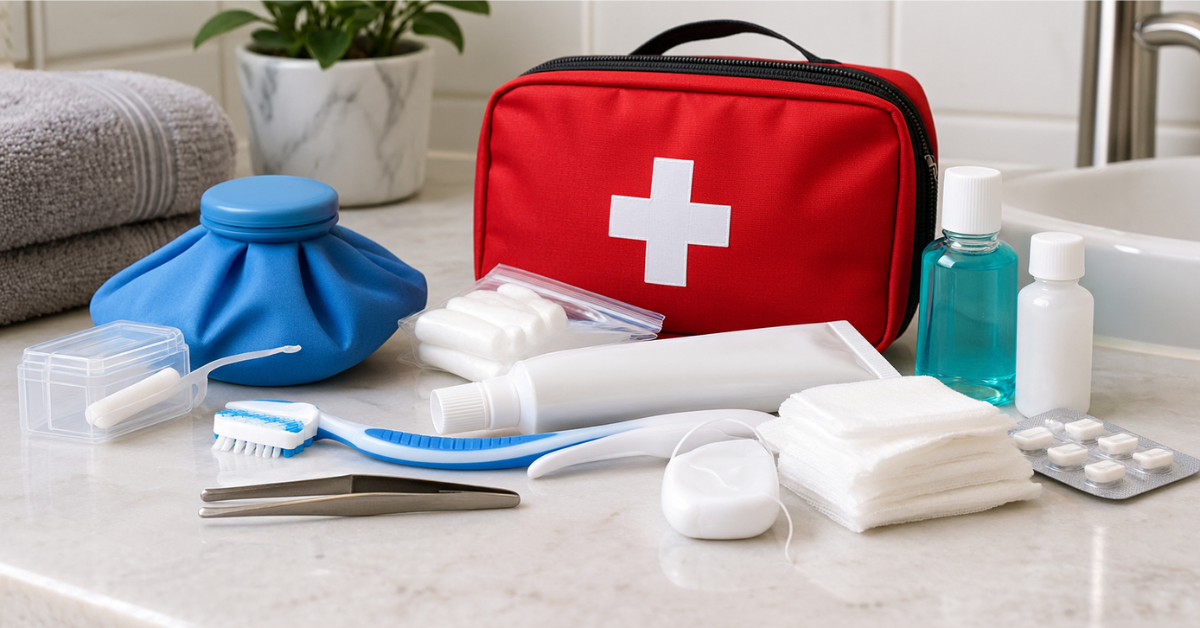
These steps ease the pain. They do not fix the cause.
- Chew on the other side.
- Eat soft foods. Think eggs, soup, yogurt, and pasta.
- Skip hard, chewy, or sticky foods. Ice, nuts, and caramel are bad ideas.
- Rinse with warm salt water. Use half a teaspoon of salt in a cup of warm water.
- Floss gently around the tooth to clear trapped food.
- Take an over-the-counter pain reliever as the label says.
- Use a cold pack on your cheek if the area is swollen.
Don't place aspirin directly on the gum. It can burn the tissue. And don't ignore pain just because a rinse helped for a few hours.
What Will the Dentist Do?
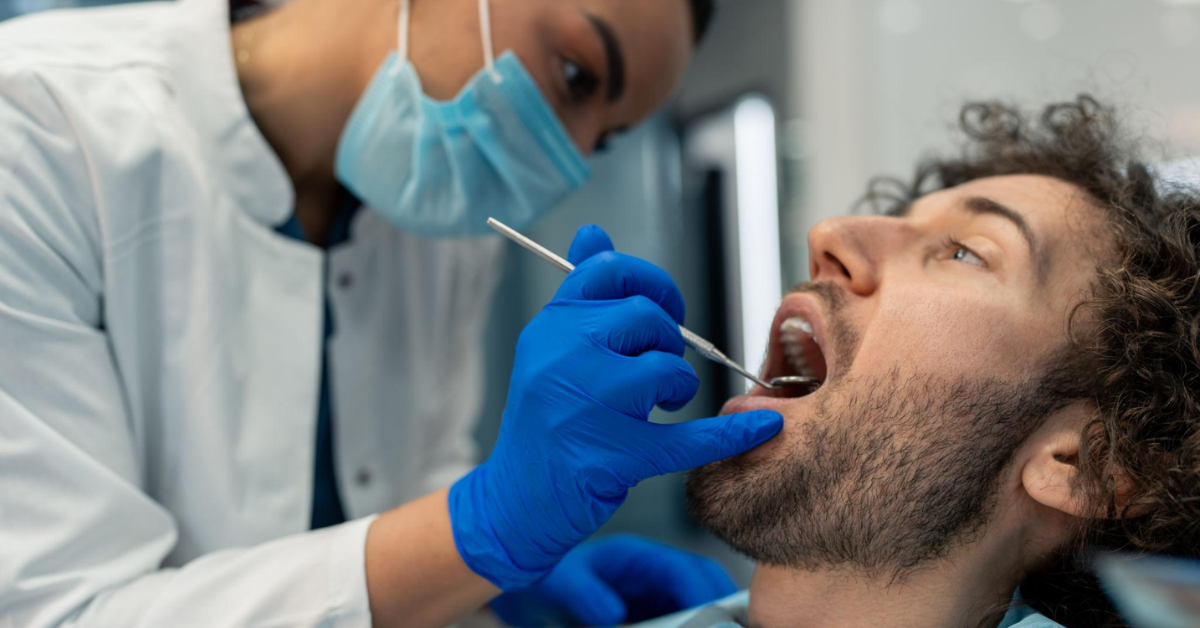
The dentist will ask when it hurts and look at the tooth. They may tap on it, ask you to bite on a small tool, and take an X-ray. These tests help find a crack, an infection, or a bite problem.
Treatment depends on the cause:
- High filling: a quick adjustment
- Cavity: a filling
- Crack: a crown, or a root canal if the nerve is hurt
- Abscess: a root canal or an extraction, sometimes with antibiotics
- Gum problem: a deep cleaning
- Grinding: a night guard
Many problems are easy to fix when caught early. Waiting turns small repairs into big ones.
Need to See Someone Today?
Pain when you bite down is hard to ignore. If you can't wait, call 24/7 Local Dentist at (833) 220-2448, or request a call here. We'll help you find a dentist near you, day or night.