When you are pregnant even the smallest decisions can feel very stressful. What you eat, what medicine you take and whether that headache is worth a call to your doctor. So when a dental problem shows up during pregnancy most people just try to ignore it. They worry that treatment, medicine or even an X-ray might harm the baby. That worry makes complete sense but it is actually one of the biggest myths about pregnancy care.
Waiting and doing nothing is usually more dangerous than getting treatment. An untreated infection or constant pain can cause real problems during pregnancy. The good news is that modern dentistry has very safe ways to treat almost any dental problem while you are pregnant.
So the real question is not whether you can get dental treatment during pregnancy. You can. The question is what is safe, when is the best time to do it and how do you know if your problem needs to be dealt with right now or if it can wait a little longer. That is exactly what this guide will help you figure out.
Why Pregnancy Makes Dental Problems More Likely in the First Place
Hormonal shifts during pregnancy — particularly increased progesterone — make gum tissue more reactive to plaque than usual, which is why "pregnancy gingivitis" is so common, sometimes showing up even in people who've never had gum issues before. Morning sickness can also increase acid exposure to teeth, and changes in diet or reduced energy for a full oral hygiene routine can quietly let small problems grow. None of this means dental issues are inevitable during pregnancy, but it does explain why so many people encounter a dental problem for the first time while pregnant.
What's Actually Safe: Treatment
- Dental cleanings, fillings, and most routine treatment are considered safe throughout pregnancy, and are often specifically recommended if you're dealing with gum inflammation or a cavity.
- The second trimester is generally considered the ideal window for non-urgent dental work, since morning sickness has typically eased and the risk of complications from procedures is lowest. That said, genuine emergencies shouldn't be delayed until the second trimester if you're in your first or third — treatment for pain, infection, or trauma happens whenever it's needed.
- Local anesthesia (the numbing injections used for fillings, root canals, and extractions) is considered safe during pregnancy at standard doses.
- Root canals and extractions, when medically necessary, are performed during pregnancy regularly. Leaving an infected tooth untreated poses a real risk of the infection spreading, which is a bigger concern for a pregnancy than the treatment itself.
What's Actually Safe: Medication
- Acetaminophen (Tylenol) is generally the go-to pain reliever during pregnancy and is what most dentists will recommend or prescribe.
- Certain antibiotics, including penicillin-based options like amoxicillin, are commonly prescribed during pregnancy when an infection needs to be treated. Your dentist will typically coordinate with what's known to be safe, and will ask about your pregnancy before prescribing anything.
- NSAIDs like ibuprofen are generally avoided, especially in the third trimester, so don't be surprised if your dentist steers you toward acetaminophen instead.
- Always tell your dentist you're pregnant and how far along you are before any treatment or prescription — this isn't a formality, it directly changes what they'll recommend.
What About X-Rays?
Dental X-rays use a very low dose of radiation, and with a lead apron (standard practice in every dental office), the exposure to the abdomen is negligible. Necessary dental X-rays — for diagnosing an infection, abscess, or the extent of damage from an injury — are considered safe during pregnancy. Purely elective or routine X-rays are sometimes postponed until after delivery simply out of caution, but if an X-ray is needed to diagnose or treat an emergency, it isn't something to avoid out of pregnancy concerns alone.
Emergency Situations and What to Do
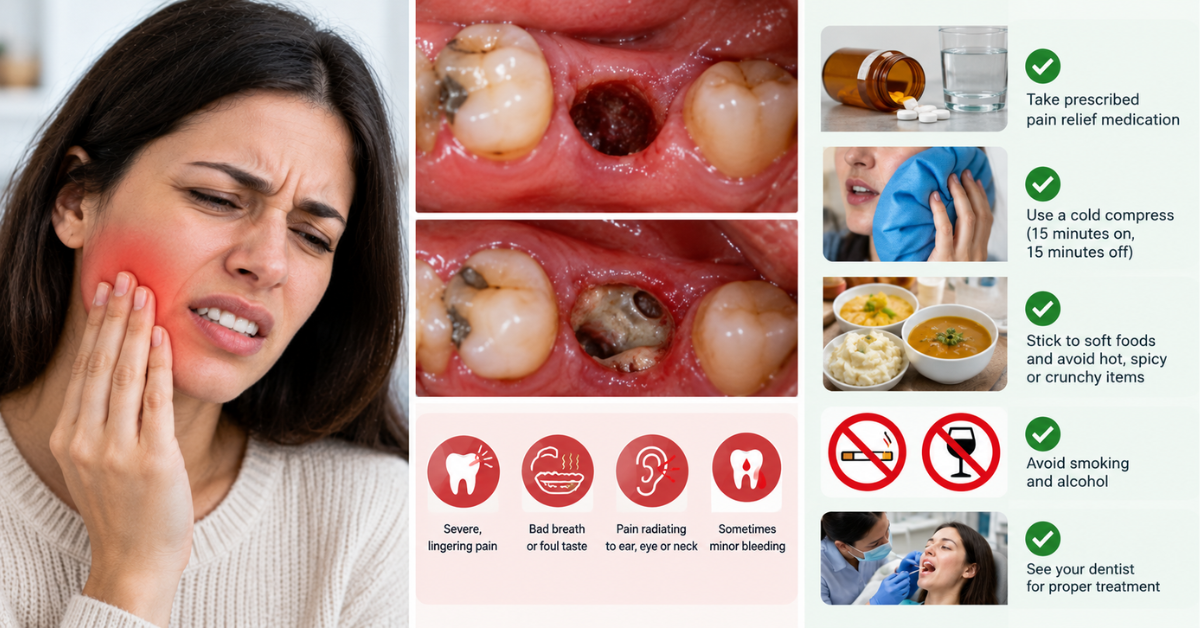
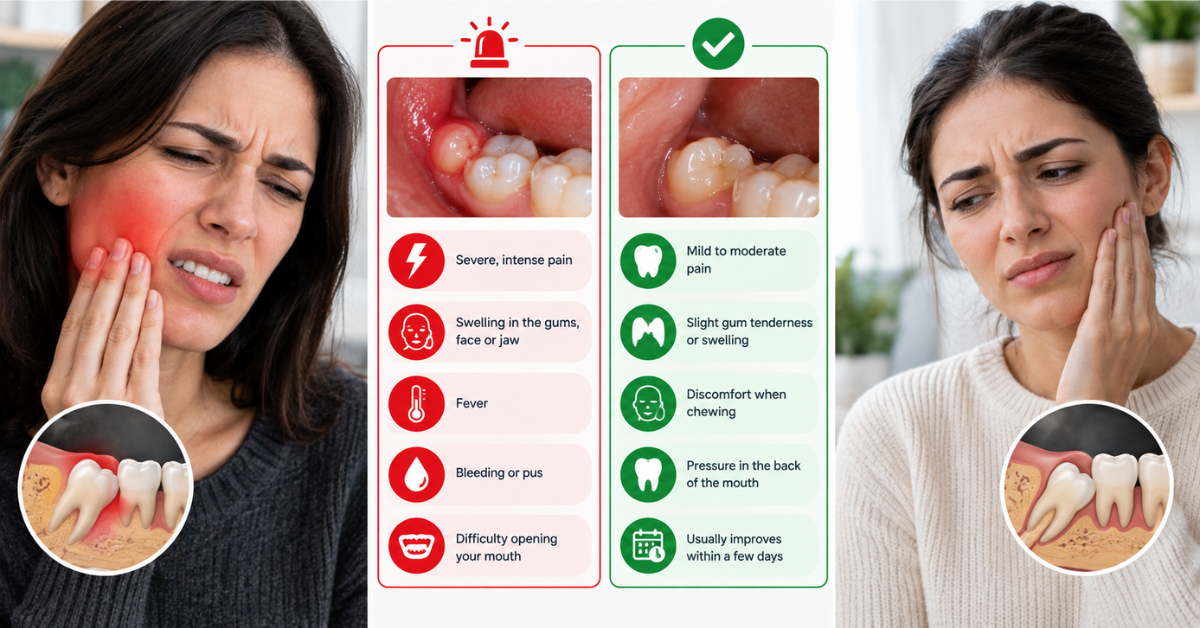
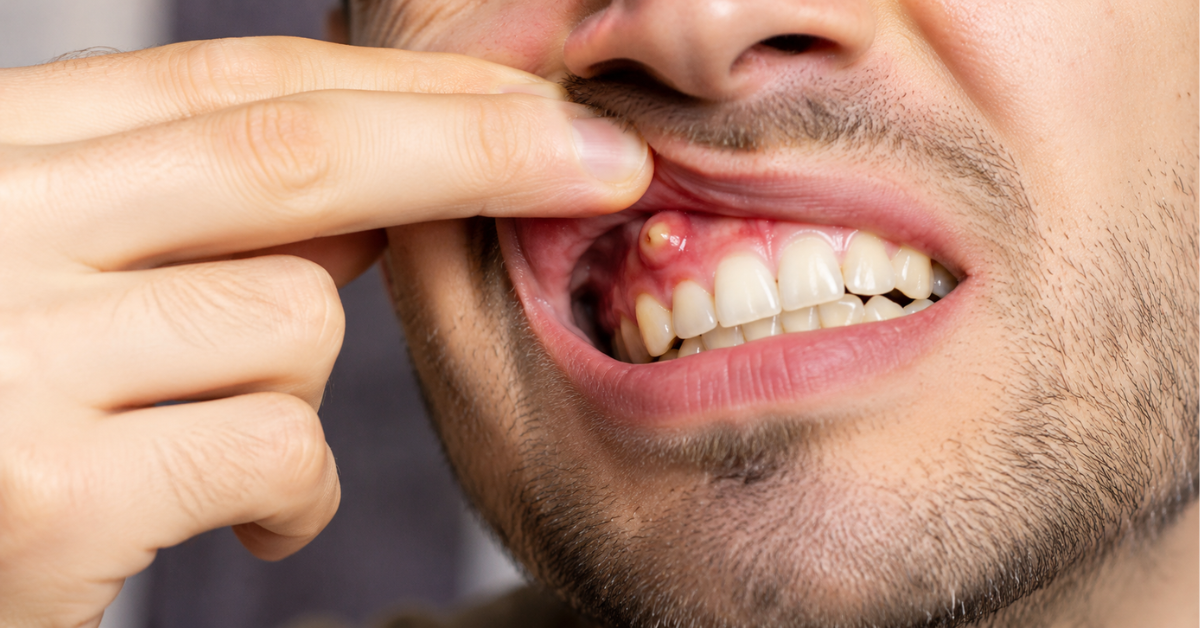
A toothache or suspected infection: Don't wait this out hoping it resolves — infections during pregnancy can affect more than just your mouth if left untreated. Call your dentist, mention you're pregnant and how far along, and get in as soon as they can see you.
Facial swelling, especially with fever: This is urgent regardless of pregnancy status, and pregnancy is actually a reason to move faster, not slower — a fever itself can be a concern for pregnancy, separate from the dental issue causing it. Seek care the same day.
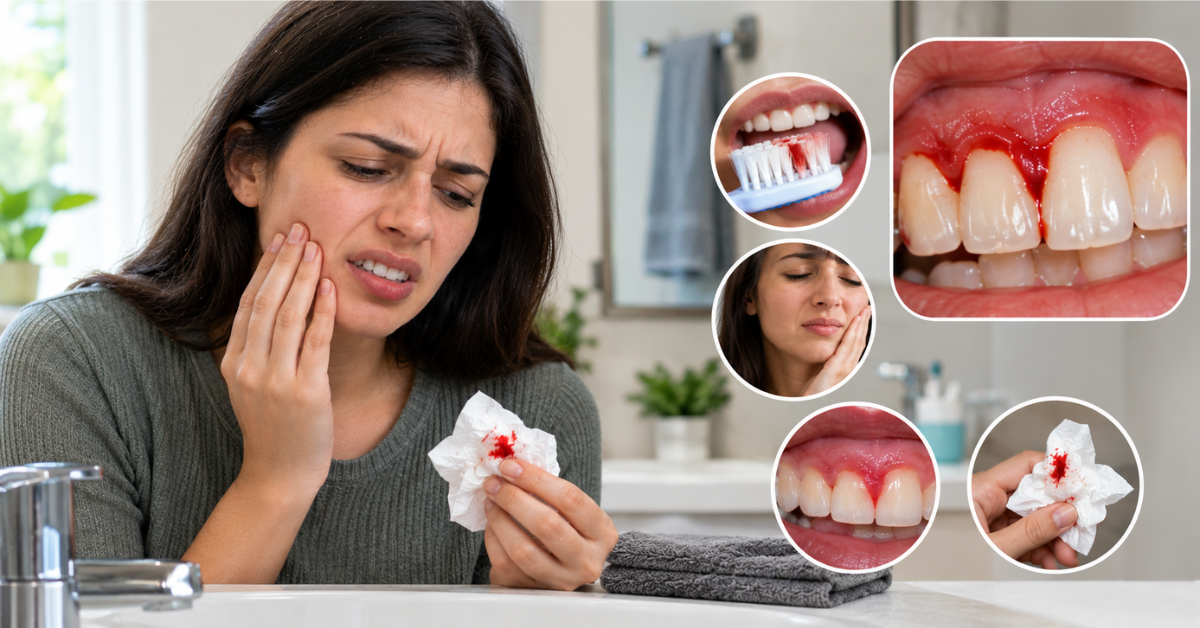
Bleeding gums: Some bleeding with brushing is common due to pregnancy gingivitis and usually isn't an emergency, but bleeding that's heavy, doesn't stop, or comes with pain and swelling should be evaluated.
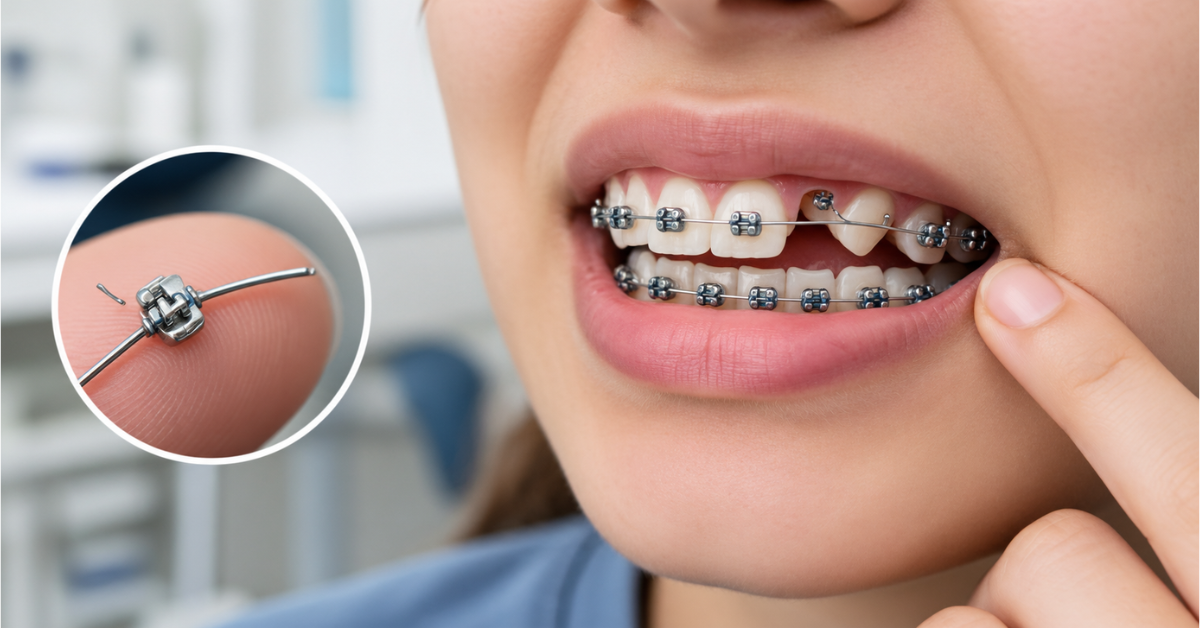
A broken or knocked-out tooth: Handle it exactly as you would outside of pregnancy — save the tooth or the pieces, control any bleeding, and get to a dentist as quickly as possible. Trauma doesn't wait for a more convenient trimester, and neither should treatment.
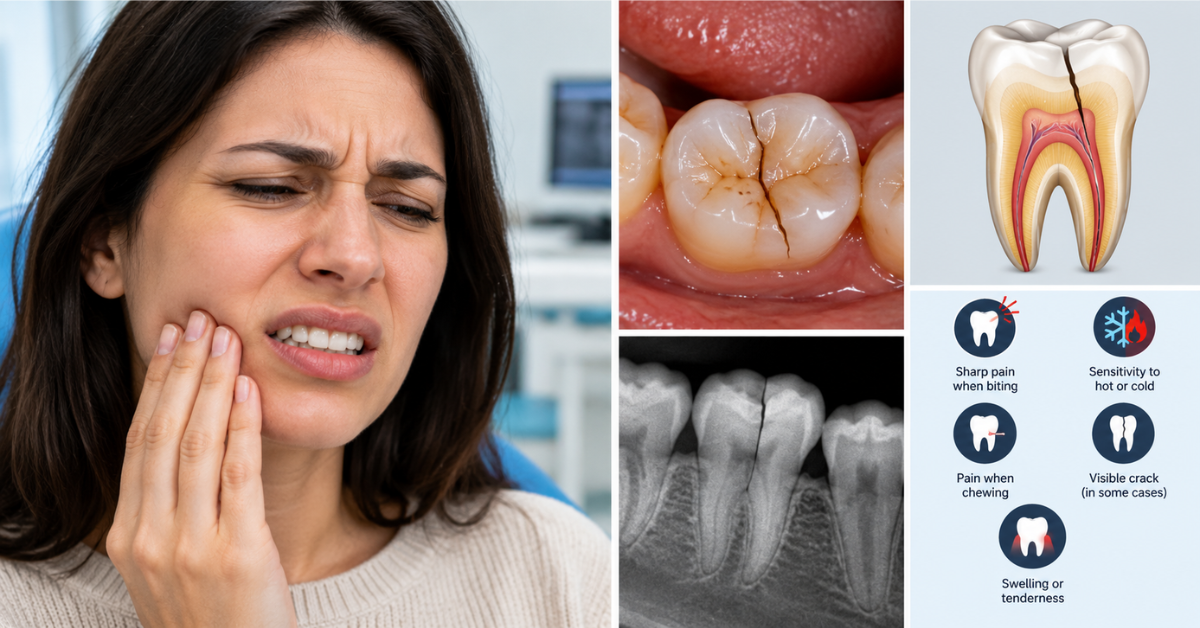
A cracked filling or crown: Not usually urgent unless it's causing pain or a sharp edge is cutting your mouth, but it's worth getting looked at sooner rather than later, since exposed tooth structure is more vulnerable to decay and sensitivity.
When to Loop In Your OB-GYN
For anything beyond routine dental work — a needed root canal, an extraction, or any situation requiring antibiotics or additional medication — it's reasonable, and often reassuring, to let your OB-GYN know what's happening. Most dentists will coordinate directly if there's anything complex, but you're always allowed to ask questions of both providers until you feel comfortable with the plan.
The Reassuring Bottom Line
Pregnancy limits a few things, but emergency dental care isn't really one of them. Dentists treat pregnant patients regularly and know exactly which medications, procedures, and timing considerations apply. Delaying care for a genuine dental emergency — out of caution for the pregnancy — usually ends up being the riskier choice, not the safer one. If something's wrong, the best step is the same one you'd take otherwise: call, mention that you're pregnant, and let your dentist guide you from there.