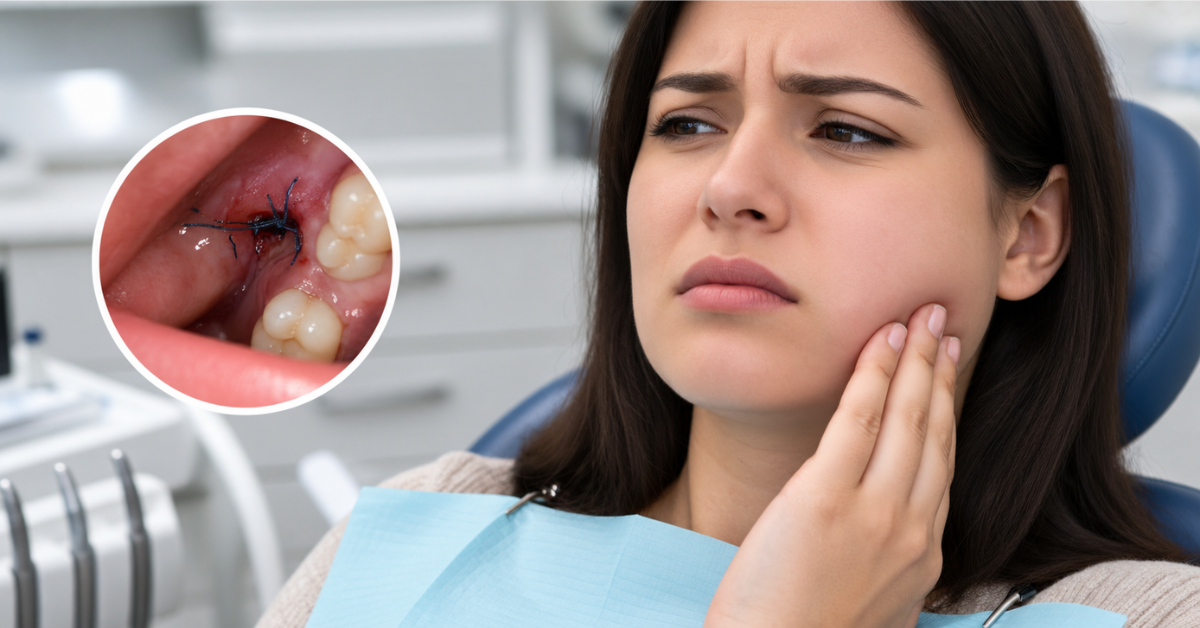
As an expectant mom, you have a lot going on – not the least of which are the physical changes you’re experiencing. While you’re scheduling regular visits with your obstetrician to ensure a healthy pregnancy, be sure you also take care of your oral health during this important time!
Is it Safe to Visit the Dentist During Pregnancy?
Yes! In fact, it’s highly recommended! The American Dental Association (ADA), the American Congress of Obstetricians and Gynecologists and the American Academy of Pediatrics all encourage women to get dental care while pregnant . A study published in the Journal of the American Dental Association (JADA) concluded that it’s safe for pregnant women to undergo dental treatment, including procedures that use local anesthetics. According to the study’s lead author, Aharon Hagai, D.M.D., “[Pregnancy] is a crucial period of time in a woman’s life, and maintaining oral health is directly related to good overall health.”
How Pregnancy Can Affect Your Oral Health
Even if you typically enjoy good oral health, the hormonal changes that pregnancy causes can trigger certain conditions – such as periodontal disease and tender gums that bleed easily – or make some existing conditions worse. Our blog post – “ What is Periodontal Gum Disease? ” – covers this topic in detail.
Not every woman experiences issues during pregnancy, but you should be aware of the following, provided by MouthHealthy – an ADA website that provides consumer information about oral health topics.
Pregnancy gingivitis – Some women develop a condition known as “pregnancy gingivitis,” an inflammation of the gums that can cause swelling and tenderness. According to WebMD , 40 percent of women will develop gingivitis sometime during their pregnancy. Your gums also may bleed a little when you brush or floss. Left untreated, gingivitis can lead to more serious forms of gum disease. Your dentist may recommend more frequent cleanings to prevent this.
Increased risk of tooth decay – Pregnant women may be more prone to cavities for a number of reasons. If you’re eating more carbohydrates than usual, this can cause decay. Morning sickness can increase the amount of acid your mouth is exposed to, which can eat away at the outer covering of your tooth (enamel).
Brushing twice a day and flossing once can also fall by the wayside during pregnancy for many reasons, including morning sickness, a more sensitive gag reflex, tender gums and exhaustion. It’s especially important to keep up your routine, as poor habits during pregnancy have been associated with premature delivery, intrauterine growth restriction, gestational diabetes and preeclampsia.
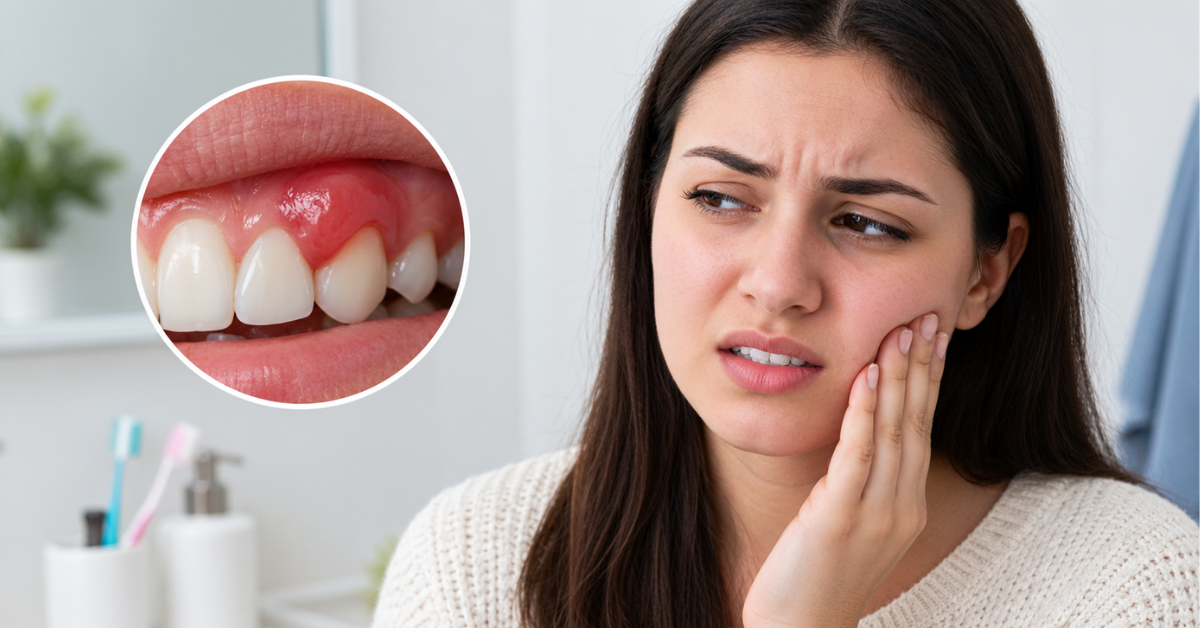
Pregnancy tumors – In some women, overgrowths of tissue called “pregnancy tumors” appear on the gums, most often during the second trimester. It is not cancer but rather just swelling that happens most often between teeth. They may be related to excess plaque. They bleed easily and have a red, raw-looking raspberry-like appearance. They usually disappear after your baby is born, but if you are concerned, talk to your dentist about removing them.
Why You Should Visit Your Dentist During Pregnancy
Don’t skip your regular dental examination and cleaning because you’re pregnant. As an article by Dental Associates notes, “Your dentist can help discuss changes in oral health during pregnancy and what to look for. There is a connection between your health during pregnancy and your baby’s health, so visiting your dentist during pregnancy is essential.”
When you schedule your appointment, tell the receptionist or scheduler to inform the dentist that you’re pregnant – or think that you might be. If a procedure needs to be performed, tell your dentist the names and dosages of all drugs you are taking – including prenatal vitamins, as well as medications. Also mention any specific medical advice your doctor has given you, as your dental treatment plan may need to be altered.
Also be assured that X-rays can be taken with no risk to you or your baby. Your dentist or hygienist will cover you with a leaded apron that shields the abdomen, and a leaded collar to protect your thyroid. X-rays are important because they can reveal unseen oral health issues that are crucial to diagnose and treat before it affects you and your baby. Because the mouth is the gateway to the body, an infection in the mouth can spread to other parts of your body – including your baby.
Should a filling , root canal or tooth extraction be necessary, the numbing medications used during the procedure are safe. Of course, discuss any concerns you may have with your dentist.
Oral Hygiene During Pregnancy
At-home care is also essential to keeping your mouth healthy! Dental Associates offers the following tips:
- Brush your teeth at least twice a day with fluoride toothpaste. If your gums are swollen and tender due to pregnancy gingivitis, try switching to an extra soft toothbrush and brush as gently as possible. After all, it’s the brushing motions that clean teeth – not the pressure of the toothbrush.
- Floss gently once a day. Swollen and tender gums during pregnancy are normal, but see your dentist if you have concerns.
- Ask your dentist about an antimicrobial mouth rinse to help combat the increase of plaque.
- If you have morning sickness and vomiting, rinse your mouth with a teaspoon of baking soda mixed with water. This will help keep stomach acids from attacking your teeth and causing decay.
- Eat a diet rich with calcium, B12 and vitamin C to help keep gums healthy.
By the way, did you know that your baby’s teeth start developing between the third and sixth month of pregnancy? Although they won’t start to erupt until your baby is about six months old, they’re already forming! So by taking care of yourself through proper medical and dental care – as well as good nutrition – you’re already giving your baby a great head start toward a lifetime of good oral health.
The Take-Home Message
While you’re concerned about keeping your baby safe during pregnancy, maintaining good oral health is a very important part of this worthy objective. Keep an eye out for any changes that could indicate an issue, and make an appointment with your dentist as soon as possible. Even if – hopefully – no conditions develop, continue with your regular examination and cleaning schedule.
We understand that the main concern you may have is cost, which is why we accept all major PPO plans for dental insurance and also offer our in-house dental plan. Please see our financing page for more information.
At 24/7 Local Dentist , it is our mission to provide the highest quality and most compassionate oral care to our Chicago patients, including both dental and periodontal services . Our dental specialists include our general dentist, Dr. Nilofer Khan , our endodontist, Dr. Sabek , and our periodontist, Dr. Amir Danesh . Dr. Danesh is a board-certified periodontist and Diplomate of the American Board of Periodontology . He has contributed to the publication of two books, as well as published over 20 papers in prestigious dental research journals.