A toothache has a way of showing up at the worst possible time, and the temptation to just push through it, take some ibuprofen, and hope it fades is a familiar one. Sometimes it even seems to work, at least for a little while. But a toothache is your body telling you something specific is wrong inside your tooth, and it's not something that resolves on its own. Here's what actually happens when that warning sign gets ignored, and why "waiting it out" almost always costs more than it saves.
Why a Toothache Doesn't Just Go Away
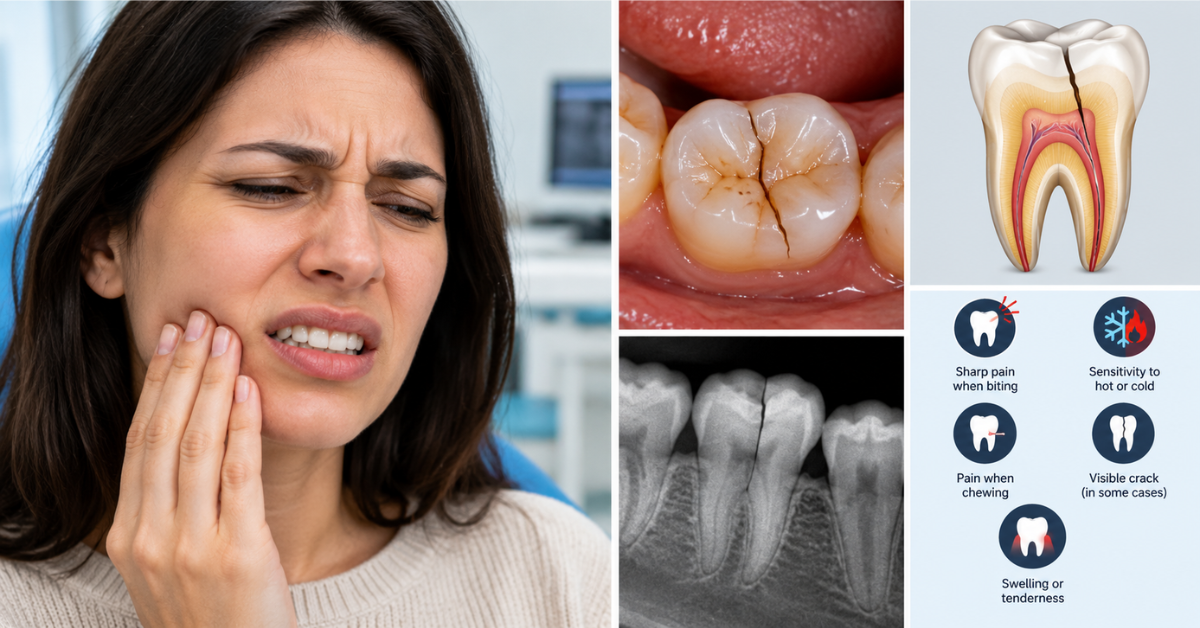
Most toothaches trace back to bacteria reaching the pulp, the soft inner tissue of your tooth that contains nerves and blood vessels. This usually happens through deep decay, a crack or chip, trauma, or in some cases, complications from a previous dental procedure. Once bacteria reach that inner tissue, it becomes inflamed or starts to die, creating exactly the kind of environment an infection needs to grow.
Unlike a lot of minor aches and pains elsewhere in the body, this isn't something your immune system can fully resolve on its own. The tooth's structure doesn't allow the infection to simply drain or heal without intervention, which is why dental pain that's ignored tends to escalate rather than fade for good.
The Infection Spreads, Not Just the Pain
The most immediate risk of ignoring a toothache is that whatever is causing it keeps progressing. A small cavity left untreated gradually deepens until it reaches the pulp. Once that happens, the infection isn't confined to just the tooth anymore, it can spread to the surrounding gums, the jawbone, and neighboring teeth.
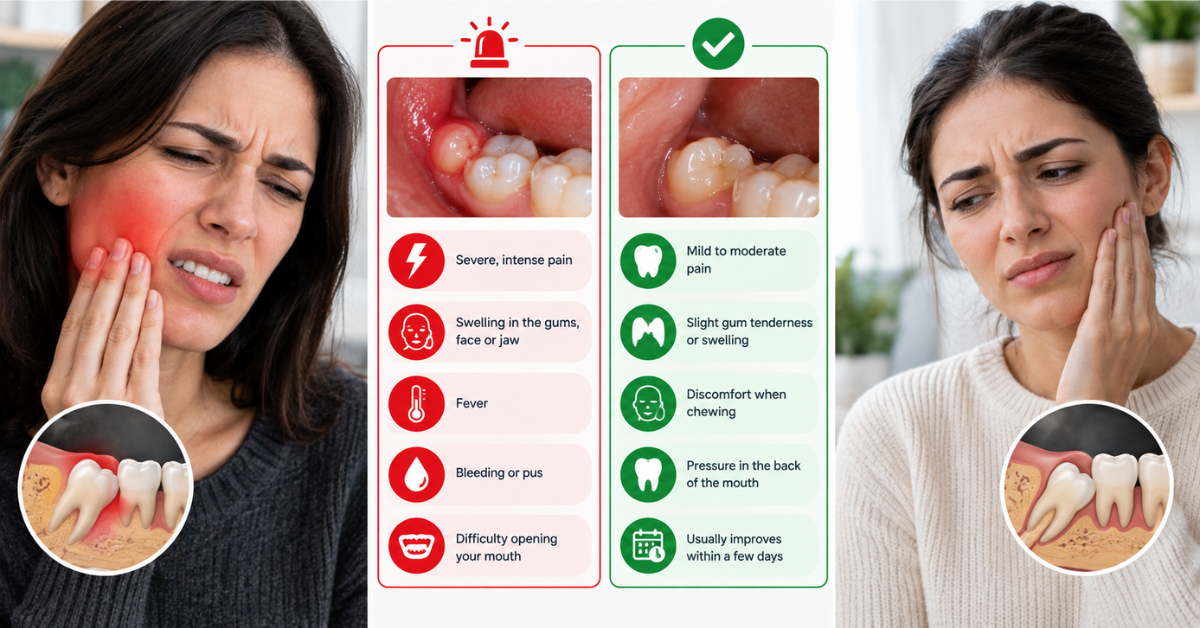
Early signs this is happening include increased pressure, sensitivity to hot or cold, and swelling of the gums near the affected tooth. As it advances further, you may notice more intense pain, swelling in the face or neck, or a small pimple-like bump on the gum, which is a sign of an abscess forming. In some cases, the tooth itself may darken in color or start to feel loose.
Treatment Gets More Complicated, and More Expensive
This is one of the most practical reasons not to wait: the longer a toothache goes untreated, the more invasive (and costly) the eventual fix tends to be.
What might have been resolved with a simple filling early on can progress into needing a root canal, a crown, or in more advanced cases, extraction of the tooth altogether. Waiting doesn't just risk your health, it often turns a smaller, more affordable procedure into a bigger one.
It Can Affect More Than Just That One Tooth
An infection that starts in a single tooth doesn't necessarily stay contained there. As it spreads through the surrounding tissue, it can affect neighboring teeth and gum health more broadly, increasing the risk of gum disease and further decay in the area. What feels like a single isolated problem can, over time, put more of your mouth at risk.
In Rare Cases, It Becomes a Serious Health Risk
This is the part that's easy to dismiss as unlikely, and most of the time, it is rare. But dental infections that are left untreated for long enough can, in uncommon cases, spread beyond the mouth entirely. Depending on how far it travels, this can involve the face, jaw, neck, and in rare instances, deeper structures connected to the brain or heart.
In the most severe cases, an untreated infection can trigger sepsis, a life-threatening condition where the body's immune response to infection becomes dangerously intense and can lead to organ damage or septic shock. Warning signs of a spreading infection can include fever, dizziness, fatigue, rapid heartbeat, rapid breathing, and general malaise alongside the dental symptoms. These situations are uncommon, but they are well documented, which is exactly why dental professionals treat persistent tooth pain as something worth addressing promptly rather than waiting to see if it improves.
Even "Minor" Discomfort Is Worth Paying Attention To
It's worth noting that ignoring a toothache doesn't just mean pushing through severe pain. Even mild, intermittent sensitivity, like a twinge when you drink something cold, can be an early signal of an underlying issue, such as gum recession exposing a tooth's root. These milder symptoms are often much easier and cheaper to address early than after they've progressed into something more serious.
What to Do Instead of Waiting It Out
If you're dealing with tooth pain, whatever the intensity, the safest approach is to have it evaluated rather than monitor it yourself. In the meantime, before your appointment:
- Take over-the-counter pain medication as directed
- Rinse gently with warm salt water
- Apply a cold compress to the outside of your cheek if there's swelling
- Avoid very hot, cold, or sugary foods that might trigger sharper pain
These steps can make you more comfortable, but none of them treat the actual cause. If your pain is severe, comes with swelling, or you notice any signs of a spreading infection like fever or difficulty swallowing, don't wait for a routine appointment; seek emergency dental care right away.
The Bottom Line
A toothache is rarely just an inconvenience to push through. It's a signal that something inside your tooth needs attention, and the longer it's ignored, the more room the underlying problem has to spread, worsen, and become harder to treat. Early intervention is almost always simpler, less expensive, and better for your long-term oral health than waiting until the pain becomes unbearable.
Dealing with a toothache that won't let up? Find a 24/7 emergency dentist near you and get connected with same-day care before it turns into something bigger.
FAQs
Q: Can a toothache go away on its own without treatment?
A: It's possible for pain to temporarily ease, especially if the nerve inside the tooth dies, but that doesn't mean the underlying problem is resolved. In most cases, the infection or decay continues progressing even if the pain feels less noticeable for a while.
Q: How long can I safely wait before seeing a dentist about a toothache?
A: There's no truly safe amount of time to wait. Mild, intermittent discomfort is worth scheduling a regular appointment for soon; severe pain, swelling, or fever should be treated as an emergency and seen right away.
Q: Is it normal for a toothache to come and go?
A: It can happen, but intermittent pain doesn't mean the issue isn't serious. It's still worth having evaluated, since the underlying cause is likely still present and progressing even between flare-ups.
Q: What's the most common outcome of ignoring a toothache too long?
A: Most commonly, a smaller issue like a cavity progresses into needing a root canal, crown, or extraction, treatment that's more involved and expensive than it would have been if addressed earlier.
Q: Can a toothache really become life-threatening?
A: In rare cases, yes. An untreated dental infection can spread beyond the mouth and, in extreme cases, lead to sepsis, a serious, potentially life-threatening condition. This is uncommon, but it's a real risk of prolonged neglect.