You feel completely fine all day, maybe just a little tenderness you barely notice. Then you lie down to sleep, and out of nowhere, your tooth starts throbbing hard enough to keep you staring at the ceiling. If this pattern sounds familiar, you're not imagining it, and it's not a coincidence. There's a real physiological reason nighttime tooth pain hits harder, plus a handful of common dental issues that tend to show up this way.
The Main Reason: Blood Flow Changes When You Lie Down
When you're upright during the day, gravity is quietly working in your favor. Once you lie flat, blood flow to your head increases, and that includes the blood vessels in and around your teeth and gums.
If a tooth is already inflamed, whether from decay, infection, or nerve irritation, that extra circulation adds pressure inside a space that has nowhere to expand. Tooth nerves sit inside a rigid, enclosed chamber, so even a small increase in blood flow can translate into a noticeably stronger throbbing sensation. This is the same reason a headache or sinus pressure can feel worse lying down too.
Fewer Distractions Make Pain Harder to Ignore
During the day, your attention is split across work, conversation, and everything else going on around you, which makes it easier to tune out mild discomfort. At night, once things go quiet and you're trying to fall asleep, there's nothing left to compete for your attention. The pain itself may not have actually changed, but without distraction, your brain focuses on it more directly, and it feels more intense as a result.
What Counts as a Dental Emergency? (7 Signs You Need a Dentist Now)
What's Usually Behind It
Nighttime pain on its own doesn't tell you exactly what's wrong, but it often points toward one of these common causes:
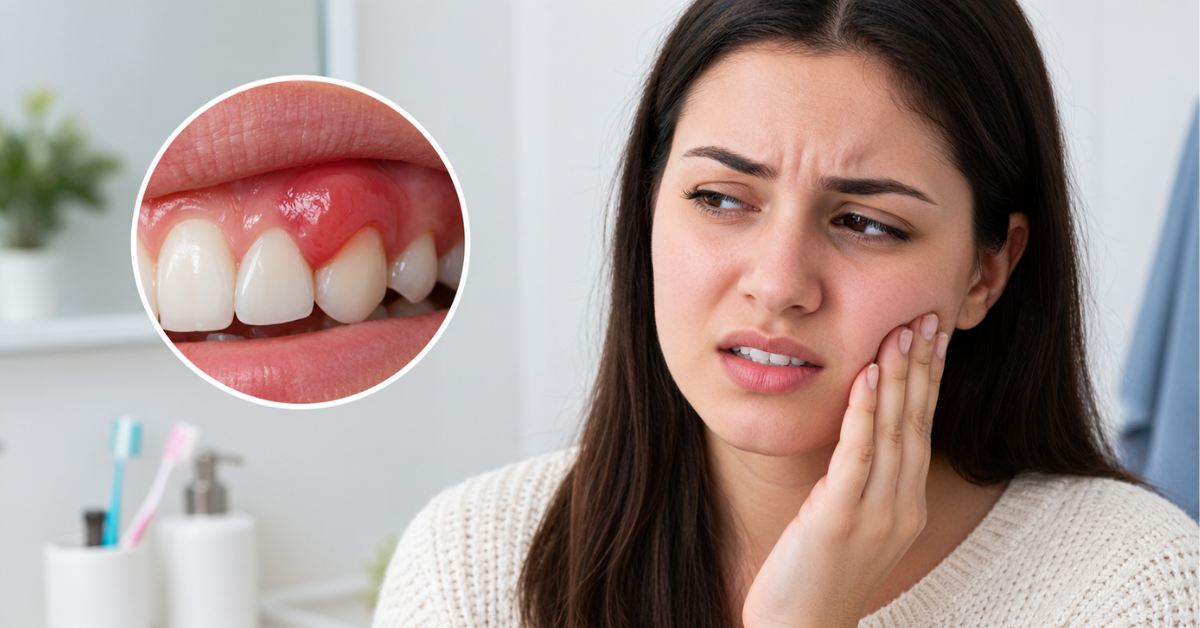
Tooth decay that's reached the nerve. Cavities can sit painlessly for a while, but once decay reaches the inner pulp of the tooth, pain becomes harder to ignore, and that inner tissue is exactly where the increased nighttime blood flow has the most effect.
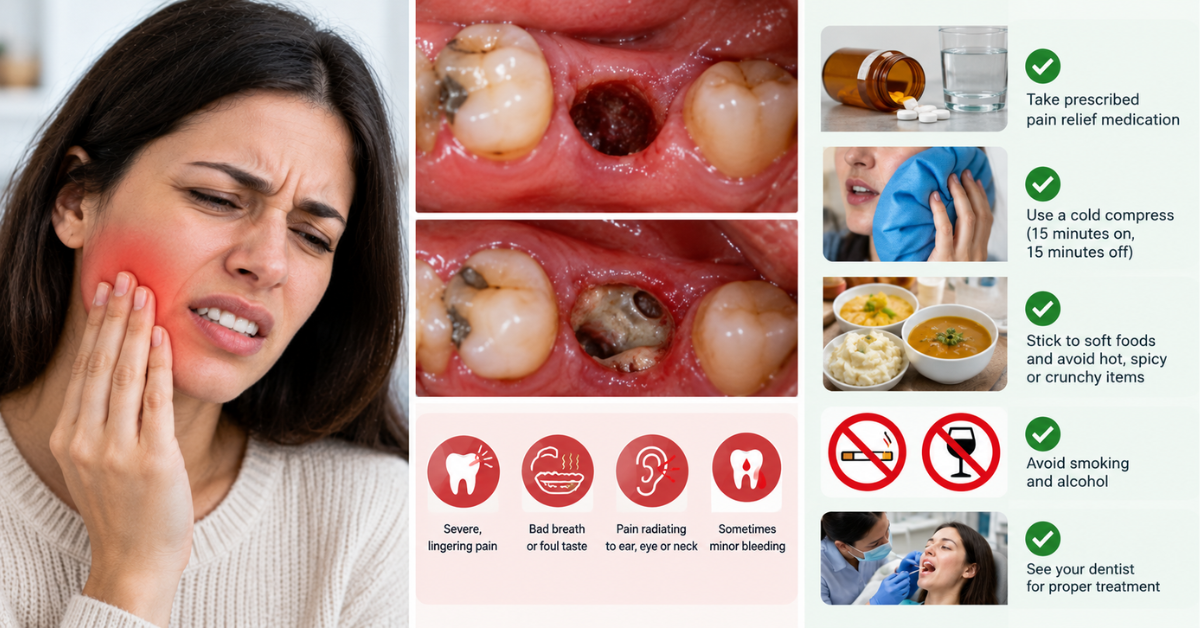
A dental abscess. An abscess is a pocket of infection at the root of a tooth or in the gums, and it typically causes deep, throbbing pain that gets noticeably worse when lying down. This is considered a dental emergency and needs prompt attention, not just pain management.
Gum disease. Inflamed, infected gum tissue can become more sensitive and sore, especially once you're lying still for an extended period.
Nighttime teeth grinding (bruxism). Many people grind or clench their teeth in their sleep without realizing it. This puts significant pressure on teeth and jaw muscles, which can either create new pain or intensify a toothache that was already there, often making mornings feel worse than the night before.
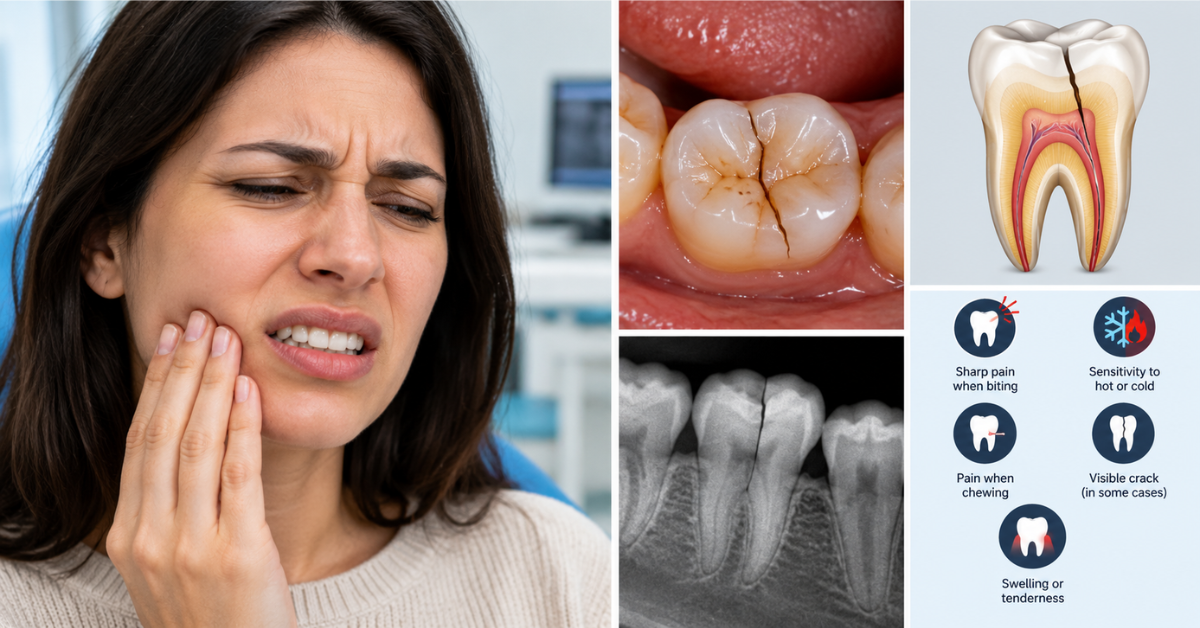
A cracked or fractured tooth. A small crack can go completely unnoticed during the day but become painful once pressure builds inside the tooth overnight.
Sinus pressure. Especially in the upper teeth, pain that seems dental can sometimes actually be related to sinus congestion or pressure, which also tends to build when lying down.
Reduced saliva at night. Saliva helps wash away bacteria and neutralize acid throughout the day. Production naturally slows during sleep, which can allow decay-causing bacteria to become more active overnight.
What You Can Do for Relief Tonight
These steps won't fix the underlying cause, but they can help you get through the night more comfortably until you're able to see a dentist:
- Prop your head up slightly with an extra pillow — reducing the blood flow change that comes with lying completely flat can ease some of the pressure
- Take an over-the-counter pain reliever as directed
- Rinse with warm salt water to reduce mild inflammation
- Apply a cold compress to the outside of your cheek near the painful area
- Avoid sugary, acidic, hot, or cold foods and drinks before bed, since they can trigger sharp pain in a compromised tooth
- Brush and floss gently around the area to clear away any trapped food or plaque
If you suspect grinding is part of the problem, a custom nightguard from a dentist can meaningfully reduce nighttime pressure on your teeth and jaw going forward.
Why You Shouldn't Just Push Through It
It's tempting to treat nighttime tooth pain as a sleep problem to manage rather than a dental problem to fix, especially if the pain seems to ease up once you're distracted the next day. But pain that consistently worsens at night, especially when it becomes spontaneous (happening without any chewing or temperature trigger), often means inflammation has reached the inner nerve tissue of the tooth. At that stage, it's unlikely to resolve on its own, and delaying treatment usually means a more involved procedure later, like a root canal, instead of a simpler fix now.
When Nighttime Tooth Pain Is a True Emergency
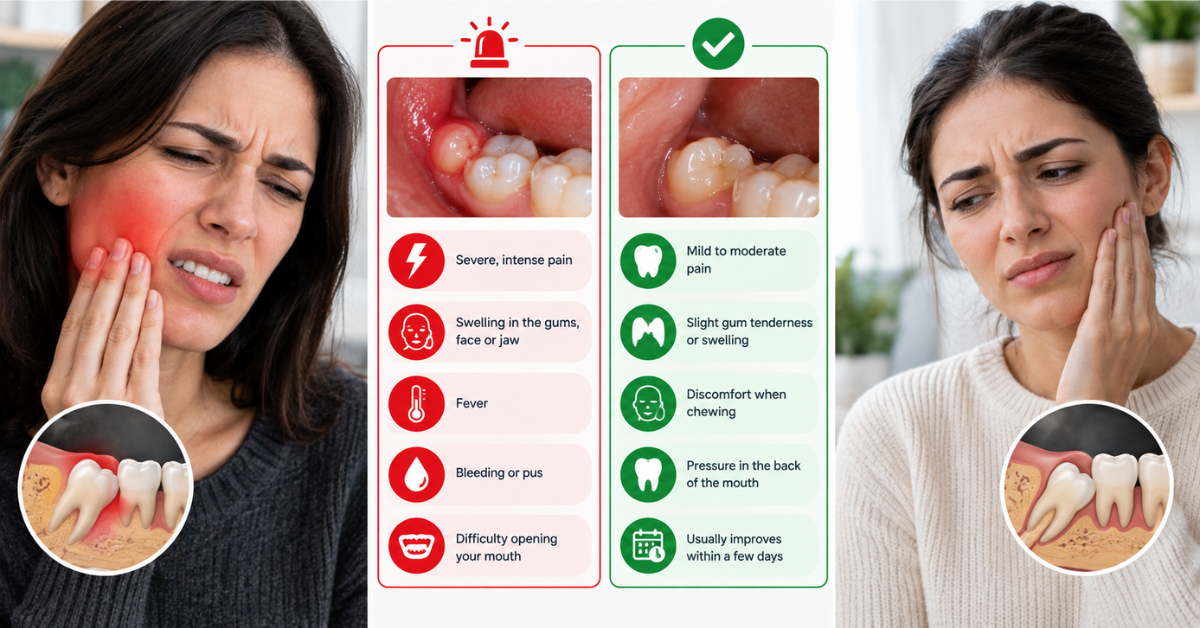
Don't wait until your regular office opens if your nighttime tooth pain comes with any of the following:
- Facial or gum swelling
- Fever
- Difficulty swallowing or breathing
- Pain that's severe and doesn't respond to over-the-counter medication
- A bad taste from drainage near the tooth
These signs suggest the issue has progressed beyond simple inflammation and needs to be evaluated right away.
Getting to the Real Cause
Home care can get you through a rough night, but it's not a substitute for having the tooth properly diagnosed. A dentist can determine through an exam and imaging whether you're dealing with nerve inflammation, infection, a fracture, or referred sinus pain, and each of those has a different, specific treatment. The earlier it's caught, the more predictable and less invasive that treatment tends to be.
Tooth pain keeping you up at night? Find a 24/7 emergency dentist near you and get connected with same-day care so you're not stuck waiting through another painful night.
FAQs
Q: Is it normal for tooth pain to only happen at night?
A: It's common, but it's still a sign something needs attention. The pain isn't new at night, it's just intensified by increased blood flow and fewer daytime distractions. The underlying cause needs to be evaluated regardless of when the pain is most noticeable.
Q: Can teeth grinding alone cause nighttime tooth pain?
A: Yes. Grinding puts significant pressure on teeth and jaw muscles overnight, which can cause or worsen tooth pain, especially if you notice soreness upon waking. A dentist can confirm this and recommend a nightguard if needed.
Q: Should I go to the ER for nighttime tooth pain?
A: Only if you're experiencing facial swelling with fever, difficulty breathing or swallowing, or symptoms that suggest the infection is spreading rapidly. Otherwise, an emergency dentist is the more appropriate option for treating the tooth itself.
Q: Will over-the-counter pain medication fix the problem?
A: No. It can temporarily reduce discomfort, but it doesn't treat the underlying cause, whether that's decay, infection, or a cracked tooth. The pain is likely to return until the actual issue is treated.
Q: Why does elevating my head help with tooth pain at night?
A: Keeping your head slightly elevated reduces the extra blood flow that occurs when lying completely flat, which can ease some of the pressure contributing to nighttime throbbing. It's a temporary comfort measure, not a treatment.