A little blood after dental work is normal. A lot of blood, for a long time, is not. The hard part is telling the two apart when you’re sitting at home with a mouth full of gauze and a growing sense of worry.
Whether you’ve just had a tooth extracted, a wisdom tooth removed, a deep cleaning, or an implant placed, some oozing is expected. Your mouth has a rich blood supply, and even a small amount of blood mixed with saliva can look far more dramatic than it really is. That’s why so many people panic over what turns out to be perfectly normal healing. At the same time, bleeding that is heavy, bright red, or continues well past the first day can signal a problem that needs attention, and waiting too long to act can make things worse.
This guide helps you sort it out. You’ll learn what normal bleeding looks like, how to stop it the right way, and which signs mean you should call for help. If you’re dealing with bleeding right now, the step-by-step section below will walk you through what to do first.
What Counts as a Dental Emergency?
Is Bleeding After a Dental Procedure Normal?
Yes, up to a point. Your dentist has worked on a spot that is full of tiny blood vessels. Your gums heal by forming a blood clot. So some bleeding is expected.
Here's what normal looks like:
- Pink or red-tinged saliva
- Light oozing that slows down over a few hours
- A little blood on your gauze when you change it
- Mild oozing that comes and goes for up to a day
Here's a tip that calms a lot of people. A small amount of blood mixes with saliva and looks like much more than it is. A teaspoon of blood can turn your whole mouth pink. That is usually not a problem.
Bleeding that is bright red, steady, and keeps filling your mouth is a different story. We'll get to that.
How Long Does Bleeding Last After a Tooth Extraction?
Tooth extractions cause the most worry, so let's take them one stage at a time.
The first hour. This is when bleeding is heaviest. Keep firm pressure on the site with gauze.
The rest of day one. You may still see oozing or pink saliva. It should get lighter as the hours pass.
Day two. Most people see very little. A tiny bit of pink in your saliva is still fine.
After that. Active bleeding should be over. If blood returns later, the clot may have come loose. Call your dentist.
Wisdom teeth and surgical extractions can ooze a bit longer than a simple one. Ask your dentist what to expect for your case. Our page on tooth extraction explains the basics, and our page on wisdom teeth covers that procedure.
How to Stop Bleeding After a Tooth Extraction
Most bleeding stops when you use gauze the right way. Many people get this part wrong, and the bleeding drags on.
- Take out the old gauze. Wipe away any loose blood with a clean cloth.
- Fold a fresh piece. Make a pad thick enough to cover the whole site and let you bite down on it.
- Place it right on the spot. It should sit directly over the socket, not beside it.
- Bite down firmly. Use steady pressure. Don't chew on it.
- Hold it for 30 to 45 minutes. Set a timer. Don't peek to check.
- Change it only if it's soaked. If it still looks dry, leave it.
If it's still bleeding after that, try a damp black tea bag. Wet it, squeeze it out, and bite down on it for 20 to 30 minutes. Tea contains tannic acid, which helps blood clot.
Keep your head raised, too. Sit up or prop your head with pillows. Lying flat can make bleeding last longer.
Why Won't the Bleeding Stop?
If you did all that and it still won't quit, one of these is often the reason.
The gauze isn't in the right place. If it's sitting beside the socket, it can't press on the clot.
You changed it too soon. Each time you pull it out, you can rip away the clot that is forming.
You rinsed, spat, or used a straw. These actions can pull the clot loose in the first 24 hours.
You're too active or too warm. Hard exercise, hot drinks, and a hot shower can raise blood flow to your face.
You're touching the area. Poking it with your tongue or finger can disturb the clot.
You smoke or drink alcohol. Both slow healing and can restart bleeding.
You take blood thinners or certain medicines. More on that below.
Bleeding After Other Dental Procedures
Extractions get the attention, but other treatments can cause bleeding too.
Deep cleaning. Your gums may bleed lightly for a day or two. It should fade fast.
Root canal. Bleeding is usually small. Most of the soreness comes from the tooth and jaw, not blood. See our page on root canals.
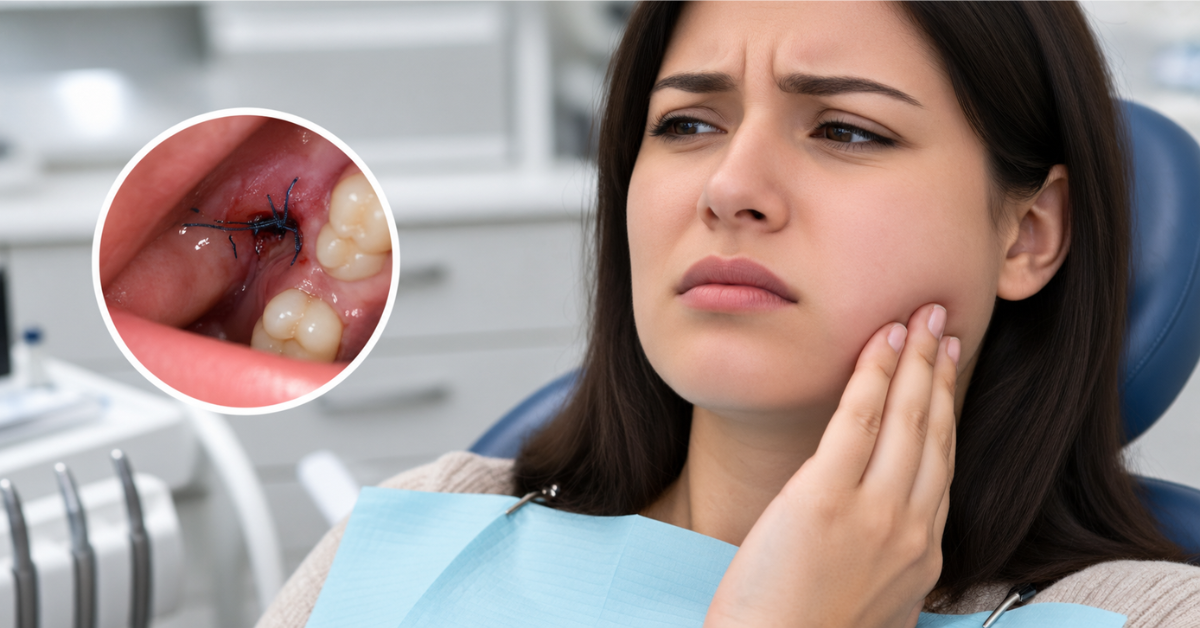
Dental implants and gum surgery. Some oozing for the first day is normal. You may have stitches. Follow your dentist's written instructions closely.
Fillings and crowns. Bleeding is rare. If your gum bleeds after one, it may have been nicked or irritated by the work.
Cuts to the lip, tongue, or cheek. Numbness can make you bite yourself without knowing. For that, see our page on a soft tissue injury.
Blood Thinners and Dental Work
Some medicines make bleeding last longer. These include prescription blood thinners and everyday aspirin and anti-inflammatory pills. Some supplements do it too, like fish oil, vitamin E, and ginkgo.
Two rules:
- Tell your dentist about everything you take before any procedure. Include supplements.
- Never stop a prescribed blood thinner on your own. Stopping it can be dangerous. Your dentist and your doctor will decide what's safe.
Health conditions can also affect bleeding, such as liver disease or a clotting disorder. If you have one, tell your dentist ahead of time.
Bleeding Gums That Won't Stop: When to Worry
When Is Bleeding After Dental Work an Emergency?
Call your dentist right away if:
- Bleeding is heavy after 30 minutes of firm gauze pressure
- Blood soaks through gauze in a few minutes
- Bright red blood keeps filling your mouth
- Bleeding comes back after it had stopped
- You still have steady bleeding after 24 hours
Go to the ER, or call 911, if:
- You feel dizzy, faint, or weak
- You have trouble breathing or swallowing
- You're coughing up or vomiting a lot of blood
- You can't reach your dentist and the bleeding won't stop
Don't wait it out. Heavy bleeding can lead to blood loss, and it can also point to a problem that needs treatment. If swelling shows up too, read our guide on swelling after a tooth extraction. For more on this topic, see our page on oral bleeding.
Getting Through the First Night
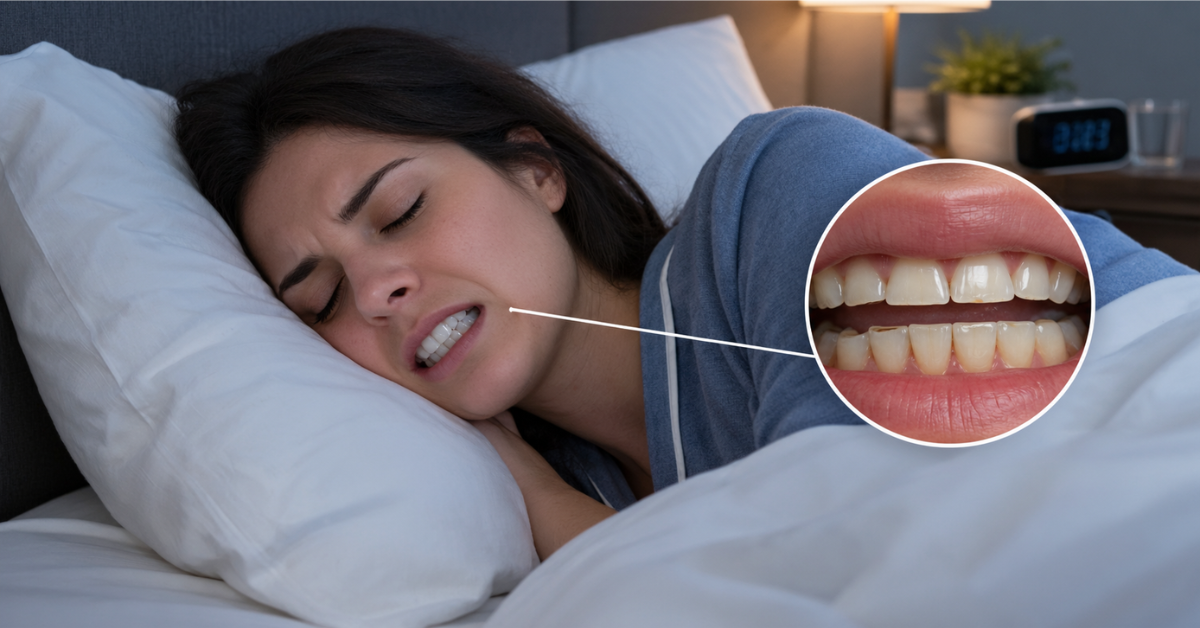
Bleeding often flares up at night, when you lie down and can't see what's happening. A few small steps help.
- Sleep with your head raised on two or three pillows.
- Put a dark towel over your pillowcase.
- Keep spare gauze on the nightstand.
- Skip hot drinks and alcohol before bed.
- Don't rinse your mouth if you wake up. Use a fresh piece of gauze instead.
If you wake up with a mouth full of blood, don't panic. Sit up, remove the old gauze, and follow the steps above.
Three Myths About Bleeding After Dental Work
Myth: "Rinsing helps clean the blood away."
It does the opposite in the first 24 hours. Rinsing can wash out the clot your body is building.
Myth: "If I see blood, something went wrong."
Not at all. Some blood is part of healing.
Myth: "I should keep checking the gauze."
Every check disturbs the clot. Bite down, wait out the full time, and look only when it's done.
How to Prepare Before Your Procedure
A few minutes of planning makes a big difference.
- Ask your dentist what bleeding is normal for your treatment.
- Ask for written aftercare steps.
- Share your full medicine and supplement list.
- Buy gauze before you go. Pharmacies sell sterile packs.
- Make sure you have the office's after-hours number.
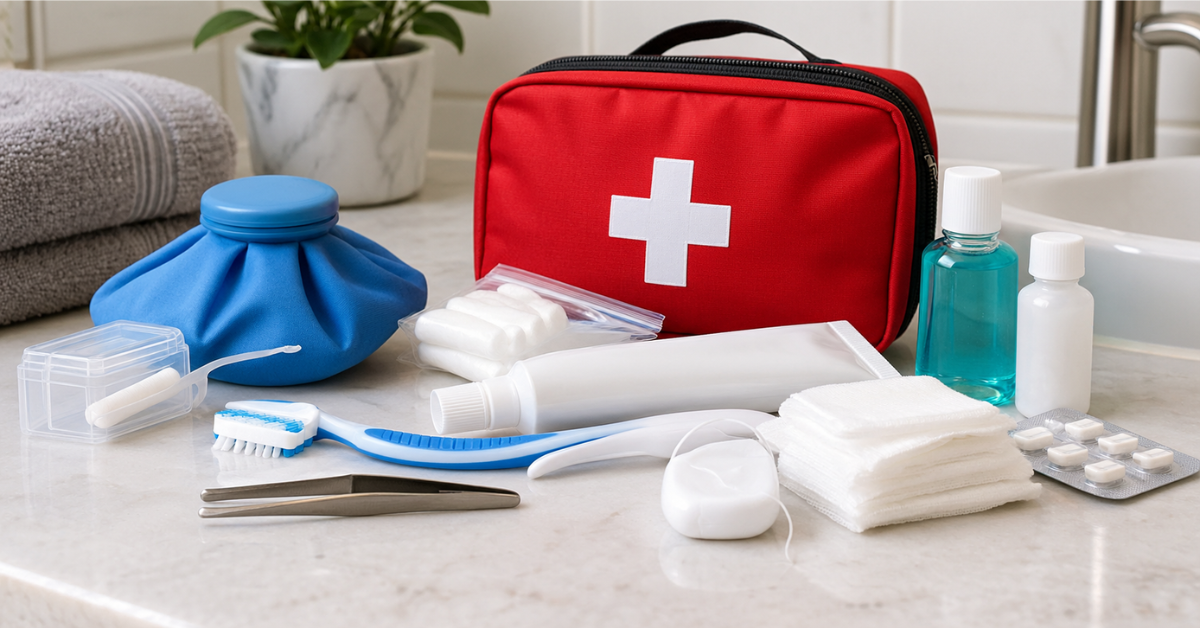
It also helps to keep a dental emergency kit at home. Gauze, a cold pack, and a flashlight are all in there.
Can't Reach Your Dentist? We Can Help.
If it's late, your office is closed, and your mouth won't stop bleeding, you have options. Call 24/7 Local Dentist at
(833) 220-2448 or request a call back here. A live operator will help connect you with an emergency dentist near you, at any hour.