A little pink in the sink after brushing is common enough that most people ignore it entirely, rinse, spit, move on with the morning without a second thought. And for a lot of people, that's a perfectly reasonable response, a small amount of occasional bleeding often isn't cause for alarm. But there's a real difference between that occasional spot of blood and something more persistent, gums that keep bleeding during meals, that you notice on your pillow when you wake up, or that seem to start for no clear reason at all, unrelated to brushing or flossing. That second pattern tends to get brushed off too, mostly because it doesn't come with obvious pain the way a toothache does, so it's easy to assume it'll sort itself out. If you're dealing with bleeding that fits that second description, it's worth actually figuring out why, rather than continuing to treat it as background noise.
Why Gums Bleed in the First Place
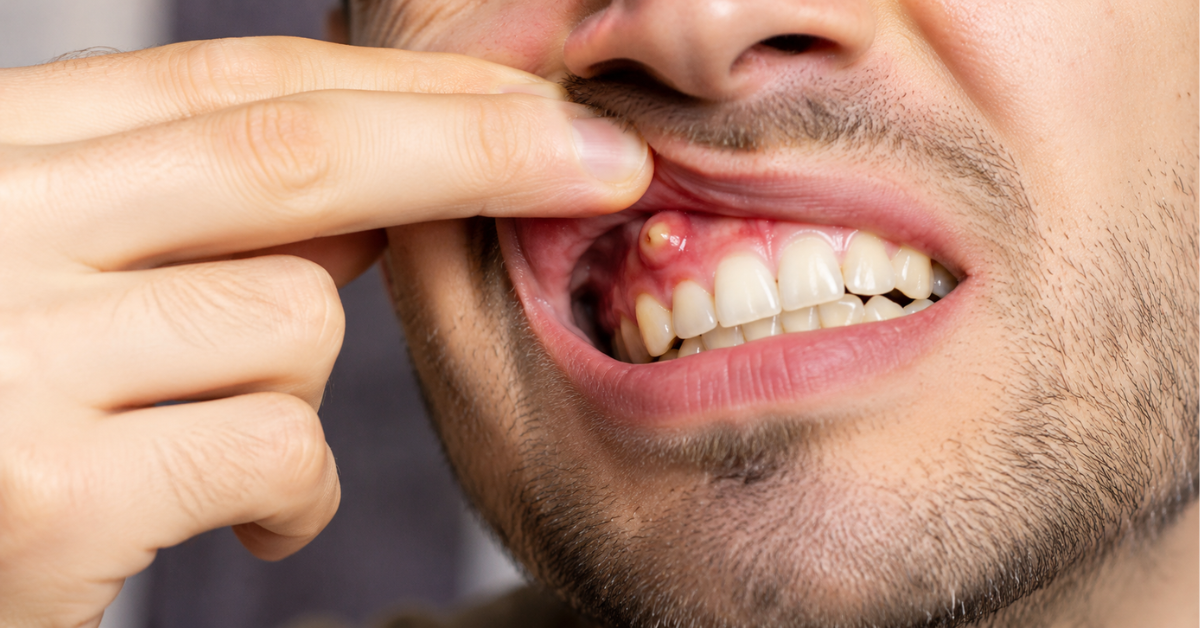
Gum tissue bleeds when it's inflamed. The most common reason, by far, is plaque buildup along the gumline that the immune system is reacting to — this is gingivitis, and it's reversible with better brushing and flossing. But bleeding gums can also be a symptom of something further along, like periodontitis, where the infection has started affecting the bone that holds your teeth in place.
There are non-dental causes too. Blood thinners, certain medications, pregnancy hormones, vitamin deficiencies (particularly vitamin C or K), and some underlying health conditions affecting clotting can all make gums bleed more easily, sometimes even when your oral hygiene is fine.
Q: My Gums Bleed a Little Every Time I Brush. Is That Normal?
Not really "normal" in the sense of being healthy, but it's extremely common and usually fixable. It typically means plaque has built up enough to irritate the gum tissue. A few weeks of more consistent brushing and flossing — even if it bleeds more at first — often clears it up. If it doesn't improve after two to three weeks of good hygiene, that's a sign to get a cleaning and checkup rather than keep waiting.
What Counts as a Dental Emergency?
Q: What if It's Not Just Brushing — My Gums Bleed Randomly, or Don't Stop?
This is a different situation and deserves more attention. Spontaneous bleeding (gums bleeding without any trigger like brushing or flossing) can point to a more advanced gum infection, a blood clotting issue, or a medication interaction. If you've started a new medication recently — especially a blood thinner — mention that when you call, since it may be relevant.
Q: How Much Bleeding Is Too Much?
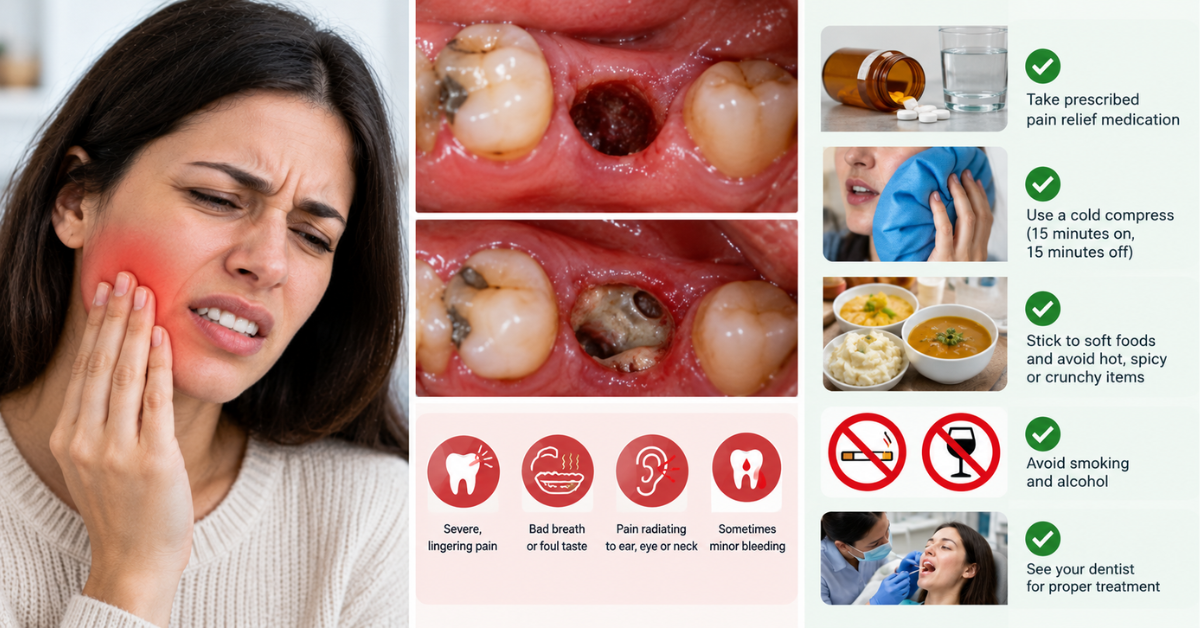
A useful way to think about it: brief bleeding that stops within a minute or two after brushing is usually just gingivitis. Bleeding that continues for several minutes, soaks through gauze, or keeps recurring throughout the day is not something to sit on. Persistent bleeding can also mean you need to apply pressure properly and consistently — hold folded gauze firmly against the area for a full 10–15 minutes without repeatedly checking it, which resets the clotting process each time.
When to Treat It as an Emergency
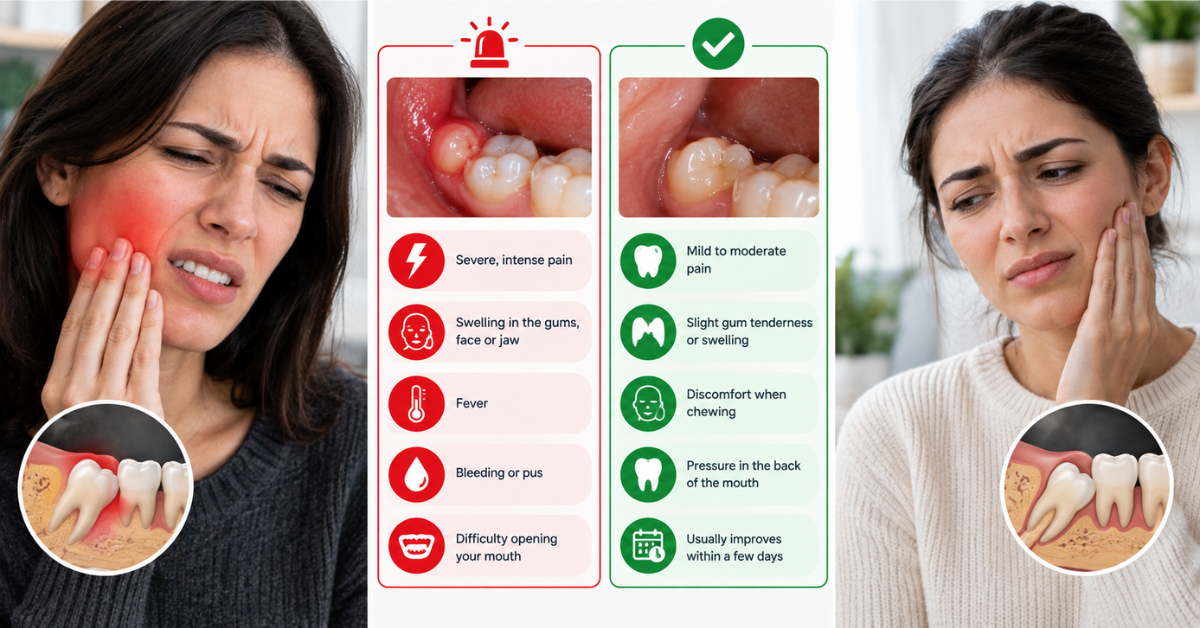
Get seen urgently — same day if possible — if you notice any of the following:
- Bleeding that won't stop after 15–20 minutes of firm, continuous pressure
- Bleeding heavy enough that you're swallowing a significant amount of blood or feeling lightheaded
- Bleeding that started after a dental procedure and seems to be getting worse instead of better
- Gum bleeding along with loose teeth, significant swelling, or fever
- You're on a blood thinner and the bleeding isn't responding to normal measures
Uncontrolled bleeding, especially combined with dizziness or a rapid heartbeat, is a sign to go to an emergency room rather than wait for a dental appointment.
What a Dentist Will Actually Do About It
For gingivitis-level bleeding, a professional cleaning to remove built-up plaque and tartar is usually enough to turn things around within a couple of weeks. If the bleeding is tied to periodontitis, treatment may involve a deeper cleaning below the gumline (scaling and root planing) and a plan to manage it long-term. If your dentist suspects the cause isn't dental at all — a clotting disorder, a vitamin deficiency, or a medication effect — they may refer you back to your physician for bloodwork.
In the Meantime
- Rinse gently with cool water, not hot
- Apply firm, steady pressure with gauze or a clean cloth if actively bleeding
- Avoid alcohol-based mouthwash, which can irritate already-inflamed tissue
- Keep brushing gently rather than avoiding the area altogether — skipping oral hygiene tends to make gum inflammation worse, not better
Occasional light bleeding is your gums asking for more attention. Bleeding that won't stop, keeps coming back, or shows up with other symptoms is your body telling you something needs to be looked at properly — don't wait for it to go away on its own.