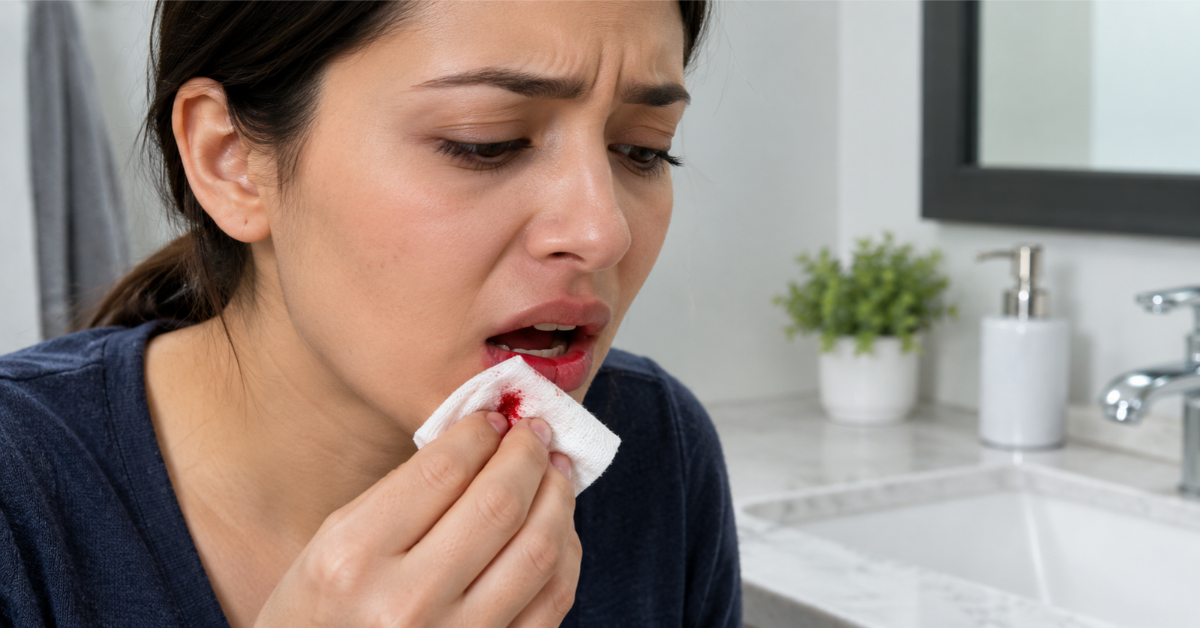
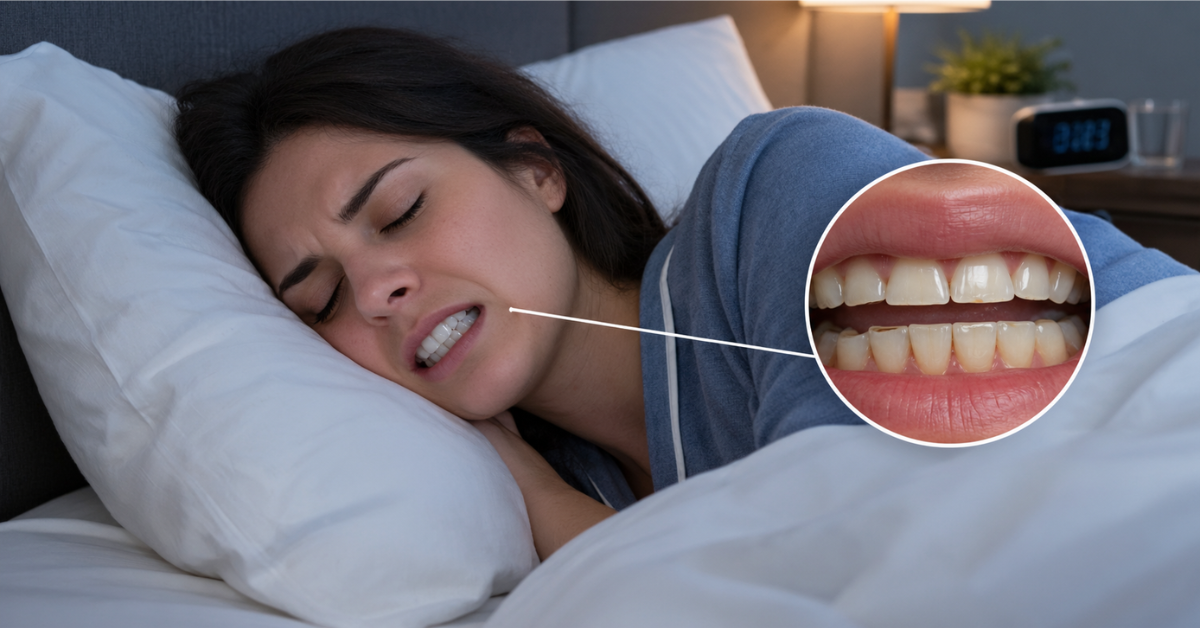
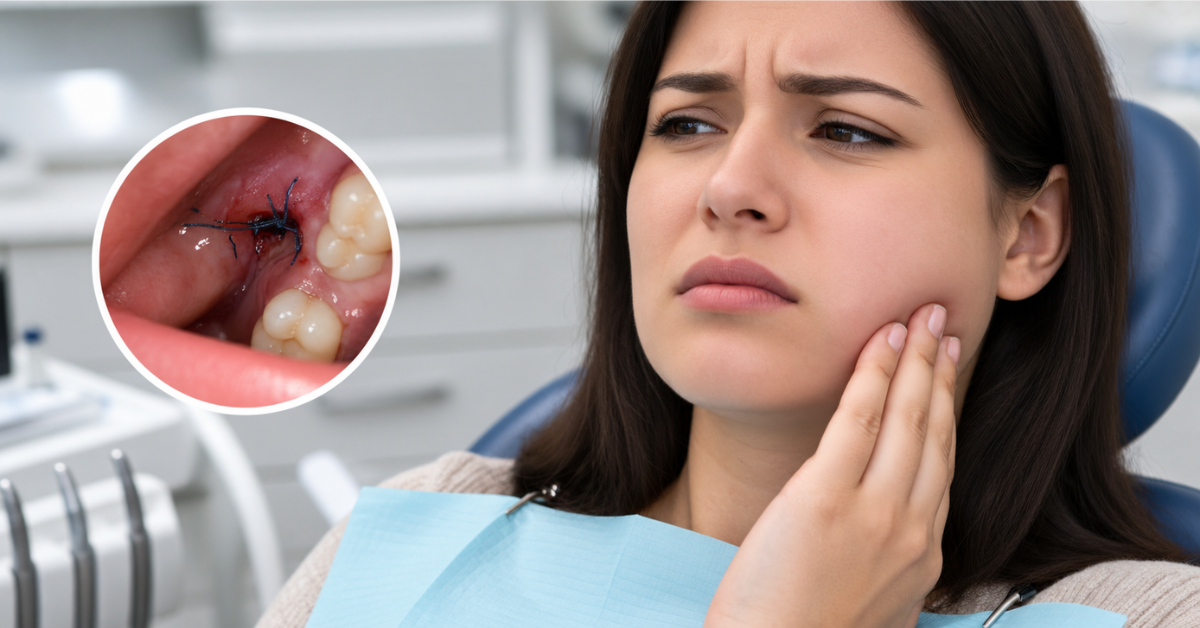
Most people expect some soreness after a tooth extraction. You take the pain medication on schedule, stick to soft foods, maybe feel a little rough for a day or two, and figure it'll steadily get better from there. That's exactly how it's supposed to go, and for most people, it does. What catches people off guard is when it doesn't follow that script, when the pain that was supposed to be fading instead starts creeping back up, sometimes sharper than it was on day one. You might assume you're just being impatient, or that healing isn't linear and this is a normal bump along the way. But pain that gets worse two or three days after an extraction, rather than better, isn't just an unlucky day, it's usually the first clue something's not healing the way it should. More often than not, that something is a dry socket.
What's Actually Going On
After a tooth comes out, a blood clot forms in the socket. That clot isn't just there to stop the bleeding — it protects the bone and nerve endings underneath while new tissue grows in. Dry socket happens when that clot gets dislodged or dissolves too early, leaving the bone exposed to air, food, and bacteria. It's technically called alveolar osteitis, and it's one of the more common complications after a tooth is pulled, especially with lower wisdom teeth.
It's not an infection in the traditional sense, but the exposed bone is extremely sensitive, which is why it hurts so much more than a normal healing socket.
Why It Happens
A few things raise the odds:
Smoking or vaping in the days after surgery is probably the biggest one — the sucking motion alone can pull the clot loose, and nicotine slows healing on top of that. Using a straw does the same thing through suction. Spitting forcefully, rinsing too aggressively, or brushing right over the site can also disturb the clot before it's had time to stabilize. Some people are just more prone to it regardless of how careful they are, particularly with lower molar extractions, where blood supply to the area is naturally less than in the upper jaw.
How Do I Stop a Toothache Fast at Home?
How to Tell It's Dry Socket and Not Normal Healing Pain
Normal post-extraction pain tends to peak within the first day or two and then gradually fade. Dry socket does the opposite — it shows up or worsens around day 2 to 4.
Signs to look for:
- Pain that intensifies rather than improves a few days after the extraction
- Pain that radiates to your ear, eye, or neck on the same side
- An empty-looking socket, sometimes with visible bone rather than the dark clot
- A bad taste or smell coming from the extraction site
- Pain that isn't well controlled by the medication you were prescribed
If you look in the mirror and the socket looks empty or grayish rather than filled with a dark red clot, that's a fairly reliable sign.
Is This an Emergency?
Dry socket itself isn't dangerous — it's not going to spread or become life-threatening the way an infection can. But it is genuinely one of the more painful things you can experience after a dental procedure, and it won't resolve on its own without treatment. You should call your dentist or oral surgeon promptly, ideally the same day symptoms start ramping up, rather than trying to wait it out.
Where it does become more urgent is if the pain is accompanied by fever, pus, significant swelling of the face, or if it's been going on for over a week without improvement — those point toward a secondary infection rather than straightforward dry socket, and need to be evaluated sooner.
What Counts as a Dental Emergency? (7 Signs You Need a Dentist Now)
What Treatment Looks Like
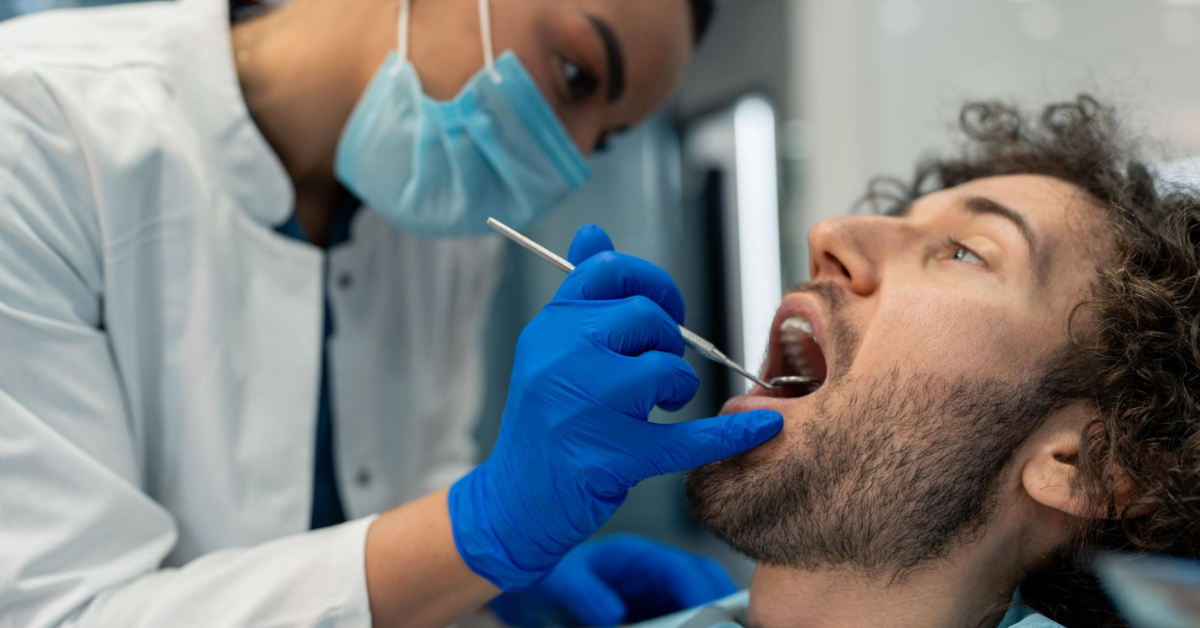
The fix is usually quick relief, even though it doesn't sound like much: your dentist cleans out the socket and packs it with a medicated dressing that soothes the exposed bone and encourages healing. Many patients feel noticeably better within minutes of the packing being placed. Depending on how it heals, you may need the dressing changed every day or two for several days.
Getting Through It at Home in the Meantime
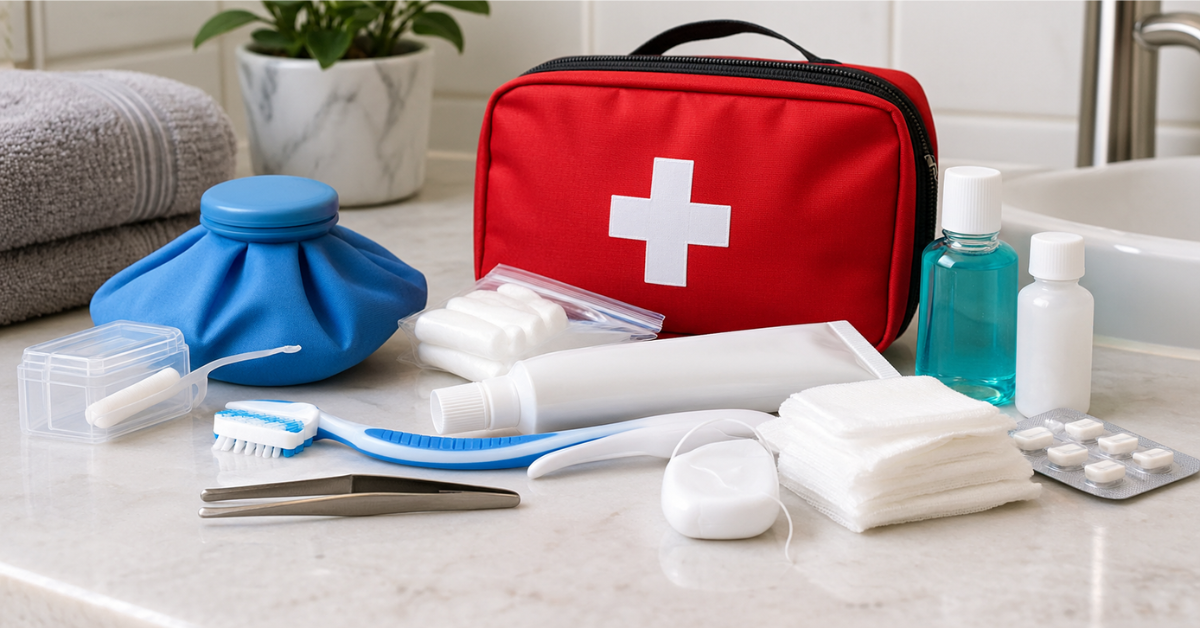
- Rinse gently with warm salt water — don't swish hard, just let it flow around the area
- Stick with the pain medication schedule your dentist gave you; dry socket pain tends to outpace what people expect
- Avoid smoking, vaping, straws, and spitting
- Eat soft, cool foods and steer clear of anything crunchy near the site
- A cold compress on the outside of the jaw can take the edge off swelling and discomfort
Dry socket is uncomfortable, sometimes dramatically so, but it's also one of the more straightforward things a dentist can fix once you're in the chair. The main thing is not to tough it out for days assuming it'll pass — it generally needs that dressing to actually heal.