Wisdom teeth usually make their presence known sometime between the ages of 17 and 25, and for most people, that means at least a few days of soreness in the back of the jaw. But there's a real difference between the dull ache of a tooth pushing through and pain that signals something has gone wrong — like an infection, impaction, or abscess. Knowing which one you're dealing with changes whether you need to wait it out or get seen right away.
Why Wisdom Teeth Hurt in the First Place
Wisdom teeth (your third molars) are the last teeth to come in, and by the time they try to erupt, there's often not enough room left in the jaw. This can cause them to come in at an angle, get partially stuck under the gum, or push against the neighboring molar — all of which can cause pain, pressure, and swelling even when nothing is actually wrong.
Normal Eruption Discomfort
If your wisdom tooth is simply doing what wisdom teeth do, you can typically expect:
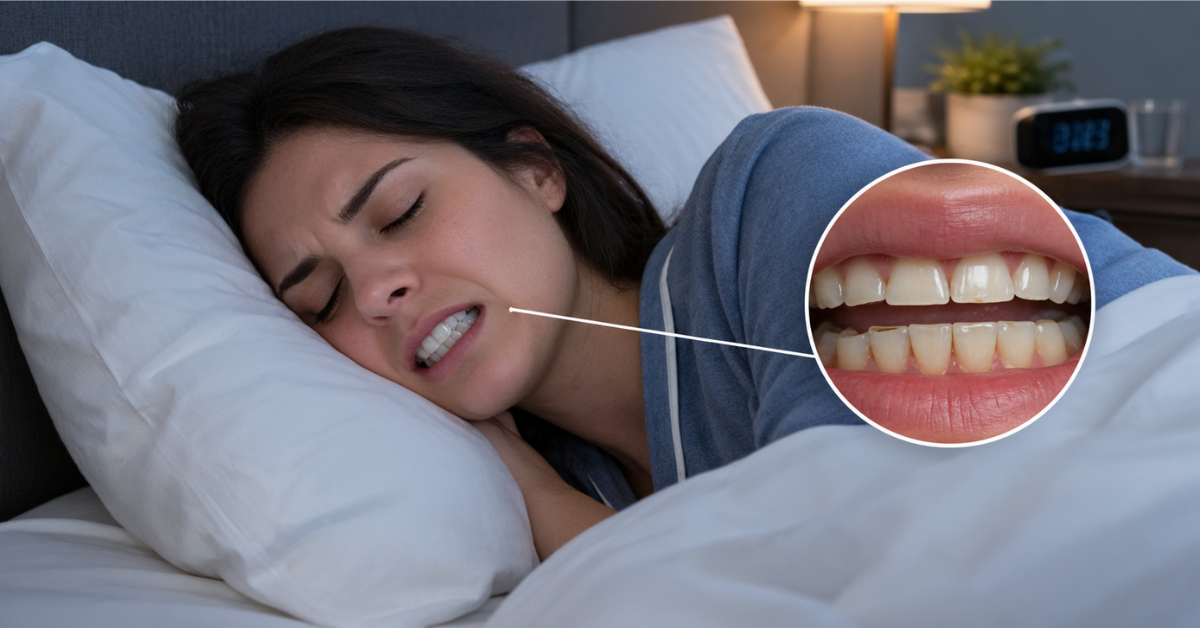
- Mild to moderate soreness in the back of the jaw that builds gradually over a few days
- Tenderness or slight swelling of the gum directly around the erupting tooth
- Discomfort that responds to over-the-counter pain relievers
- Mild jaw stiffness, especially opening wide
- Symptoms that come in waves as the tooth pushes through, then settle for weeks or months before the next bit of eruption
This kind of discomfort is uncomfortable but manageable, and it usually doesn't come with fever, spreading swelling, or pain that gets dramatically worse day over day.
How Do I Stop a Toothache Fast at Home (While Waiting for a Dentist)?
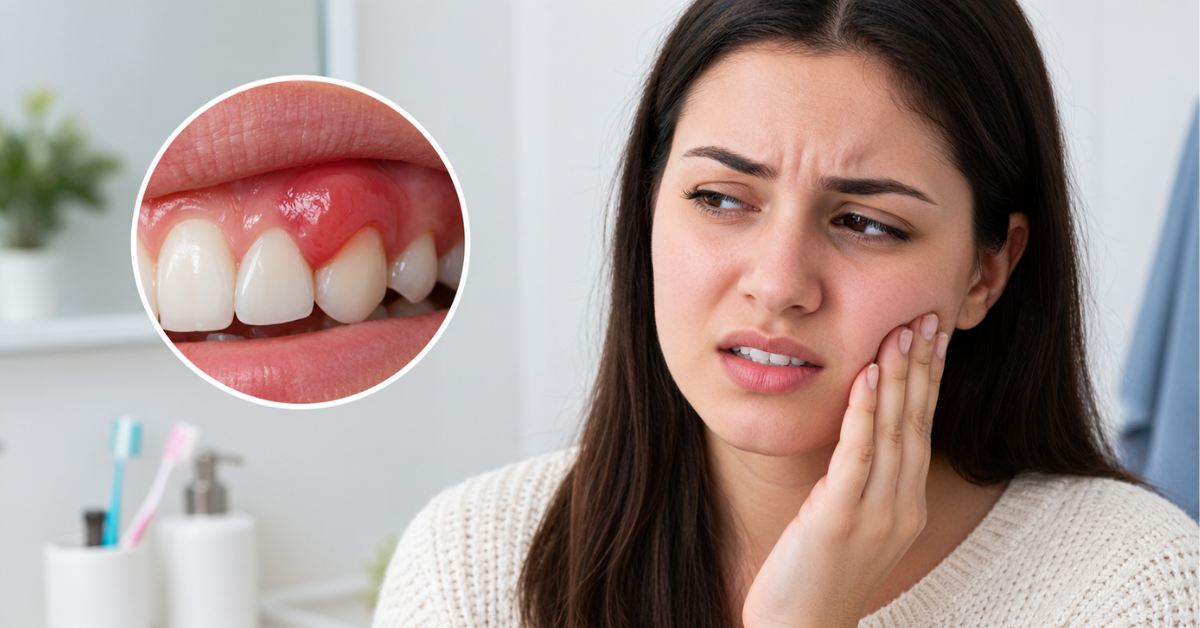
Signs of a Problem: Impaction, Infection, or Pericoronitis
Pain that goes beyond normal eruption soreness is often caused by:
- Pericoronitis — inflammation and infection of the gum flap covering a partially erupted wisdom tooth, common when food and bacteria get trapped underneath
- Impaction — the tooth is angled or blocked and can't erupt normally, putting pressure on the neighboring tooth or nerve
- Decay or infection in the wisdom tooth itself or the molar next to it, since partially erupted wisdom teeth are hard to clean and prone to cavities
Emergency Warning Signs
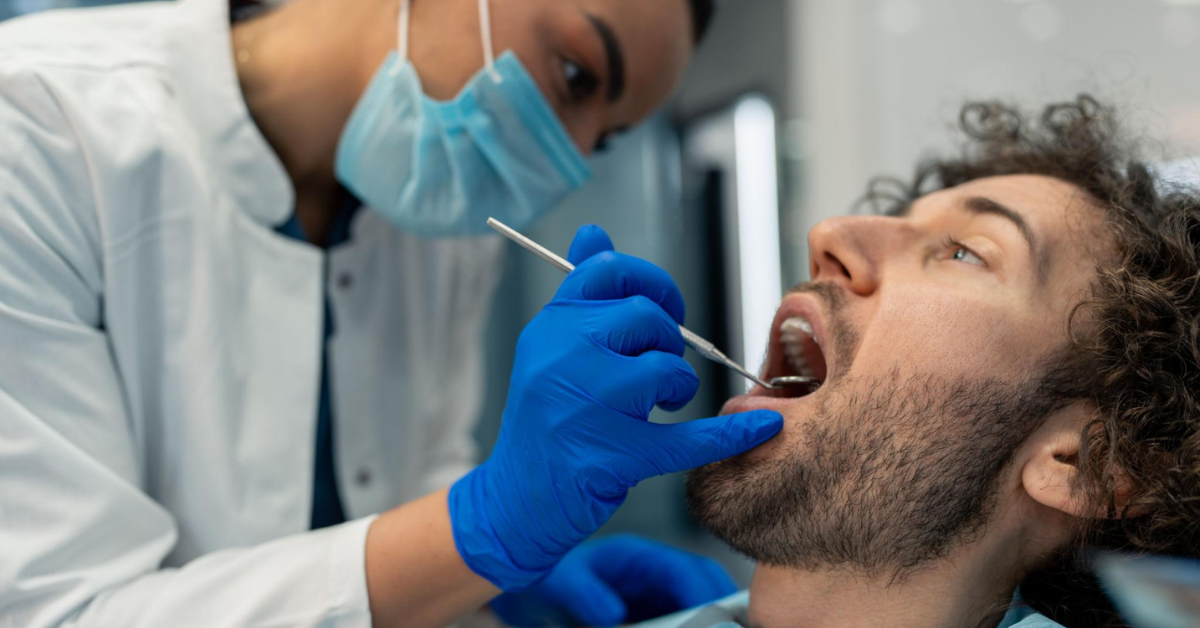
Call an emergency dentist or seek urgent care right away if you notice:
- Swelling in the face, cheek, or jaw that is spreading or getting worse
- Difficulty opening your mouth fully (lockjaw)
- Pain that is severe, constant, and getting worse rather than better
- Difficulty swallowing or breathing
- A fever, chills, or feeling generally unwell
- Pus or a foul taste draining from around the tooth
- Swelling that extends down the neck or up toward the eye
These symptoms point toward an active infection that has moved beyond the gum tissue — something that can progress quickly and, in rare but serious cases, spread to deeper structures in the neck or airway. If you have facial swelling combined with fever or any trouble breathing or swallowing, this is an emergency-room-level situation, not something to wait on.
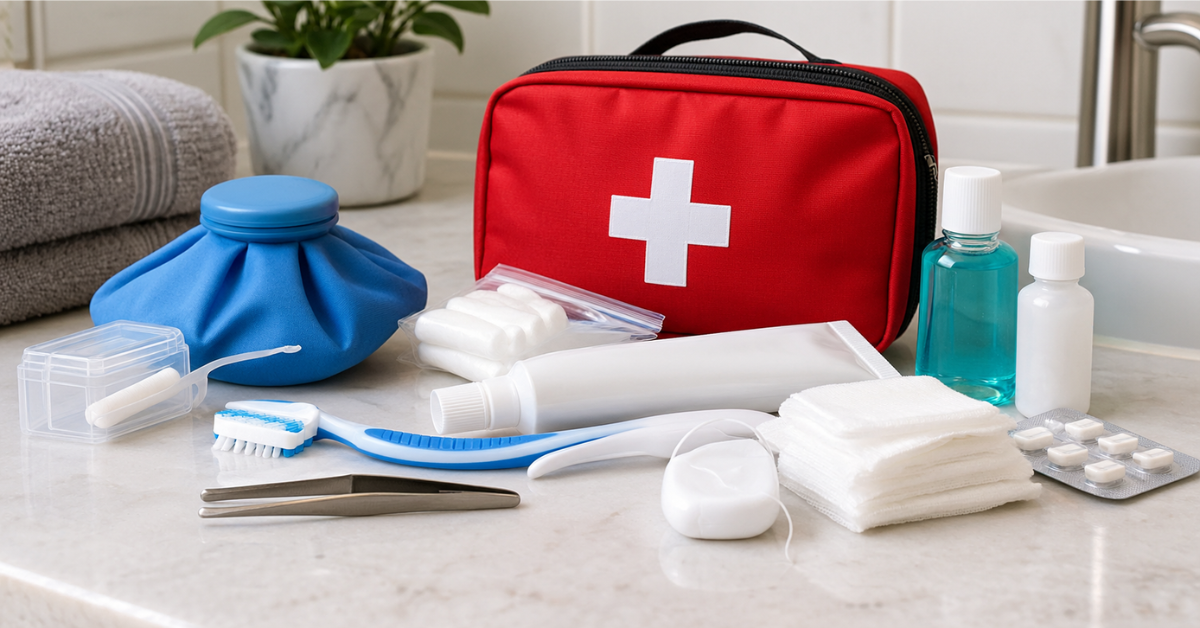
What You Can Do for Normal Eruption Discomfort
- Rinse with warm salt water several times a day, especially after eating
- Use a soft-bristled brush to gently keep the area clean
- Take over-the-counter pain relievers as directed
- Stick to softer foods while the area is tender
- Use a cold compress on the outside of the jaw for swelling
What Are the Signs a Tooth Infection Is Spreading to Your Face/Jaw?
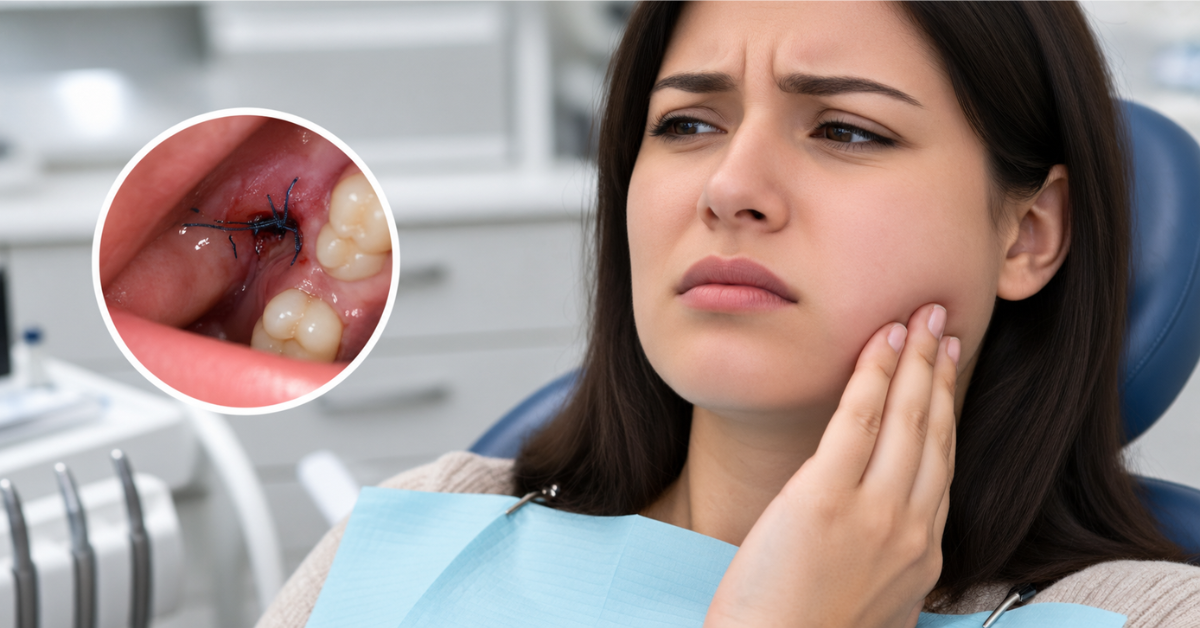
What Happens If You Need Treatment
If a dentist determines the wisdom tooth is impacted, infected, or likely to cause repeat problems, treatment options include:
- Cleaning out the area and prescribing antibiotics for a mild case of pericoronitis
- Draining an abscess if infection has progressed
- Extraction of the wisdom tooth, which is the most common long-term fix when a tooth is impacted or repeatedly getting infected
Conclusion
A little soreness as a wisdom tooth pushes through is normal and usually manageable at home. But swelling that's spreading, a fever, trouble opening your mouth or swallowing, or pain that keeps getting worse instead of better are signs of infection that need prompt professional care. When in doubt, it's always safer to get it checked than to wait and see.