You wake up with a sore jaw. Your head aches. Maybe your partner heard a strange scraping sound in the night, and you had no idea. Then one morning you bite into toast and something sharp snaps in your mouth.
That's how teeth grinding turns into an emergency. It builds slowly, then it all happens at once.
So can grinding your teeth at night cause a dental emergency? Yes, it can. This guide explains how, what the warning signs look like, and what to do if a tooth breaks.
T
What Is Teeth Grinding?
Teeth grinding has a medical name: bruxism. It means clenching or grinding your teeth when you don't mean to. Many people do it in their sleep. That's called sleep bruxism, and most people don't know they're doing it.
By some estimates, about 1 in 10 adults grinds their teeth at night. Kids do it too, and many outgrow it.
The force is the problem. Awake, you chew with a certain amount of pressure. Asleep, your jaw can clamp down much harder, and it can keep going for hours.
Why Do People Grind Their Teeth at Night?
There is rarely one cause. These are the most common ones:
- Stress and anxiety. This is the top trigger. Your body holds the tension in your jaw.
- Poor sleep or sleep apnea. Grinding often goes along with breathing pauses at night.
- Too much caffeine or alcohol, especially in the evening.
- Smoking.
- Certain medicines, including some antidepressants.
- A bite that doesn't line up well.
If you grind, it's worth asking a doctor about your sleep too. Snoring and tiredness during the day can be clues.
Signs You Grind Your Teeth in Your Sleep
Most people find out from someone else. A partner hears it, or the dentist spots it. But your body leaves clues. Look for these:
- A tight, sore jaw when you wake up
- Dull headaches near your temples
- Teeth that feel sensitive to hot or cold
- Flat or worn-down tops on your teeth
- Tiny chips along the edges
- Tongue with scalloped edges, or a ridge inside the cheek
- Pain or clicking in the jaw joint
- Ear pain that has no ear infection behind it
Having one or two of these doesn't prove anything. Having several is a good reason to see a dentist.
How Grinding Damages Your Teeth Step by Step
Grinding doesn't wreck a tooth overnight. It works like water wearing down a stone. Here's how the damage usually goes.
Stage 1: Worn enamel. The hard outer layer of your teeth slowly rubs away. Your teeth look shorter and flatter. They may start to feel sensitive.
Stage 2: Chips and small cracks. Weakened enamel can't take the pressure. Tiny chips appear on the edges. Hairline cracks can form that you can't see.
Stage 3: Loose or damaged dental work. Fillings, crowns, and veneers take a beating. They can crack, come loose, or fall out.
Stage 4: A broken tooth. A crack grows until part of the tooth snaps off. This is when most people end up in an emergency chair.
Stage 5: Infection. If a crack reaches the nerve, bacteria can get in. That can lead to an abscess, which is serious.
The good news is that you can stop the process at any stage. The earlier, the better.
When Teeth Grinding Becomes a Dental Emergency
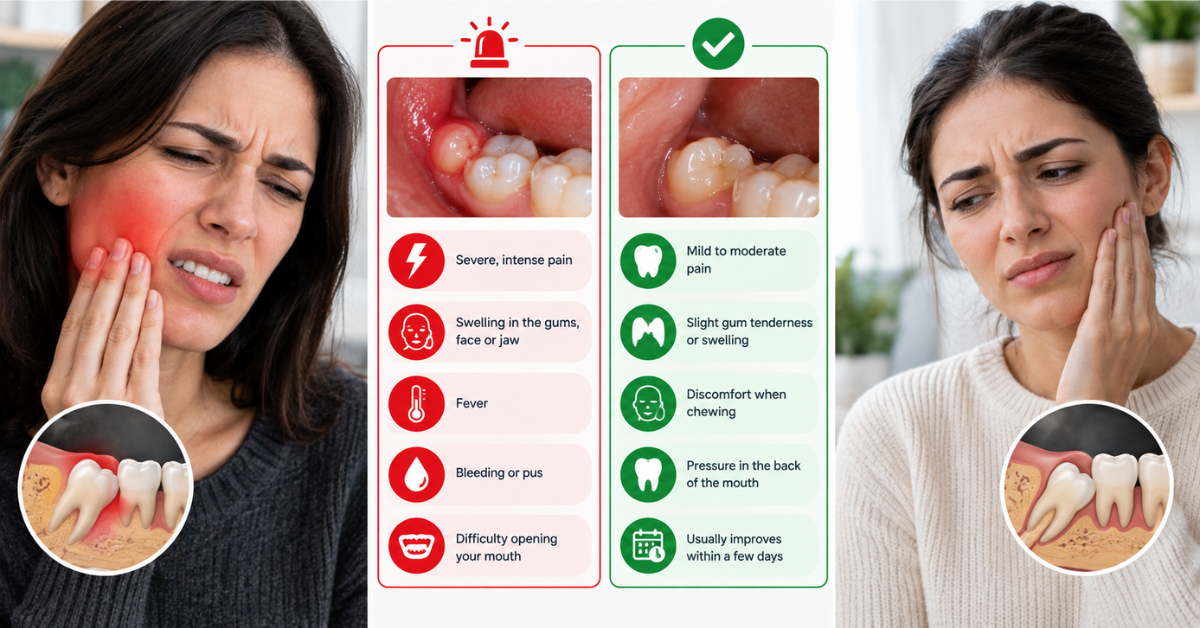
Not every grinding problem is urgent. Sore jaws and worn teeth can wait for a regular visit. But call an emergency dentist right away if you notice any of these:
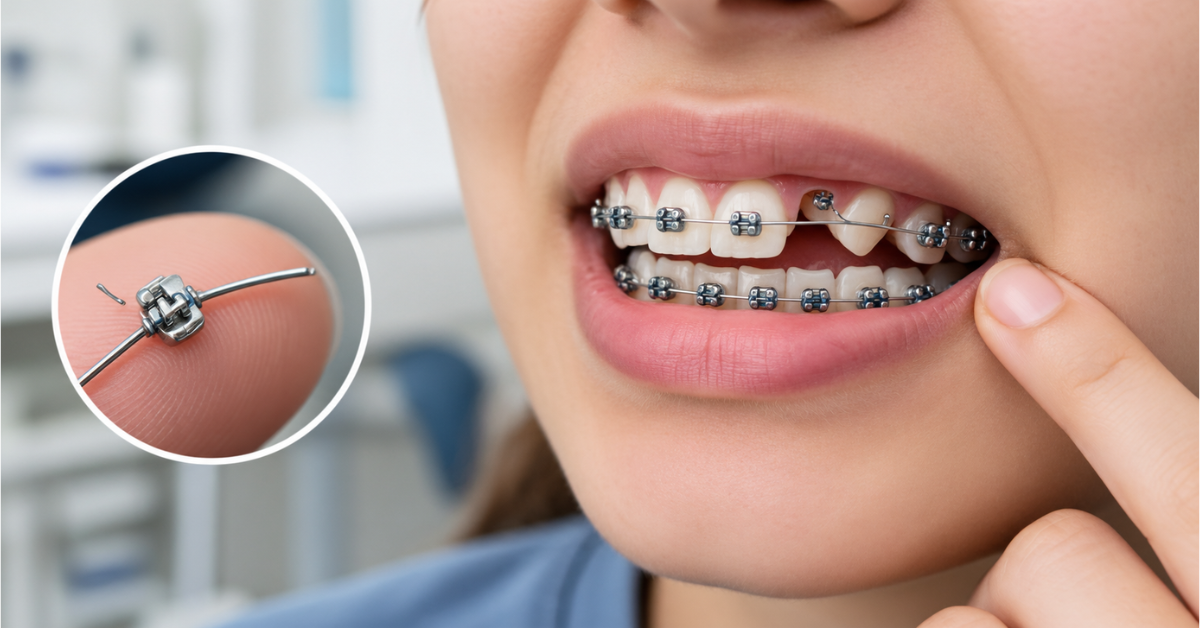
- A tooth that cracked or broke with sharp pain
- A broken tooth where you can see a pink or red spot inside
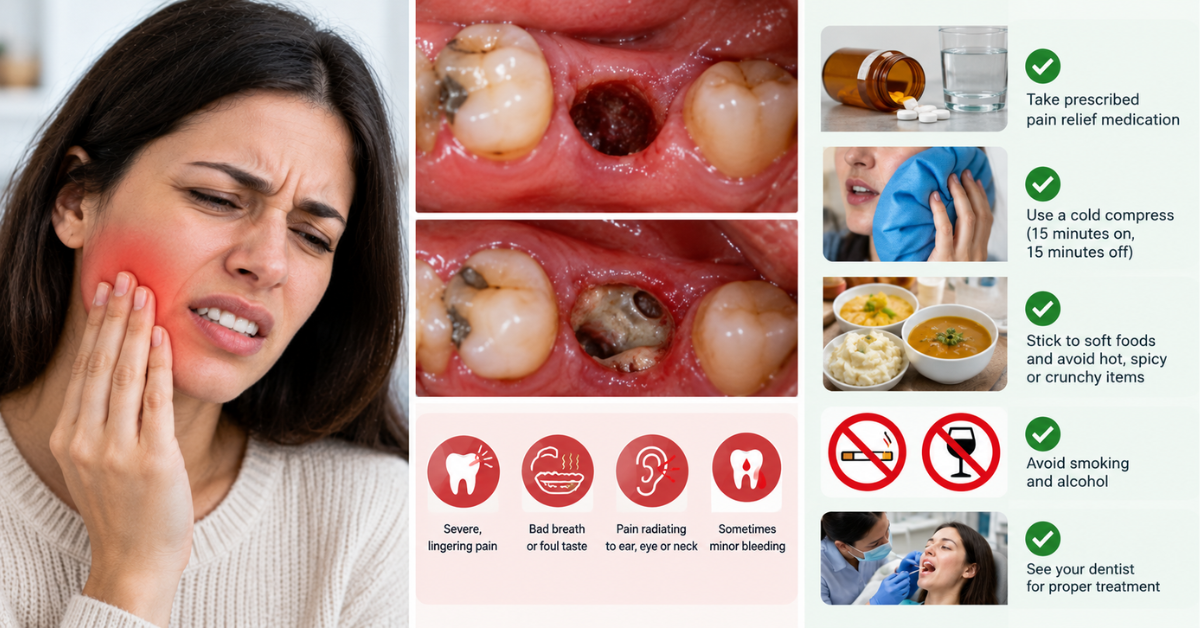
- Pain that throbs and doesn't ease
- A crown, filling, or veneer that fell out
- Swelling in your gum, face, or jaw
- A jaw that is locked or won't open or close
- Pain when you bite down that gets worse each day
A pink or red spot means the nerve may be exposed. That needs fast care.
Swelling with a fever, or trouble swallowing or breathing, calls for the ER. Don't wait.
What to Do If You Break a Tooth From Grinding
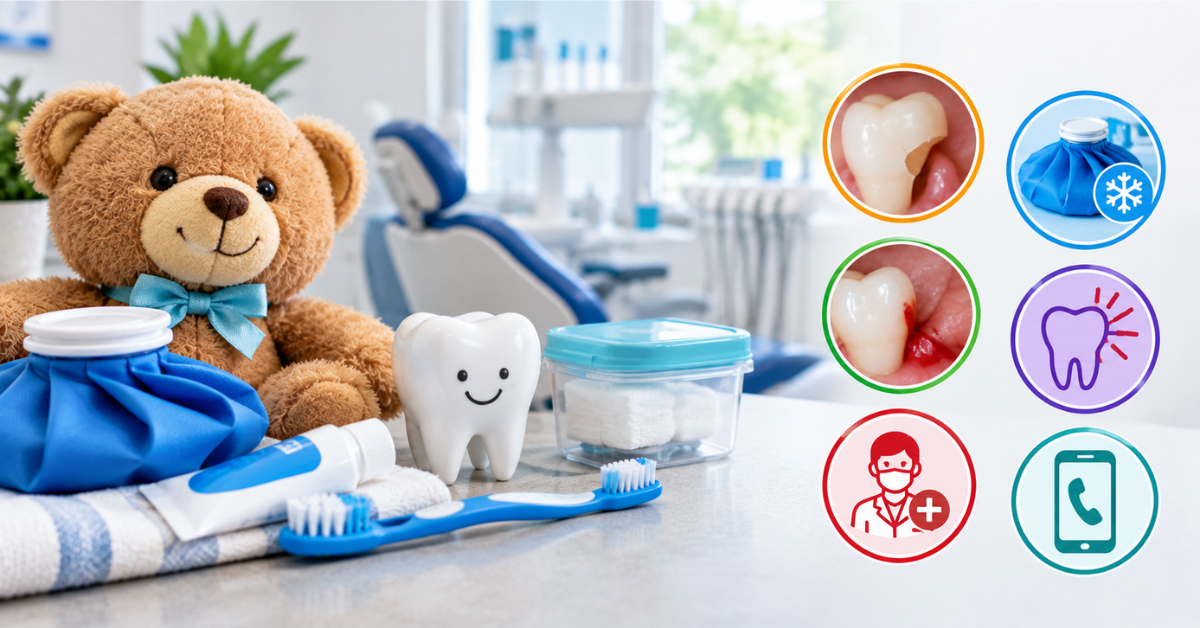
If a tooth snaps, stay calm and follow these steps.
- Rinse your mouth with warm water. Gently.
- Save any pieces. Keep them in milk or a clean, damp cloth.
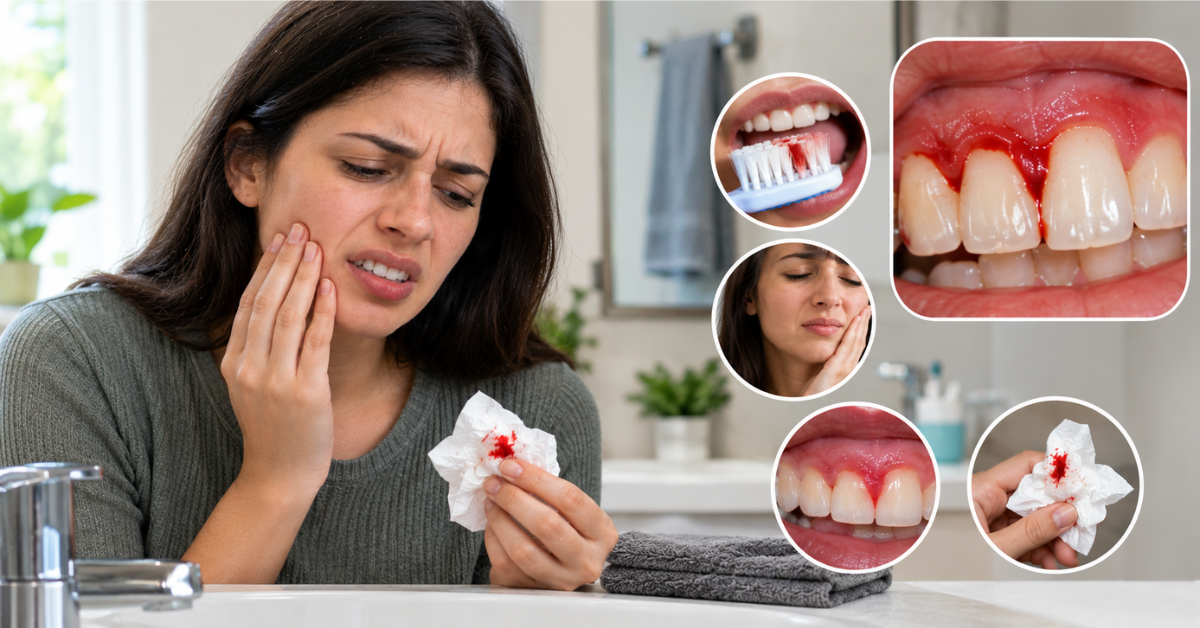
- Stop the bleeding by pressing gauze on the area for 10 minutes.
- Use a cold compress on your cheek to cut swelling.
- Take an over-the-counter pain reliever as the label says.
- Avoid chewing on that side.
- Call an emergency dentist the same day.
If the edge is sharp, cover it with sugar-free gum or dental wax so it doesn't cut your tongue.
Jaw Pain From Teeth Grinding
Teeth aren't the only thing at risk. The muscles and the joint of your jaw take a hit too. This is often called TMJ trouble.
You might notice:
- Clicking or popping when you open your mouth
- A jaw that gets stuck
- Pain in front of your ears
- Trouble chewing
For mild soreness, a warm, damp towel on the jaw helps. So do soft foods for a few days. Try to keep your teeth slightly apart during the day, with your tongue resting gently on the roof of your mouth.
A jaw that locks is different. Get it looked at right away.
How to Stop Grinding Your Teeth at Night
The first step is to protect your teeth. The second is to deal with the cause.
Wear a night guard. This is the most common fix. A night guard is a soft or hard cover that fits over your teeth. It doesn't stop the grinding. It takes the damage instead of your teeth. A custom guard from a dentist fits best. Store-bought ones work for a short time but can be bulky.
Lower your stress. Try a walk, stretching, or deep breathing before bed. A warm shower helps some people.
Cut back on caffeine and alcohol, especially at night.
Don't chew gum, pens, or ice. It trains your jaw to stay tense.
Check your sleep. If you snore or wake up tired, ask a doctor about sleep apnea.
Ask about other options. In some cases, a dentist or doctor may suggest muscle-relaxing treatments for the jaw.
Does Teeth Grinding Go Away on Its Own?
Sometimes. In kids, it often fades. In adults, it tends to come and go with stress. But don't count on it ending. Damage from grinding doesn't heal. Enamel doesn't grow back.
That's why a night guard is worth it, even when the grinding seems mild.
Don't Wait for a Broken Tooth
You don't need to wait for an emergency. If your jaw is sore and your teeth feel worn, tell your dentist. A quick exam can catch the damage early.
And if a tooth has already broken or you have pain that won't quit, you need help today.
247 Local Dentist can help you find an emergency dentist near you, and many offer same-day visits.