Yes, you can go to the emergency room for a toothache, and there are situations where you absolutely should. But before you head there at 2 a.m. with a throbbing tooth, it's worth understanding exactly what an ER can and can't do for you, because the honest answer is: less than most people expect. Here's what actually happens if you go, and why an emergency dentist is usually the better call for most dental pain.
What the ER Can Actually Do
Emergency rooms are set up to manage pain and stabilize serious health risks, not to treat teeth directly. For a toothache, the ER can:
- Prescribe pain medication, including stronger options than what's available over the counter
- Prescribe antibiotics if there's a bacterial infection present
- Provide basic abscess drainage in some cases, depending on location, to relieve pressure and pain
- Treat trauma to your mouth or face if the toothache is tied to an injury
- Assess and stabilize any serious or life-threatening complications
This can be genuinely valuable if you're in severe pain and can't get in anywhere else. But notice what's missing from that list.
What the ER Cannot Do
This is the part that catches people off guard: most emergency rooms don't have a dentist on staff, and ER physicians aren't trained or equipped to perform dental procedures. Specifically, the ER generally cannot:
- Extract a tooth, even one that's badly damaged or infected
- Perform a root canal
- Place a filling or a crown
- Reimplant a knocked-out tooth
- Treat the actual source of your pain — the decay, the crack, the infected nerve
In other words, the ER can help you feel better temporarily and keep a serious infection from getting worse, but it won't fix what's actually wrong with the tooth. You'll still need to see a dentist afterward for that.
When Going to the ER Actually Makes Sense
The ER is the right call when your symptoms suggest the problem may be more than just dental, situations where waiting for a dentist could put your health at real risk:
- Facial swelling that's spreading, especially toward the eye or neck
- Difficulty breathing or swallowing
- A high fever alongside dental pain or swelling
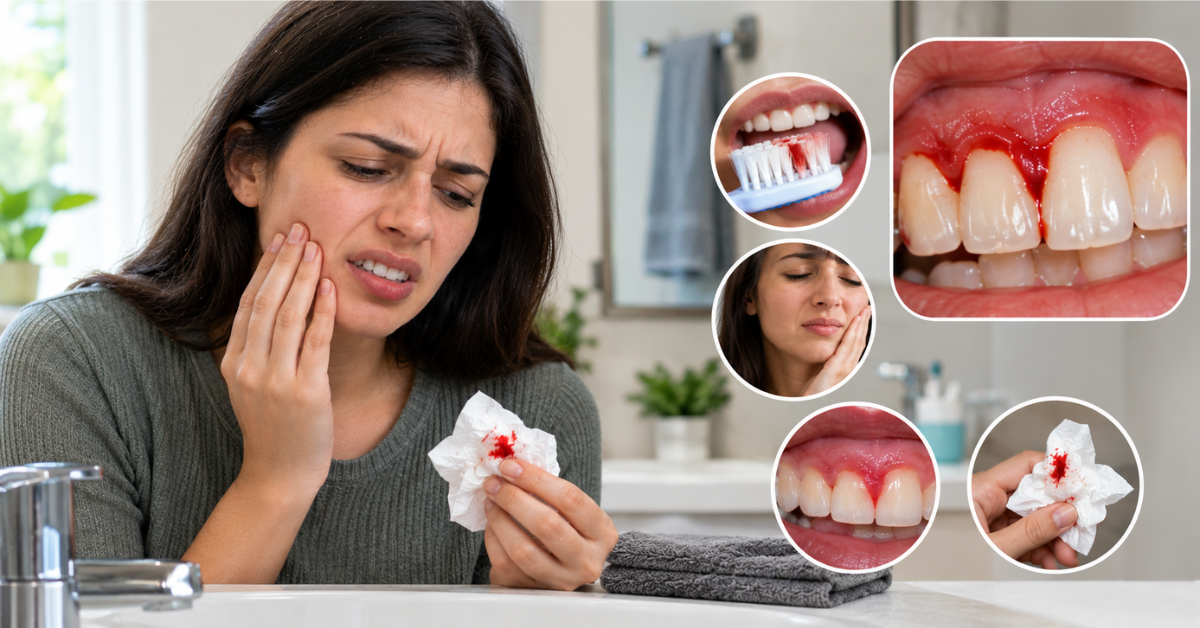
- Uncontrollable bleeding from the mouth
- Trauma involving the jaw, such as a suspected fracture or dislocation
- Deep cuts to the lips or face accompanying a dental injury
- Severe, unmanageable pain when no dentist is available and you need relief to get through the night
If any of these apply, don't hesitate, go. These are the situations emergency medicine is actually built for.
When an Emergency Dentist Is the Better Choice
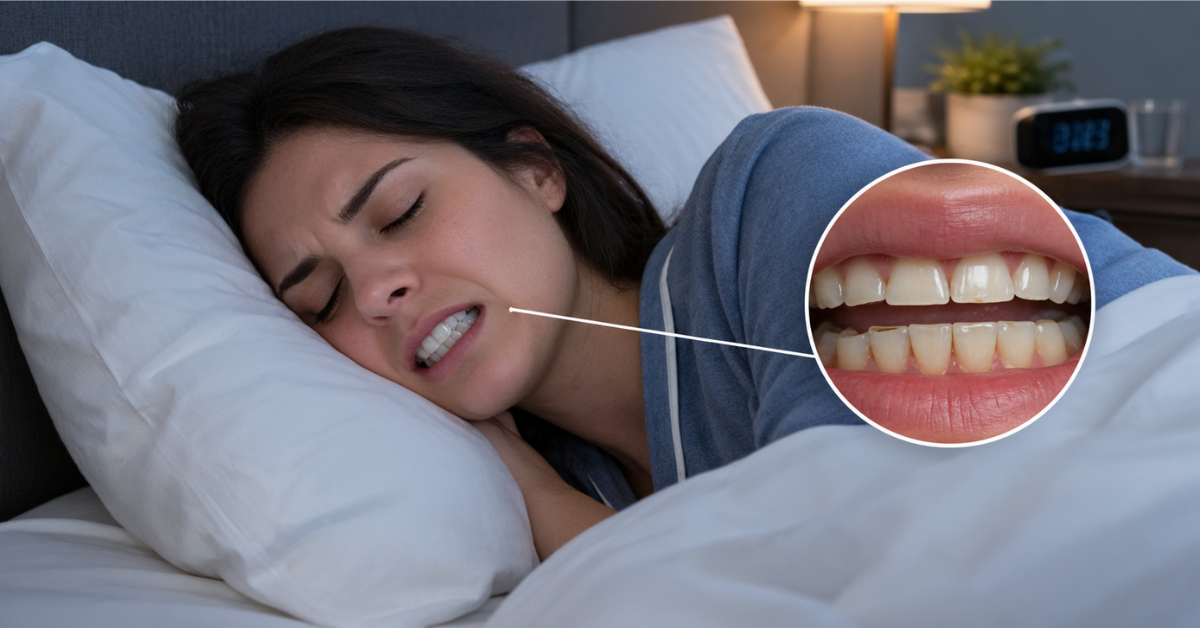
For most toothaches, even ones bad enough to keep you up at night, an emergency dentist is the more appropriate and effective option. This includes:
- A knocked-out or badly loosened tooth (time-sensitive, and a dentist can actually attempt to save it)
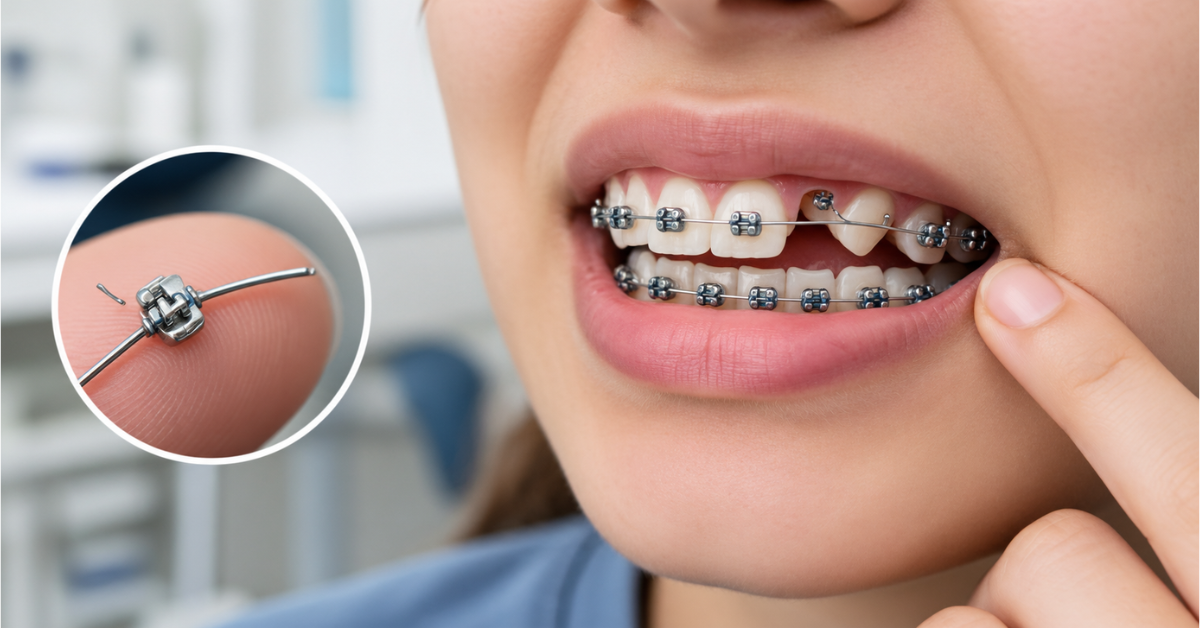
- A cracked or fractured tooth
- A lost filling or crown
- Localized, severe pain without fever or spreading swelling
- A suspected abscess that isn't accompanied by breathing difficulty or rapid facial swelling
In every one of these cases, a dentist can diagnose and actually treat the underlying problem in the same visit, something the ER simply isn't set up to do.
Why the Difference Matters More Than You'd Think
Think of it this way: an ER stabilizes, a dentist solves. If you go to the ER for a bad toothache, the most likely outcome is a prescription for pain medication or antibiotics and a recommendation to follow up with a dentist, not a resolution. You'll have addressed the symptom, not the cause, and the pain typically returns once the medication wears off if the tooth itself hasn't been treated.
There's also a practical cost consideration. ER visits for dental pain are generally far more expensive than a visit to an emergency dentist, often for a result that still requires a follow-up dental appointment anyway.
What About Urgent Care?
Urgent care centers fall somewhere in between. They can be a reasonable option for mild to moderate dental pain when it's after hours and you need some relief, and some can evaluate your symptoms and offer guidance on next steps. But like the ER, most urgent care centers can't perform actual dental procedures either, so you're still looking at a follow-up appointment with a dentist for the real fix.
If You're Not Sure Which to Choose
If you're genuinely unsure whether your situation calls for the ER, an emergency dentist, or can wait for a regular appointment, a quick phone call can settle it fast. Describe your symptoms, especially anything involving swelling, fever, breathing, or an injury, and you'll typically get clear direction within minutes about where to go.
As a general rule: if it feels like a medical emergency (breathing trouble, spreading swelling, high fever), go to the ER first. If it's dental pain without those symptoms, even severe pain, an emergency dentist can treat you faster, more completely, and at a lower cost.
The Bottom Line
You can go to the ER for a toothache, and in certain situations, especially trauma, spreading infection, or symptoms affecting breathing or swallowing, you should. But for most dental pain, an emergency dentist is the option that actually resolves the problem rather than just managing it until your next appointment.
Dealing with a toothache and not sure where to turn? Find a 24/7 emergency dentist near you and get connected with same-day care that can actually treat the source of your pain.
FAQs
Q: Will the ER pull a bad tooth if it's causing severe pain?
A: No. Emergency rooms generally aren't equipped to perform tooth extractions, even when the pain is severe. They can manage pain and infection, but the extraction itself would need to be done by a dentist.
Q: Is it cheaper to see an emergency dentist than go to the ER?
A: Typically, yes. ER visits for dental issues tend to cost significantly more than an emergency dental visit, and you'll often still need to follow up with a dentist afterward regardless of which one you visit first.
Q: What should I do if my dentist's office is closed and I'm in severe pain?
A: Look for a 24/7 emergency dentist first, since they can treat the actual cause of your pain. Reserve the ER for situations involving swelling that's spreading, fever, difficulty breathing or swallowing, or facial trauma.
Q: Can urgent care treat a toothache better than the ER?
A: Urgent care can be a reasonable option for mild to moderate pain after hours, offering guidance and sometimes medication, but like the ER, most urgent care centers can't perform dental procedures either.
Q: How do I know if my toothache is a medical emergency or a dental one?
A: If you have facial swelling that's spreading, fever, difficulty breathing or swallowing, or a mouth injury involving heavy bleeding, treat it as a medical emergency and go to the ER. Otherwise, an emergency dentist is usually the right call.