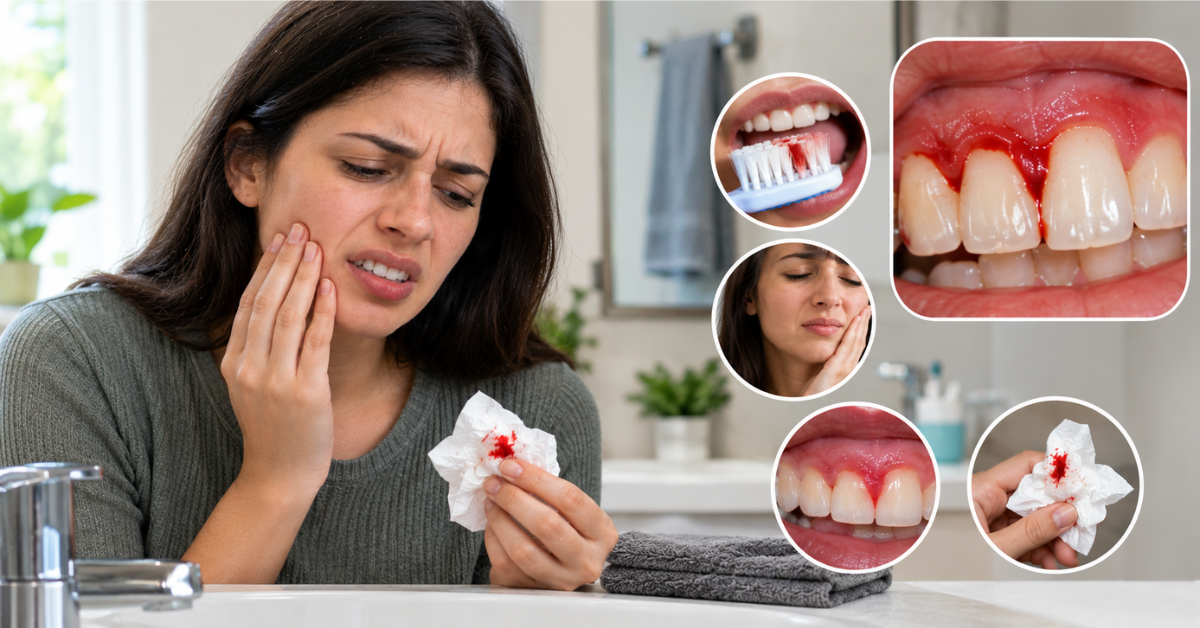
You look in the mirror and your gums look puffy. Maybe they're red too. Maybe they hurt when you brush. Now you're asking yourself one thing: can this wait, or do I need help today?
Most of the time, swollen gums are not an emergency. But a few causes are serious. The trick is knowing which is which. This guide shows you the warning signs that mean "get help now." It also covers the common causes, what you can do at home, and when to book a visit.
Swollen Gums Emergency Signs
Get emergency dental care right away if you have swollen gums and any of these:
- Swelling that spreads to your cheek, jaw, or neck
- A fever
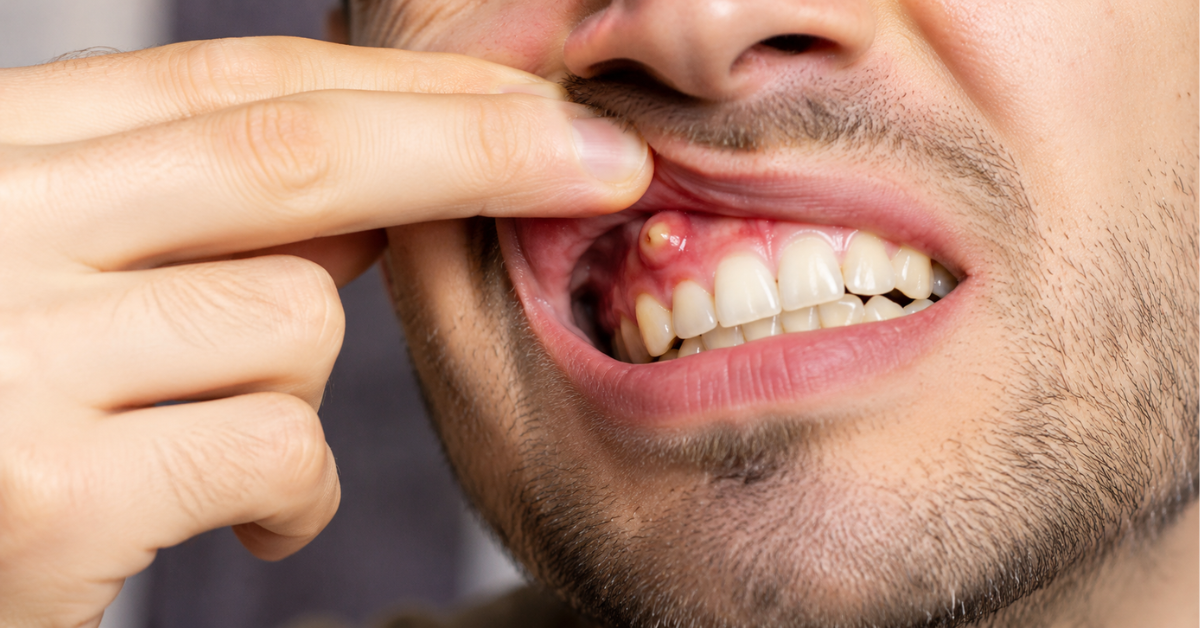
- A painful bump on the gum that leaks pus
- Throbbing pain that doesn't ease
- Swelling after a hit or injury to the mouth
- A bad taste in your mouth that won't go away
These signs often point to an infection. Infections in the mouth can spread. That's why waiting is a bad idea.
Trouble breathing or swallowing is different. If you have either one, go to the ER or call 911. Don't wait for a dentist.
Why Are My Gums Swollen?
Swollen gums have many causes. Here are the most common ones.
Gingivitis. This is the most common cause. Plaque builds up along the gumline. Your gums get red, puffy, and they bleed when you brush. It's the earliest stage of gum disease, and it can be reversed.
Gum disease (periodontitis). If gingivitis goes untreated, it can get worse. The gums pull away from the teeth. Pockets form and fill with bacteria. This needs a dentist.
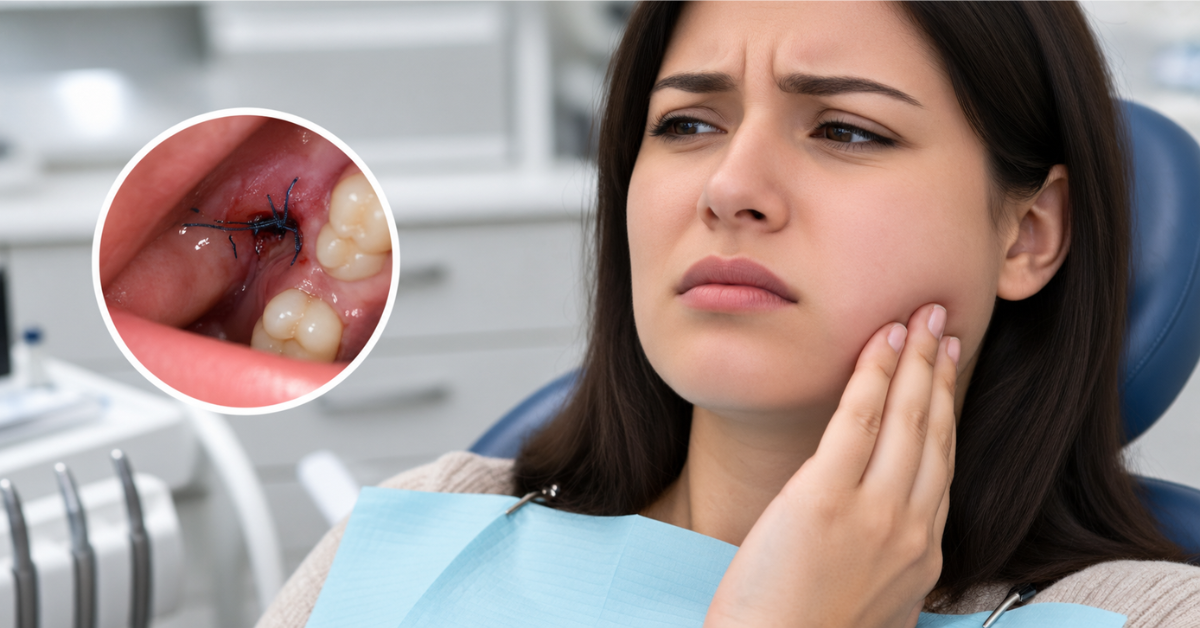
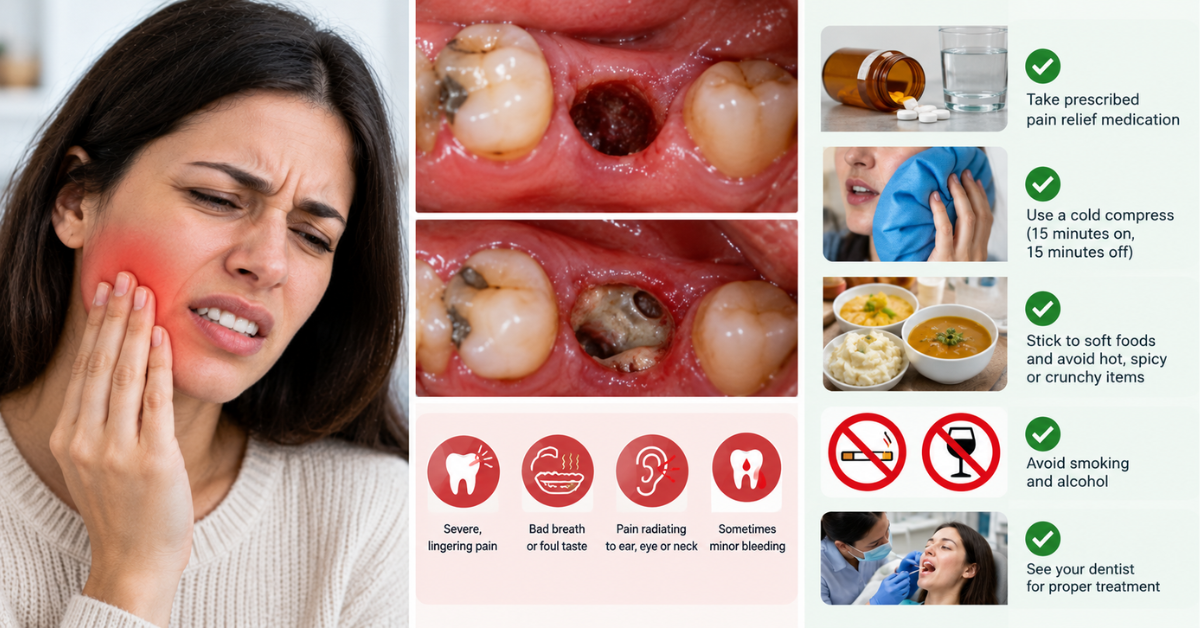
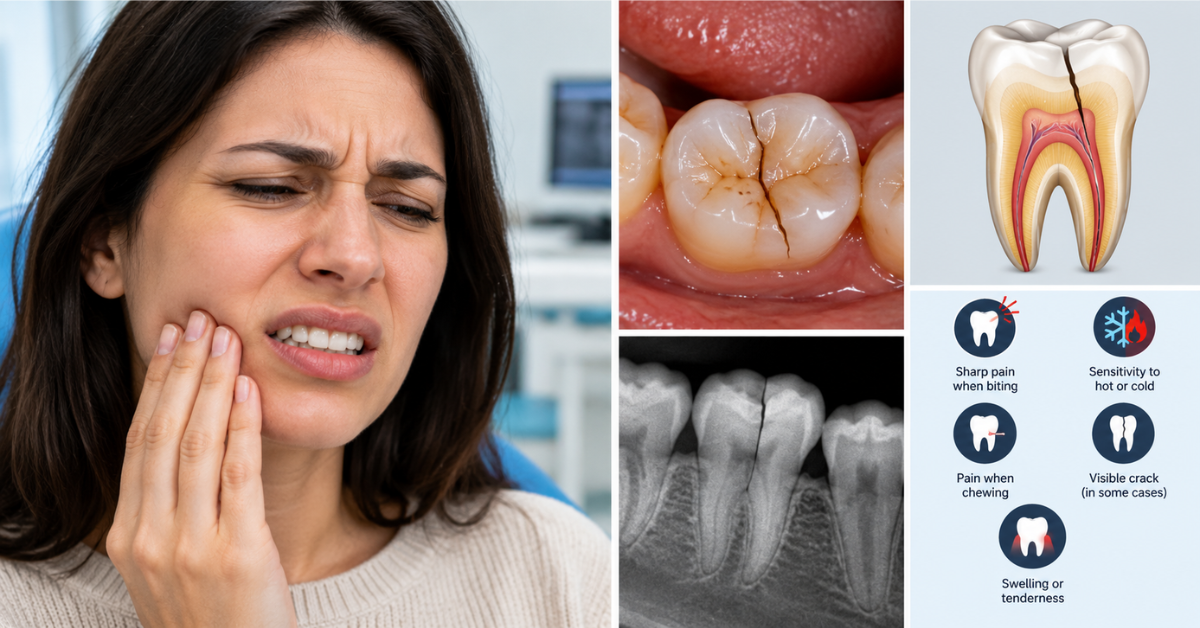
A tooth abscess. This is a pocket of pus caused by infection. It often shows up as a swollen spot near one tooth. It can be an emergency.
Food stuck in the gums. A popcorn hull or a bit of meat can get trapped below the gumline. The gum gets sore and swells.
Brushing too hard. A hard brush or rough flossing can irritate the gums. Sometimes a new floss or a new toothpaste does it too.
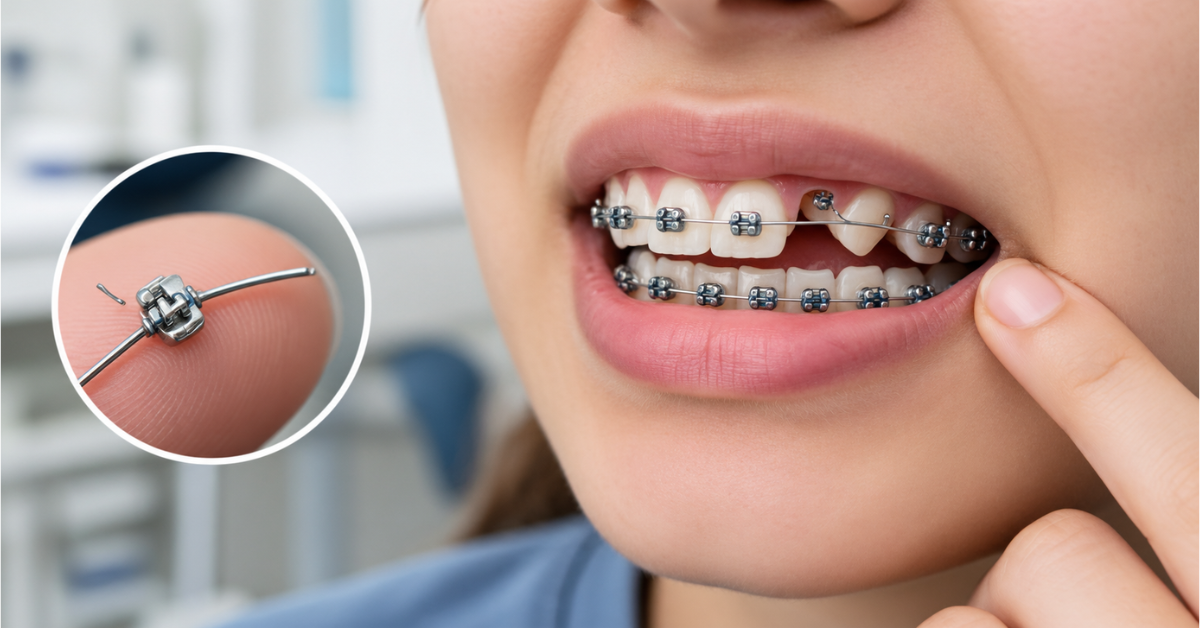
Braces, retainers, or dentures. A bad fit can rub the gums. Food also collects around braces, which makes swelling more likely.
Hormone changes. Pregnancy is a common trigger. We'll cover that below.
Some medicines. A few drugs for blood pressure, seizures, and organ transplants can cause gum overgrowth. If you think this is the cause, talk to your doctor before you stop anything.
Allergies. A reaction to mouthwash, toothpaste, or food can make the gums swell quickly.
Swollen Gums Around One Tooth
Is the swelling around just one tooth? That's a clue.
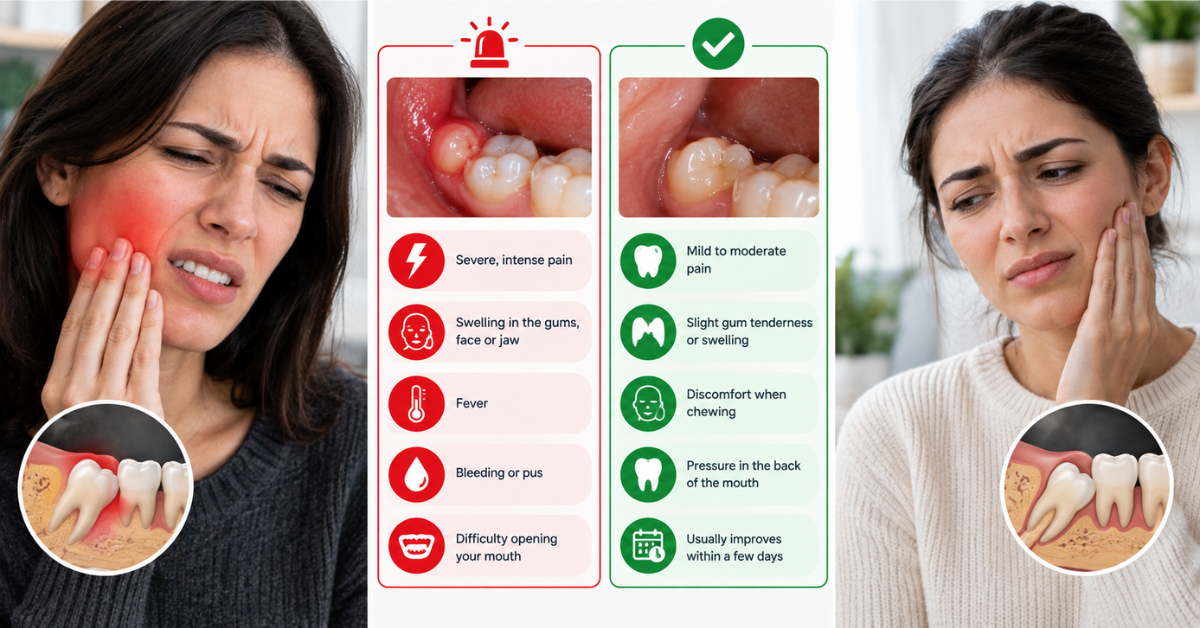
When the whole mouth is puffy, the cause is usually plaque or gum disease. When it's one spot, think local problem. It could be stuck food. It could be an abscess. It could also be a wisdom tooth that's coming in and has trapped bacteria under the gum.
One swollen spot with pain is worth a call to the dentist. Don't wait for it to go away.
Swollen Gums vs. Tooth Abscess: How to Tell
These two get mixed up a lot. Here's a simple way to compare them.
Swollen gums from gingivitis:
- Puffy and red across several teeth
- Bleed when you brush or floss
- Mild soreness, not sharp pain
- No fever
Gum abscess:
- A swelling in one area, often with a small bump
- Throbbing pain that can spread to the ear or jaw
- Pus, or a salty, bitter taste
- Sometimes a fever or a swollen face
If your symptoms match the second list, treat it as urgent.
Swollen Gums Home Remedies That Help
For mild swelling with no warning signs, home care can ease it. Try these steps.
- Rinse with warm salt water. Mix half a teaspoon of salt in a cup of warm water. Swish for 30 seconds, then spit. Do this a few times a day.
- Brush gently. Use a soft brush. Go slowly along the gumline.
- Floss with care. Slide the floss, don't snap it. Flossing helps clear the plaque that caused the problem.
- Use a cold compress. Hold it on your cheek for 10 minutes at a time. It helps with soreness.
- Take an over-the-counter pain reliever. Follow the label.
- Skip tobacco, alcohol, and spicy food. They irritate sore gums.
Home care helps with comfort. It does not cure an infection.
What Not to Do
Some well-meant moves make things worse.
- Don't pop the bump. It can push infection deeper.
- Don't put aspirin on your gums. It can burn the tissue.
- Don't use strong mouthwash with alcohol. It can sting and dry the gums.
- Don't stop brushing. It feels sore, but cleaning helps the gums heal.
- Don't ignore it. A small problem is cheaper and easier to fix than a big one.
How Long Do Swollen Gums Last?
It depends on the cause.
Mild swelling from plaque often gets better in a few days once you clean well. Give it about a week. If the gums are still puffy after that, book a dental visit.
Swelling from an abscess won't go away on its own. Even if the pain drops, the infection is still there. The bump may drain and feel better for a short time, but it will come back.
Swollen Gums During Pregnancy
Many pregnant women notice puffy gums. Hormone changes make the gums react more to plaque. Doctors call it pregnancy gingivitis.
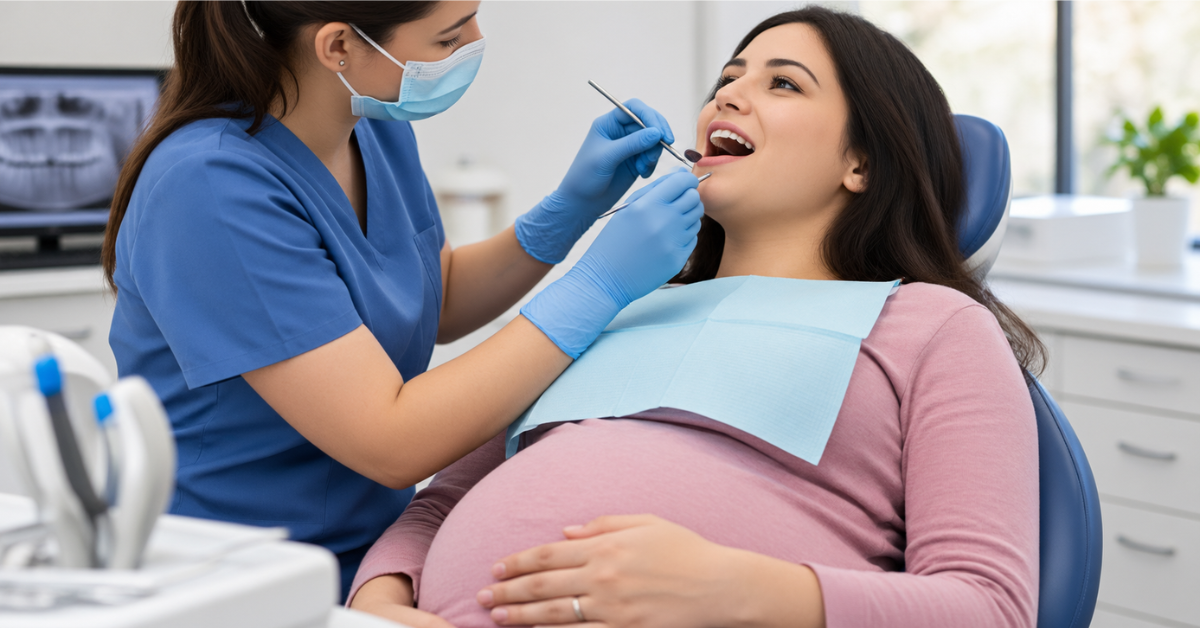
It's common and usually mild. Brush softly, floss daily, and keep your regular cleanings. Tell your dentist you're pregnant. Dental care is safe during pregnancy, and treating gum problems early protects you.
Still, the emergency signs apply to you too. A fever, a spreading swelling, or a painful bump needs care right away.
When to See a Dentist for Swollen Gums
You don't need an emergency visit for every case. But book a regular appointment if:
- The swelling lasts more than a week
- It keeps coming back
- Your gums bleed easily
- You have bad breath that won't go away
- Your gums are pulling back from your teeth
- A tooth feels loose
These can be signs of gum disease. The earlier it's treated, the easier it is to fix.
What Will the Dentist Do?
First, the dentist will look at your gums and teeth. You may get an X-ray. This shows whether the infection has reached the bone or the tooth root.
Treatment depends on the cause:
- Gingivitis: a deep cleaning and tips to improve your routine
- Gum disease: a deeper cleaning below the gumline
- Abscess: draining the pus, and sometimes antibiotics, a root canal, or removing the tooth
- Stuck food: removing it and cleaning the area
Most visits are quick. Many people feel relief the same day.
How to Prevent Swollen Gums
A few habits go a long way.
- Brush twice a day for two minutes
- Floss every day
- Use a soft toothbrush
- Get a cleaning twice a year
- Don't smoke
- Eat plenty of fruit and vegetables
Need an Emergency Dentist Near You?
If your swelling comes with pain, fever, or pus, don't wait.
247 Local Dentist can help you find an emergency dentist in your area. Many offer same-day visits, so you can get seen quickly and get answers.