You're eating dinner, chewing normally, and suddenly something feels wrong, a hard piece in your mouth that shouldn't be there. It's your filling, or worse, an entire crown. The immediate question is always the same: does this need to be fixed tonight, or can it wait?
The honest answer is that it depends on a few specific factors, and most of the time, a broken filling or crown falls somewhere in between "drop everything" and "no big deal." Here's how to tell where yours lands, what to do right now to protect the tooth, and when to actually treat it as urgent.
The Short Answer
A broken filling or crown is usually not a true middle-of-the-night emergency, unless it comes with severe pain, swelling, or bleeding. That said, "not an emergency" doesn't mean "not urgent." A crown or filling exists to protect the tooth underneath it, and once it's gone, that tooth is exposed to bacteria, temperature, and pressure it isn't built to handle on its own. Even without pain, you shouldn't wait long to get it addressed.
When It Genuinely Is an Emergency
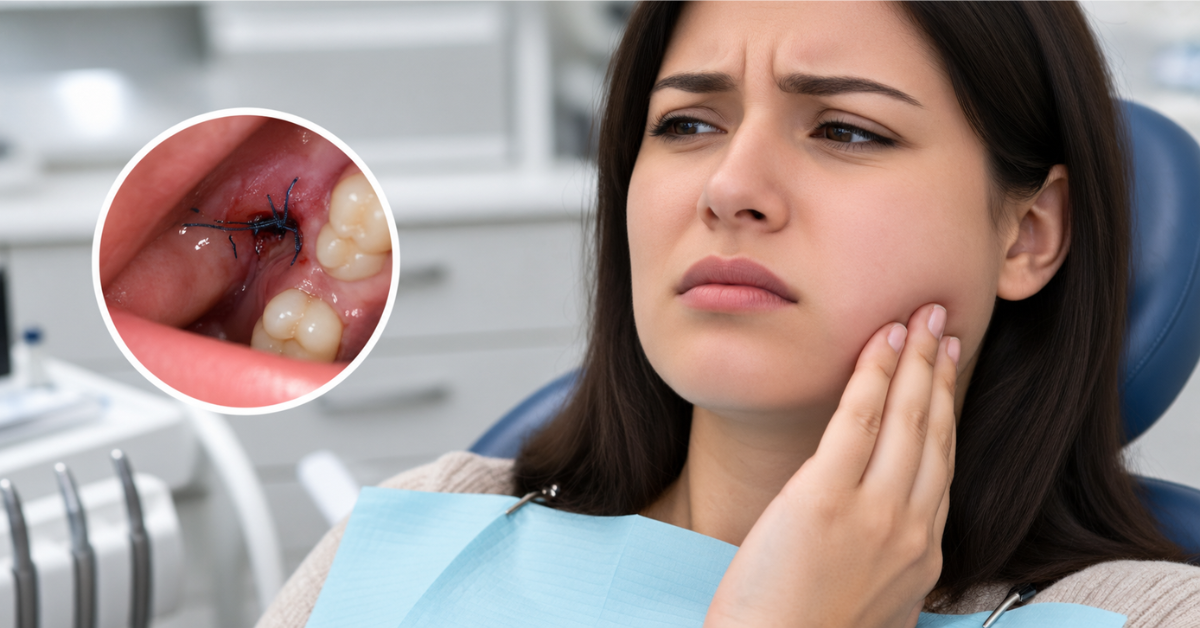
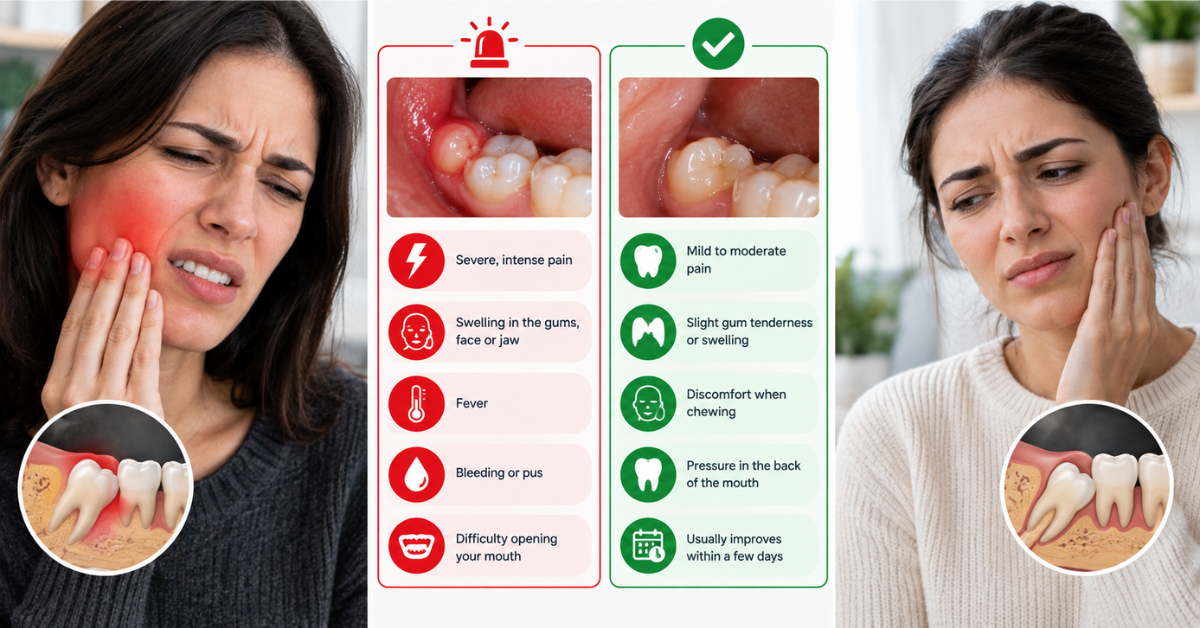
Treat it as urgent and call for same-day care if you're experiencing:
- Severe or worsening pain
- Swelling in the gums, cheek, or face
- Bleeding that doesn't stop with gentle pressure
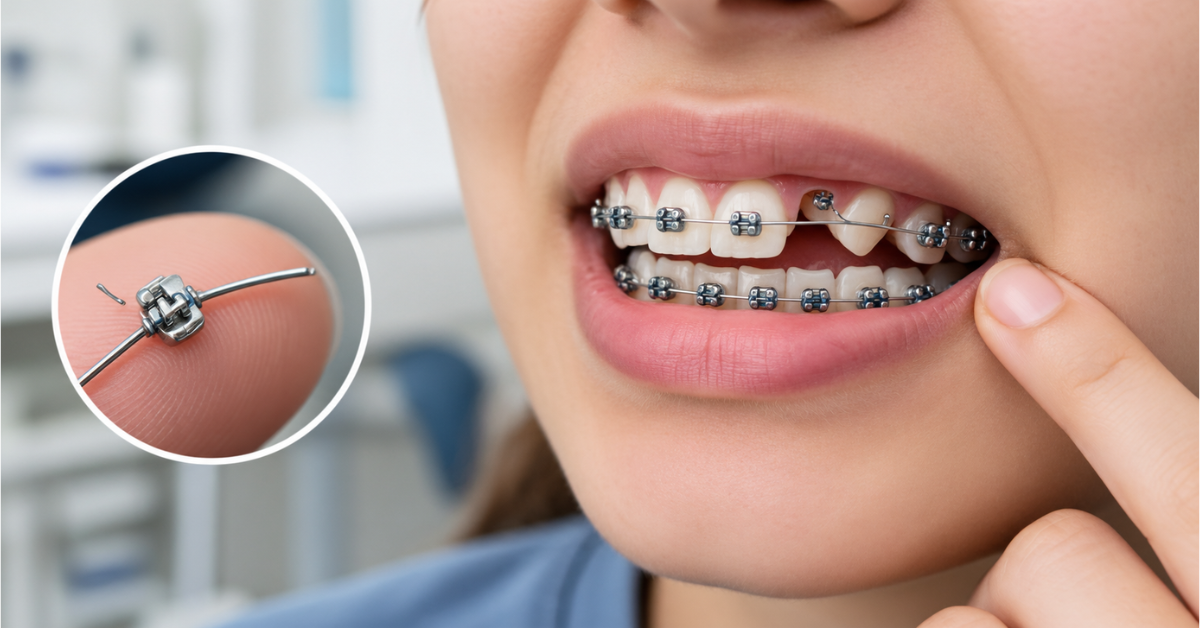
- A sharp, jagged edge cutting into your tongue or cheek
- The tooth underneath feels loose or visibly damaged, not just the restoration
Any of these suggest the tooth itself, not just the crown or filling, may be compromised, and that's a different situation than a restoration that simply came loose.
When It Can Wait a Few Days
If there's no pain, no swelling, and no bleeding, you're generally in safer territory. Most dentists recommend being seen within about 5 to 7 days of a crown or filling coming off, sooner if you can manage it, but it's not something that typically requires an emergency room visit or an after-hours dentist. Still, "can wait a few days" isn't the same as "can wait indefinitely" — the exposed tooth is vulnerable the entire time it's left unprotected.
Why You Shouldn't Just Ignore It Either Way
Even a painless lost filling or dislodged crown isn't something to shrug off. The exposed tooth structure is now open to bacteria, food particles, and temperature changes it was previously shielded from. Left too long, this can lead to new decay, a cracked tooth, or an infection that turns a simple re-cementing job into a root canal or extraction. What starts as a quick, inexpensive fix can escalate the longer it's left unaddressed.
What to Do Right Now
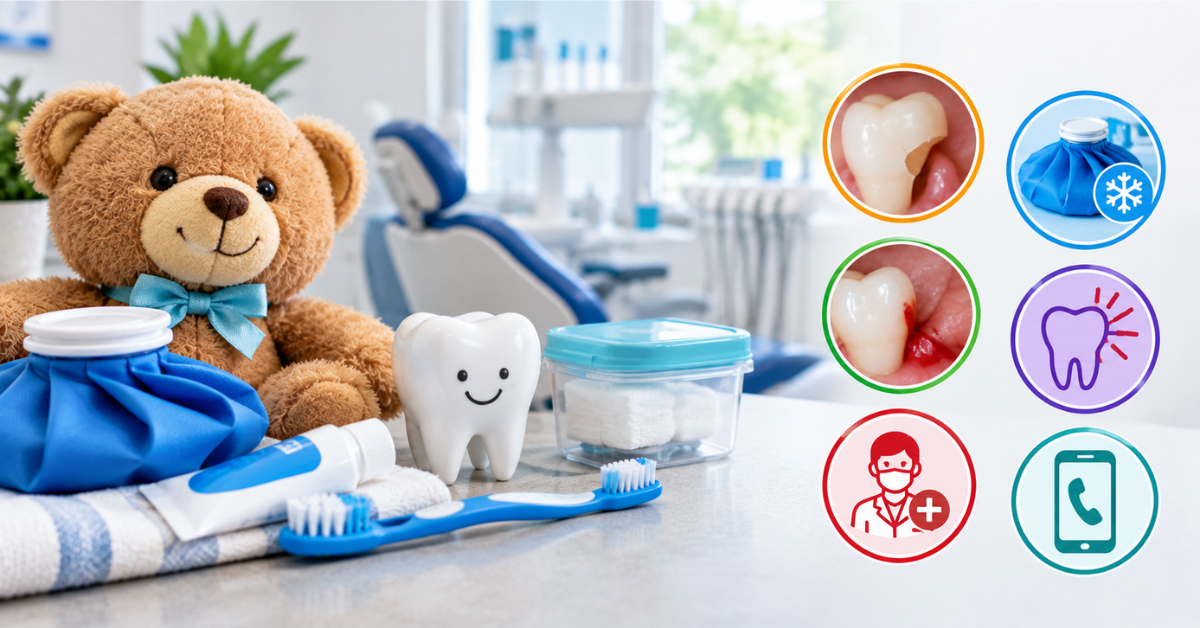
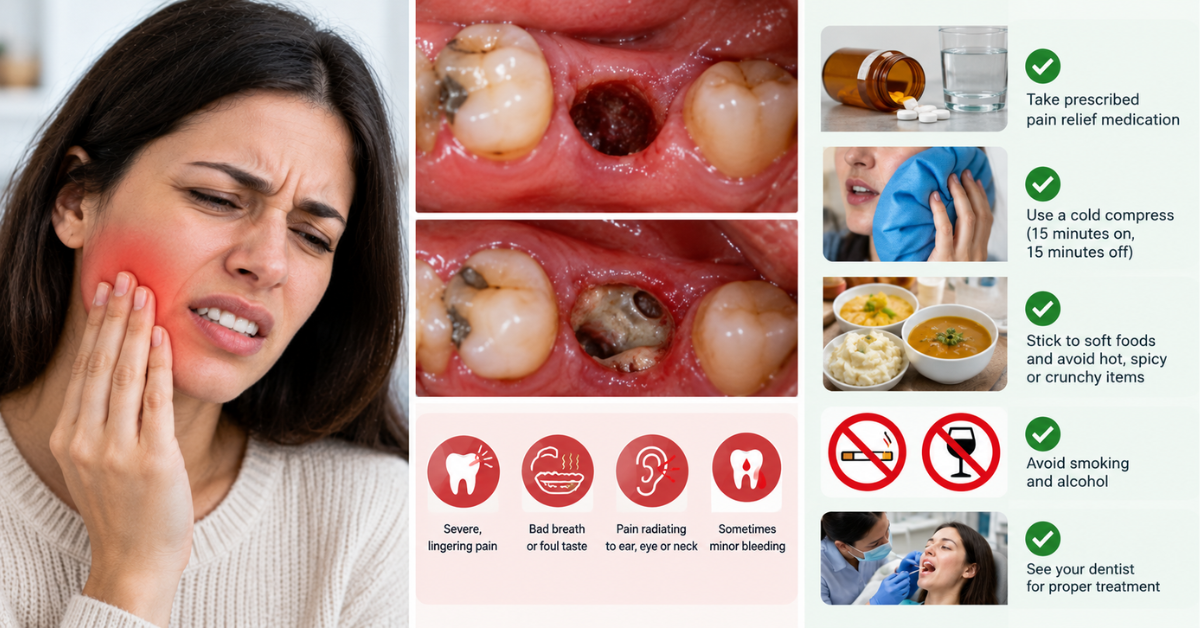
Whether you're waiting a few hours or a few days for your appointment, these steps help protect the tooth and reduce discomfort in the meantime:
- Find the filling or crown, if you can. Rinse it off and store it in a small container. If the crown came off in one piece and the tooth underneath is healthy, your dentist may be able to simply re-cement the same one rather than making a new one.
- Rinse your mouth gently with warm salt water to keep the area clean.
- For a loose or missing filling, a small piece of sugar-free gum pressed into the gap, or over-the-counter dental cement from a pharmacy, can offer temporary protection. Avoid sugared gum, since it can irritate the exposed area.
- For a loose crown, temporary dental cement (sold at most pharmacies) can hold it in place short-term. Never use household super glue — it can damage the tooth and make the eventual repair more difficult.
- Take an over-the-counter pain reliever if you're uncomfortable.
- Avoid chewing on that side of your mouth, and steer clear of hard, sticky, or chewy foods that could cause further damage or dislodge things further.
These are temporary measures meant to hold you over, not a substitute for actually getting it repaired.
Why Fillings and Crowns Fail in the First Place
It's rarely anyone's fault when this happens. Common causes include:
- Cement breaking down over time — even well-placed restorations don't last forever
- Decay forming underneath the edges of an older crown or filling, weakening its hold
- Biting down on something hard — ice, hard candy, popcorn kernels
- Nighttime teeth grinding, which puts repeated stress on restorations
- A large, older filling flexing under normal chewing pressure over the years
Knowing the cause can also help your dentist recommend ways to prevent it from happening again, whether that's a nightguard for grinding or a more durable restoration material.
What Counts as a Dental Emergency? (7 Signs You Need a Dentist Now)
What Happens at the Dental Visit
Once you're seen, your dentist will assess both the restoration and the tooth underneath it. If the crown is intact and the tooth is healthy, it can often simply be re-cemented back into place. If the crown or filling is damaged, or if decay has developed underneath, you may need a new filling or a new crown altogether. Your dentist should walk you through the findings and any cost involved before proceeding, so there shouldn't be surprises.
Bottom Line: Don't Wait, Even Without Pain
The absence of pain doesn't mean the situation is fine to leave indefinitely. A broken filling or crown is a genuine "get this looked at soon" situation, and treating it that way, rather than waiting until pain forces the issue, is what keeps a simple fix simple.
Broken a crown or lost a filling and not sure what to do next? Find a 24/7 emergency dentist near you and get connected with same-day care if you're in pain, or a fast appointment if you're not.
FAQs
Q: Can I put my crown back on myself?
A: Temporary dental cement from a pharmacy can hold a crown in place short-term if it's intact and fits properly. Never use household super glue, which can damage the tooth. This is a temporary measure only, not a permanent fix.
Q: How long can I wait to see a dentist after losing a filling?
A: If there's no pain or swelling, most dentists recommend being seen within about 5 to 7 days. If you're in pain or notice swelling or bleeding, treat it as urgent and seek same-day care instead.
Q: Is it dangerous to leave a tooth exposed after a filling falls out?
A: It's not immediately dangerous, but it does leave the tooth vulnerable to new decay, sensitivity, and potential fracture the longer it's left unprotected. It's worth addressing promptly even without pain.
Q: What if I can't find the crown or filling that fell out?
A: That's okay. Your dentist can still repair the tooth, either by making a new crown or filling, even without the original piece. Just avoid chewing on that side until you're seen.
Q: Will my dentist always need to make a whole new crown?
A: Not necessarily. If the crown came off intact and the tooth underneath is healthy, it can often simply be re-cemented. A new crown is typically only needed if the original is damaged or decay has developed underneath.