Tooth pain has a way of showing up at exactly the wrong moment, in the middle of dinner, right before bed, or the night before a long weekend when your dentist's office isn't answering. While nothing at home actually fixes what's causing the pain, there are several genuinely effective ways to take the edge off until you can get seen. Here's what actually works, and what to watch for that means you shouldn't wait any longer to be seen.
Rinse With Warm Salt Water First
This is one of the simplest and most effective first steps, and you likely already have what you need. Mix about half a teaspoon of salt into a glass of warm water and swish it around your mouth. Salt water acts as a natural disinfectant, helps reduce inflammation, and clears away any food debris that might be irritating the area. It's a good starting point no matter what's causing the pain.
Apply a Cold Compress to Your Cheek
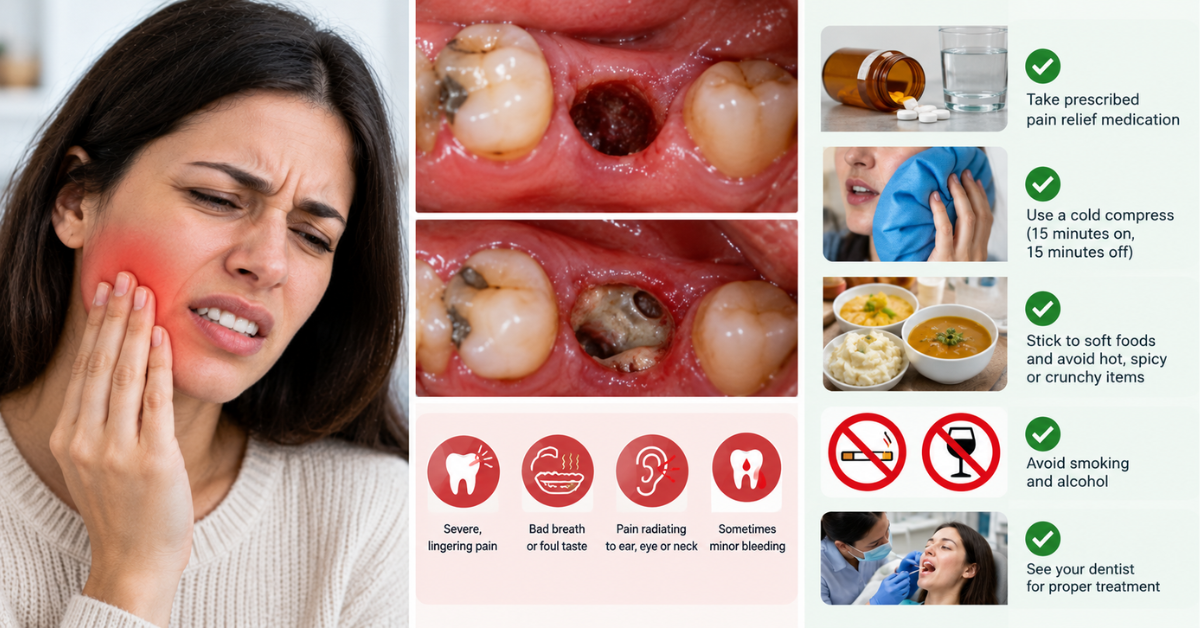
A cold compress works by reducing blood flow to the area, which decreases inflammation and dulls the pain signals coming from the nerve. Wrap a few ice cubes or a bag of frozen vegetables in a clean cloth and hold it against your cheek near the sore tooth for 15 to 20 minutes, then take a break before reapplying. This is especially useful if you're also dealing with swelling, for example after a chipped or loosened tooth.
Avoid placing ice directly against the tooth or gum itself, since that can actually worsen sensitivity rather than help.
What Happens If You Ignore a Toothache?
Take an Over-the-Counter Pain Reliever
Standard over-the-counter options like ibuprofen, acetaminophen, or naproxen can meaningfully reduce both pain and inflammation while you wait for your appointment. Follow the dosing instructions on the label, and check with a pharmacist if you're combining medications or have any health conditions that affect what's safe for you to take. Aspirin should not be given to children under 16.
Try Clove Oil on the Affected Tooth
Clove oil contains eugenol, a natural compound with a numbing effect, the same active ingredient used in some professional dental products. Apply a small amount to a cotton ball and hold it against the painful tooth or gum for 15 to 20 minutes. Many people find this provides noticeable, if temporary, relief from throbbing pain.
Use an Over-the-Counter Numbing Gel
Topical anesthetic gels containing benzocaine are available at most pharmacies and can numb the area around a painful tooth for short-term relief. These work well in combination with the other remedies here, but like everything on this list, the effect is temporary and doesn't address what's actually causing the pain.
Floss Gently Around the Area
Sometimes tooth pain is being made worse by something as simple as trapped food pressing against the gum or wedged between teeth. Gently flossing around the painful tooth can relieve that pressure. Be careful and gentle if the area is already sensitive or if you suspect a crack or fracture, since aggressive flossing can aggravate the problem.
Avoid Putting Pressure on the Tooth
While you're waiting to be seen, steer clear of chewing on the affected side, and avoid very hot, cold, or sugary foods and drinks that can trigger sharp pain in a compromised tooth. Any added pressure or temperature extreme on the area tends to make the discomfort worse, not better.
Why Does My Tooth Hurt More at Night?
Sleep With Your Head Slightly Elevated
If your pain tends to worsen at night, propping your head up with an extra pillow can help. Lying completely flat increases blood flow to the head, which adds pressure around an already inflamed tooth. A slight elevation can ease some of that pressure and make it easier to get through the night.
What These Remedies Can't Do
It's worth being upfront about this: every remedy above provides temporary comfort, not a cure. Tooth pain is your body's way of signaling that something specific is wrong, whether it's decay, an infection, a crack, or exposed nerve tissue, and none of these home methods resolve the underlying cause. Relying on them for an extended period, rather than as a bridge to an actual dental appointment, risks letting the real problem get worse while the pain is simply being masked.
When Home Remedies Aren't Enough — Seek Care Right Away
Stop relying on home care and contact a dentist promptly if you experience any of the following:
- Severe pain that doesn't ease with over-the-counter medication
- Pain that persists for more than a day or two without improving
- Swelling in your face or gums
- Fever
- Difficulty opening your mouth or swallowing
- A bad taste or smell coming from the area, which can indicate drainage from an infection
These symptoms suggest something beyond simple sensitivity or minor irritation, and they warrant prompt professional evaluation rather than continued home management.
The Bottom Line
Home remedies can genuinely make the wait more bearable, and there's no reason to suffer through unnecessary pain in the meantime. But think of them as a bridge to treatment, not a substitute for it. A toothache is almost never just a toothache; it's a sign that something inside your tooth needs a dentist's attention.
Tooth pain that won't ease up? Find a 24/7 emergency dentist near you and get connected with same-day care so you're not stuck managing it at home any longer than you have to.
FAQs
Q: What's the fastest way to numb tooth pain at home?
A: A combination of an over-the-counter pain reliever, a cold compress, and clove oil applied directly to the tooth tends to provide the fastest relief, often within 15 to 20 minutes.
Q: Is it safe to use hydrogen peroxide for a toothache?
A: A diluted hydrogen peroxide rinse (equal parts 3% hydrogen peroxide and water) can help reduce bacteria and inflammation short-term, but it shouldn't be swallowed and isn't meant for long-term use.
Q: Can I combine multiple home remedies at once?
A: Yes, most of these remedies work well together, such as a salt water rinse plus a cold compress plus an over-the-counter pain reliever. Just check with a pharmacist before combining certain medications.
Q: How long can I manage a toothache with home remedies before seeing a dentist?
A: Home care is meant to get you through a day or two at most. If pain persists, worsens, or comes with swelling or fever, it needs professional evaluation, not continued home treatment.
Q: Will these remedies work for any type of tooth pain?
A: They can help ease discomfort regardless of the cause, but they won't fix the underlying issue, whether that's a cavity, cracked tooth, or infection. A dentist needs to diagnose and treat the actual cause.