You bite down on something the wrong way, or take a small knock to the face, and suddenly you're running your tongue over a rough, unfamiliar edge where a smooth tooth used to be. The first question is almost always the same: do I need to find an emergency dentist tonight, or can this wait until my regular office opens?
The honest answer is: it depends, but there are clear signs that tell you which situation you're in. Here's how to tell the difference, what to do right now either way, and when waiting could actually cost you the tooth.
The Quick Way to Tell: Look at the Color of the Chip
One of the fastest ways to gauge severity is to look closely at the exposed area where the chip happened.
If the exposed part is the same white color as the rest of your tooth, that generally means only the enamel, the tooth's hard outer layer, was affected. This is common with small chips and is usually not urgent.
If you see two distinct shades, typically white along with a yellow or brownish tone underneath, that means the chip has gone deeper, into the dentin layer beneath the enamel. This is more serious and worth getting checked sooner rather than later.
Signs a Chipped Tooth Can Probably Wait
In most cases, a chipped tooth is not a true emergency if:
- The chip is small and only affects the visible enamel
- There's no pain or sensitivity to hot, cold, or pressure
- You don't see any pink or reddish tissue in the center of the tooth
- There's no bleeding, or it stopped quickly with light pressure
- The edge feels smooth enough that it isn't cutting your tongue or cheek
If this describes your situation, it's reasonable to call your regular dentist for the next available appointment rather than seeking emergency care. That said, it's still worth calling sooner rather than later, since minor chips can weaken the tooth and worsen over time if left untreated for too long.
Signs You Need an Emergency Dentist Now
A chipped tooth becomes a genuine emergency when any of the following are present:
- Significant pain, especially pain that doesn't ease with over-the-counter medication
- Visible pink or red tissue at the center of the chip — this usually means the nerve is exposed, which carries a real risk of infection the longer it's left untreated
- A large or jagged break, rather than a small surface chip
- Bleeding that doesn't stop within about 10 minutes of firm, steady pressure
- Sharp edges cutting into your tongue, lip, or cheek
- The chip happened alongside a broader injury — a fall or impact that could also mean a loosened tooth, jaw injury, or damage to nearby teeth
If any of these apply, don't wait for regular office hours. Exposed nerve tissue in particular is a race against infection, not just discomfort.
Front Teeth vs. Back Teeth: Does It Matter?
Yes, somewhat. A chipped front tooth is highly visible and can affect your speech and confidence, which pushes many people to want it fixed quickly, but a small cosmetic chip there usually isn't a medical emergency, even if it feels like one.
A chipped molar, on the other hand, is easy to underestimate because it's less visible, but it takes on far more chewing pressure every day. A chip there can trap food, irritate surrounding gum tissue, and is more likely to worsen into a larger fracture if left alone, especially if the fracture line extends toward or below the gumline.
What to Do Right Now, Either Way
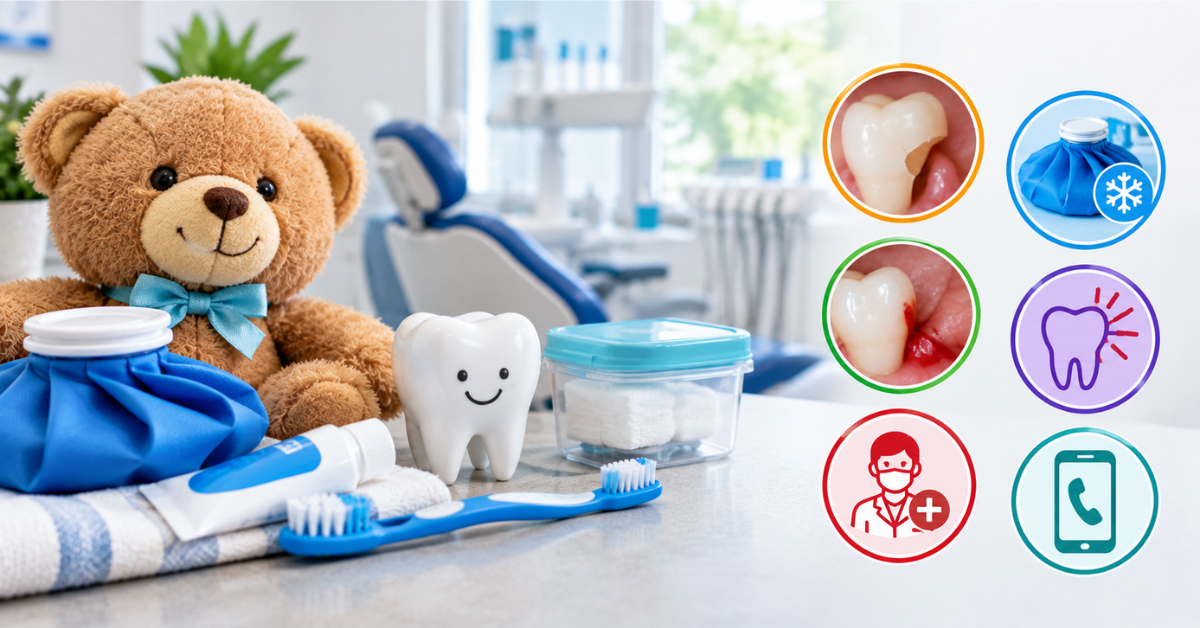
Whether your chip turns out to be urgent or not, these steps help protect the tooth and manage discomfort in the meantime:
- Rinse your mouth with warm water to clear away debris and reduce infection risk. Avoid swishing too vigorously.
- Find the broken piece, if you can, and keep it moist in milk or saliva. In some cases, a dentist may be able to use it as part of the repair.
- Apply gentle pressure with clean gauze if there's any bleeding, holding it in place until it stops.
- Check for sharp edges with your tongue. If they're cutting into soft tissue, temporary dental wax or sugar-free gum from a pharmacy can cover the edge until you're seen.
- Take an over-the-counter pain reliever if you're uncomfortable.
- Apply a cold compress to the outside of your cheek if there's any swelling.
- Avoid chewing on that side of your mouth until it's been evaluated.
These are temporary measures only, not a substitute for having the tooth properly assessed and repaired.
Why "Just Leaving It" Isn't a Good Long-Term Plan
A chipped tooth won't heal on its own. Even a chip that isn't urgent today can worsen with time, since the compromised area is now more vulnerable to further breakage, decay, and sensitivity. What starts as a simple bonding fix if treated early can turn into a more involved procedure, like a crown or root canal, if the damage is left unaddressed for too long.
Getting It Fixed
The good news is that modern dentistry handles most chipped teeth quickly and effectively. Small to moderate chips are often repaired with dental bonding in a single visit, while larger fractures may need a crown or veneer to fully restore the tooth's strength and appearance. If the nerve is exposed, treatment may also involve a root canal to prevent or treat infection before the tooth is restored.
When in Doubt, Call
If you're genuinely unsure whether your chipped tooth counts as an emergency, the safest move is to call and describe it, or send a photo if the office allows it. A quick conversation can tell you within minutes whether you need to be seen tonight or can safely wait for a regular appointment, and that call costs you nothing compared to guessing wrong.
Not sure if your chipped tooth needs urgent care? Find a 24/7 emergency dentist near you and get connected with same-day care if you need it.
FAQs
Q: Can a chipped tooth heal on its own?
A: No. Tooth enamel and dentin don't regenerate. Even a minor chip needs to be evaluated and repaired by a dentist to prevent it from worsening over time.
Q: How do I know if the nerve is exposed?
A: Look for pink or reddish tissue visible at the center of the chip, along with sharp sensitivity to temperature or pressure. This combination usually indicates nerve exposure and needs prompt attention.
Q: Is it okay to wait a few days to see my regular dentist?
A: If the chip is small, painless, and not cutting into soft tissue, waiting a few days for your regular dentist is usually fine. If you notice pain, bleeding, or an exposed nerve, don't wait — seek emergency care instead.
Q: What if I can't find the broken piece of my tooth?
A: That's okay. A dentist can still repair the tooth using bonding material or a crown, even without the original fragment. Just avoid chewing on that side until it's evaluated.
Q: Can I go to urgent care or the ER for a chipped tooth?
A: Emergency rooms can help control pain and bleeding, but they generally can't repair the tooth itself. For actual treatment, you'll still need to see a dentist, ideally an emergency dentist if the chip is severe.