Teeth Whitening
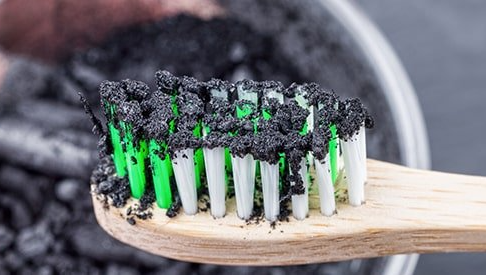
Now, more than ever, people are taking advantage of the effects of teeth whitening. A bright, glowing smile helps inspire confidence wherever you go! However, there are new fads coming to light for at-home teeth whitening. From charcoal toothpaste to oil pulling and baking soda, these at-home teeth whitening methods are popping up all over social media. But are they safe? And are they actually effective? Keep reading to find out!
Charcoal Teeth Whitening
Charcoal teeth whitening is one of the more recent trends in at-home teeth whitening. To use charcoal for whitening, users put a charcoal paste on a toothbrush and scrub the substance on their teeth in an effort to remove surface stains and leave teeth looking whiter.
It’s important to note that charcoal teeth whitening is not approved by the FDA; frequent usage is not recommended until there are more studies done. There is no evidence to suggest that dental products with charcoal are safe or effective. In fact, it has been shown to cause damage if used religiously. Charcoal is abrasive to teeth and can wear away the enamel, which is the protective coating on your teeth. When your enamel wears down, there is no way to get it back. Because of this, you become much more susceptible to cavities as that protective layer is now weakened.
In general, if you are absolutely keen on using charcoal for teeth whitening, make sure it’s a fine powder. Limit usage to once a month—definitely not every day.
Oil Pulling
Oil pulling is a new fad where users swish a tablespoon of cooking oil (such as sesame or coconut oil) around in their mouth for 15-20 minutes to detoxify their mouths. Some preliminary studies show that the oil can help prevent gingivitis, remove plaque and bacteria, and prevent bad breath. However, there are no actual studies done by the FDA to back up these claims.
While oil pulling may not be as harmful as using baking soda or charcoal on your teeth, there is no concrete evidence that it will actually whiten your teeth or provide other dental benefits.
Baking Soda for Teeth Whitening
Another at-home teeth whitening remedy is using baking soda for whitening effects. Baking soda, also known as sodium bicarbonate, acts like an abrasive on the teeth to remove plaque and surface stains. However, baking soda does not have fluoride so users do not receive the benefit of fluoride protection against cavities. Baking soda can be rough on tooth enamel and long-term usage of a baking soda and water mixture can erode enamel. Additionally, frequent usage can cause teeth to have a transparent appearance as well as cause tooth sensitivity.
How to Whiten Your Teeth
Besides in-clinic whitening treatment, here are a few things you can do on your own to get the white smile you want safely.
- Brush 2x a day for 2 minutes each time. Not only will this help remove surface stains over time, but this is the best way to prevent cavities and tooth decay.
- Floss at least 1x a day to remove stains from in between your teeth. Limit stain-heavy…