It’s late, after a long day. You’re probably ready to flop into bed and pass out. Sometimes after a long day of work, meticulous dental hygiene is at the bottom of your list. And we get it! Maybe you’ve often made the choice to skip mouthwash in favor of a quicker routine. But there are many benefits to using mouthwash on a regular basis. Let’s check some of them out!
Types of Mouthwash
Generally speaking, there are two main categories of mouthwash; Cosmetic and Therapeutic.
Cosmetic Mouthwash
These are intended to temporarily control or reduce bad breath. Often they have a pleasant taste, which leaves your mouth feeling fresh. However, these types of mouthwash don’t reduce your risk of cavities or gum disease. They neglect the underlying causes of bad breath, and instead simply treat the symptom.
Therapeutic Mouthwash
These mouthwashes focus on the underlying causes of bad breath; bacteria. They have active ingredients that kill bacteria and can help reduce plaque, gingivitis, cavities and bad breath. Therapeutic mouthwash can be bought in prescription or over-the-counter strengths. When looking for a therapeutic mouthwash, look for these active ingredients to address underlying issues:
Some therapeutic mouthwashes also have fluoride which helps prevent or reduce tooth decay. Fluoride can help remineralize and strengthen enamel which is how it reduces tooth decay. These types of mouthwashes typically include a suggestion to avoid drinking water for about 30 minutes after you use them. That allows the fluoride to sit on your teeth and strengthen your enamel.
Benefits of Using Therapeutic Mouthwash
Prevent or control tooth decay
Tooth decay is a result of sugar weakening your enamel, as well as bacteria which thrive off those sugars producing acid to wear down your tooth. Therapeutic mouthwash targets and destroys bacteria in places that are hard for your toothbrush and floss to reach. While your mouth is constantly gaining more bacteria, it’s still important to control the bacteria at least every 12 hours with brushing, flossing, and mouthwash to help protect your enamel.
Reduce plaque
When bacteria sit on your teeth, they create a sticky residue called plaque. This plaque not only weakens your enamel, it also traps more and more bacteria.
Prevent or reduce gingivitis
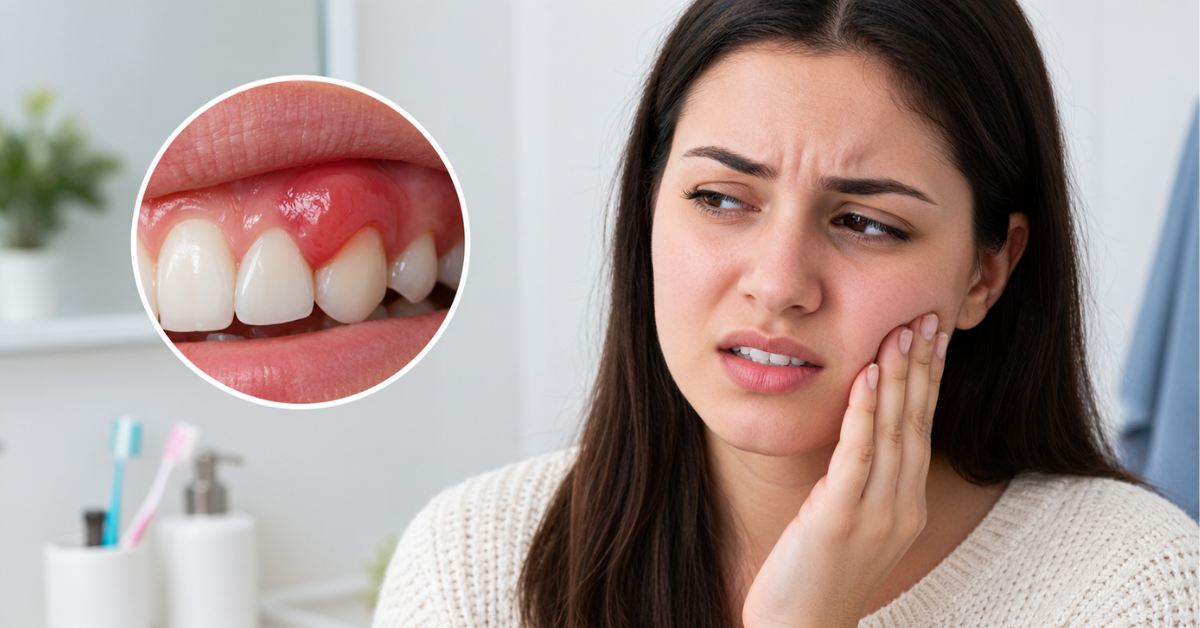
Bacteria often thrive in the small pockets between your teeth and gums. These areas are warm, moist, and protected, which is the perfect place for bacteria to grow. After awhile, this bacterial infection causes your gums to swell in an inflammatory response to the infection. This is gingivitis, and is an early form of gum disease. Gum disease can be difficult to manage and can eventually lead to tooth and bone loss. Mouthwash is able to penetrate these pockets and dry out the bacteria.
Reduce tartar build-up
Tartar is hardened plaque. If plaque is allowed to build up on your teeth, over time it will harden into tartar. Tartar is difficult to remove, and usually requires a professional cleaning to remove. Tartar, like plaque, traps bacteria against the enamel of your teeth and weakens your enamel. Mouthwash not only helps to remove plaque before it becomes tartar, it can also weaken tartar and prevent it from building up further.
Freshen breath
When you treat the underlying issue behind bad breath; trapped bacteria, you will notice a difference in how fresh your breath is, not only after using mouthwash, but on a regular basis.
Reduce Sensitivity
You can find some mouthwashes which are specially formulated to strengthen weak spots in your enamel. Weak or thinning enamel exposes the nerves in your tooth root, causing sensitivity to hot, cold, and sweet foods.
Disadvantages of Mouthwash
While there are many proven benefits of therapeutic mouthwash, there are some disadvantages to consider. Mouthwashes with high levels of alcohol can dry out your mouth and increase sensitivity if they are not specifically formulated to combat sensitivity. Additionally, some people suggest that daily use of high alcohol mouthwash can cause oral cancer. While this is not well studied, you are more likely to experience negative effects avoiding mouthwash than you are by using it. Be sure to discuss with your dentist if you have concerns about this risk. Additionally, if you use mouthwash right after your toothpaste and your mouth rinse doesn’t have fluoride, you can wash away fluoride from your toothpaste that is meant to sit on your teeth.
Brushing and flossing are by far the most important parts of your oral hygiene routine. However, mouthwash can help significantly in your battle against gum disease and tooth decay. Make sure to select a high quality therapeutic mouthwash, and aim to use it daily, if not several times a week.