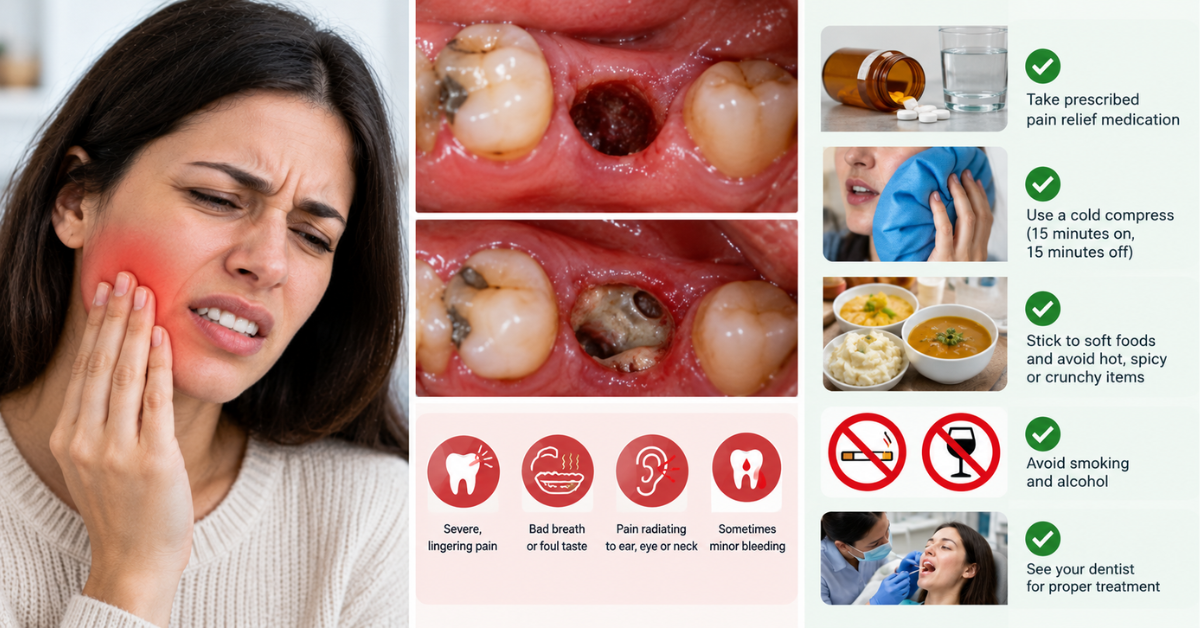
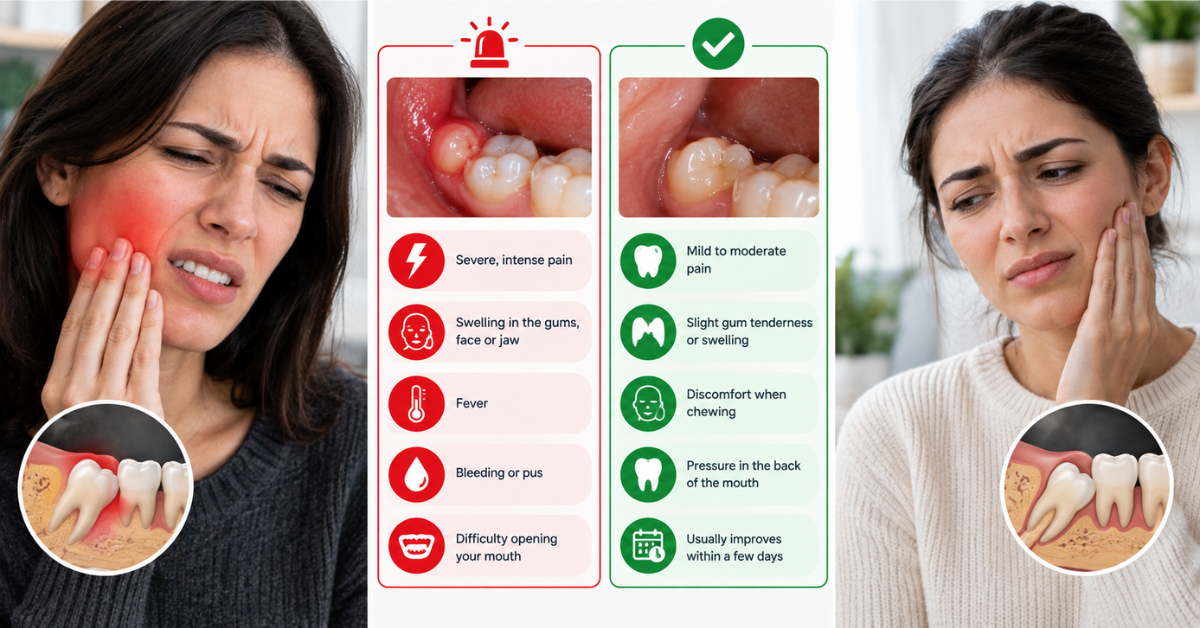
Oral pain, such as toothaches or cracked/fractured teeth, is sometimes difficult to identify. The pain of a damaged or sick tooth is frequently felt in another tooth and the head, neck, or ear due to the enormous network of nerves in the mouth. Endodontists are experts in diagnosing this type of pain. An endodontist is a dentist who specializes in root canal therapy. Whereas dentists manage a variety of dental issues, such as cleaning teeth , filling cavities, and applying sealants, endodontists address tooth discomfort. Treatments provided by an endodontic specialist include severe tooth injury treatment, dental implant surgery , and root canal therapy .
Although all endodontists are dentists, only about 3% of dentists have completed the additional training required to become endodontists. Endodontists are dentists who undergo 2 or 3 years of additional training after graduating from dental school. They study root canal techniques and more in-depth procedures, focusing on diagnosing and treating tooth pain during their specialty studies. For this reason, endodontists are often better at doing root canals than regular dentists since they have more experience and expertise in performing root canal treatments than general dentists .
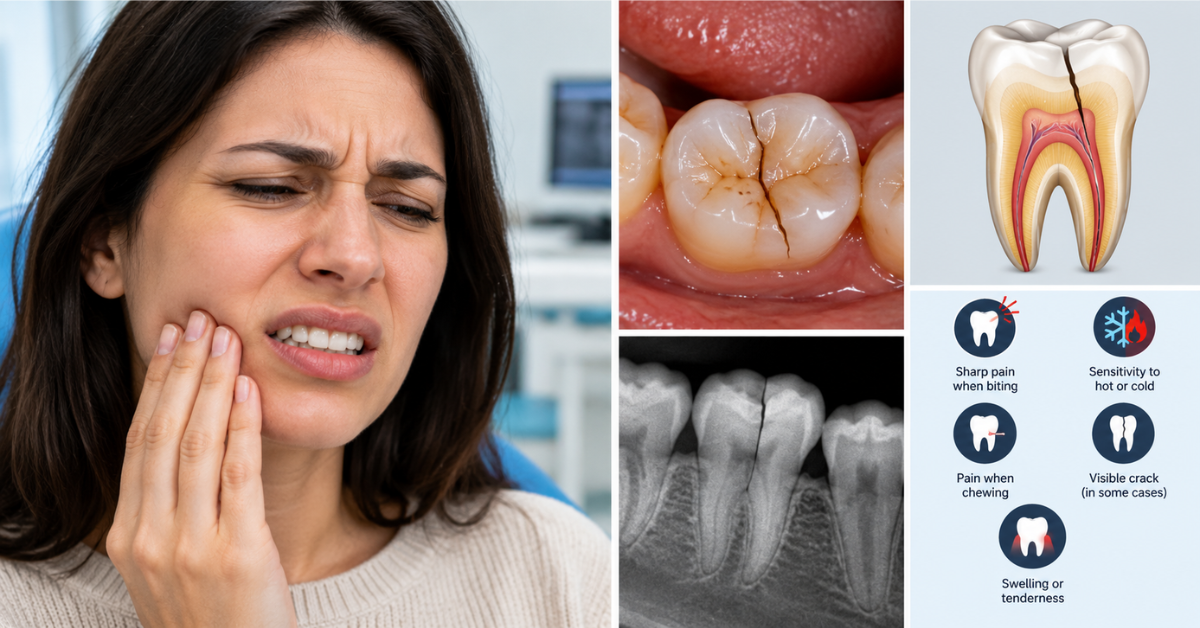
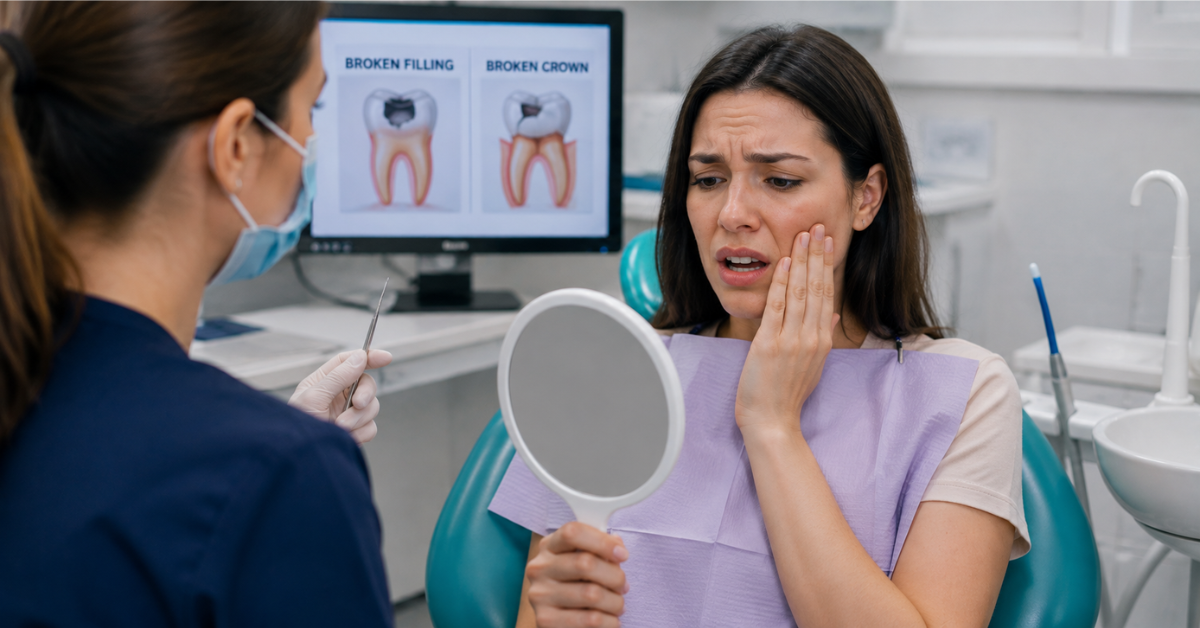
The first procedure performed by an endodontic specialist is root canal therapy. A root canal removes the infected pulp and saves the tooth. Deep decay, trauma, cracks, fractures, or multiple/repeated dental operations are the most frequent causes of inflammation or infection inside the tooth. Sometimes there are no symptoms, and the inflammation or infection is not visible on diagnostic X-rays. If left untreated, pulp inflammation or canal infection can cause discomfort, abscess, and eventual tooth loss. A root canal is a standard dental procedure that can save a tooth that would otherwise have to be extracted. Endodontists also treat traumatic dental injuries where the crack in the tooth exposes the pulp to bacteria, further causing pain while drinking and eating. The nerves, blood arteries, and other structures deep inside each tooth are referred to as the “pulp” by dentists. If the root is not injured, root canal treatments are not required. If the cracks and chips are minor and above the root, they can be repaired with a tooth-colored filling or crown.
Endodontists and general dentists both play an important role in your oral health. General dentists often identify concerns that may require you to see an endodontist. Endodontic therapy is required if you have symptoms of tooth infection or serious tooth decay in the pulp or root of your tooth. Dentists and endodontists work together to provide you with the finest possible care. If your dentist thinks you require specialized care, they will usually refer you to an endodontist they know and trust. However, if you are in severe discomfort and are certain that you have a damaged tooth, you can go straight to an endodontist for treatment. They can immediately investigate the situation and try and save your tooth.
In the end, which professional—a general dentist or an endodontist—should you see for a root canal? For routine cleanings and checkups, your dentist can provide the best treatment, but for difficult root canals, you should see an endodontist. Schedule an appointment with us if you are experiencing severe dental pain and chronic tooth sensitivity. 24/7 Local Dentist Group provides a variety of endodontic procedures that are guaranteed to reduce pain and preserve teeth. Contact us today to save your natural teeth and avoid future restorative procedures. Call us at (833) 220-2448.