So, you’ve had a tooth extracted. There are many reasons why this may have been the right choice, as you can read about in our blog from last week. You can have a huge impact on how well your mouth heals and your pain levels by caring for your tooth extraction site. While not every extraction is the same, we’ll go over some tips that will help every extraction wound.
Care for the Extraction Site
First Few Hours
Immediately after extracting the tooth, your dentist will ask you to bite down on gauze. As much as is possible, it’s best to keep pressure and this gauze on the wound for a couple hours. This will help the extraction site form a blood clot and prevent bacteria from entering your bloodstream through the wound. It’s very important that you don’t try to swish or gargle too soon which can dissolve a blood clot as it forms.
Next Few Days
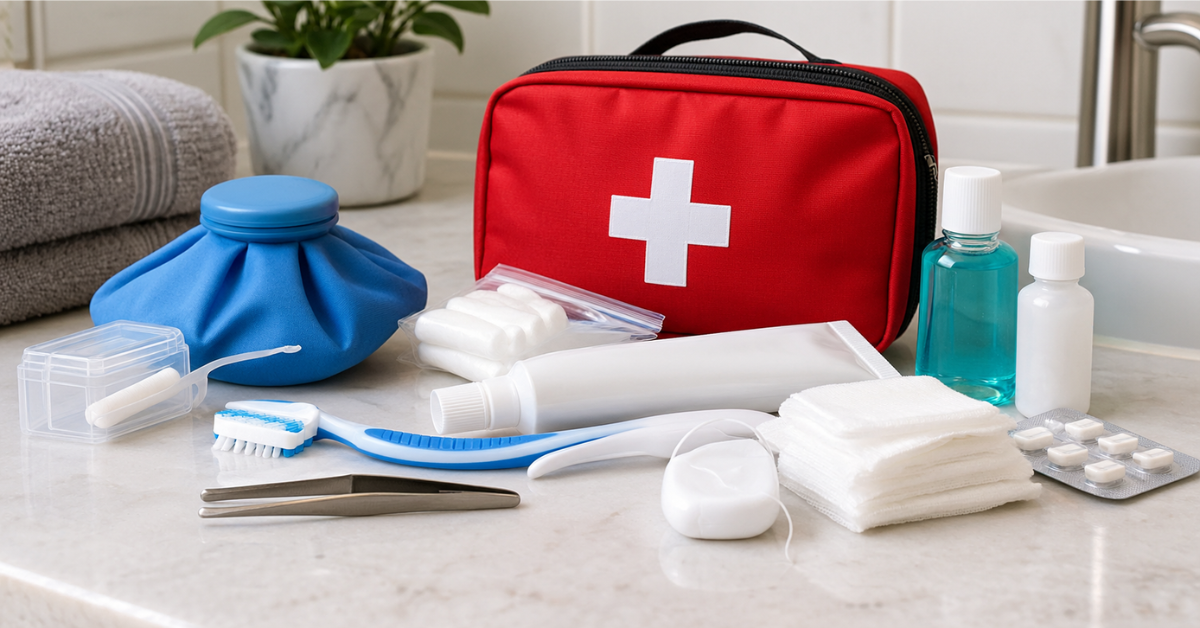
Have plans to rest well after an extraction, especially more involved extractions that require sedation. Adequate rest can help speed healing and prevent complications. Additionally, as much as possible, try not to create pressure changes in your mouth- spitting, sucking, blowing your nose, sneezing, etc. To keep swelling down, you can use cold compresses on the cheek near the extraction site. Ice for no more than 10 minutes in a row to prevent tissue damage. Managing pain with over-the-counter anti-inflammatories can help you rest, and can aid in the healing process.
Once the clot is well formed, gently clean the extraction site daily by swishing lukewarm salt water. Avoid vigorous swishing or brushing which can dislodge the blood clot. Other things that can dislodge a blood-clot are smoking, spitting, and sucking. It’s best to avoid using a straw for the duration of the healing process. It’s important to protect the blood clot because it acts as a barrier to prevent infection, speeds up healing time, and prevents a painful complication of extractions called dry socket.
Dry Socket
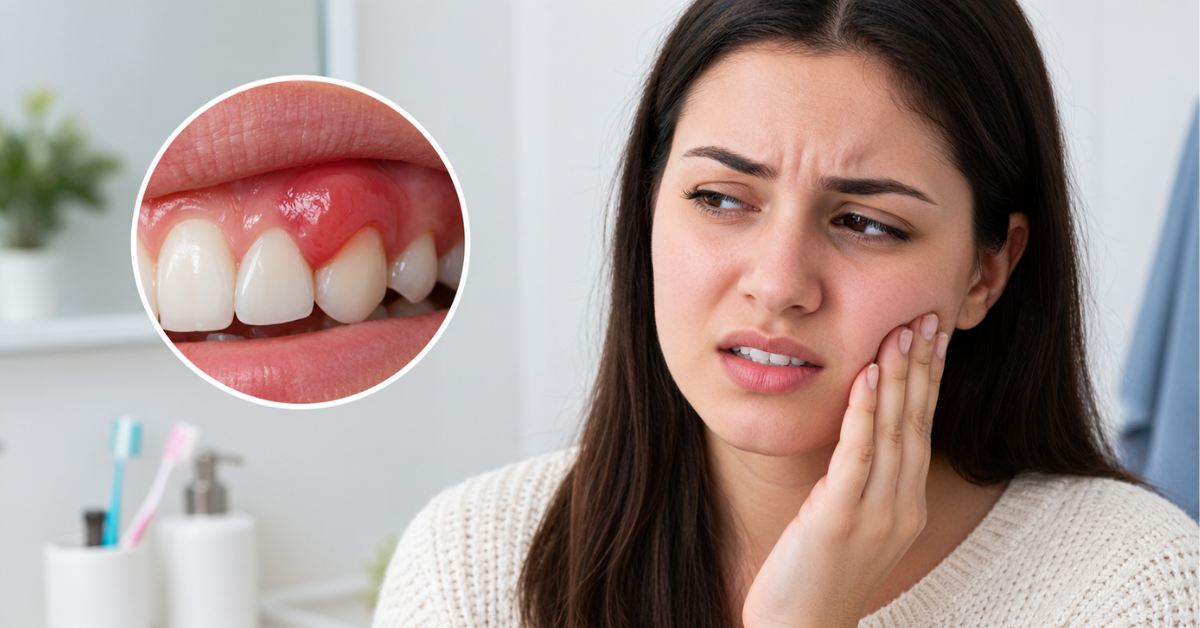
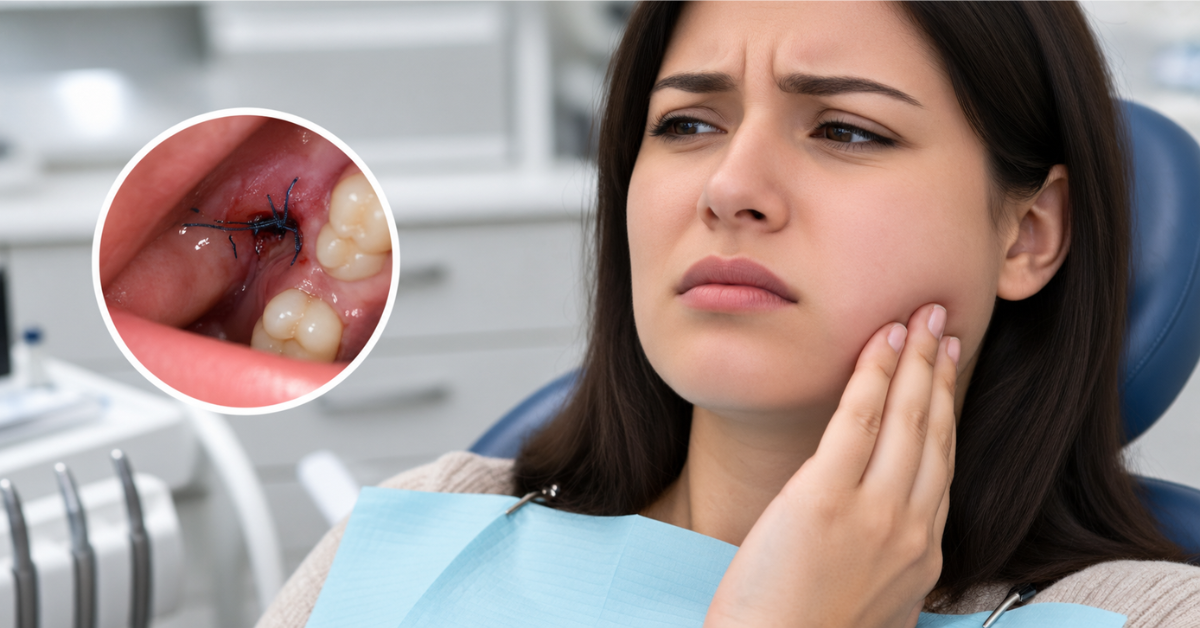
A dry socket is when the clot is removed from an extraction site, exposing the bone, tissue, and nerves. This causes more severe pain that lasts longer than typical extractions. It can also slow healing time. The treatment for dry sockets is to pack the wound with medicated gauze. If your pain gets worse, not better after a couple of days, you notice a strong smell or odor or can see bone at the extraction site, contact your dentist.
Days 3-10
Once the clot is more firmly in place, you can clean the site more directly with salt water and a syringe. You should clean the rest of your teeth as usual with a toothbrush and floss, but avoid brushing directing at the extraction site.
Manage the Pain
It’s advisable to manage your pain rather than pushing through to be “tough.” The body heals slower when it’s in pain. It’s best to stick to over-the-counter anti-inflammatories. Occasionally with very involved extractions, dentists may prescribe something more powerful. Make sure you follow your dentist’s instructions regarding pain medications and don’t take them more often than intended. If you struggle to lower your dose of the prescription pain medications, contact your dentist. Additionally, you can get help from the SAMHSA National Hotline.
Adjust Your Diet to Care for the Extraction Site
Immediately after the extraction, it’s best to avoid food for a few hours at least. After a few hours and for the next few days, stick with liquid foods and use a spoon, not a straw. Once the clot is well-formed around the third day you can transition to soft foods. Try to avoid foods that could get lodged in the extraction site. Some good choices would be applesauce, yogurt, puddings, soups, protein shakes, and smoothies. Avoid very hard foods, especially those that might poke your extraction site, such as chips or fried foods.
When to Call Your Dentist
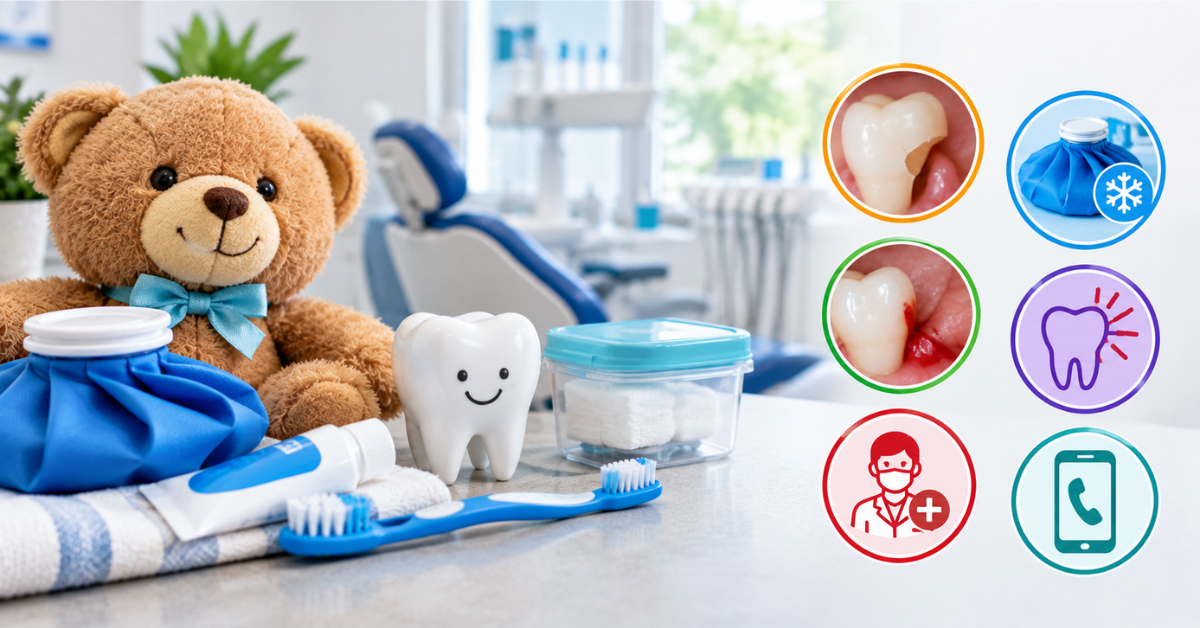
Call your dentist and discuss these issues with them if you experience any of the following:
Many extraction sites heal without complications in about 10 days. Some factors can influence how fast your mouth heals including your overall health, age, and whether or not you smoke. If you need to speak with a dentist and for some reason can’t contact your own, please don’t hesitate to call 24/7 Local Dentist at (833) 220-2448.