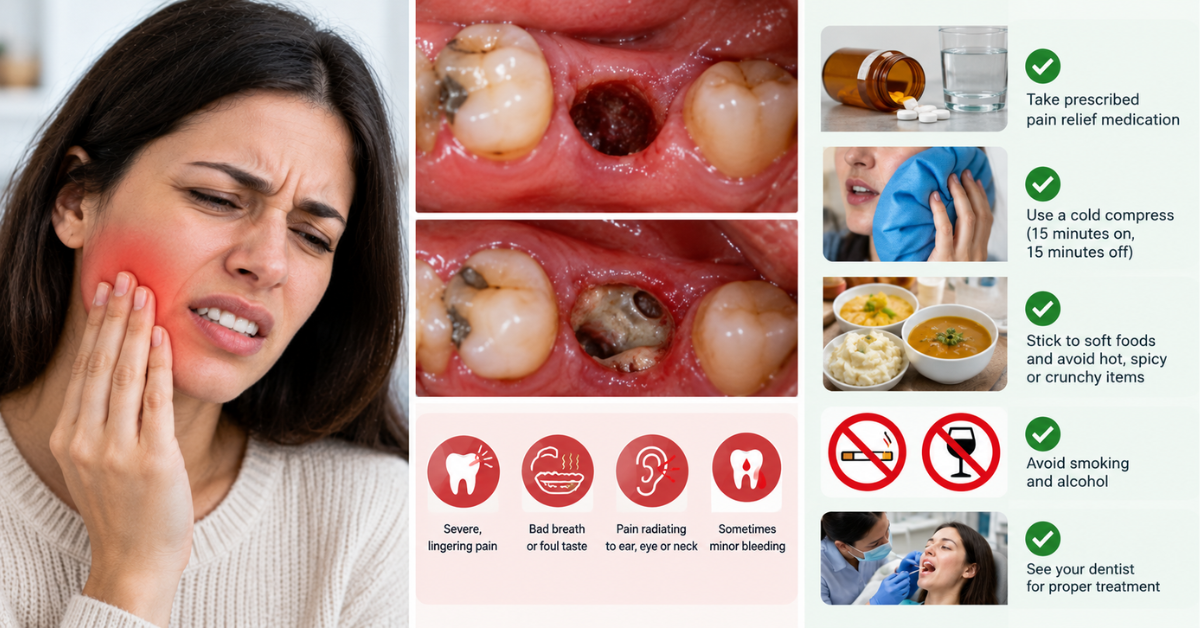
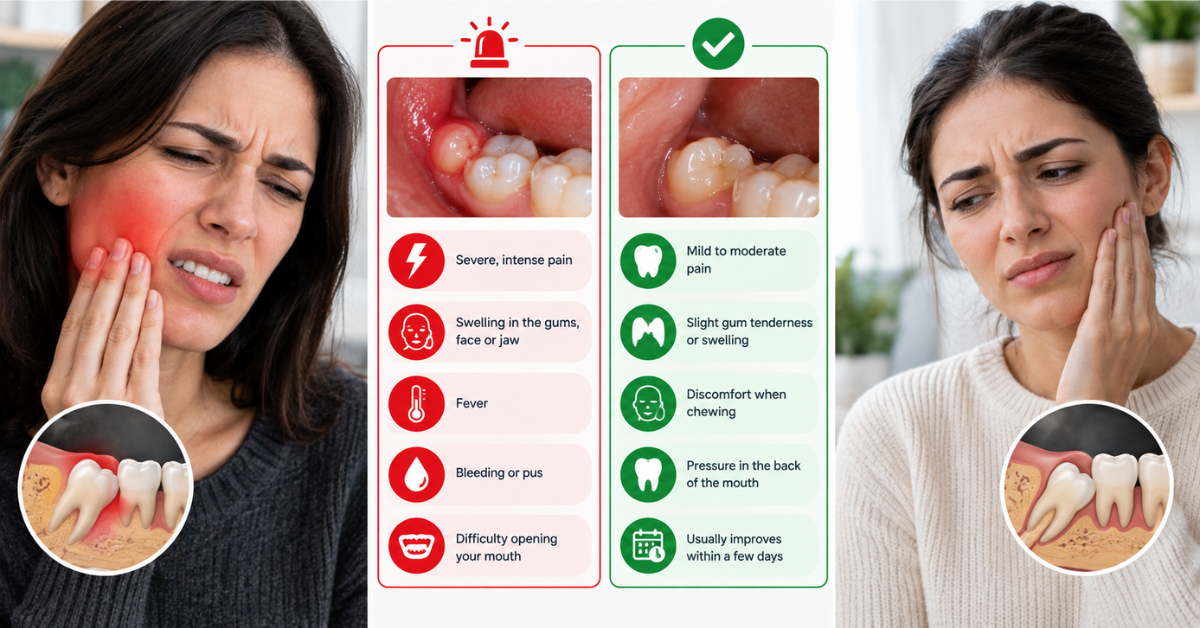
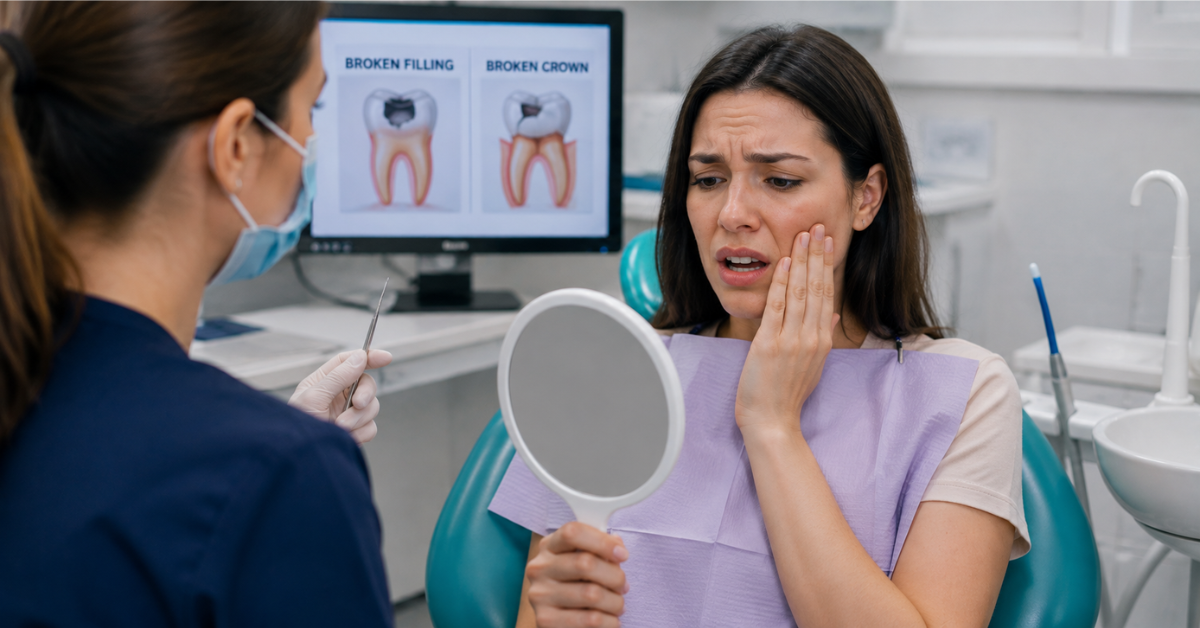
We blogged recently about how to handle accidental tooth loss , but what do you do if your filling falls out? A filling falling out can just be a freak incident. Maybe it became loose and popped out while you were eating or brushing your teeth, or you were hit in the mouth by a baseball. Either way, you need to move quickly, as leaving that gap in your tooth can lead to bacteria and food particles accessing the inner part of your tooth, causing damage that could either lead to a necessary root canal or a loss of the tooth
How Do You Know Your Filling is Loosening?
Before you worry about what to do when the worst case scenario comes about, you should know how this can occur – and how to prevent it. Some of the symptoms of a loosening filling include tooth sensitivity, pain when eating with the tooth, sharp pain or a constant toothache.
You can identify a loosening tooth by physical factors, as well. If you notice holes in your tooth and find that your dental floss shreds or comes out with pieces of food, you may be in danger of losing your filling. To prevent this loss, visit your dentist for regular examinations (approximately every six months). The dentist will notice any looseness or potential for a lost filling, and replace it.
What To Do If Your Filling Falls Out
What should you do if your filling falls out? Here are a few steps to make sure you handle this emergency properly:
- Remove Your Filling: Before calling the dentist’s office, make sure you completely remove the filling from your mouth. If you leave it in, you can swallow the filling, which can lead to an infection in your lungs.
- Go to the Dentist Immediately: After removing your filling, the first thing you should do is schedule an appointment with your dentist. All dentist offices have emergency time programmed into their schedule should you need an immediate filling replacement. Head in and get an X-ray. From there, your dentist should be able to prescribe you a solution for restoration. You will either be able to get a filling immediately, or you may be referred to another dental professional should your tooth be in worse shape. It may require a root canal, crown or an extraction.
- Temporarily Fill the Hole in Your Tooth: Losing a filling exposes the nerve in your tooth, making it susceptible to intense pain. Head to the store and pick up either sugar-free gum or dental paste to fill the missing area of the tooth. Your local pharmacy will be able to get you the over-the-counter paste, as well as medication that can help with the pain.
- Practice Careful Oral Hygiene Around the Area Where You Lost the Filling: Remove the debris caught in the hole in your tooth by brushing very carefully inside the hole. You should also rinse out your mouth with warm salt water after eating to wash away any leftover food particles in your tooth.
What Are Your Options for Restoring Your Tooth?
Should the tooth be restorable, you have a choice of options based on the position of the tooth. Here is what the positioning of the tooth and damage tell you about your possible restoration options. Of course, only an examination by your dentist will allow determination of the treatment that’s appropriate for your individual case:
- Molar/premolar: amalgam (silver) or composite and glass ionomer (tooth-colored) filling
- Incisor/canine: composite and glass ionomer (tooth-colored) filling
- Back teeth: amalgam (silver)
- Extensive loss of tooth structure: crown
If you lost a filling, 24/7 Local Dentist can get you the replacement you need to prevent further damage to your tooth. Learn more about what to expect from oral surgery , as well as your payment options .