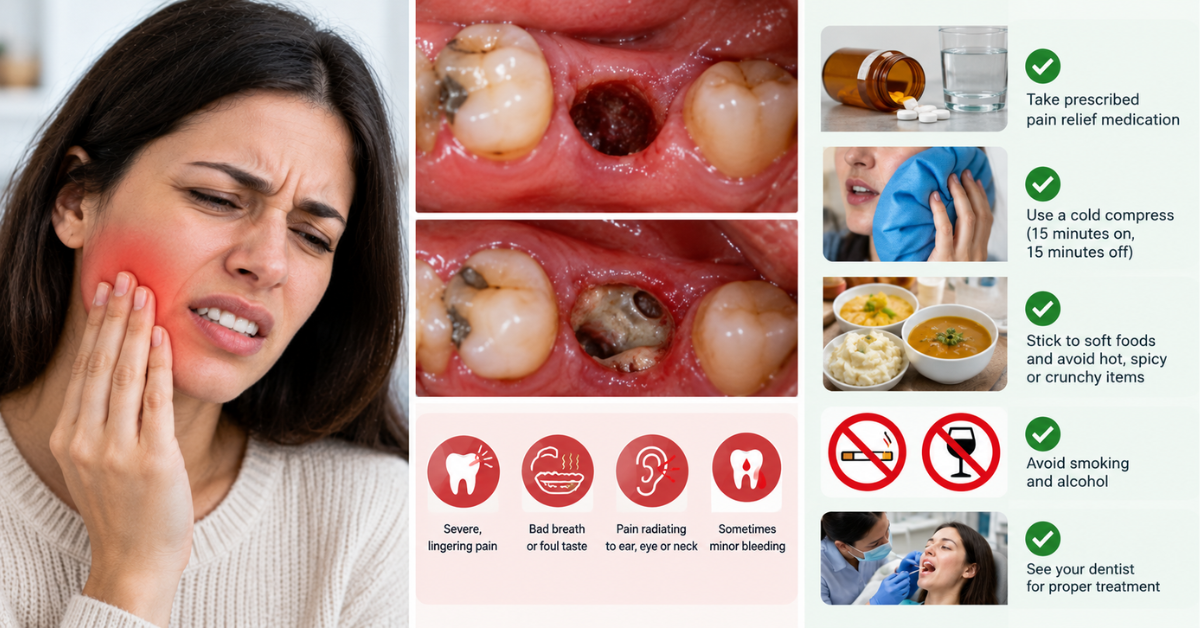
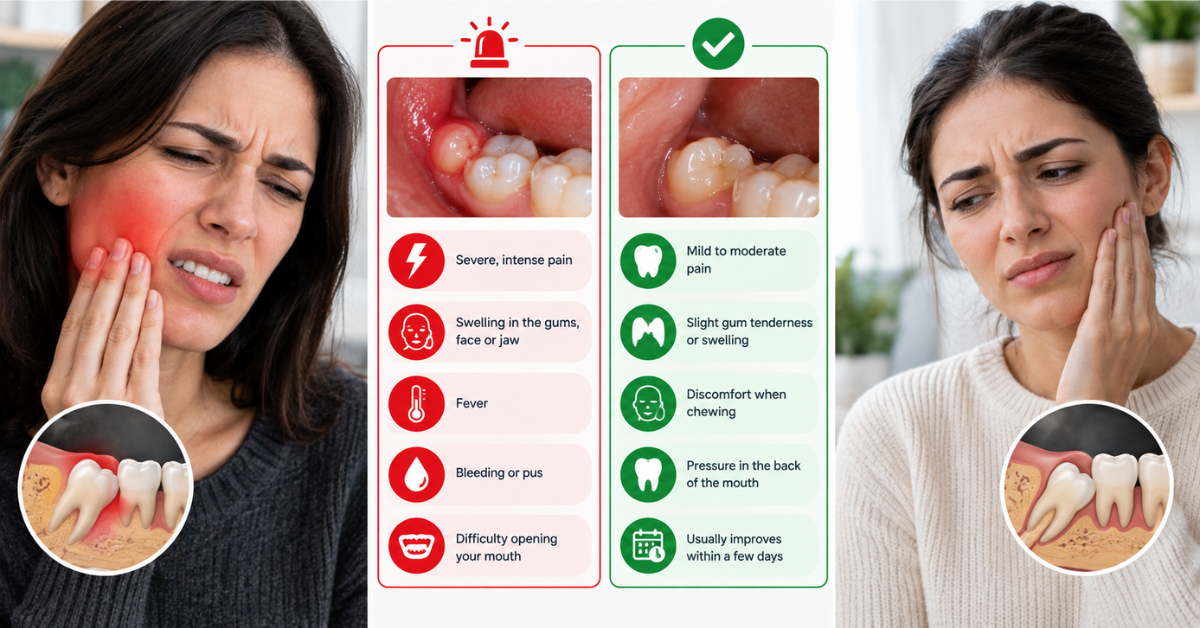
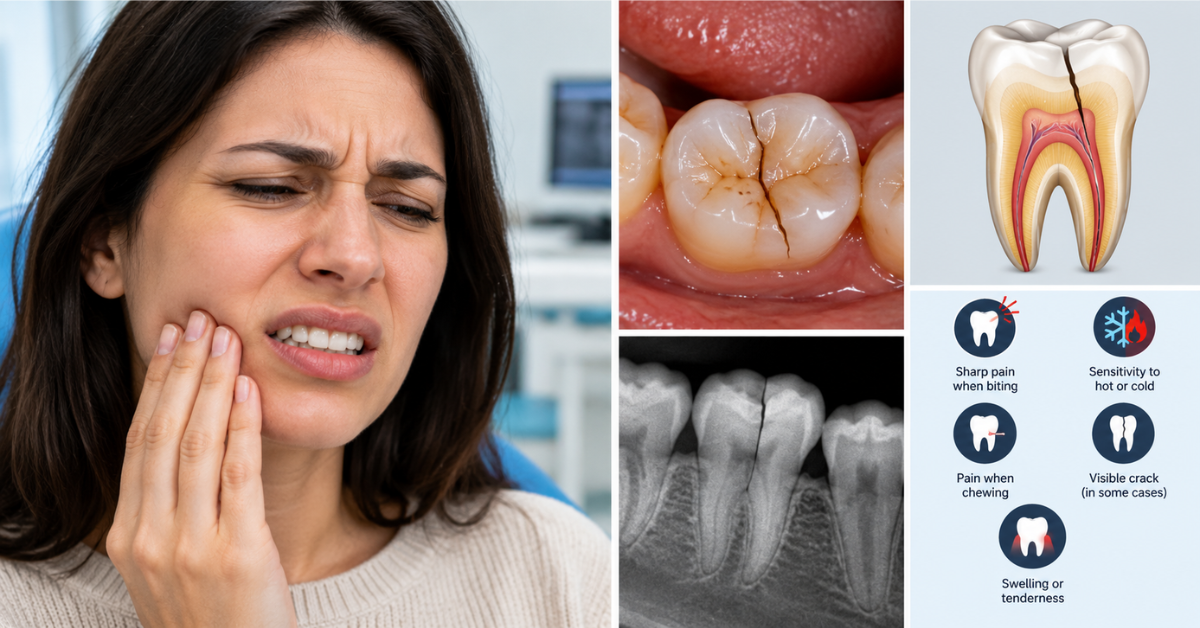
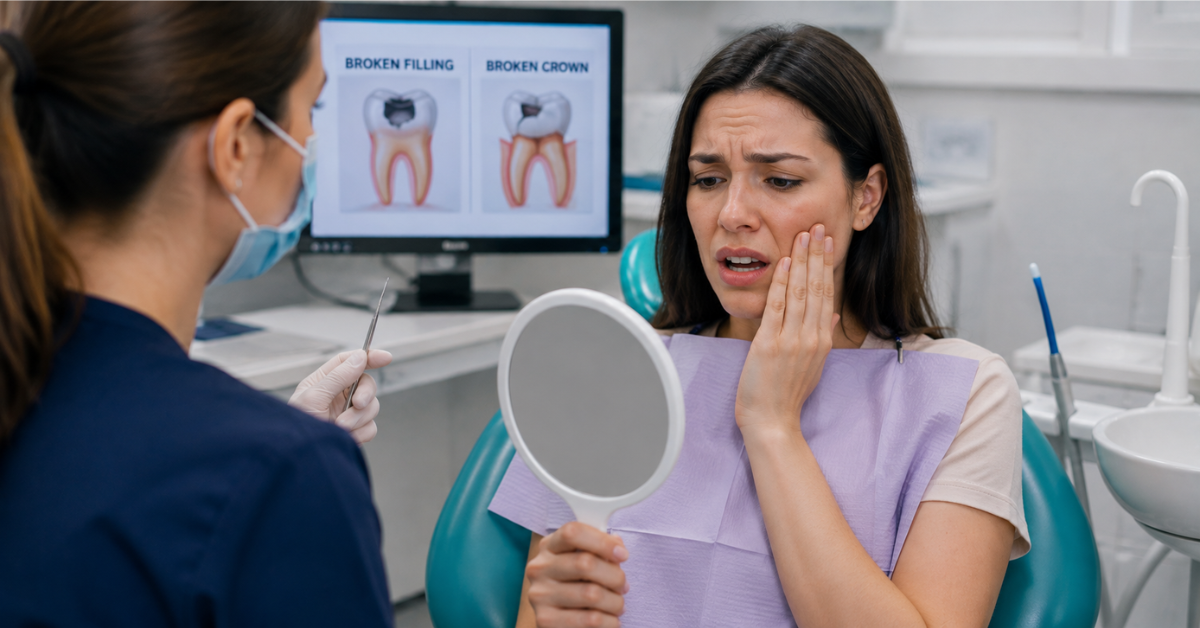
From the loss of confidence, and difficulty eating, to speech limitations, many drawbacks come with tooth loss. Thankfully, modern science has provided us with treatments to treat the gaps caused by missing teeth.
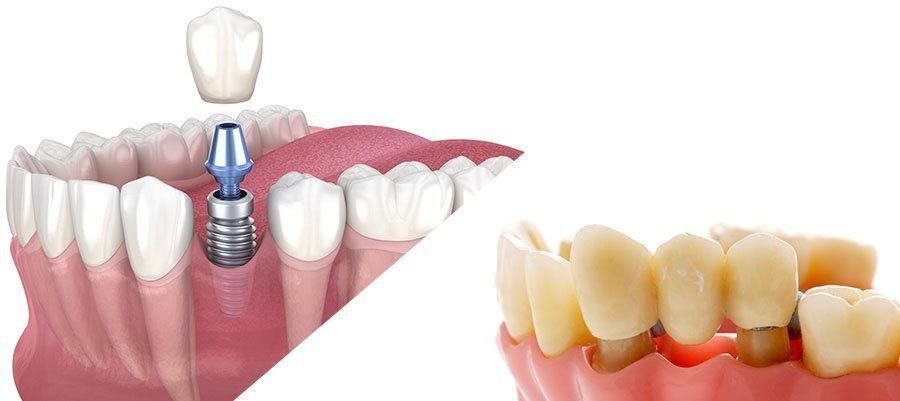
To have the proper fix for your teeth, you need to consider your lifestyle and preference. Implants and bridges are both solutions to your teeth problem, but they are also two different things. Read on to know which one best suits you.
What are Dental Bridges and Dental Implants?
Dental Bridges
Dental Bridges are false teeth attached to the surrounding teeth of the missing tooth. It replaces the missing tooth by bridging the gap with artificial teeth and attaching it to the adjacent teeth. Experts usually make dental bridges with plastic, porcelain, or Zirconia . Dentists make sure to replace your teeth with artificial one that matches the natural color of your teeth. It can cover more than one missing tooth .
Dental Implants
Dental Implants are artificial teeth attached to your jawbone with screws, allowing the bridge or the crown in place. Implants are tooth roots made of titanium. Dental implants also help keep your jaw bone healthy. It can preserve anything that is left of your natural teeth. These are tough enough to replace a set of your lower and/or upper teeth. It can also replace even just a row or a piece of tooth.
Practicality
Dental Bridges and Implants both have their own merits and downsides. Dental Bridges will be your best bet if the teeth around your missing tooth need caps or crowns soon. These can also be your best choice if they have large fillings. On the other hand, getting bridges may need more preparation for the adjacent teeth. Dentists will remove the enamel of neighboring teeth to forge the bridge.
Dental Implants will be the best choice if you just need to replace a tooth . Its results also promise a more durable and permanent tooth . These would not be your best option if the missing tooth or teeth have been gone for long, and the bone and gums have already receded.
Dental Hygiene
Dental bridges may be trickier to maintain. They are just cemented in place in your mouth with the help of their surrounding crowns. Because of this design, there might be a space under the false tooth that you need to floss. Brushing and flossing will be more difficult, which is why oral care for dental bridges will need extra care.
Because of this difficulty, there will be risks of cavities forming and tooth decay in the neighboring teeth. It can even destroy the healthy teeth adjacent to the missing tooth.
For maintaining oral care, dental implants will be easier. Tooth replacement would not affect other teeth that much, making the usual brushing and flossing easier like a natural tooth.
Durability
When we talk about durability or long-term effects, dental implants easily beat dental bridges. Dental implants are much more durable, and can even last a lifetime. The American Academy of Implant Dentistry says that since the dental implants’ cylinders are made of titanium, they will naturally combine with the jawbone. They call this process osseointegration.
On the other hand, dental bridges can last up to ten years. Sometimes, you need to replace them after about five to seven years. Dental bridges may slip off of what’s left of your natural tooth over time due to wear. The remaining tooth wears your dental bridges cling to may even have high risks of tooth decay and/or gum disease.
Aesthetics:
A good set of teeth is essential not only for eating food and speaking properly but also for boosting our confidence in social settings. That is why aesthetics is not something we should overlook! Compared to the two, implants will provide a more natural-looking finish. It can even retain this look for a longer time than dental bridges.
Insurance coverage
According to Health Line , dental bridges are more likely to be covered by insurance than dental implants.
Invasiveness and downtime
If you are looking for something less invasive and take less time to apply, dental bridges would fall under that category. Dental bridges do not need any invasive surgery or bone grafting. Two visits to your dentists a couple of weeks apart will be enough. Dental implants, on the other hand, can take up to six months.
With dental implants, patients will sometimes need bone grafting. This procedure takes several months to heal before they can place the implants. It can take about three to six months for the osseointegration to complete after installation. Dental implants can lead to surgical complications, but they have a 97% success rate.
Dental implant specialists also do not advise dental implants for those with uncontrolled diabetes or leukemia. The reason is that this procedure requires surgery, and healing can be slow for those with the said conditions.
Cost
Dental bridges will cost less than dental implants. However, you may need to replace it in the future. Dental implants cost more at first from their preparation down to the final placement. The advantage of dental implants is it is more long-lasting. That makes it more cost-effective. Patients can pay for their implant treatments in increments depending on the service provider.
Schedule a consultation with a professional
Dental bridges and dental implants each have their pros and cons. Knowing which procedure to choose will depend on your lifestyle and priorities. If you are still unsure about which treatment to take, you can schedule a consultation with a dentist here in Southern California . 24/7 Local Dentist Group offers a full service for all your dental needs. Our team can provide you with options for which is the better procedure for you. Call us at (833) 220-2448 .