If you’re experiencing pain or discomfort due to impacted wisdom teeth, then the immediate benefits of wisdom teeth removal are clear. For anyone who may not be experiencing discomfort but has been told by a dentist that you should consider having some or all of your wisdom teeth extracted, you may be more curious about the long-term benefits of removal. Extracting wisdom teeth thankfully has both short-term and long-term benefits for dental patients who require it. For Chicago residents looking for dental treatment in Bucktown, Wicker Park, Logan Square or Humboldt Park, NK Family Dental is here for your needs — including wisdom teeth removal.
Keep reading to learn what your dentist will look for to determine if you need your wisdom teeth removed, the reasons for and the benefits of wisdom teeth removal, and about any potential risks from the procedure.
What Your Dentist Will Look For
It’s important to first know the signs of wisdom teeth complications for patients and dentists alike. Aside from pain or pressure in your jaw or in the back of your mouth, there are many other signs your dentist will look for or ask you about to determine if your wisdom teeth will cause long-term problems if not removed. Pain or discomfort doesn’t occur in every person who faces wisdom teeth problems, after all!
Mouth Healthy from the American Dental Association lists some of the following wisdom teeth complication signs your dentist will look for:
- Wisdom teeth that have grown in but aren’t positioned properly
—
These can lead to food particles getting trapped between the teeth, leading to bacteria and cavity development — as well as making flossing difficult.
- Partially grown-in wisdom teeth
—
These teeth increase the risk of bacteria build-up in the gums, often leading to infection. Other impacts of partially grown-in wisdom teeth can include pain, stiffness or swelling in the jaw.
- Teeth crowding and shifting
—
Wisdom teeth that grow when there’s not enough room in the mouth can cause problems for other teeth, including crowding, teeth shifting and tooth damage.
- Impacted wisdom teeth — Impacted wisdom teeth are unable to erupt due to their position beneath the gums. They can cause pain/discomfort as well as increase the likelihood of cyst development.
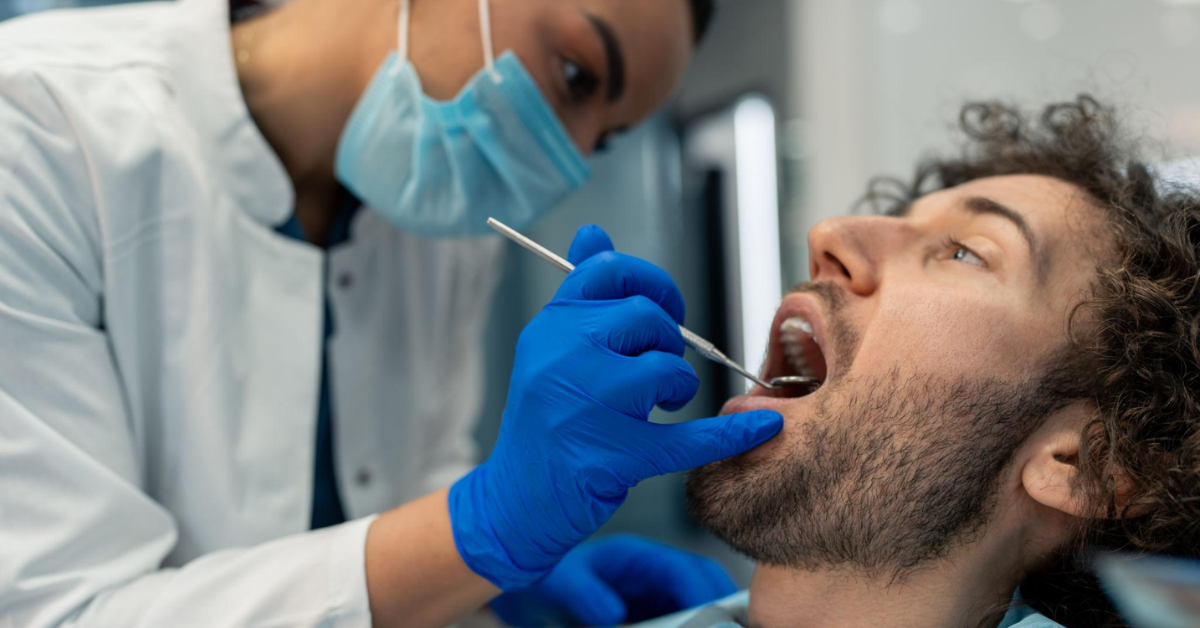
Aside from checking for these signs, your dentist will also likely ask you to describe any pain, pressure or discomfort you may be feeling near the back of your jaw. If there are enough signs pointing to needing wisdom teeth removal, your dentist will also likely take dental X-rays to get a clear look at the position of your wisdom teeth. This will allow your dentist to see any potential or current damage from your wisdom teeth to your other teeth or jaw. From there, your dentist will advise a treatment plan, which may include seeing an oral surgeon if your dentist does not perform extractions for impacted wisdom teeth.
Reasons for and Benefits of Wisdom Teeth Removal
Regardless if you feel like they are causing an issue or not, wisdom teeth removal is necessary for many people for their long-term oral health.
Some important reasons to get your wisdom teeth removed include:
- Infection and inflammation
—
When gums become inflamed and irritated due to teeth misalignments, sensitivity and pain can set in as gum disease takes hold. Partially impacted wisdom teeth can create separations between the teeth and the gums that is a hotbed for bacteria development. This bacteria can not only lead to cavities, but also infection. Oral infections are dangerous to both the health of your mouth and your overall health.
- Damage to neighboring teeth
—
Wisdom teeth that grow in at an angle or too close to their neighboring molars can cause damage — including bone loss and an increase in the risk of cavity development. Bone loss and cavities can ultimately lead to permanently losing those damaged teeth if crooked wisdom teeth are left untreated.
- Crowding (especially for anyone who has or has had braces) —
Similar to the damage that can be caused when wisdom teeth do not grow in correctly, they can also cause crowding of your already grown-in teeth. For anyone who currently has or has previously had braces and other orthodontic work, crowding from wisdom teeth risks undoing the results of your braces and other treatments.
- Cyst and/or tumor development risk —
As previously mentioned, impacted wisdom teeth definitely bump up the risk of developing small dental cysts or tumors. While small, these cysts and tumors can cause serious pain and can lead to the intervention of a dentist specializing in TMJ treatment.
- Maintaining good oral hygiene — Finally, wisdom teeth that do grow in can still be difficult to keep clean, no matter how thorough you may think you are being with your daily oral hygiene routine. Properly flossing and brushing around your wisdom teeth in the very back of the mouth can be difficult due to their position. Over time, this can cause plaque to build up and cavities to develop, easily spreading throughout the mouth.
Simply put, the benefits are clear. In the long-term, wisdom teeth removal, when necessary, can maintain and improve your oral health by decreasing the risk of pain, infection, tooth damage, crowding of the teeth, the undoing of any previous dental work, developing dental cysts or tumors, and gum disease — as well as by making it easier to keep up thorough oral hygiene.
If your dentist recommends having your wisdom teeth extracted, it’s best to consider removal as soon as possible. The longer you wait to get your wisdom teeth out, the greater these dental and oral risks become. Your mouth will thank you later!
Are There Any Risks?
Of course, it’s always important to weigh the risks and benefits of any medical and dental procedure before making any final decisions about treatment. The benefits of wisdom teeth removal are clear, but are there any risks? Wisdom teeth removal is still a form of oral surgery, after all.
In regards to wisdom teeth extraction , the Mayo Clinic states that “most wisdom tooth extractions don’t result in long-term complications.”
While complications are rare and minimal, a few potential risks to note are:
- Dry sockets
—
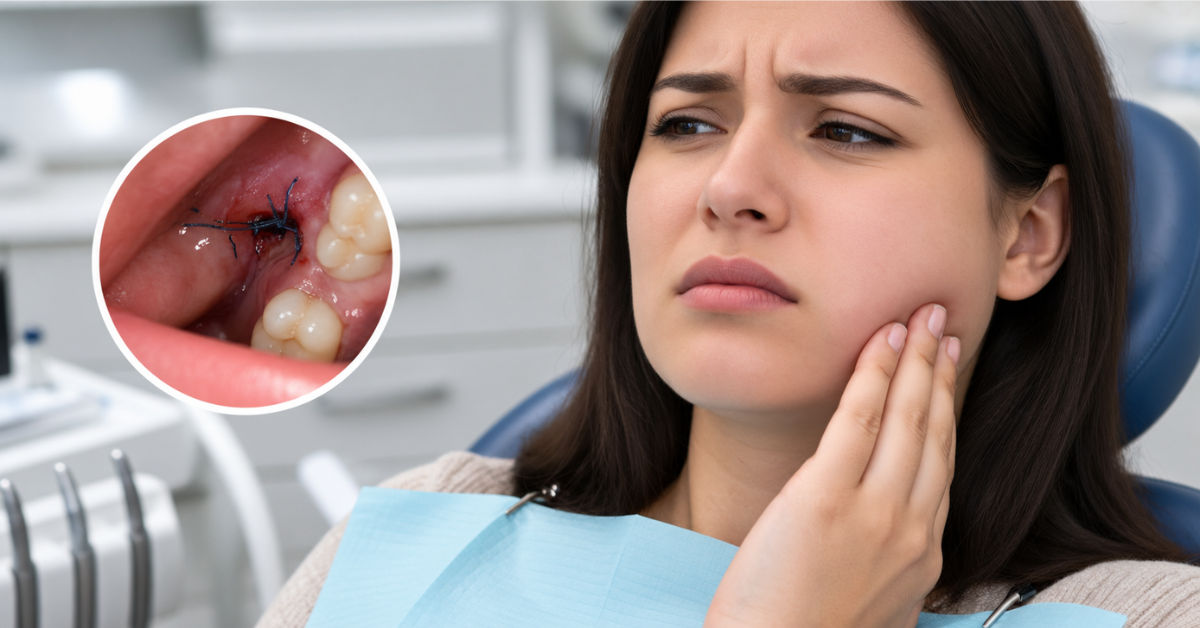
Dry sockets can develop post-surgery when a blood clot dissolves post-surgery, leaving the bone exposed before the gums have healed over it. These are temporary and rare, but they can be painful when they occur. Dry sockets can be prevented by strictly following your oral surgeon’s post-surgery recovery guidelines.
- Infection
—
Infections can develop from the buildup of bacteria within a socket, as well as from any food particles that get stuck. Be sure to properly and frequently use a water syringe to clean out your wisdom teeth sockets while they are healing, and use gauze as necessary while healing.
- Damage — Due to the nature of wisdom teeth removal being an oral surgery, there is a slight risk to damage of nearby teeth, your jawbone, nerve endings or your sinuses. However, such cases are rare, especially in the hands of a well-qualified and highly experienced oral surgeon.
For more information on the wisdom teeth removal process, see our previous blog post, “ Wisdom Teeth Removal: When You Need It and How to Prepare .”
Save Your Mouth with Wisdom Teeth Removal
If you’re experiencing oral pain or discomfort and suspect it might be due to your wisdom teeth, don’t wait a second longer to see a dentist. Earlier treatment means earlier and long-term relief. Looking for a dentist near Bucktown, Wicker Park, Logan Square or Humboldt Park in Chicago ? 24/7 Local Dentist offers safe oral surgery treatments, including wisdom teeth removal, for eligible patients.