While it is known that oral health greatly impacts your overall health, most Americans unfortunately do not have dental insurance. Because of this, many people often forego visiting the dentist for as long as possible until an emergency occurs or until severe oral/dental conditions arise. Skipping the dentist because of a lack of dental insurance can lead to an increased risk for many oral and overall health conditions, including gum disease, tooth loss and heart disease. While you can still receive treatment in the event of a dental emergency, the extra expenses will burn an even deeper hole in your wallet. This is why it’s important to have a plan in place and know your options for both urgent and general dental care services.
Let’s discuss the different levels of severe and urgent dental needs, how to prepare for emergencies, what preventive measures you can take and what affordable options are in place for individuals and families without dental insurance.
Know What Is Urgent, and Have a Plan
As we discussed in our previous blog, “ How to Know if It’s a Dental Emergency ,” it’s important to know the difference between urgent dental matters and dental emergencies that require immediate attention.
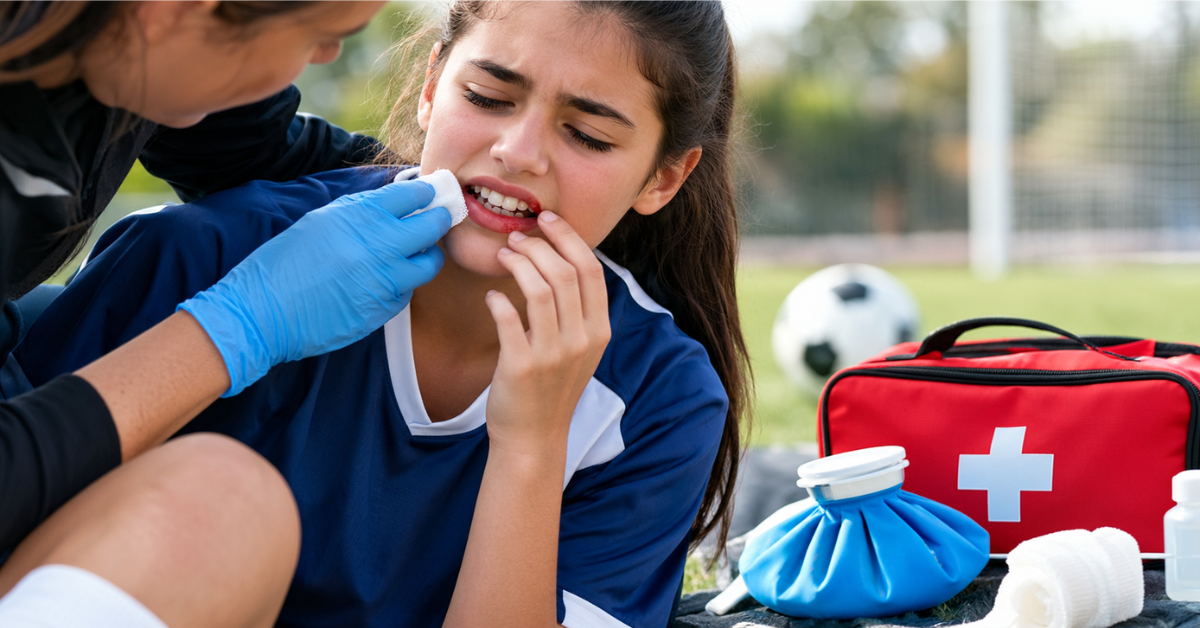
Dental emergencies that require immediate treatment include:
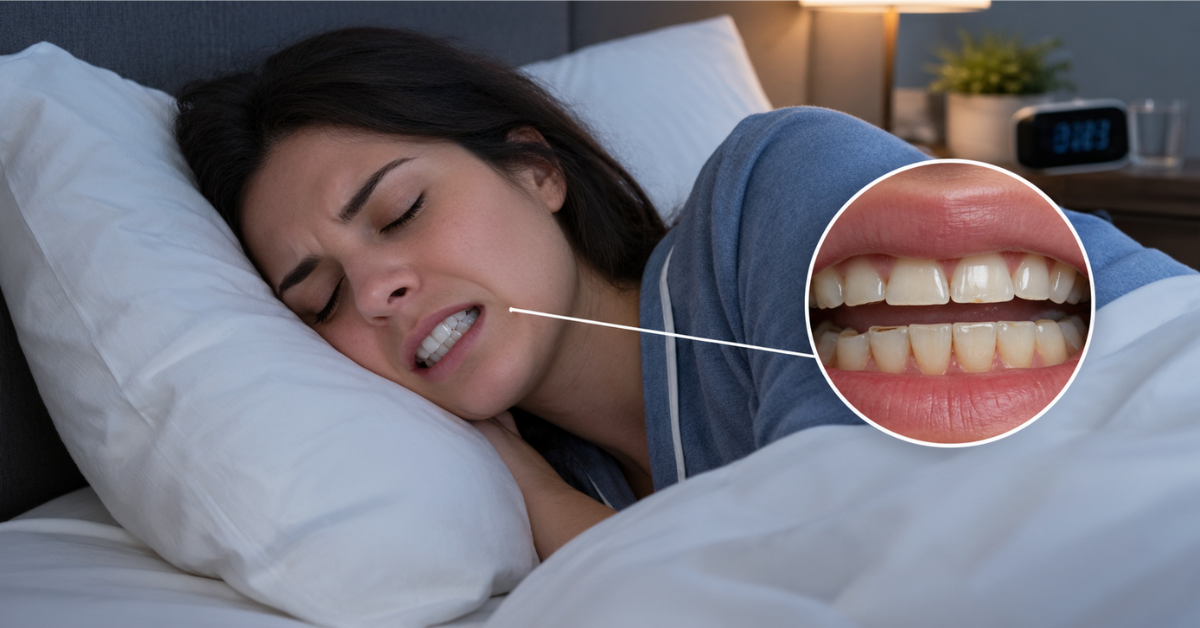
- A cracked tooth
- A broken tooth
- The sudden loss of a permanent tooth not caused by injury
Other dental issues that may only require an urgent appointment with your dentist include:
- Dull toothaches
- Lost or loose fillings, crowns, or bridges
- Damaged retainers
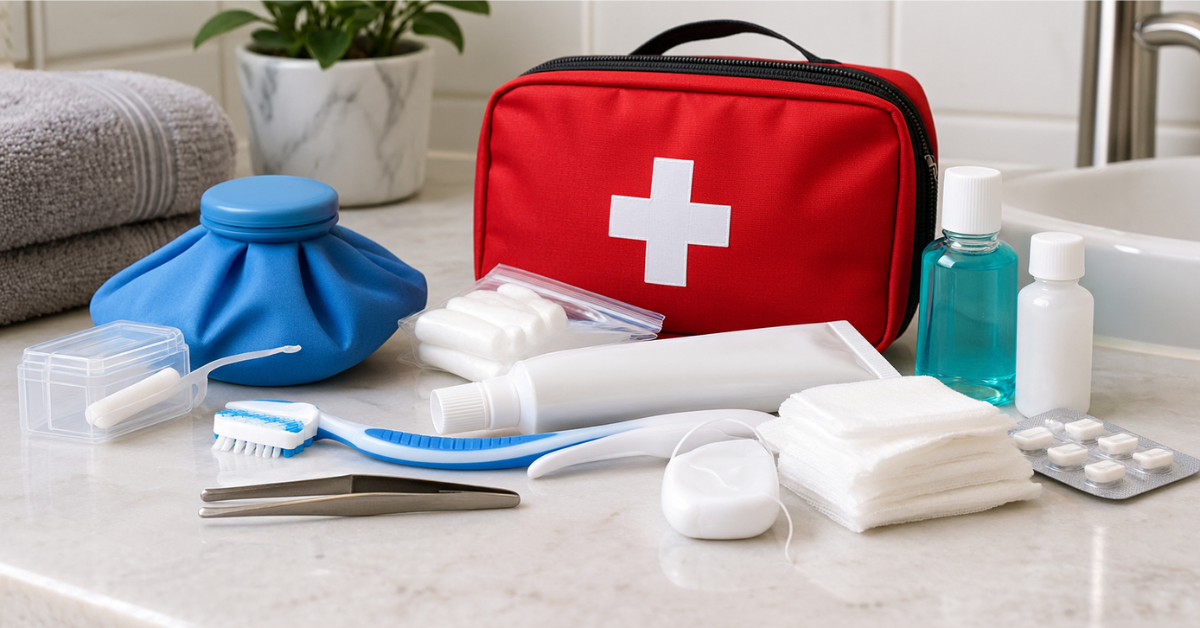
Because dental emergencies can happen anywhere and at anytime, having a plan in place can greatly reduce stress and the potential for long-term damage. No matter the level of pain or discomfort, visiting your dentist or hospital (according to the severity of your condition) as soon as possible is crucial to maintaining overall health. Don’t let a lack of dental insurance cause further dental and medical conditions to arise or worsen.
What Are Your Options?
A thorough oral care routine does not replace the need for semi-annual check-ups at the dentist, nor can it completely keep dental emergencies at bay. The best preventive measure you can take is to have dental insurance if possible, as this makes regular dental care more accessible. However, many families, young adults and senior adults do not have a dental insurance plan.
However, there are options available to uninsured individuals who are not able to pay dental fees at the time of treatment. When you don’t have dental insurance , you can:
- Join a membership or payment plan with a dentist. — Memberships with your dentist’s office (if available) allow you to receive many basic dental care services at no additional cost or at a greatly reduced cost when you pay an annual fee up front or over time. These options provide no financing or interest, and they are a great way to receive affordable dental care that fits your budget better.
- Look for charity events
— Many non-profit dental organizations provide free or low-cost dental care through regular local charity events such as free service days. While they may serve as volunteers with the non-profit organization, the individuals who provide services at these charity events are licensed dentists and dental professionals, which means you will receive dental care you can trust.
- Visit free or government clinics
—
Free or government dental clinics
in your area work similar to charity events, in that dentists and professional dental staff volunteer their time to provide necessary and basic dental care to patients who could not otherwise afford it.
- Try a dental school
— Receiving dental treatment at a dental school clinic is another more affordable option. Dental students perform work under the careful supervision of licensed dentists. The main downside to this option is that getting an appointment may take longer compared to a traditional dentist’s office.
- Avoid chain dental offices
— Advertisements of chain dental offices can be deceiving. While they may claim to offer free and reduced services for new dental patients, these typically only apply to patients who already have dental insurance.
- Be proactive — One of the best ways to reduce your need to go to the dentist beyond semi-annual checkups is through taking your own preventive measures. Maintain good oral health by brushing twice daily between two to three minutes each time, floss at least once a day and use an antibacterial mouthwash. You can improve your daily oral routine by using an electric toothbrush and in the evening using a fluoridated mouthwash.
We Have You Covered
If you don’t have the means to obtain dental insurance right now, there’s no need to panic. Many dental practices offer dental discounts with membership plans for individuals and families without dental insurance. Dental membership plans work by offering a variety of services included in the cost for an annual membership, combined with discounted rates for additional dental services. These plans ensure that you will still be able to maintain good oral health throughout the year, even without insurance.
For the best dental discounts with the best quality dental care in the heart of Chicago, look no further than 24/7 Local Dentist! Your NK Membership will include two general cleanings, exams, and X-rays at no additional charge to your annual membership. Additionally, you and your family will receive 25% off standard office fees, 10% off porcelain veneers cosmetic treatment, and a waived fee for the limited exam during an emergency visit if definitive treatment is completed on the same day as the exam. Members can also enjoy no yearly maximum and no deductibles or copays.