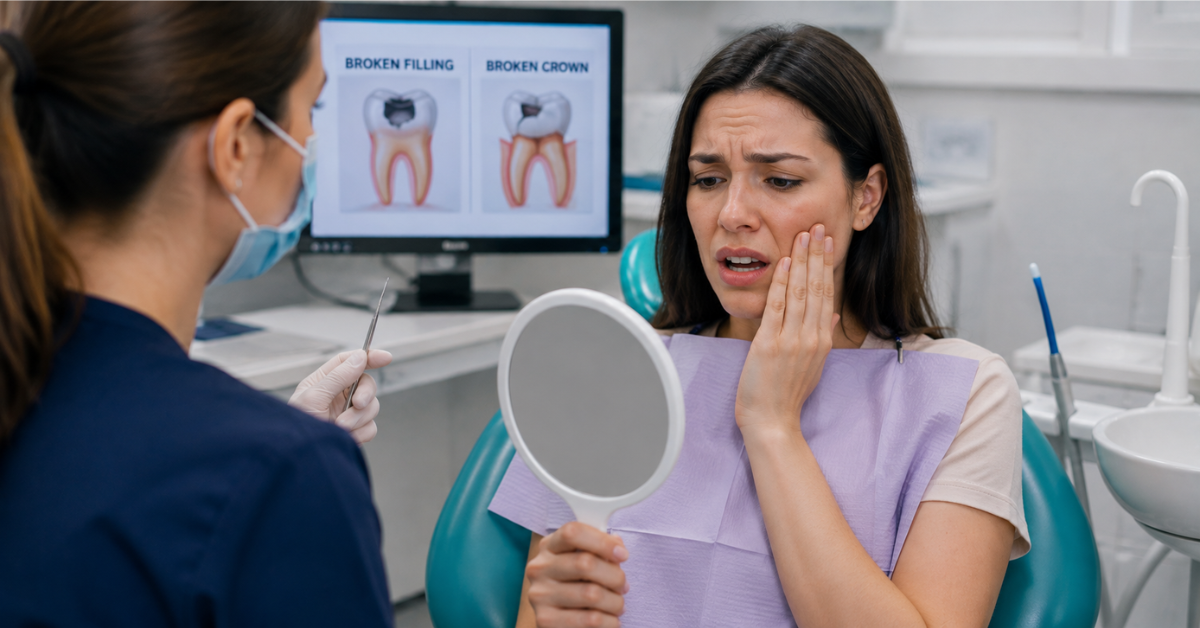
As with most operative procedures, oral surgery is a common, yet feared avenue of treatment. Your dentist may recommend it for treatment of disease, injury and defects related to the functional and/or aesthetic aspects of the face, mouth, teeth and jaws (maxillofacial area). We at 24/7 Local Dentist want you to be familiar with the different types of oral surgery performed so you can undergo your procedure with optimum confidence and minimal trepidation.
Different Types of Oral Surgery
People are recommended to undergo oral surgery for a variety of reasons. While some may be for more serious conditions, the majority are performed to improve function or health. These are a few standard oral surgeries you are likely to hear about or be treated for:
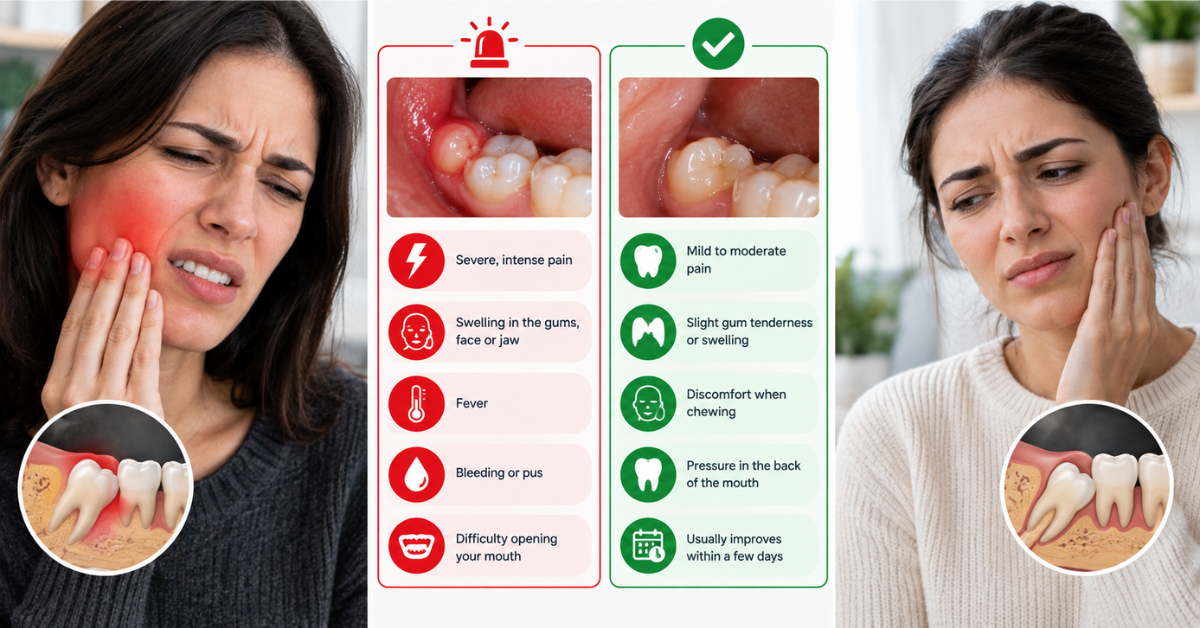
- Impacted wisdom teeth removal – Teeth that are impacted can cause pain, as well as damage to surrounding teeth. If not removed, they may cause other teeth to shift incorrectly, or lead to infection.
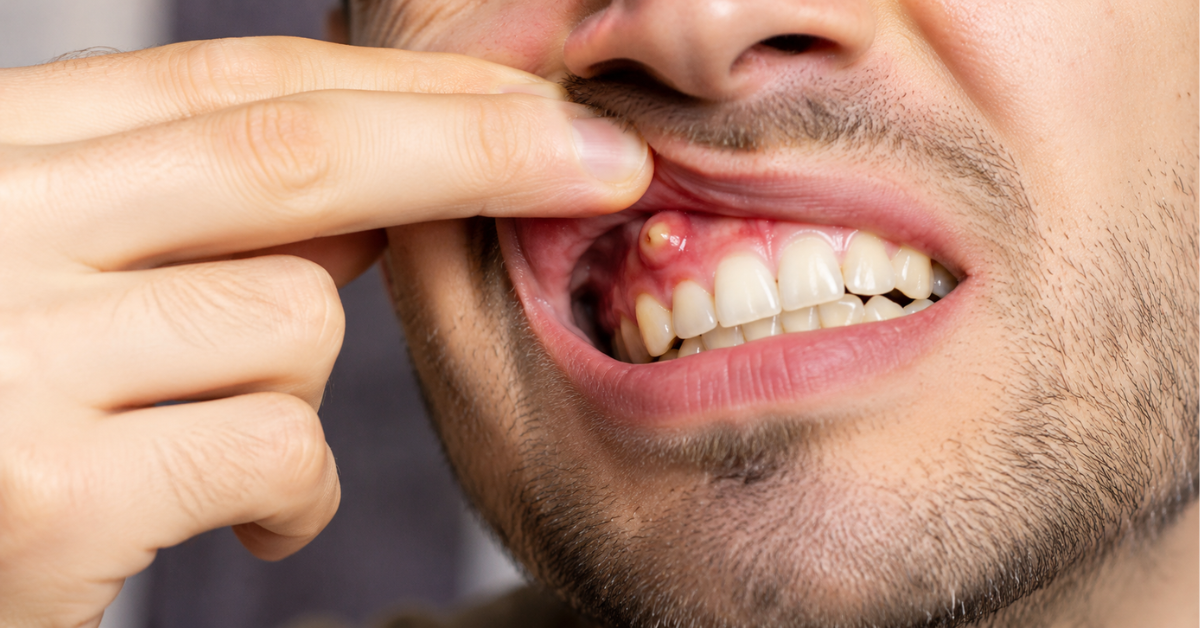
- Tooth extraction surgery – Teeth that are too damaged or diseased to treat may need to be removed in this way, rather than extracted through pulling. This is intended to prevent infection and the spread of disease to surrounding teeth.
- Dental implant surgery – Often completed following extraction, implants renew function and halt collapse of surrounding teeth. It it also intended to prevent deterioration of the jawbone.
-
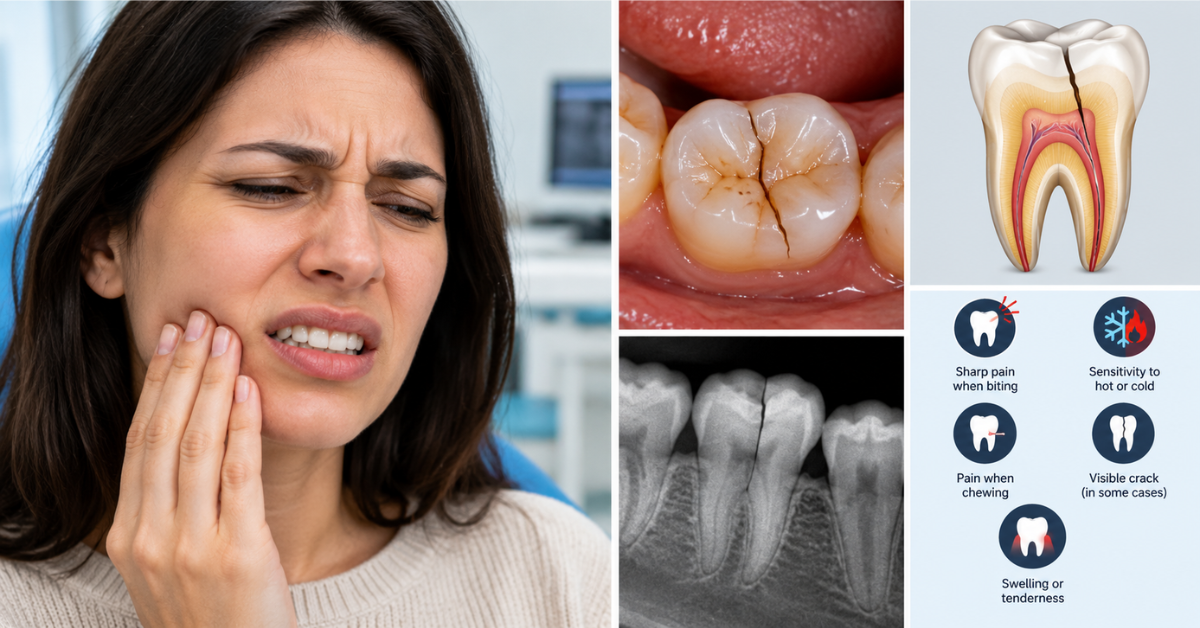
- Root canal treatment – Most root canal procedures are non-surgical . However, in cases in which the infection is either too significant or the fracture or source of pain cannot be seen in a radiographic, a surgical procedure will be recommended.
- Reconstruction or cosmetic – Corrections on jaw, facial bones, and soft tissues, which may be required after trauma. This is done to restore function and/or appearance.
How to Prepare for Oral Surgery

Prior to a procedure, you will first discuss the specifics of the surgery with your dentist. They understand that oral surgery can cause fear and anxiety, and will be happy to answer any questions that you may have. You will receive a description of the procedure, pre- and post-operative guidelines and recovery time. This is also your opportunity to inform the surgeon of any medications you take regularly, or underlying health conditions. It is important to provide this information to avoid any drug interactions or complications.
The day of your surgery, be sure to dress appropriately. Wear something that is comfortable and practical, in case you need an IV drip. Although it’s unlikely, don’t wear anything you would be upset about should it be stained. If you wear jewelry, you may be requested to remove it. As your eyes will be closed for a period, do not wear contact lenses. Also consider the convenience of the surgeon. Do not wear makeup or heavy perfumes, and tie your hair back.
After Oral Surgery
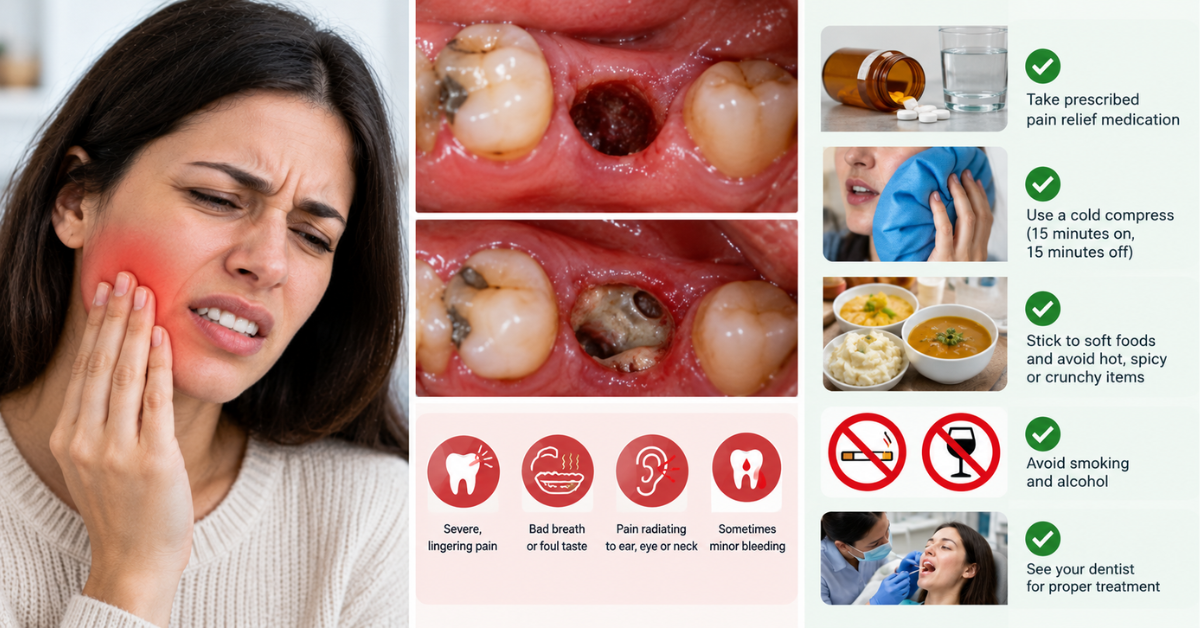
After surgery is complete, you may be very drowsy if you were given an IV sedative. Arrange transportation in advance , as you will be unable to drive safely. If you live alone, you may also want to arrange for someone to stay with you the first night. You will not be able to eat solid food that day. Follow the oral surgeon’s instructions and diet, which will include the foods and liquids you’ll be permitted. Do not use a straw, which can cause a dry socket. If this occurs, return to the dentist for treatment immediately.
At 24/7 Local Dentist , we take great care and precaution whenever we provide this method of treatment. Our team of highly trained professionals are diligent in providing one-on-one care to help you relax and feel comfortable. Contact us at (833) 220-2448 to learn more about the types of oral surgery we offer , or to schedule an appointment.