Pacifiers are considered mandatory infant equipment, whether you call them a binky, soother, or mouth plug. You, as the parent, will have to make that choice even if some paediatricians advise against pacifier use in kids. Since pacifiers frequently satisfy and calm your infant and may facilitate weaning at a later age, you might be tempted to use one. However, there are also negative aspects. One major worry is the emergence of the disease known as "pacifier teeth."
.”
Will a Pacifier Mess Up Teeth?
If you are careful and choose to give your baby a pacifier only when it needs to fall asleep, a pacifier used up to the age of three might not inhibit teeth development. However, continued use of a pacifier beyond the age of three, when the teeth and jawline are still developing, can result in “pacifier teeth.”
Prolonged use of pacifiers can damage teeth by:
Why Are Pacifiers Bad for Teeth?
Although there is support in using pacifiers by the American Dental Association, it has also proven that prolonged use of a pacifier is bad for your baby’s teeth. The pacifier can interfere with the development and alignment of both teeth and jawline and promote changes to the mouth’s palate, especially after age three.
Additionally, if your child is constantly sucking on a pacifier, it causes the auditory tubes to remain continuously open. This is not normal. It can allow secretions from the throat to enter the ear canal and promote bacterial or middle ear infections.
When Should My Child Stop Using a Pacifier?
It is recommended by the American Academy of Pediatrics and American Academy of Family Physicians that you may give your child a pacifier at the age of 3-4 weeks, if breastfeeding, and preferably wean by 6 or 7 months. It is after the age of 9 months that your child will form an emotional attachment to a ‘binky.’
Sometimes habits are extremely difficult to break, especially with toddlers. If you cannot stop your child’s pacifier habit by age two without much difficulty, the longest you can allow your child to suck on the pacifier is by age three.
What Are Pacifier Teeth?
Pacifier teeth develop from the prolonged use of sucking on a pacifier. The damage usually shows up around the ages of 4-6, just as the permanent teeth are beginning to replace your baby’s teeth. Since your child’s teeth and jaw development will grow around the shape of anything sucked on repeatedly-whether it is a thumb, finger or pacifier, pacifier teeth have noticeable characteristics.
How to Fix Pacifier Teeth
You might ask your child’s pediatric dentist if it is possible for pacifier teeth to self-correct. If your child is past the age of 7-9 years, then self-correction is not possible. Other treatment options for dental development problems must be explored. Whether your child has developed an underbite, overbite, crooked teeth or compromised jaw development, there are treatment options available.
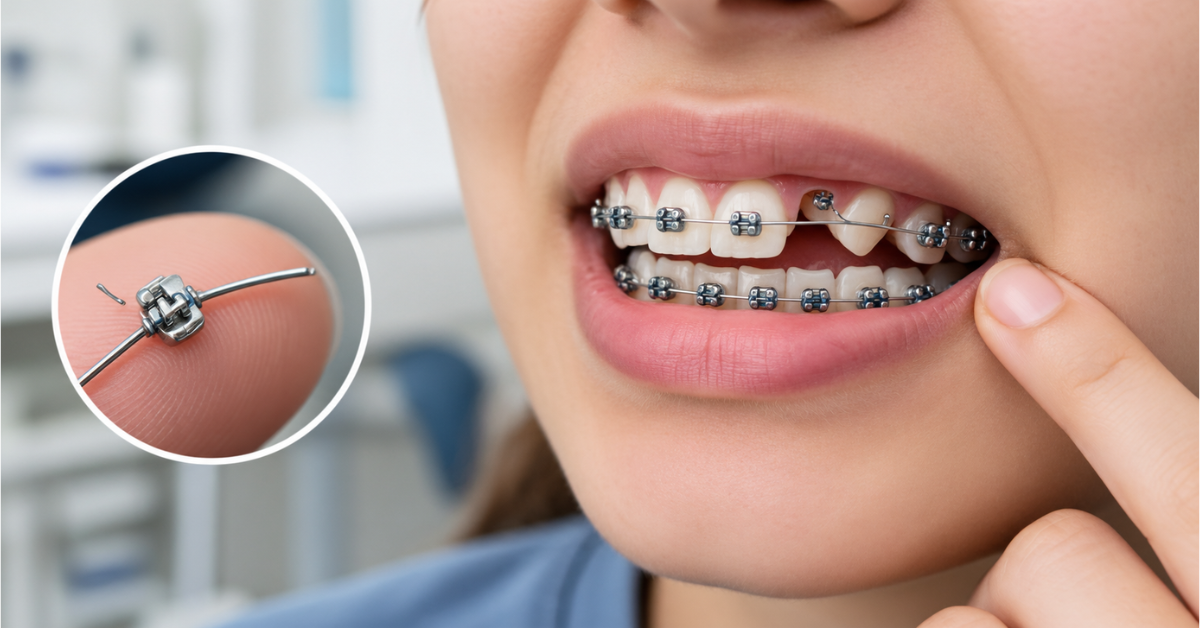
Once permanent teeth have come in, then your child’s pediatric dentist must take steps to determine the best way to correct the dental malformity. He or she can do this through something as non-invasive as braces or other dental tools to help correct jaw alignment or minor palate adjustments.
Your child’s pediatric dentist can recommend braces to correct several types of jaw issues and misalignments. Braces can do the following.
Depending on the severity of the damage caused by prolonged pacifier use, the length of treatment can range from a few months to several years.
Surgery
Surgery is usually not part of the treatment plan for correcting pacifier teeth. The only exception would be removal of one or two teeth. This could be due to permanent teeth coming in on top of not yet released baby teeth.
One of the more difficult choices you will have to make as a parent is whether or not to let your child use a pacifier. The use of a pacifier has been shown to have advantages such as self-soothing, simpler weaning, satisfying the neonates' sucking instinct, and occasionally pain relief. However, pacifier teeth could grow if your child has used a pacifier after turning three years old. There is no room for self-correction. Consult a pediatric dentist for the best results.