Occlusal disease is a general term that applies to a broad range of conditions that affect a person’s bite. There are several causes , but occlusal disease can often be traced to an unbalanced bite (one side of the mouth bears more pressure during eating), crooked teeth or involuntary teeth grinding/clenching ( bruxism ). WholeHealth Family Dentistry describes how occlusal disease occurs as follows:
“In a balanced bite the muscles, jaw joint, and teeth function in harmony. The front and back teeth have protective functions that allow for healthy functioning of teeth. If the bite is not balanced destructive forces are applied to the teeth, muscles, and joint resulting in repetitive stresses. These bite discrepancies can translate into symptoms in the teeth, muscles, joint, or a combination of all three.”
Occlusal disease is a major contributor to tooth loss and can have a significant impact on your overall oral health. However, it’s an insidious condition that frequently goes undiagnosed. For example, abnormal wear and tear on the teeth due to misalignment is often attributed to part of the aging process, since some degree of wear occurs naturally — even for those with normal alignment. For this reason, occlusal disease is known as “ the silent oral disease .”
What Are The Symptoms of Occlusal Disease?
With the signs of occlusal disease easy to overlook or mistake for other conditions — even by some dentists — be aware if you experience the following symptoms :
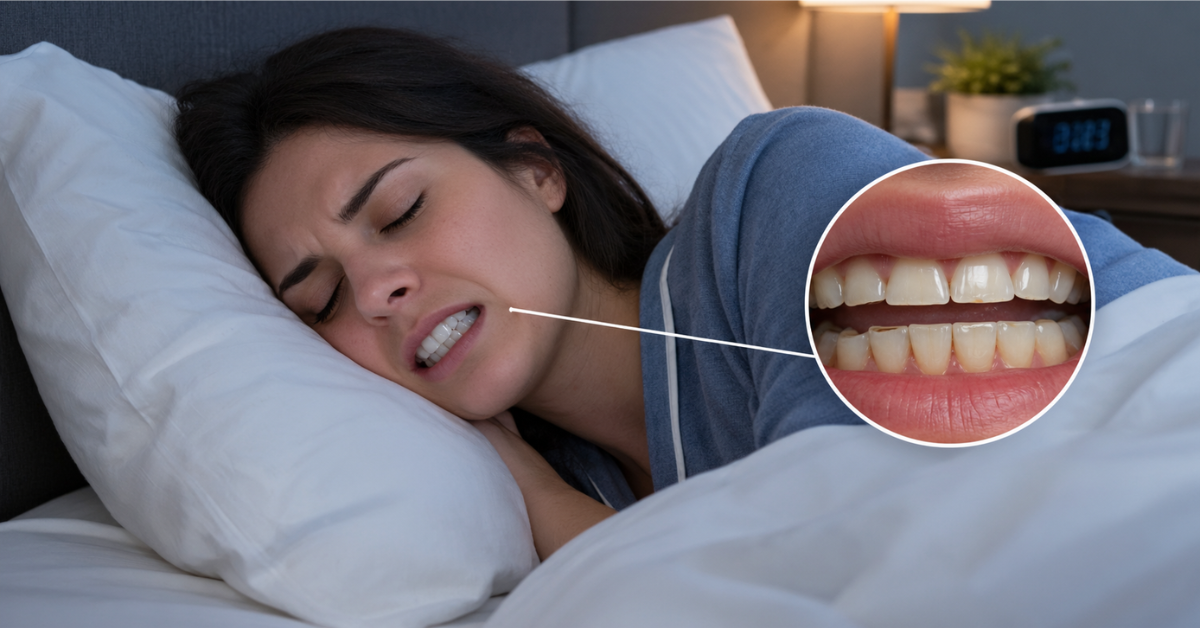
- Signs of wear and tear on the biting surfaces of your teeth, such as shortened front teeth or flattened back teeth. The teeth of people with occlusal disease get worn down up to 100 times faster than the teeth of people who are free from this condition.
- Abnormal grooves (especially near the gum line), indentations or fractures in your teeth and restorations . Bite problems can greatly increase the risk that teeth will fracture. Fillings, crowns and other restorations are also at an increased risk of breakage.
- Gum recession.
- Pain in the head, neck or jaw muscles, as well as frequent headaches. An unbalanced bite can place extra stress on facial, neck and shoulder muscles.
- Clicking or popping sounds in the jaw when eating or speaking.
- Teeth that become loose or move.
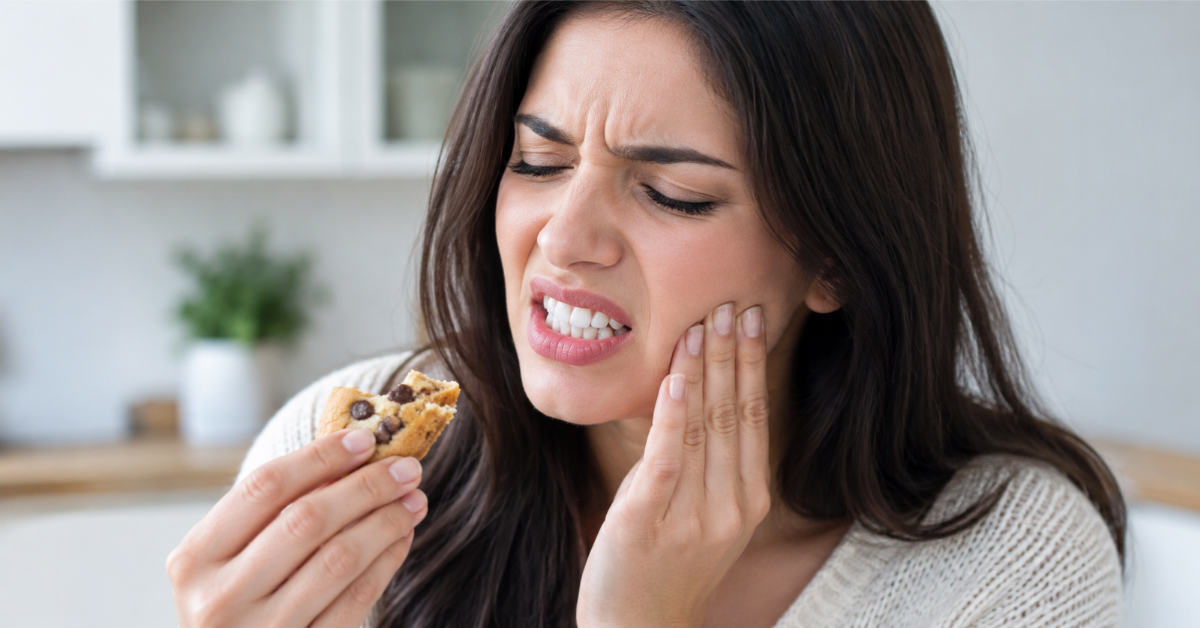
- Increased tooth sensitivity to thermal changes. Excess wear and tear on the teeth damage the enamel, which allows hot and cold substances to irritate the sensitive inner layers of the teeth.
How Can Occlusal Disease Be Diagnosed?
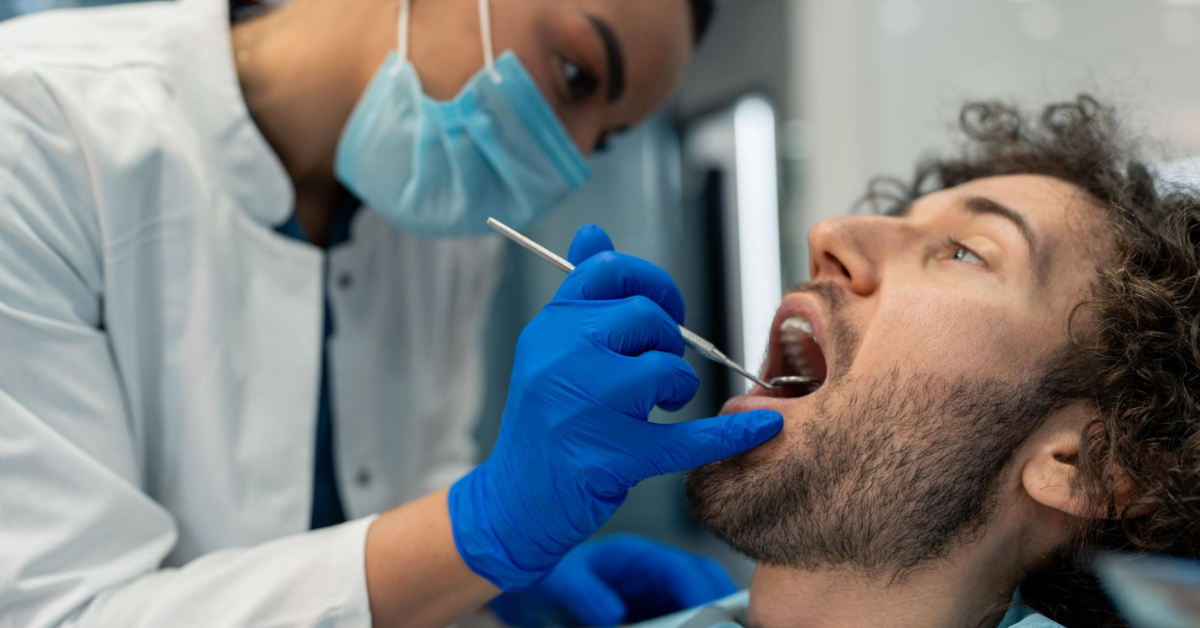
While you may suspect you have occlusal disease, only a dentist can make a definitive diagnosis. Your dentist will perform a comprehensive examination — including X-rays — of your teeth, gums and jaws to detect signs of this condition. An evaluation of your jaw joint, bite alignment, and head and neck muscles can help identify symptoms associated with occlusal disease. Talk with your dentist about any symptoms you’re experiencing. This can help them “connect the dots” to make a diagnosis of occlusal disease if this is where the evidence leads. An accurate diagnosis made early on is necessary to prevent it from becoming a complex dental problem.
How Is Occlusal Disease Treated?
Occlusal disease can be easily corrected with today’s advancements in technology. There are four available treatment options that you can discuss with your dentist to ensure the best course for your situation.
- Bite balancing (equilibration) – This involves slightly modifying the teeth to create a more even bite.
- Orthodontics – Braces or Invisalign can correct overbite, underbite, and crossbite.
- Nightguard – A custom nightguard can help to manage bruxism.
- Prosthetics and/or restorations – Crowns or veneers can help to reverse any aesthetic damage that the occlusal disease may have caused.
The Take-Home Message
The best way to avoid the long-term effects of occlusal disease is to schedule regular appointments with your dentist. Early treatment is the key to a bright and healthy smile that will stay with you for years to come!
At 24/7 Local Dentist , it is our mission to provide the highest quality and most compassionate oral care to our Chicago patients, including dental , orthodontic , and periodontal services . Our dental specialists include our general dentist, Dr. Nilofer Khan , general dentist associate Dr. Yang , our periodontist, Dr. Amir Danesh , and our endodontist, Dr. Sabek .