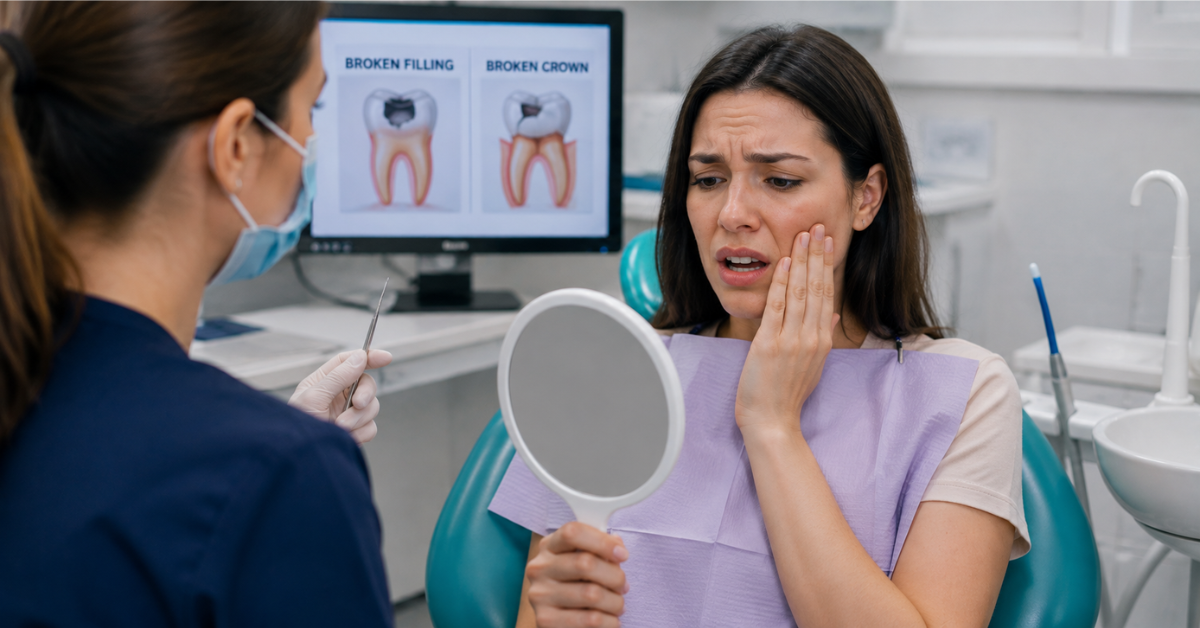
When you experience tooth pain, your first reaction might be to turn to Google or WebMD to see what your toothache could mean. Quickly, you might find yourself down a rabbit hole of everything that could be wrong, from the most mild causes to the most rare and severe. Don’t let this dental anxiety and fear get in the way of finding the right treatment for you. So, what could your toothache really mean? In today’s dental blog, we’re going to be discussing the signs and symptoms of toothaches, potential causes and your likely treatment options.
Signs and Symptoms
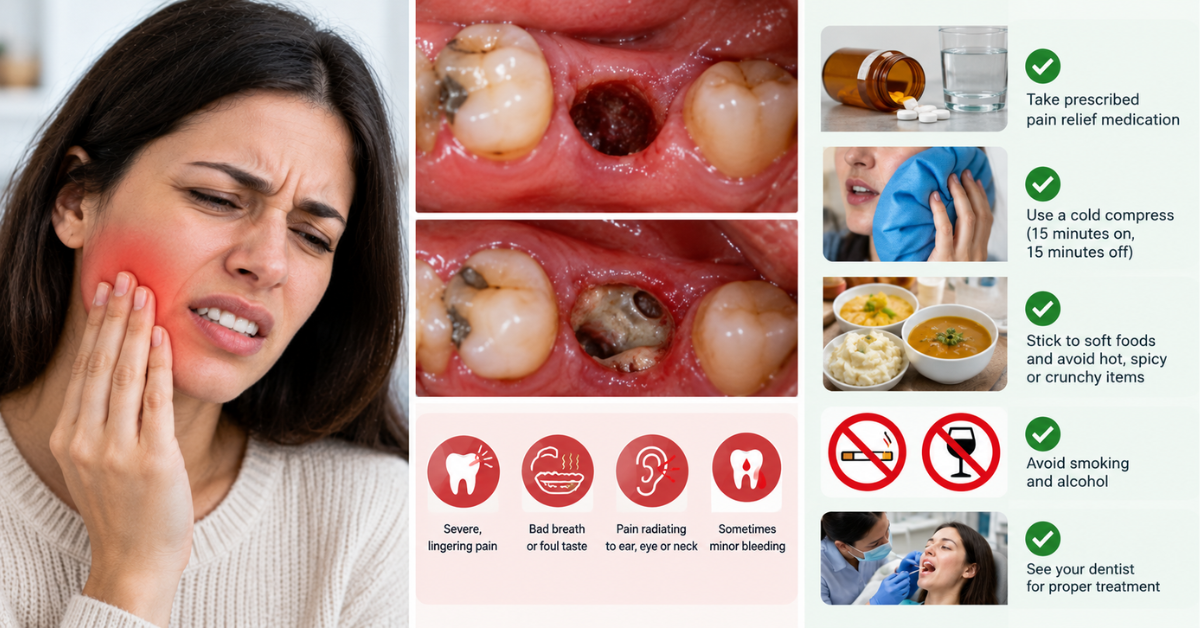
The Cleveland Clinic describes a toothache as “a pain in or around a tooth.” Toothaches can occur on a sliding scale of tooth pain, some being a mild irritation to others potentially being the sign of a dental emergency. The pain occurs when sensitive nerves within the soft inner pulp of your tooth become irritated or infected.
The signs and symptoms of a toothache can include:
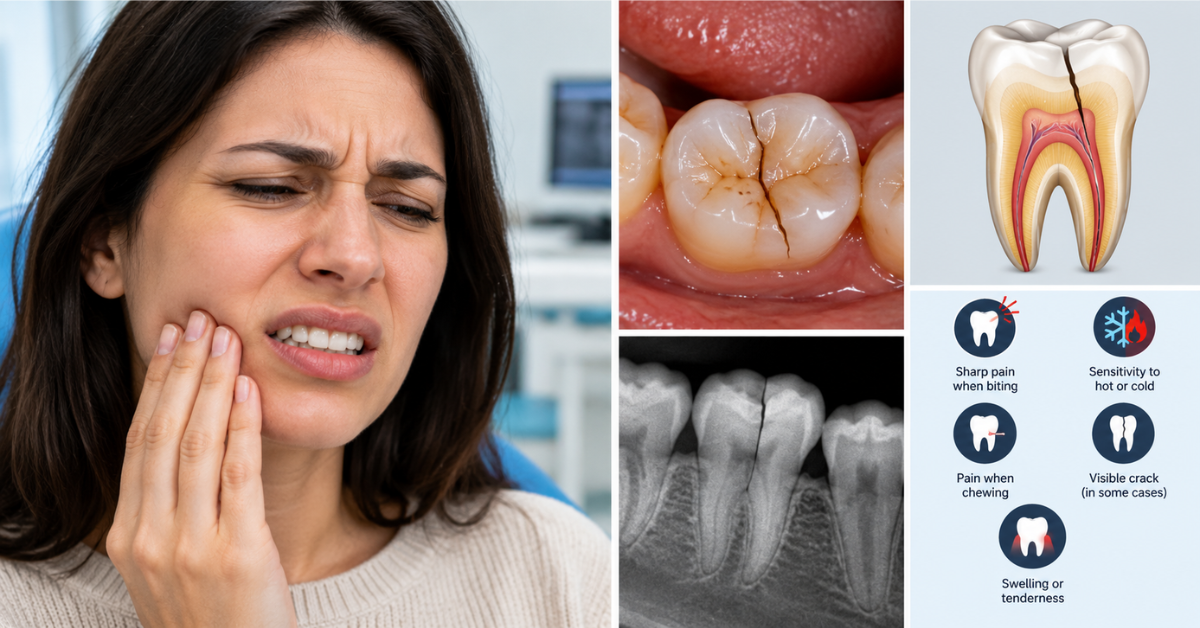
- Pain when pressing on the tooth, such as from biting or chewing.
- Throbbing, sharp or constant tooth pain.
- Swelling or inflammation around the tooth.
- An accompanying headache or fever.
- Foul-tasting drainage coming from an infected tooth.
- Unusually bad breath.
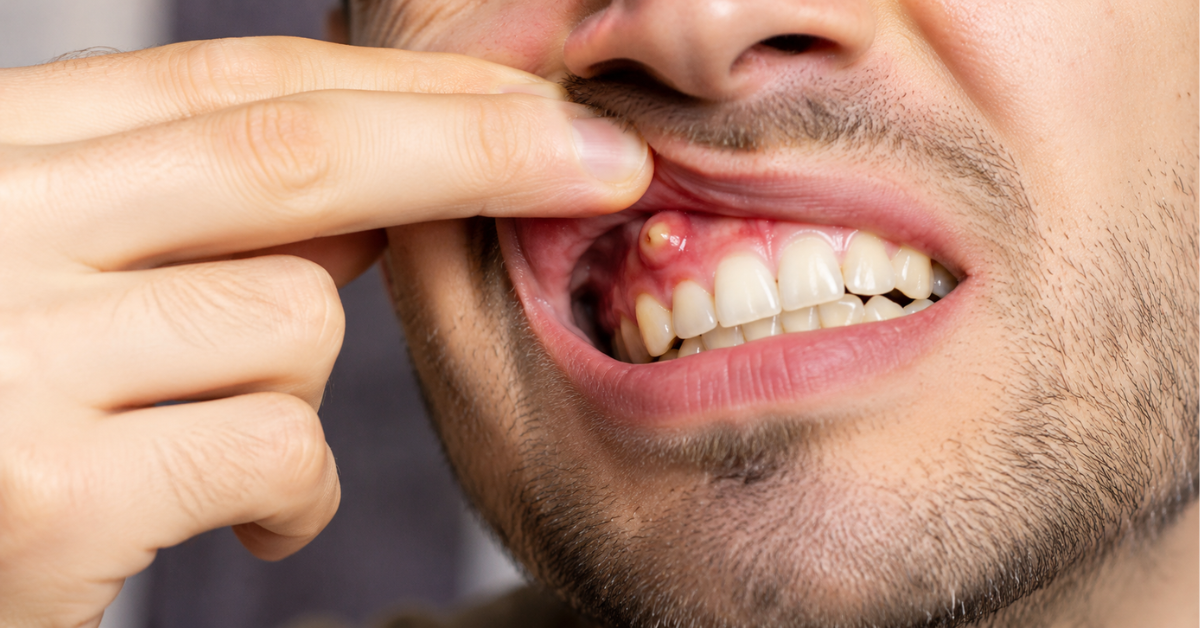
Irritated, red or puffy gums or an abscess on your gums are also important signs to look for if you are experiencing any tooth pain. After all, your gums are essential to keeping your teeth healthy.
Potential Causes
With so many potential signs, there are even more potential causes of a toothache. Seeing a dentist is the only way to officially diagnose your toothache and know what treatment you’ll need. However, it can be helpful to know some of the most common causes of toothaches, as some causes come with other symptoms to look for.
Toothaches could indicate any of the following dental conditions:
- Tooth decay, including cavities.
- Cracked tooth.
- Lost filling.
- Infection inside or around the tooth, creating an abscess. These infections are often root canal infections .
- Injury to the inside of the tooth, also known as the pulp, which can be caused from an external injury or irritation.
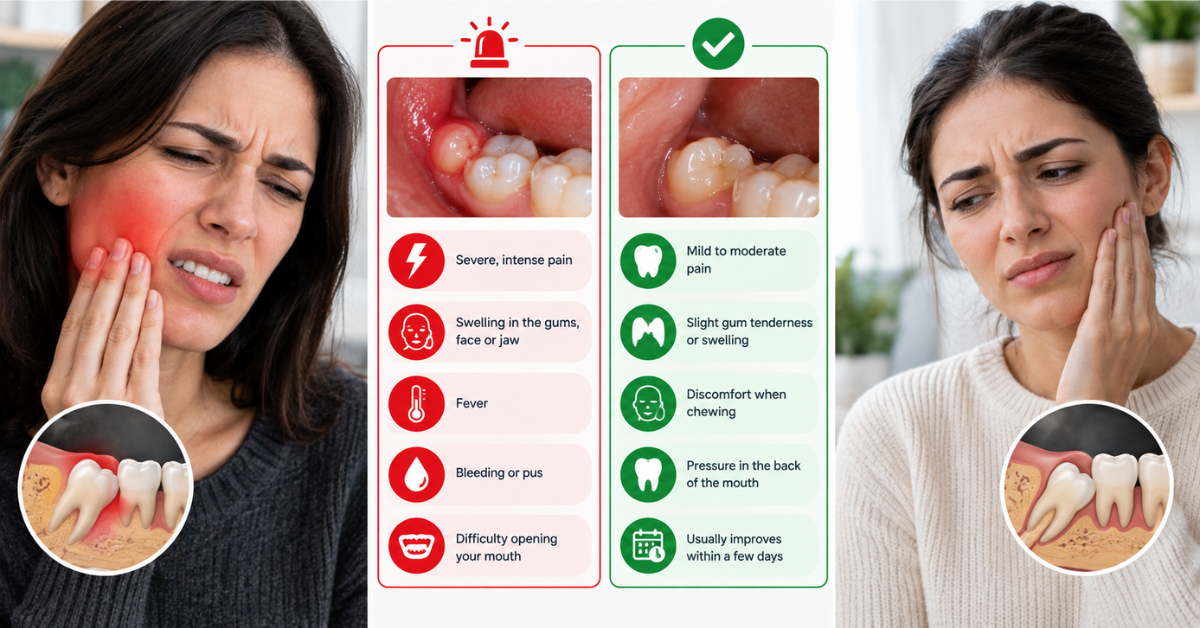
- An impacted tooth, which is a tooth that has not grown through the gum line and which commonly occurs in wisdom teeth .
Aside from dental conditions, a toothache could also be a sign of:
- A sinus infection, cluster headache or heart attack.
- Diseases, such as diabetes.
- Vitamin deficiencies.
- Shingles or other viral infections.
- Alcohol or drug use.
- Trigeminal neuralgia or other nerve-related diseases.
Unhealthy gums can also lead to gum disease ranging from mild gingivitis to severe periodontitis. When the gums are irritated or have receded, your teeth become increasingly at higher risk for developing tooth decay or experiencing injury.
What to Do If You Have a Toothache
If you have a toothache, it’s important to first self-assess the situation and your tooth pain. Some serious conditions may require you to make an emergency appointment with your dentist, while some other symptoms can be managed until you are able to see your dentist at the earliest possible appointment date.
Follow the following toothache first-aid steps from the Mayo Clinic , with the appropriate steps depending on your symptoms.
Contact your dentist right away if you are experiencing any of the following symptoms, as these signs could indicate the need for an emergency dental exam :
- Persistent pain lasting more than one or two days.
- A fever with your toothache.
- Any signs of infection, including swelling, red-looking gums, pain when biting or foul-tasting discharge.
- Difficulty breathing or swallowing.
If your toothache is not as urgent, you should still call your dentist to make an appointment at the earliest possible availability. In the meantime, follow these tips at home to help reduce tooth pain and avoid further irritation:
- Frequently rinse out your mouth with warm water.
- Gently floss to remove any food particles that could be causing irritation between your teeth.
- Take an over-the-counter (OTC) pain reliever* — but do not place the medication directly against your gums. Follow label directions for dosage.
- For toothache caused by injury, place a cold compress on the outside of your cheek to help relieve pain.
*Avoid any OTC antiseptics or products containing benzocaine, and talk to your dentist prior to using benzocaine. Benzocaine has been linked to a serious condition called methemoglobinemia, which, while rare, can be deadly due to decreasing how much oxygen your blood can carry.
The course of treatment your dentist recommends depends upon the cause of your toothache. For severe toothaches, you may require a root canal procedure . Root canals historically have a poor reputation among dental patients, but developments in dental technology and treatment techniques have paved the way for a painless root canal experience with easy recovery. See our previous blog, “ What to Expect with a Root Canal ,” to learn more!
Chicago Toothache Treatment
A toothache is no walk in the park. Whether your tooth pain is severe or naggingly uncomfortable, we take your dental needs seriously at 24/7 Local Dentist . Look no further for your Bucktown or Logan Square dentist in Chicago! We serve a variety of dental needs, including emergency dental exams and root canal treatment . Dr. Nilofer Khan and our professional dental staff look forward to providing you with our high-quality, compassionate dental care.