When to Say Goodbye to an Old Friend: The Importance of Replacing Your Toothbrush on a Regular Basis
A toothbrush is a valuable tool for maintaining oral health – but only to a certain point. That point is reached when you’ve had your toothbrush for so long, it’s practically a member of the family. Because a past-its-prime toothbrush can harbor bacteria – as well as create other nasty conditions – replacing your toothbrush on a regular basis is just as important as brushing your teeth on a regular basis. We’ll quickly dispense with the mystery on that issue, but also provide valuable information on proper toothbrush care, hygiene and myths. You may never look at your toothbrush the same way again!
A good rule of thumb is that if you can’t remember when you bought your toothbrush, it’s time to replace it. However, Colgate recommends investing in a new one every three to four months under normal circumstances. Replace sooner if you’ve been sick – especially if your toothbrush is stored closely to other toothbrushes. You may risk re-infecting yourself or infecting others in your household.
Other pointers from Colgate:
- No matter the length of time you’ve had your toothbrush, replace when the bristles are frayed.
- Because children tend to brush their teeth more vigorously than adults, their brushes may need to be replaced more frequently.
How important is a clean toothbrush? Researchers at the University of Manchester, England, report that the typical toothbrush is home to more than 100 million bacteria – including E. coli and staphylococci (staph). On a reassuring note, according to OnHealth , you probably won’t get an infection from your own toothbrush. “Even if your brush is covered in bacteria, your immune system can usually take care of any bacterial invaders,” the article reports. “However, you should still care for your toothbrush properly and keep it clean.”
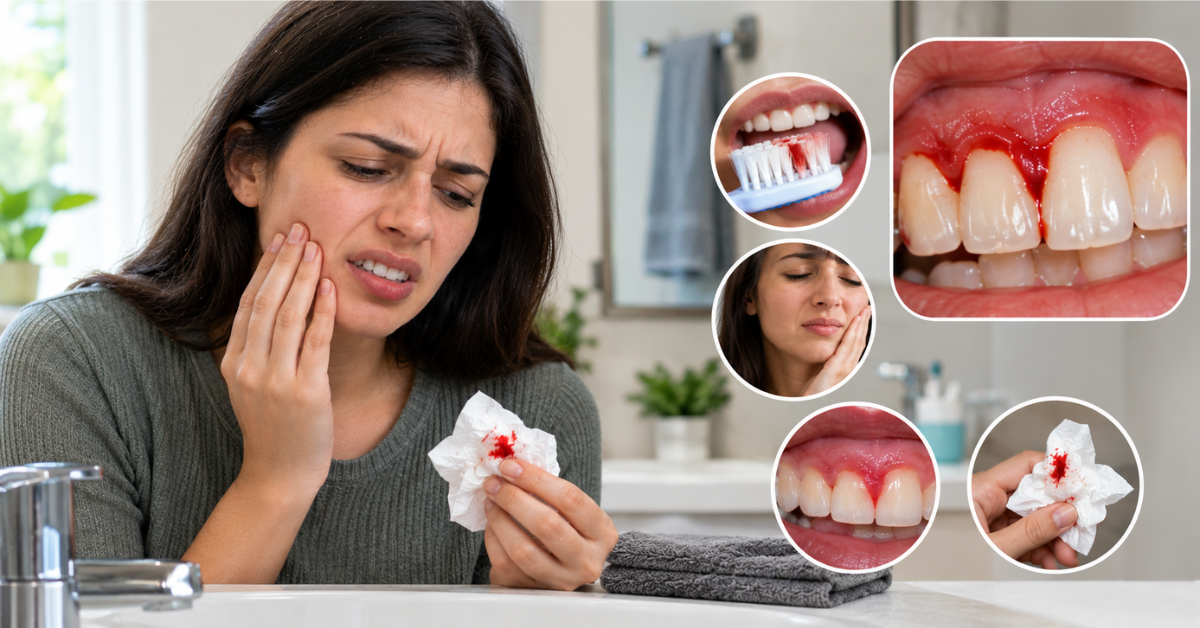
A less-than-fresh toothbrush may put you in the dentist’s chair or even the doctor’s office, as it’s your first line of defense against gum disease . Untreated periodontal (gum) disease can lead to heart disease. According to R. Thomas Glass, DDS, PhD, professor of dentistry and pathology at Oklahoma State University Center for Health Sciences, brushing your teeth – particularly with an electric toothbrush – can actually push germs under your gums. A frayed, worn toothbrush is more likely to do so.
And did we mention halitosis ? This unpleasant condition is frequently caused by bacteria trapped between the teeth and under the gum line – which, in turn, eventually leads to periodontal disease. A new, clean toothbrush alone won’t prevent halitosis if you don’t practice basic oral hygiene, but it’s an indispensable part of the program.
Toothbrush care and cleaning
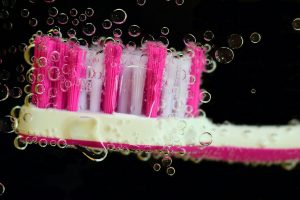 Just as in real estate, the most important factor in keeping your toothbrush clean is location, location, location! Store brushes as far from the toilet as possible, and close the lid before flushing, which releases bacteria into the air.
Fecal germs
have been found on toothbrushes, which is a situation best avoided. If your bathroom has a medicine cabinet, store your brushes there.
Just as in real estate, the most important factor in keeping your toothbrush clean is location, location, location! Store brushes as far from the toilet as possible, and close the lid before flushing, which releases bacteria into the air.
Fecal germs
have been found on toothbrushes, which is a situation best avoided. If your bathroom has a medicine cabinet, store your brushes there.
If you think your toothbrush is clean because you keep it in a toothbrush holder, think again! A study by the National Sanitation Foundation (NSF) found that toothbrush holders are the third-most germy household items (behind dish sponges and kitchen sinks). Wash with hot, soapy water, followed by a sanitizing wipe once or twice weekly.
United Concordia Dental offers additional cleanliness advice :
- Rinse your toothbrush with tap water after brushing and allow it to air dry. This gets rid of bacteria that die when exposed to air.
- Store your toothbrush upright so it can drain and air dry faster.
- Allow your toothbrush to air dry completely before packing it away for a vacation.
- Make sure the bristles dry completely. Never store flat or cover the head of the brush, as this will trap moisture and, therefore, bacteria.
It’s a toothbrush, not a unicorn
Regarding the aforementioned myths, you don’t have to do anything special to keep a toothbrush sanitary during its useful life. Rinsing with water and storing upright to dry is all that’s necessary. Soaking the brush in hand sanitizer could make you sick, due to its high ethyl alcohol content, and cleaning it in a dishwasher can quickly cause wear-and-tear, make it necessary to replace even more frequently.
We at 24/7 Local Dentist hope the more unpleasant facts weren’t TMI, but the helpful information you need to keep your teeth and gums healthy. Of course, we also recommend regular professional cleanings. Contact us to schedule a visit to ensure your best possible smile!