Getting a tooth pulled may sound like a worst-case scenario for those with high anxiety about going to the dentist. However, teeth extractions are a routine procedure for your dentist, and can help improve both your oral and overall health . In this blog post, we cover why you might need a tooth extracted and what to expect after the procedure.
Why Is It Needed?
For someone with odontophobia, or fear of the dentist, the possibility of a tooth extraction may cause anxiety. Let’s dispel some of the fear and uncertainty by considering why you might need to have a tooth pulled. This is typically a last-resort measure, as a dentist won’t remove a tooth unless it’s unable to be treated by a root canal or other procedure, or is causing (or has the potential to cause) other problems.
You might need a tooth removed if:
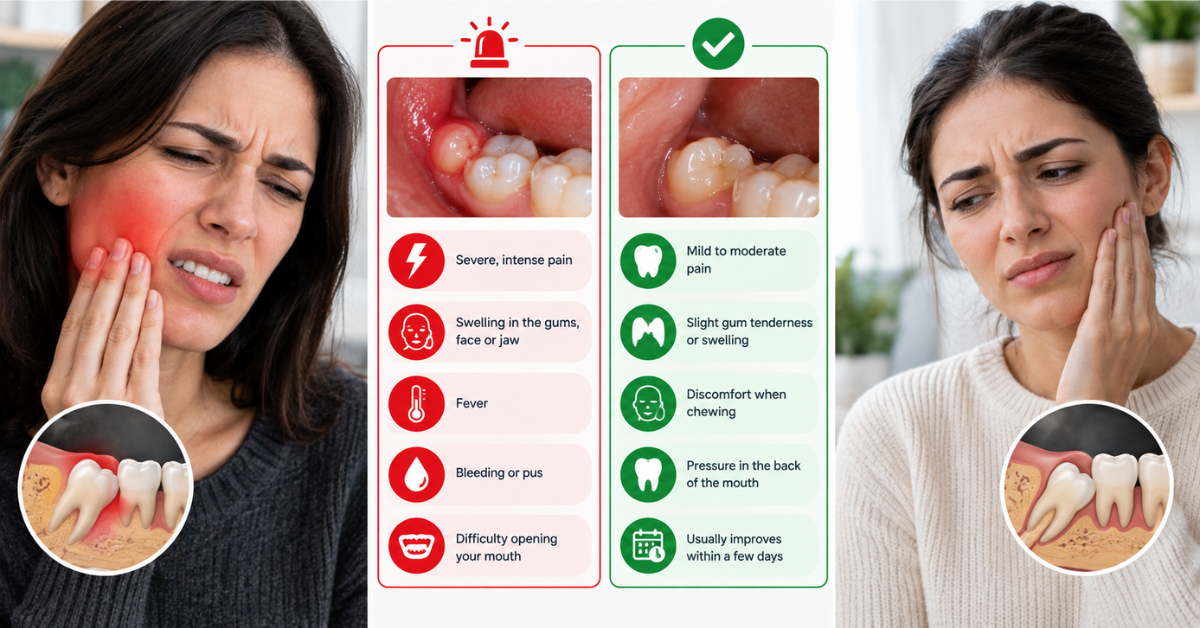
- Your wisdom teeth are impacted, causing pain, decaying or infected.
- You are getting braces and need more space for your teeth to properly align.
- You have extra teeth that won’t allow other teeth to grow in properly.
- A primary (“baby”) tooth has not fallen out to allow the permanent tooth to come in.
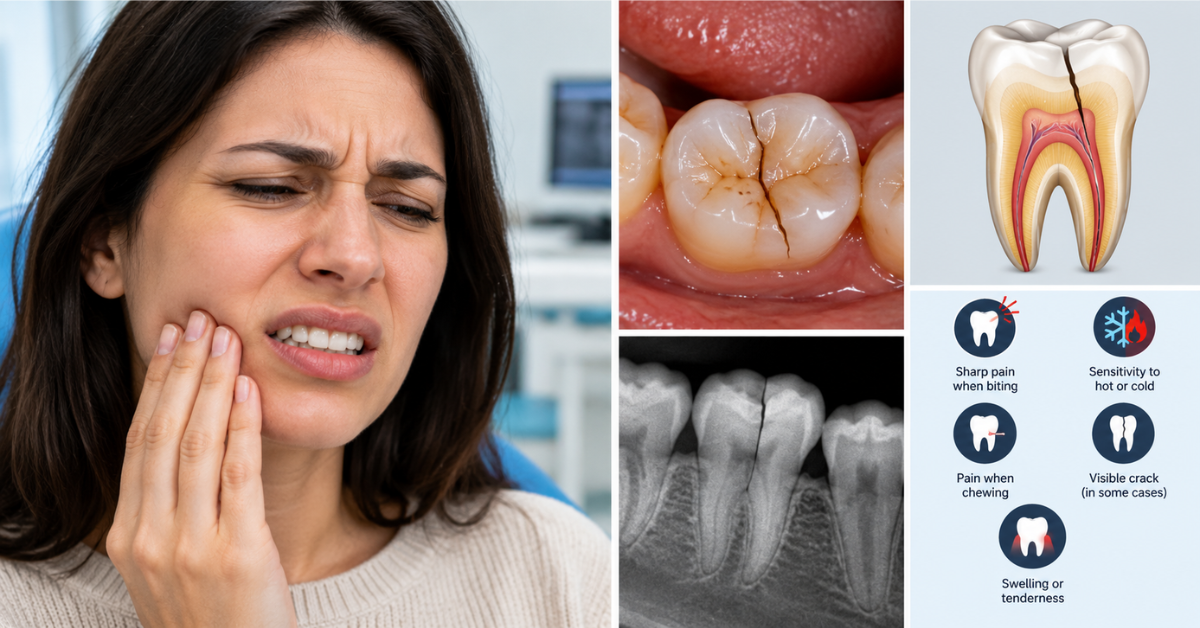
- You have a very damaged tooth that is decaying or has been broken.
- You are receiving radiation therapy to the head or neck area.
- You have a weakened immune system, particularly from either cancer medication treatments or organ transplant medications.
If a tooth that needs to be pulled is not removed, you may experience severe pain, infection and other serious health conditions as a result.
Your dentist will use a local anesthetic (which numbs the area of the extraction) for a simple extraction. Wisdom teeth extraction typically involves conscious sedation, especially in the case of impacted teeth. This ensures that you will not feel pain during the extraction. Additionally, your dentist may prescribe anti-anxiety medication if you are particularly anxious about the procedure.
How Long Should Pain After Tooth Extraction Last?
Proper healing after a tooth extraction procedure requires effort on your part to prevent complications. Your dentist may set a specific period of time, depending on the type of extraction, when you should only eat liquids and soft foods. Soft foods are generally only required for a few days post-extraction. If you require a surgical extraction—such as wisdom teeth removal—you will also be prescribed pain medications that should be taken according to instructions. The typical length of time is three to four days, but may vary. Make sure your dentist or oral surgeon explains these instructions to your complete understanding.
You may also experience mild soreness and swelling in the jaw for a few days. This can be aided by using ice packs for 20 minutes and reapplying 20 minutes thereafter if soreness persists. A warm compress can be used once the swelling has gone down. Additionally, avoid brushing your teeth near the area of the tooth extraction for a few days in order to ensure that any pain and sensitivity subsides. Again, your dentist or oral surgeon should give you a post-care list detailing all instructions and warning signs of complications.
Complications, while rare, can occur and cause pain or discomfort. A dry socket can be especially painful. This occurs when the blood clot that forms over the removal site to protect and heal the underlying bone and nerve endings is dislodged. This clot should stay in place until your gums have healed. The condition usually occurs because the patient hasn’t followed instructions to avoid using straws or engaging in vigorous exercise. Patients who have had impacted teeth removed have a 30% chance of developing dry socket, compared to the average 3%-to-4% chance for all other tooth extractions.
How Long Is the Recovery Time After a Tooth Extraction?
The recovery period after a tooth extraction depends on many factors. This can include your level of oral care, the type of extraction, pre-existing medical conditions and any complication that may develop. Most patients can begin to see signs of recovery within a few days.
While some minor pain and soreness is to be expected initially following a tooth extraction, contact your dentist or oral surgeon immediately if the following occurs:
- Uncontrollable bleeding from the extraction area.
- Continued bleeding or oozing 24 hours after the procedure.
- Extreme pain at the extraction site.
- Difficulty swallowing.
- Fever, redness, and/or chills.
- Worsened swelling.
- Numbness lasting longer than three to four hours after extraction.
If any of these conditions occur after office hours, call the emergency number your dentist or oral surgeon has provided on your post-extraction instruction sheet. Do not wait for the next day, or Monday morning if your dental emergency occurs on the weekend.
Your Bucktown Chicago Dentist and Oral Surgeon
If you need oral surgery for wisdom teeth removal or teeth extractions , look no further than 24/7 Local Dentist for your Bucktown Chicago dentist and oral surgeon. You can rest assured knowing your oral health is in Dr. Nilofer Khan’s highly skilled and experienced care. Read more about Dr. Khan’s qualifications, then contact us to schedule your tooth extraction consultation.