Our most typical concerns about oral health focus on tooth decay and periodontal issues . However, oral cancer is an insidious disease that the American Cancer Society estimates will claim over 11,000 lives this year, and produce about 54,000 new cases diagnosed. April is Oral Cancer Awareness Month – a time when dental professionals call attention to the importance of early detection and treatment to save lives. Our 24/7 Local Dentist team is proud to help this important effort, and hopes that this article will help you recognize symptoms should they occur between your twice-yearly dental examinations – as well as make any necessary lifestyle changes to reduce your risk.
What is Oral Cancer?
Like all cancers, oral cancer (also known as oral cavity cancer) starts when cells in the affected tissues start to grow out of control. Oral cancer can occur in the following areas:
- Inside the cheeks
- Under the middle and front of the tongue
- The tissue lining of the mouth or gum
- Lips
Oral cancer often is discussed in the same medical literature as oropharyngeal cancer, which starts in the middle part of the throat just behind the oral cavity that can be seen when the mouth is open. Being aware of the symptoms of both is essential in receiving a timely diagnosis and treatment. According to the American Academy of Oral Medicine (AAOM), when oral and oropharyngeal cancers are detected and treated early, mortality and treatment-related health problems are reduced.
Oral Cancer Symptoms
The American Cancer Society lists the following symptoms of oral cancer:
- A sore on the lip or in the mouth that doesn’t heal
- Pain in the mouth that doesn’t go away
- A lump or thickening in the lips, mouth, or cheek
- A white or red patch on the gums, tongue, tonsil, or lining of the mouth
- A sore throat or a feeling that something is caught in your throat that doesn’t go away
- Trouble chewing or swallowing
- Trouble moving the jaw or tongue
- Numbness of the tongue, lip, or other areas of the mouth
- Swelling or pain in the jaw
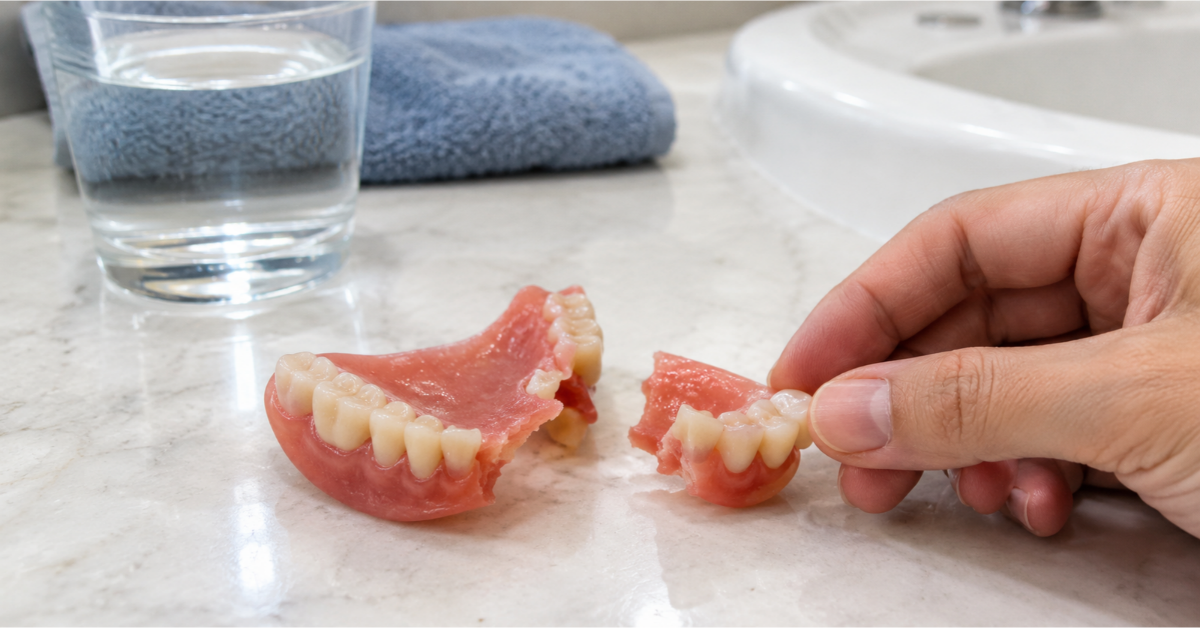
- Dentures that start to fit poorly or become uncomfortable
- Loosening of the teeth or pain around the teeth
- Voice changes
- A lump or mass in the neck or back of the throat
- Weight loss
- Pain in the ear
Many of these signs and symptoms can also be caused by diseases other than cancer, or even by other cancers. Still, it’s very important to see a doctor or dentist if any of these conditions last more than two weeks so that the cause can be found and treated if needed.
Common Causes of Oral Cancer
As with other types of cancer, there may be a genetic predisposition to developing oral cancer. Be especially vigilant about the condition of your mouth if your relatives have had oral cancer. The Oral Cancer Foundation notes that about 10 percent of oral cancers occur in individuals with no known risk factors. They share no discernable commonalities, and they may be due to unidentified genetic frailty yet to be discovered.
Although the reason is unknown, men are more likely to develop oral and oropharyngeal cancers than women. However, lifestyle choices play a major role in increasing one’s risk factor. Those who are more likely to develop oral cancer include:
- Tobacco users – including smokers and users of “ smokeless tobacco ” such as chewing tobacco and snuff
- Heavy users of alcohol
- Smoking combined with heavy, regular alcohol consumption multiplies the risk of these cancers
- Age – The risk of oral cancer increases with age, with the average age of diagnosis being between 40 and 62 years
- Sun exposure – Unprotected exposure to the sun on a regular basis (such as those who work outdoors may experience) can cause lip cancer
In addition, infection by the human papillomavirus (HPV) – specifically the HPV 16 type – has been implicated as a high-risk factor for oral cancer. This is an STD (sexually transmitted disease) that can be prevented with a vaccination administered during adolescence. The Cancer.Net website provides recommendations for reducing your exposure to HPV.
Diagnosing and Treating Oral Cancer
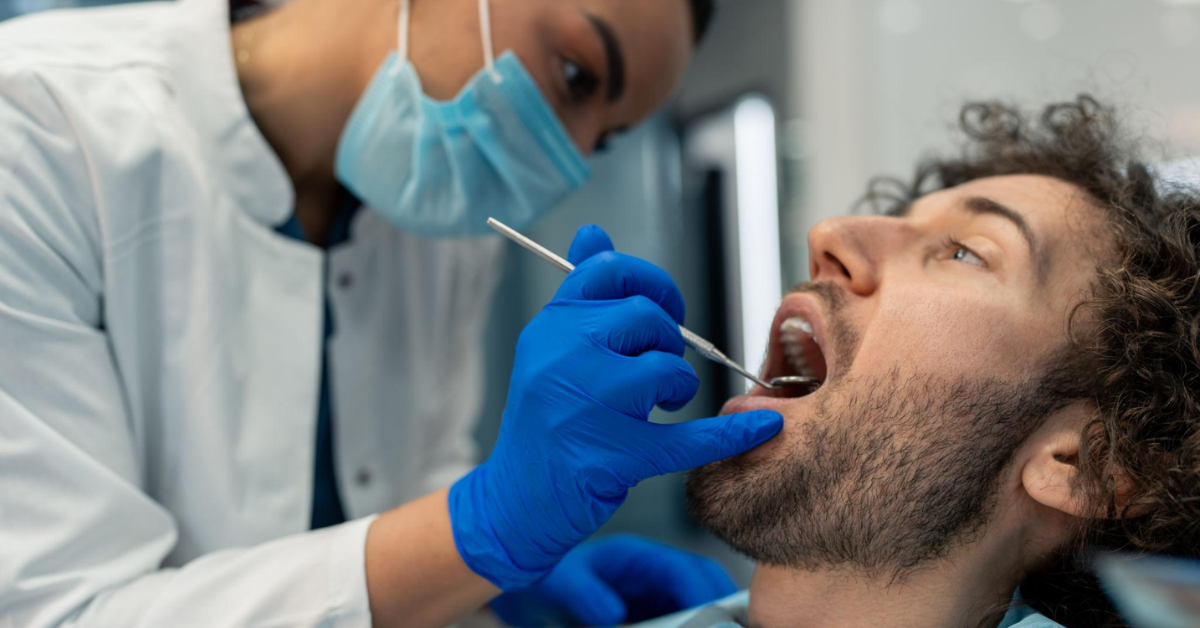
Because oral cancer can spread quickly, early detection is important . Your dentist will perform an oral cancer examination as part of your regular twice-yearly examination. Of course, should you discover one of the signs/symptoms listed here before your next examination is due, call immediately to schedule an appointment . The sooner oral cancer is diagnosed and treated, the better your chance of survival. If discovered early, the cure rate is nearly 90%. If cancer has already spread before diagnosis, the survival rate is 60% after five years of treatment.
Should your dentist find an abnormal growth, a biopsy (tissue sample) will be taken from the lesion and nearby tissues and sent to a laboratory for testing to determine if it is cancerous. If the biopsy tests positive for cancer, your dentist will recommend the next step. This may be a referral to a specialist – such as an oncologist – or to another doctor. As each case is individual, we cannot be specific concerning the course your treatment will take.
Generally, however, additional imaging tests – such as a CT scan or MRI – may be ordered. A treatment plan will then be based on the cancer’s stage and the location of the lesion or tumor – as well as other factors. Surgery will be necessary to remove the cancerous tissue. Post-surgical treatment may include radiation, chemotherapy, or a combination of both, if necessary.
Depending upon the extent of surgery, reconstructive oral surgery may be needed. Our blog post – “ Oral Surgery: What to Expect ” – covers different types of surgical procedures, including reconstruction and cosmetic.
The Take-Home Message
While the month of April is designated as Oral Cancer Awareness Month, being aware of the risk should be front of mind throughout the year. Paying attention to the condition of your lips, inside cheeks, gums, and tongue for any abnormal changes as you perform your daily oral hygiene routine could literally save your life – as long as you act immediately to schedule an appointment with your dentist . Should this be the start of a challenging journey, be assured that our 24/7 Local Dentist team is here to give you experienced, compassionate care and support at every step.
We understand that the main concern you may have is cost, which is why we accept all major PPO plans for dental insurance and also offer our in-house dental plan. Please see our financing page for more information.
At 24/7 Local Dentist , it is our mission to provide the highest quality oral care to our Chicago patients, including both dental and periodontal services . Our dental specialists include our general dentist, Dr. Nilofer Khan , our endodontist, Dr. Sabek , and our periodontist, Dr. Amir Danesh . Dr. Danesh is a board-certified periodontist and Diplomate of the American Board of Periodontology . He has contributed to the publication of two books, as well as published over 20 papers in prestigious dental research journals.