Many people depend on energy drinks to power them through their demanding day. Although popular for their ability to enhance energy levels, physical alertness and performance, energy drinks have come under scrutiny for their adverse effects on health when consumed in excess. According to the Centers for Disease Control and Prevention (CDC), the potential dangers include the following:
- Dehydration
- Heart complications (such as irregular heartbeat and heart failure)
- Anxiety (feeling nervous and jittery)
- Insomnia
While you may be aware of such risks, you might not know that energy drinks also can promote tooth decay. We at 24/7 Local Dentist believe that knowledge is power, and the more you learn about good oral health practices, the better you’ll be able to keep your teeth for a lifetime!
How Do Energy Drinks Lead to Tooth Decay?
The ingredients in a typical energy drink provide obvious clues. The CDC defines an energy drink as “A beverage that typically contains large amounts of caffeine, added sugars, other additives, and legal stimulants such as guarana, taurine, and L-carnitine. These legal stimulants can increase alertness, attention, energy, as well as increase blood pressure, heart rate, and breathing.”
Sugar has long been implicated as a culprit in tooth decay, but as our blog post — “ Common Dental Health Myths ” — covers, sugar itself doesn’t promote cavities. How long the sugar remains in your mouth is the real cause. Sugars introduced into the mouth cause bacteria to produce acids that slowly eat away at your tooth enamel, making your teeth more susceptible to cavities. Of course, if tooth decay goes untreated, it can cause pain, infection, and eventually, tooth loss.
However, the high acidity levels of energy drinks combine with the high sugar levels to deliver a one-two punch. According to Dental Choice , drinks that are high in sugar and acidity can cause irreversible damage to tooth enamel, which leaves teeth more susceptible to sensitivity and decay. Enamel is the hardest substance in the human body but is vulnerable to dissolving due to prolonged exposure to an acidic environment.
Energy drinks essentially bathe tooth enamel in a highly acidic liquid. It doesn’t help that the bacteria naturally present in your mouth consumes sugar as it comes in contact with your saliva. Once the sugar mixes with the bacteria, it produces acids that break down enamel and leave teeth susceptible to sensitivity and decay. And energy drinks contain a lot of sugar — about 55 grams depending on the brand, according to the DentalNegligenceTeam .
The human mouth has a natural pH level of 6.8 to 7, but energy drinks can cause it to plummet. According to Bobby J. Grossi, DDS, in his interview with Healthline , “In all my years in dentistry, I’ve found the leading cause of tooth decay in children to be juice, and in adults, it is energy drinks. Energy drinks, with a pH of roughly 3.2, are almost as acidic as battery acid, which has a pH of 1.”
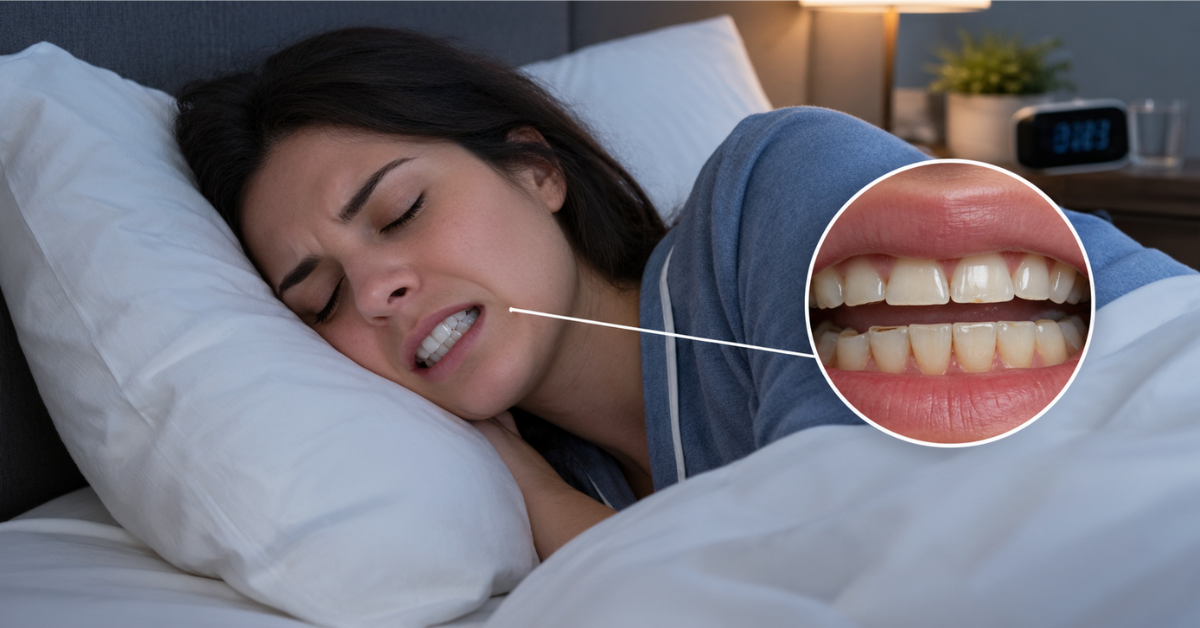
In addition, according to Nammy Patel, DDS, in her interview with Healthline , energy drinks can spur more acid reflux production, which can, in turn, cause more cavities. Still, says Dr. Patel, cavities aren’t the only risk to your teeth that over-consumption of energy drinks can lead to. “Because people are so wired after drinking an energy drink, they grind their teeth. That sometimes causes tooth breakage and tooth loss.”
Should You Give Up Energy Drinks to Maintain Good Oral Health?
If you’ve been reading between the lines, you should get the message that relying on energy drinks to achieve peak mental or physical performance on a regular basis isn’t good for your health at any level. Unfortunately, it is possible to develop a physical addiction to energy drinks. Healthline’s excellent article about energy drink addiction notes that there is no official definition for an energy drink addiction, but it can be considered as drinking excessive amounts of energy drinks without being able to control your consumption.
An addiction to energy drinks can involve addictive symptoms that are related to brain and nervous system function, such as the following:
- Strong cravings
- A mental image of drinking energy drinks
- The inability to control your energy drink intake
Another sign is experiencing withdrawal symptoms when abstaining from energy drinks, such as headaches, irritability, fatigue, and a depressed mood. The Healthline article provides steps for breaking your dependence — including how to manage withdrawal symptoms.
What Are Good Alternatives to Energy Drinks?
Giving up energy drinks doesn’t mean you have to slog through the day. Fruits and vegetables are great sources of vitamins and trace elements that are beneficial for your teeth and overall health. DentalChoice and Healthline offer the following healthy alternatives:
- Green tea: Contains natural caffeine in trace amounts; can include bottled sparkling versions
- Herbal or fruit teas: Contains no calories; good antioxidant properties
- Kombucha (fermented tea): Good antioxidant properties; probiotic benefits have been attributed to it
- Green juices and smoothies: Try using natural sources of vitamin B in your smoothies, such as parsley, kale, and spinach
- Water: You may experience low energy levels when metabolic processes slow down; the best way to combat this is by drinking plenty of water
The Take-Home Message
In today’s fast-paced world, the demands of work, school, or life, in general, can prompt us to look for an edge to help keep up. Energy drinks are readily available and fast to consume — which has made them popular, but pose risks to dental and overall health because of their chemical composition and the strong possibility of developing an addiction or dependency. If such drinks are a regular part of your day, you should consider replacing them with healthy alternatives while taking any other steps necessary to wean yourself off.
During this time of stepping down from energy drinks, be especially diligent about your oral care. Brush three times a day, and rinse your mouth well with water after finishing an energy drink if you are unable to brush. While energy drinks increase your risk for cavities, there are other conditions that can also do so. Our blog post — “ Causes of Tooth Decay & How to Stop It ” — covers this topic in greater detail.
Scheduling twice-yearly dental examinations are fundamental to good oral health. If you consume energy drinks on a daily basis, tell your dentist , as this is important information necessary for your short- and long-term treatment. Regular examinations allow the dentist to observe changes or conditions that need treatment before they become critical, and remove plaque that brushing alone can’t accomplish.
We understand that the main concern you may have is cost, which is why we accept all major PPO plans for dental insurance and also offer our in-house dental plan. Please see our financing page for more information.
At 24/7 Local Dentist , it is our mission to provide the highest quality and most compassionate oral care to our Chicago patients, including both dental and periodontal services . Our dental specialists include our general dentist, Dr. Nilofer Khan , our endodontist, Dr. Sabek , and our periodontist, Dr. Amir Danesh . Dr. Danesh is a board-certified periodontist and Diplomate of the American Board of Periodontology . He has contributed to the publication of two books, as well as published over 20 papers in prestigious dental research journals.