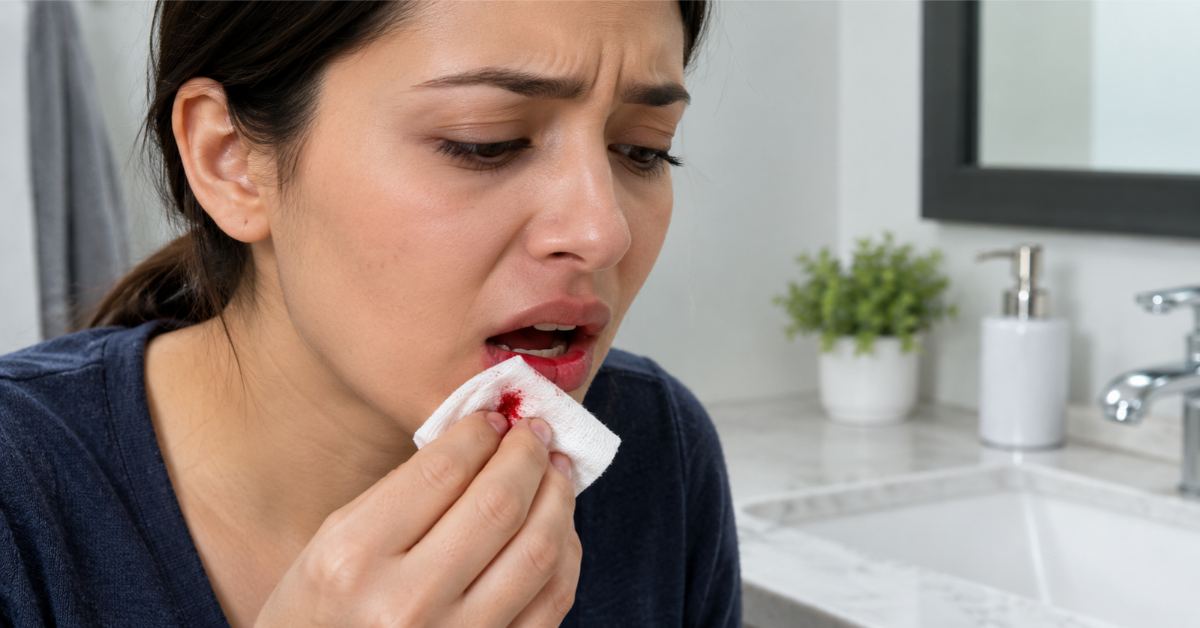
Hopefully, you’re accustomed to the twice-annual cleaning that your dentist’s hygienist performs as part of your regular checkup. But if you’re experiencing symptoms of periodontal disease, your dentist will recommend a deep cleaning procedure. While this may sound ominous, deep cleaning can — with diligent follow-up on your part — put you back on the path of good oral health!
As covered in our blog post — “ What Is Periodontal Gum Disease? ” — even if you brush your teeth every day, you could still be at risk for developing gum disease, which is an infection of the tissues that hold your teeth in place. Left untreated, it leads to tooth loss and erosion of supporting bone structures. Gum disease has also been linked to other health conditions, including heart disease, stroke, diabetes and some cancers.
How does this happen? It all starts with plaque , which forms on your teeth when starches and sugars in food interact with bacteria normally found in your mouth. Brushing your teeth twice a day and flossing once a day removes plaque, but it quickly returns. Plaque can harden under your gumline into tartar (calculus) if it stays on your teeth. Tartar is more difficult to remove, and is filled with bacteria. If it remains long enough, it leads to gingivitis, the first stage of periodontal disease — which occurs when the bacteria cause your gums to pull away from your teeth. This allows large pockets to grow between your teeth and gums, and more bacteria can grow there. You can’t get rid of tartar by brushing and flossing at home — only a deep cleaning by a dental professional can remove it.
What Is Deep Teeth Cleaning?
Deep teeth cleaning is known as gum scaling and root planing (SRP) which cleans under the pockets all the way down to the roots. It may also be recommended to patients who have missed a few regular cleanings, as well as to those with periodontal disease. The American Dental Association (ADA) advises that dentists use SRP as initial treatment for chronic periodontitis.
This deep cleaning consists of two parts . Scaling is when the dentist or dental hygienist removes all the plaque and tartar above and below the gumline, cleaning all the way down to the bottom of the pocket. The dentist/hygienist then begins root planing , smoothing out your teeth roots to help your gums reattach to your teeth. Depending on the severity of your individual case, scaling and root planing may require more than one visit to complete and may require a local anesthetic. However, the procedure generally causes very little discomfort.
How To Determine If A Deep Cleaning Is Needed
Your dentist will determine the need for an SPR procedure. However, being aware of the symptoms of periodontal disease — especially in the initial stages — can alert you to schedule an appointment for a diagnosis and appropriate treatment.
- Redness
- Swelling
- Sensitivity
- Bleeding when brushing or flossing
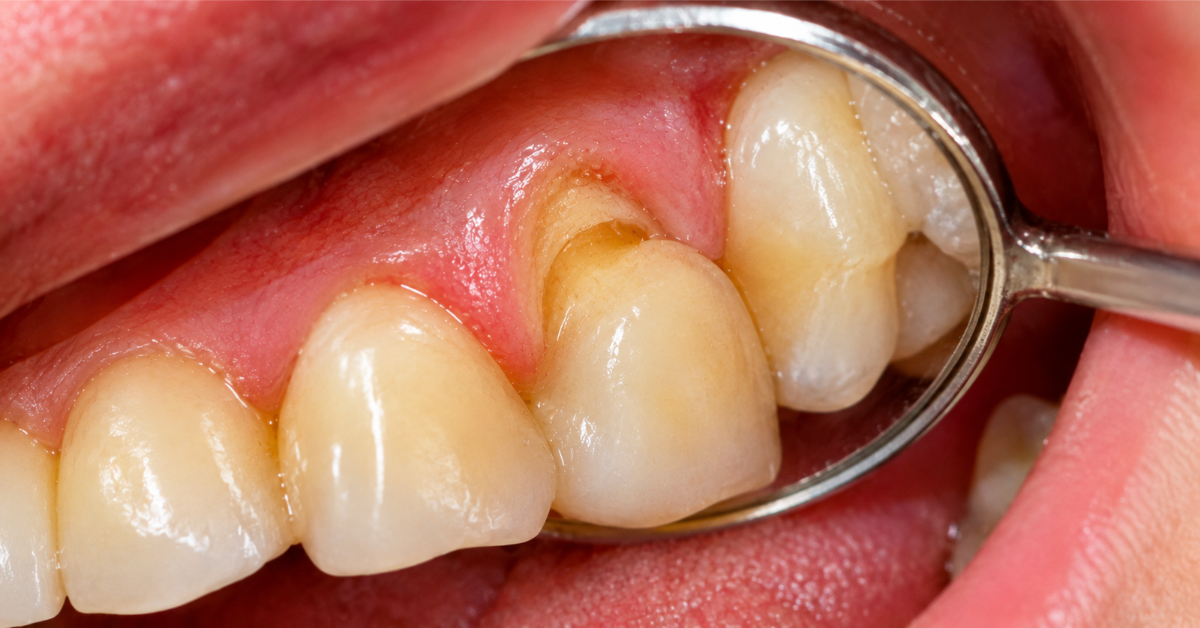
- Teeth appearing longer because of gum recession
Before scheduling you for a deep cleaning, your dentist may prescribe antibiotics as a precaution, based upon your medical history. Tell your dentist if you take prescription medications (including blood thinners), have a weakened immune system, HIV/AIDS, liver disease or other medical condition that the procedure could affect. Never discontinue any prescription medication for any length of time without consulting your doctor.
Oral Care After Deep Cleaning
After a deep cleaning, expect some soreness for a day or two, and teeth sensitivity for up to a week. Your gums also may be swollen, feel tender and bleed. Your dentist may prescribe a mouth rinse, and schedule a follow-up visit to see how your gums have healed and measure the depth of your pockets. You also may be scheduled for a standard cleaning every three months instead of six.
The rest is up to you! Establishing good oral hygiene habits at home is essential to help keep gum disease from becoming more serious or recurring. Brush your teeth twice a day with a soft brush, floss daily , eat a balanced diet , avoid using tobacco and see your dentist regularly .
Deep Teeth Cleaning In Chicago
If you do need deep teeth cleaning, we hope it serves as a wake-up call to focus on your oral health. Making the changes necessary to prevent a recurrence and avoid periodontal disease will pay off in improved general health and an overall more positive attitude toward your well-being!
We understand that the main concern you may have is cost, which is why we accept all major PPO plans for dental insurance and also offer our in-house dental plan. Please see our financing page for more information.
At 24/7 Local Dentist , it is our mission to provide the highest quality and most compassionate oral care to our Chicago patients, including both dental and periodontal services . Our dental specialists include our general dentist, Dr. Nilofer Khan , our periodontist, Dr. Amir Danesh , and our endodontist, Dr. Sabek .
We serve the neighborhoods of Logan Square , Bucktown, Humboldt Park, and Wicker Park with the dedication that’s earned us the reputation as the Best Dentist in Chicago !