A bright, white smile helps make a person appear youthful, energetic and healthy. But teeth that become darkened and yellowed over the years – or were never white because of genetics or thin enamel – can have a negative effect on your self-confidence. Especially in today’s “new normal” of video conferencing, white teeth go a long way in presenting a vital, successful image. If you’re not happy with what you’ve been seeing on the computer screen or in the mirror, there are options for teeth whitening that can give you the dazzling smile you want!
The big question for those considering teeth whitening is whether to have the procedure performed in-office by a dentist, or opt for an over-the-counter (OTC) product. Both options use peroxide-based bleaching agents . At-home systems contain from 3% to 20% peroxide (carbamide or hydrogen peroxides). In-office systems contain from 15% to 43% peroxide.
OTC whiteners are available as strips applied directly to teeth, or as a mouth guard-like tray that’s filled with a bleaching gel and placed over the teeth for several hours a day or overnight. Despite their relatively low cost and convenience, OTC whiteners pose risks to tooth enamel and – because an appointment with a dentist isn’t necessary – may prevent users from learning about serious conditions such as gum disease that need to be addressed.
Our blog post – “ How Whitening Strips Can Damage Your Teeth ” – covers the down sides of taking the DIY approach. Wearing down enamel and softening teeth are the major drawbacks, even when the strips or gel trays are used as directed. Those who think that leaving the strips on longer or using them more frequently than directed (ditto for gel trays) will produce better, quicker results are placing their teeth at even greater risk. In addition, the American Academy of Pediatric Dentistry (AAPD) claims that OTC whitening products are unsafe for children and teens under the age of 15.
We’ll return to the drawbacks of over-the-counter products, which should be easier to understand once you know what a professional whitening procedure by a dentist involves.
What You Can Expect with Professional Teeth Whitening
24/7 Local Dentist is proud to offer Zoom and Opalescence teeth whitening treatments. Each of these excellent, proven treatments is administered by different means. We will recommend the treatment best suited to your situation and aesthetic goals based upon your consultation.
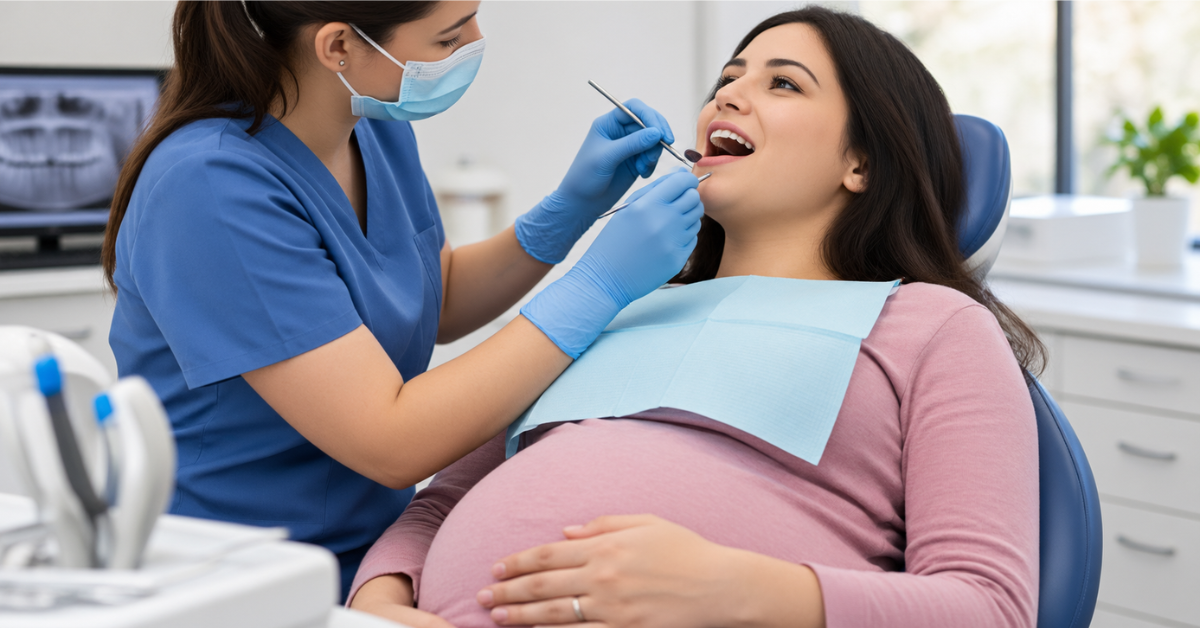
During your consultation, we’ll determine the cause of your discoloration and whether tooth whitening is the appropriate treatment. Those with worn/thin enamel, exposed roots, cavities or gum disease are not good candidates – nor are pregnant or lactating women. If the cause of your teeth discoloration can’t be addressed by whitening, other options such as composite bonding , veneers or crowns may be open. Should cavities or gum disease be involved, these conditions need to be treated before any cosmetic procedure is considered.
Should the Zoom treatment be performed, this procedure can make teeth eight shades whiter, reversing stains from food, drink, aging and even discoloration from some types of medication. This is performed in-office, and takes about 45 minutes. Results are immediate. The steps are as follow:
- Your mouth will be prepared for whitening; a layer of advanced whitening gel will be applied to your teeth.
- A blue LED lamp will be used to accelerate the whitening process.
- The first two steps are repeated three times.
- Once your desired shade is achieved, a post-treatment gel will be applied to help protect enamel and reduce sensitivity.
The Opalescence treatment involves the application of the whitening gel in-office. The gel is chemically activated, without the need for an LED lamp. This procedure involves two or three 20-minute treatments during the same visit. As with the Zoom treatment, results are immediate. The steps are as follow:
- You’ll be given a pair of protective eyewear to wear during the procedure.
- A lip and cheek retractor will be placed in your mouth to keep your lips and tongue clear of the whitening gel.
- A gel-like barrier will be placed around your gumline. This helps ensure that once placed, the whitening gel will only come into contact with your teeth.
- After each 20-minute treatment, the whitening gel will be suctioned off your teeth.
- The shade change of your teeth will be evaluated after each treatment.
- The barriers are removed after the final treatment.
Both types of treatments produce dramatic results that give you a smile to be proud of when you leave the office! Neither is better – each has advantages that may be more suitable or appealing to the individual patient.
Professional whitening treatments are also available as a take-home kit option. If this is the choice, your dentist will take impressions and fashion custom-fitted trays to ensure a perfect fit and distribution of the whitening gel. This option does not achieve the immediate results of an in-office treatment, but is ultimately just as effective and safe.
Now That You Know More, Here’s Why You Should Avoid OTC Whitening Products
As should be obvious, buying OTC whitening products leaves you on your own. Without examination by a dentist during consultation, you might not know if you have gum disease or cavities – or any other underlying condition that would make teeth whitening unadvisable. Also, many people don’t always read label directions carefully. As mentioned earlier, misusing OTC products increases the risk to tooth enamel. Your dentist will be able to ensure that a professional whitening procedure won’t erode your enamel, and take steps to prevent damage.
In addition, OTC whitening products are a one-size-fits-all solution. A professional treatment provided by your dentist ensures that you’re receiving the right amount of whitening agent, and that it is properly applied. Whitening strips in particular can “miss” areas of your teeth, producing an uneven effect.
As our colleagues at Country Club Dentistry , Rancho Mirage, CA, note, “With tooth whitening, the old saying really does ring true – you get what you pay for. That means, if you skimp on whitening strips from your local pharmacy, the whitening won’t be as bright or as lasting. Yes, your teeth will get whiter. But the level of whiteness will not have the same striking effect as they will if you get them done by a professional. For example, at-home OTC teeth whitening usually brightens your teeth 1-4 shades while your dentist can brighten your teeth 6-8 shades.”
A Bright Smile Can be Within Reach in Chicago
A bright smile can let you go out in the world with extra confidence! If you are considering teeth whitening , get the shining, healthy smile you deserve and call 24/7 Local Dentist . Our team will help address your oral health concerns and needs, and determine the best solution for you based upon your individual situation. We strive to identify treatment options that fit your needs.
We understand that the main concern you may have is cost, which is why we accept all major PPO plans for dental insurance and also offer our in-house dental plan. Please see our financing page for more information.
At 24/7 Local Dentist , it is our mission to provide the highest quality and most compassionate oral care to our Chicago patients, including both dental and periodontal services . Our dental specialists include our general dentist, Dr. Nilofer Khan , our periodontist, Dr. Amir Danesh , and our endodontist, Dr. Sabek .