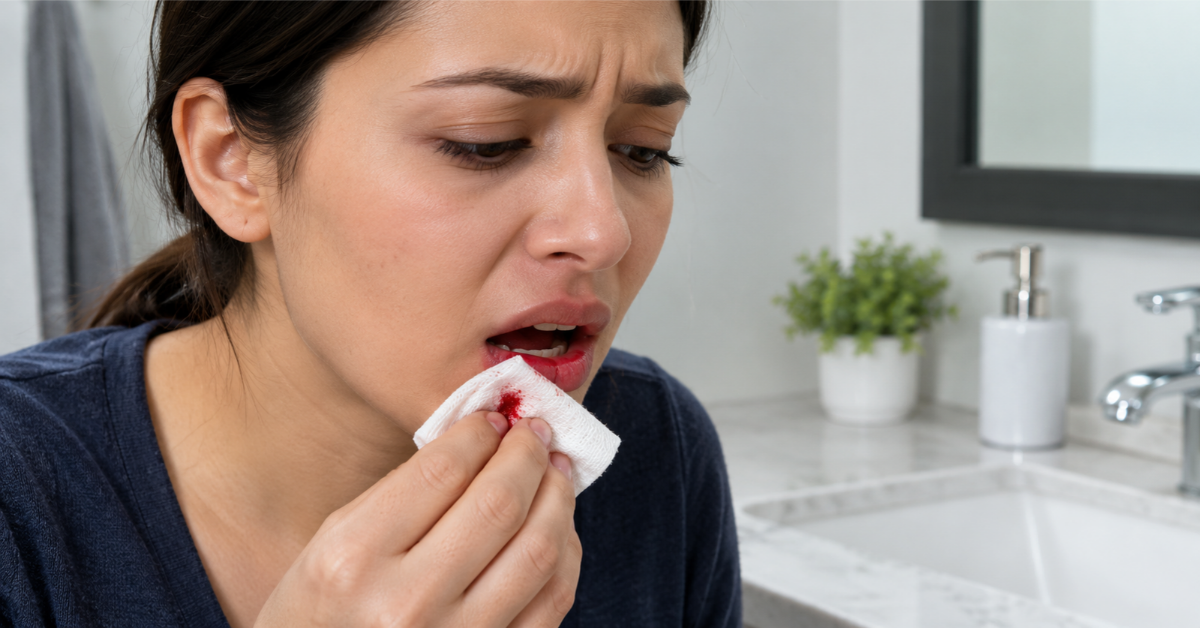
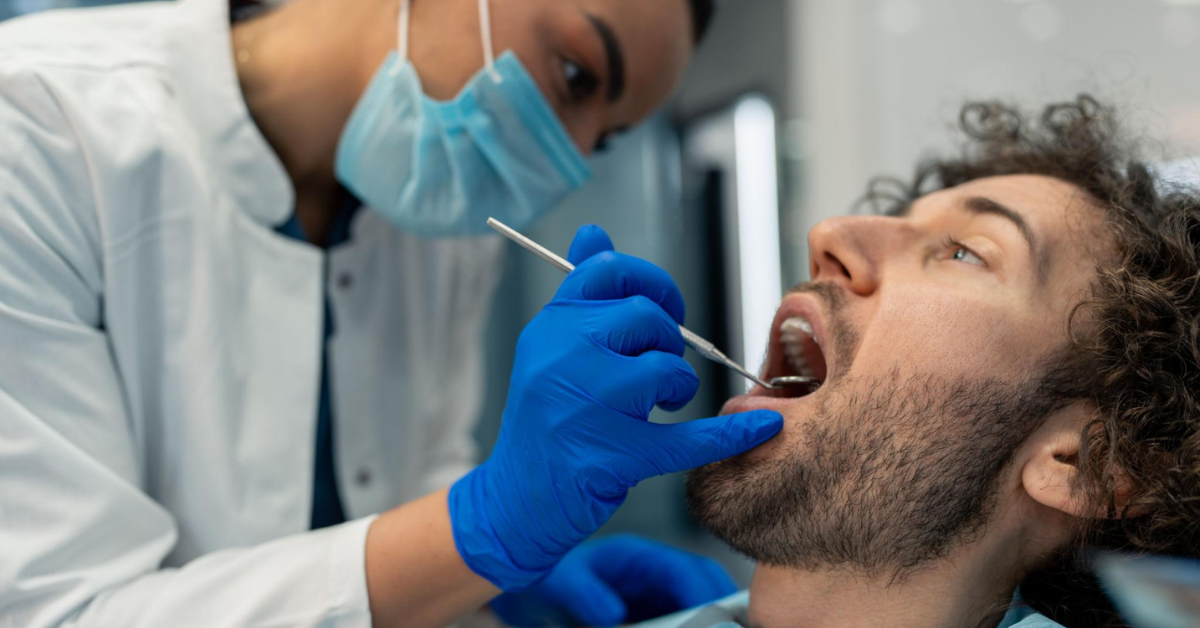
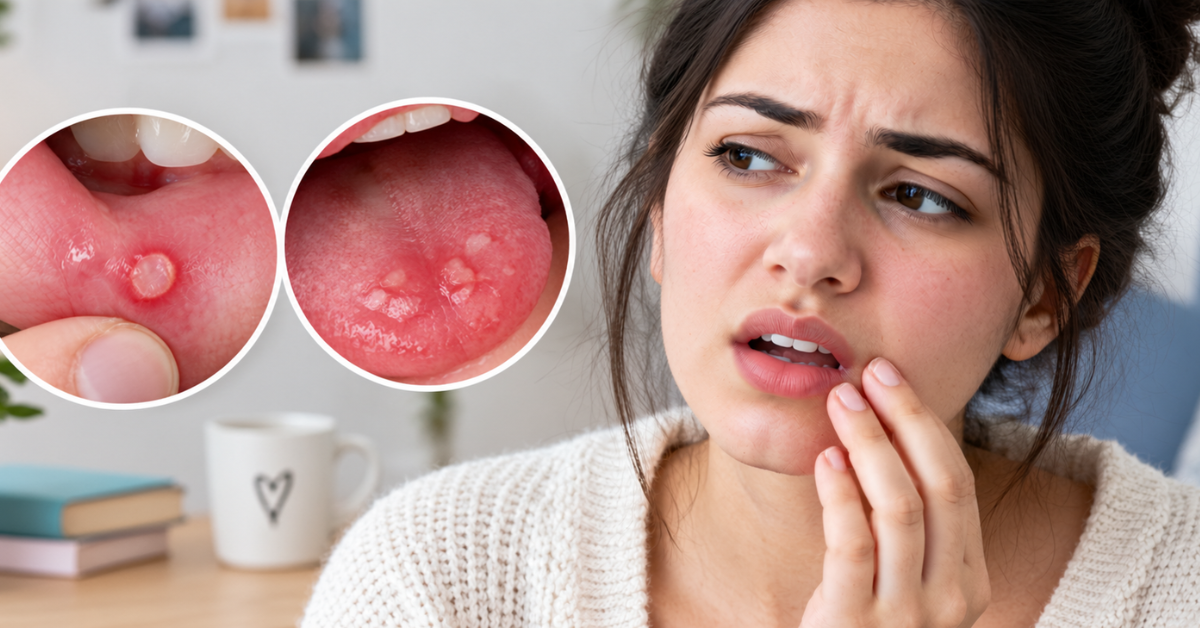
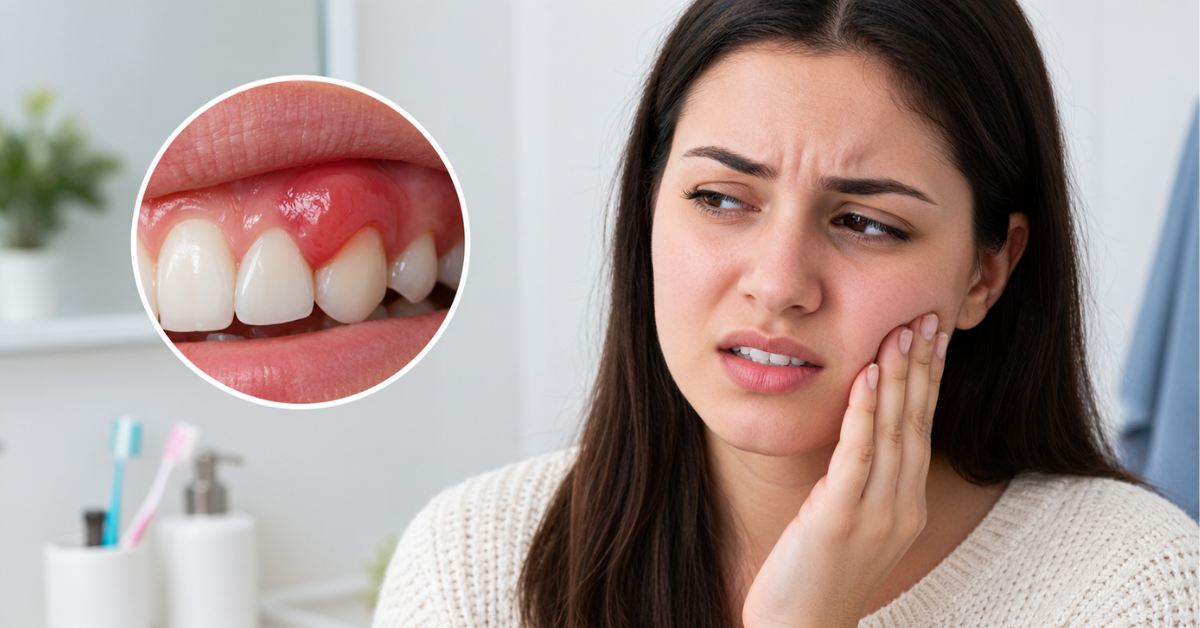
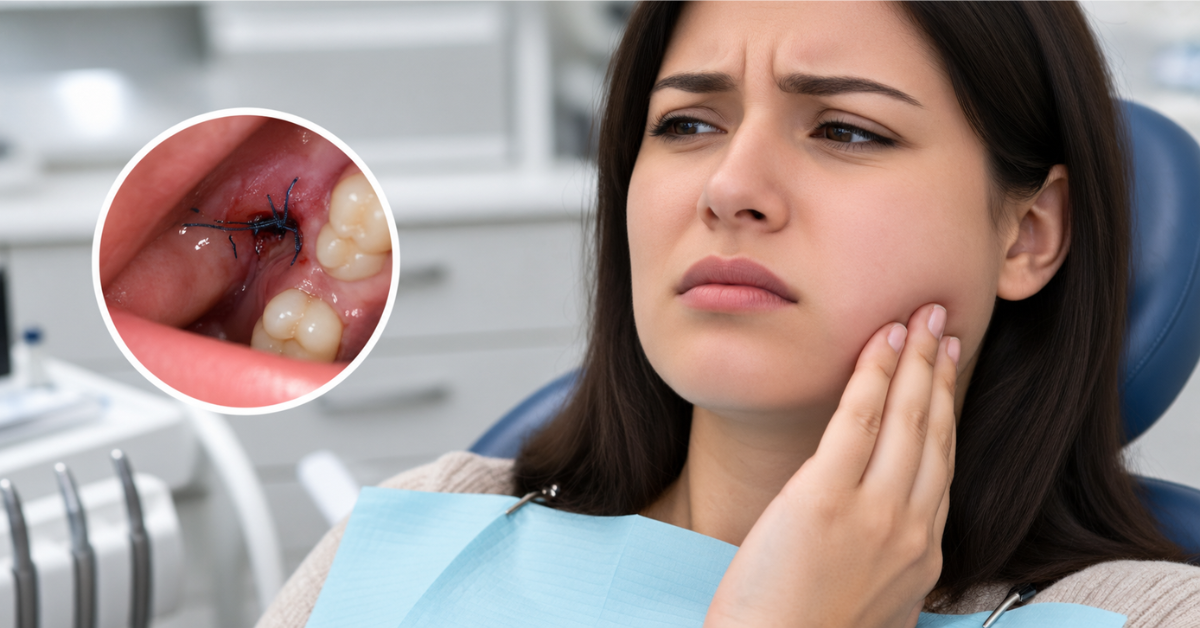
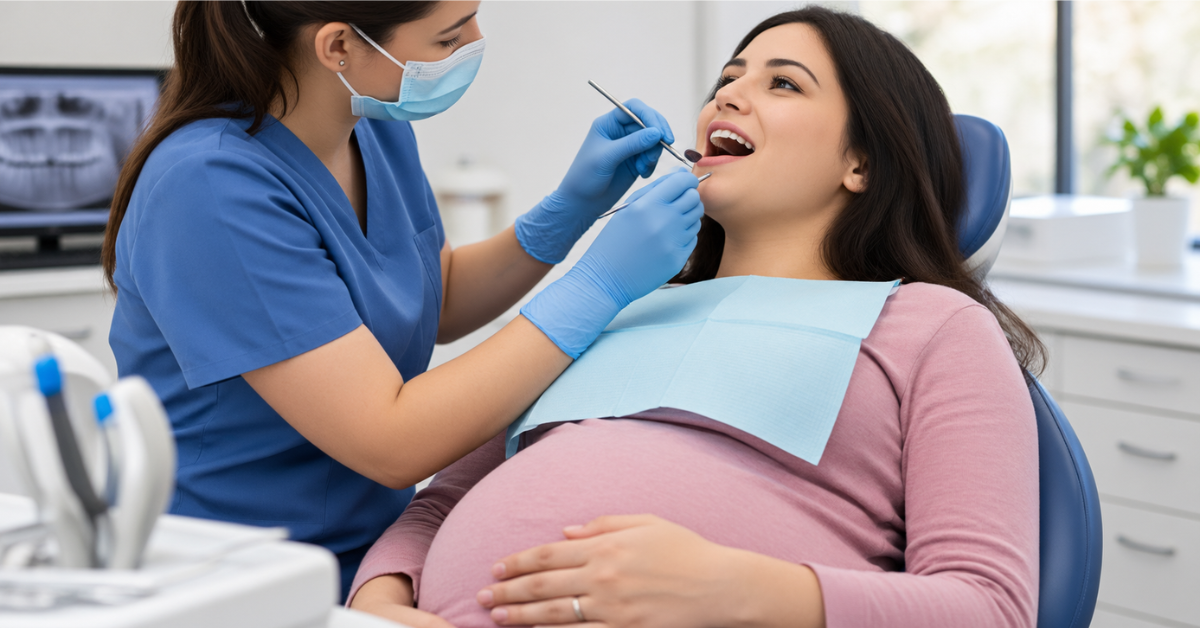
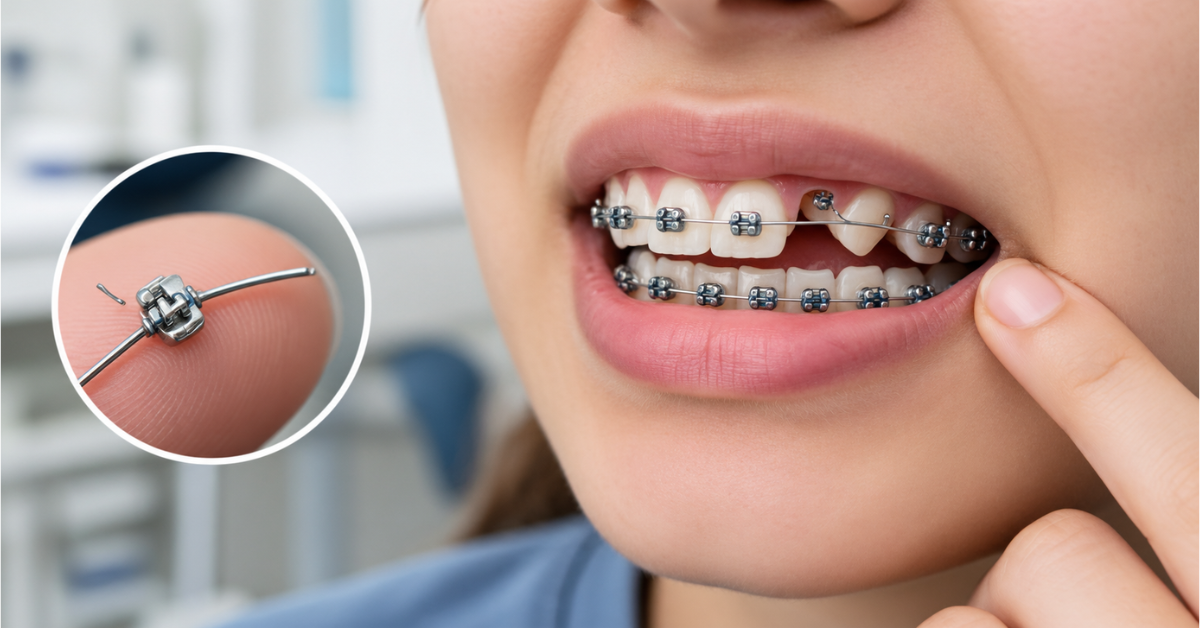
Is teeth cleaning painful? The honest answer is: no, it shouldn’t. Your teeth cleaning in montclair CA should not cause you significant pain. However, certain factors may complicate the process. For example, cavities, inflammation in your gums, and other dental problems can lead to increased sensitivity. As a result, you may feel pain when prodded during a cleaning.
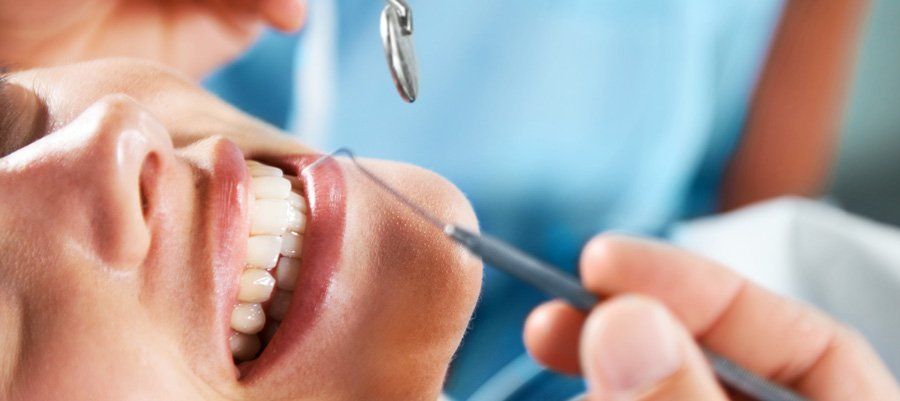
In these cases, it’s crucial to be open with your hygienist. Even the most challenging cleanings can be painless, and a surefire way to ensure your comfort is to communicate clearly with your dentist.
24/7 Local Dentist Group can use medicated gels, prescription rinses, and sedation dentistry, when necessary, to give you the highest level of comfort during dental cleanings. Moreover, we may use ultrasonic scalers, where appropriate, to reduce the discomfort that some people associate with teeth cleaning procedures. Discuss whether these options are available to you before your dental appointment to ensure your dentist puts together the best plan of action for you.
How to Make Teeth Cleanings Less Painful
Try these tips to make your next teeth cleaning hurt less or completely painless.
1. See your dentist regularly
If you wait too long in between dental visits, your immune system will respond to the buildup on your teeth, making your gums extra sensitive during cleanings. It’s almost like ripping a bandaid off a wound. The skin underneath is sensitive since it’s well-accustomed to being covered. But you know you can’t leave a bandaid on for too long.
Cleanings can be uncomfortable when you postpone them since debris has had a long time to build up above and below your gum line. Therefore, there’s more work for your hygienist, plus the buildup may be more challenging to reach. The solution? Schedule your teeth cleaning every six months.
2. Take Advil before and after your session
Taking pain medication can help relieve pain both during and after your cleaning. Taking 600 to 800mg of ibuprofen about an hour before your appointment and then again six hours after your dental cleaning is safe as long as you do not have allergies or an underlying condition that may react negatively to over-the-counter painkillers.
3. Ask your dentist about numbing agents
Ask your dental hygienist if they can numb you for the cleaning. Many California dentists apply topical anesthesia onto the area they’re cleaning.
4. Brush your teeth with a desensitizing toothpaste
Consider switching to a desensitizing toothpaste, such as Sensodyne Pronamel, to make your teeth less sensitive. A 2018 study published in the National Library of Medicine concluded that desensitizing toothpastes containing fluoride and potassium helped alleviate the symptoms of dentin sensitivity.
5. Take proactive steps against receding gums
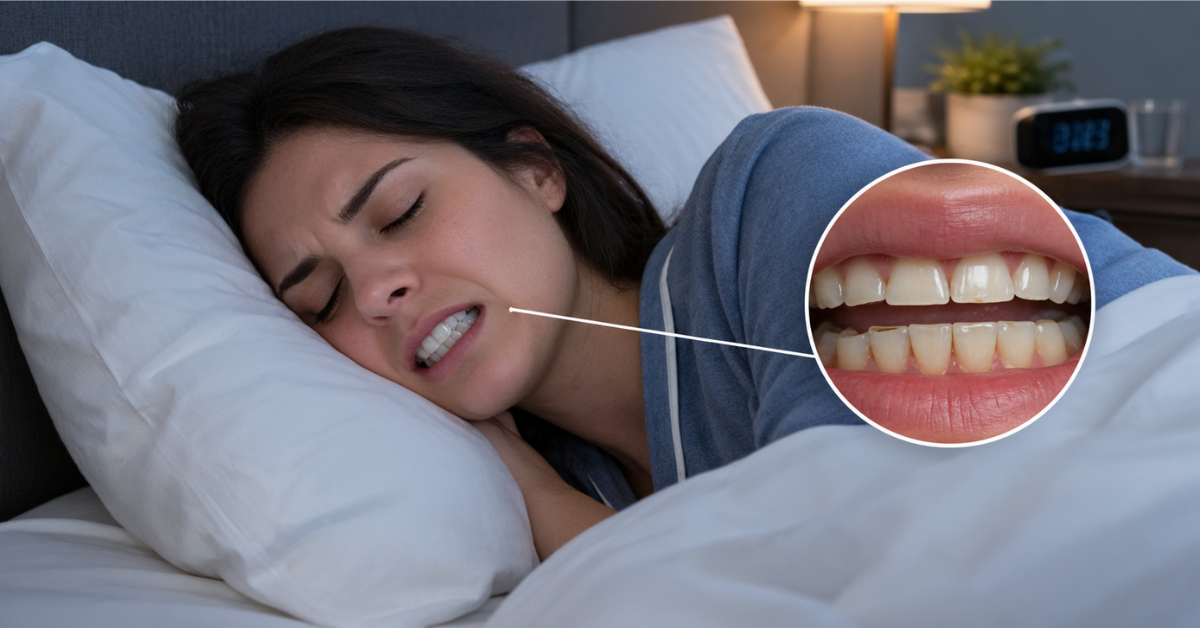
Gum recession is when your gums move down or separate from your teeth, exposing the more sensitive part of teeth. In consequence, your teeth become more sensitive to not only cleanings, but also to your favorite foods and beverages.
When gum inflammation heals, your gums also recede. The more cycles of inflammation and healing you go through, the more gum recession you will have. Go back to tip number one (see your dentist regularly) to ensure your teeth are always in tip-top condition.
6. Perfect your oral hygiene routine
Brush and floss daily. Scrape your tongue. Correct oral hygiene mistakes. Seems simple enough, right? Evidently not, as 1 in 4 adults in the United States have untreated tooth decay, and almost half of all Americans aged 30 years or older have signs of gum disease.
The better your oral hygiene routine is, the better shape your teeth will be in and the easier teeth cleanings become. Flossing, for example, completes 40 percent of the job of eliminating plaque on your teeth. So don’t skip this important step!
7. Don’t brush immediately after each meal
Brushing too soon and too hard can damage and make your teeth more sensitive. Brushing with the wrong motion also makes your teeth porous, and therefore, more sensitive.
Healthy Mouth by the American Dental Association recommends waiting for at least 60 minutes to brush your teeth after eating and at least 30 minutes after drinking something acidic. Also, be gentle when brushing (and flossing). The less sensitive your teeth are, the less painful cleanings will be.
8. Use an electric toothbrush
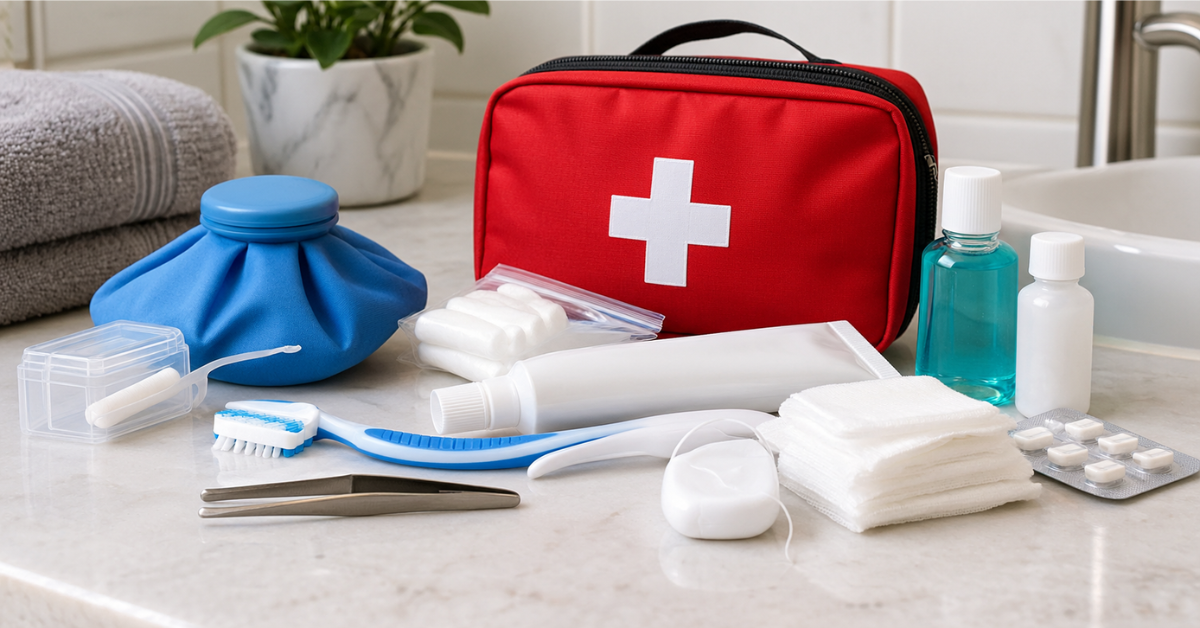
Used correctly, an electric toothbrush can help you brush more gently and efficiently since the toothbrush is the one doing the work for you. If you tend to be too rough on your teeth, switching to an electric toothbrush can reduce the amount of damaging pressure you normally apply to your teeth. These devices also do a better job at cleaning below the gum line, which means your dental hygienist in Montclair, CA will do less scraping.
9. Ask if you can listen to music
Music is a powerful and effective distraction for many patients. Listening to your favorite songs or relaxing music can tune out the noise associated with teeth cleaning. Your dentist will give you a light tap on the shoulder if they need your attention.
10. Find the best dental hygienist near you
Entrust your oral health to someone who understands that not all teeth are the same; someone who is willing to provide the individual services you need. You don’t want a hygienist who has no interest in your special needs and requests, causing you unnecessary discomfort.
Let Us Know if It Hurts and We Will Listen
Extreme pain and bleeding gums are never normal. Although gingivitis or gum disease is often the culprit, excessive discomfort during teeth cleanings can also be a symptom of an underlying medical condition.
If your teeth or gums are in pain during a dental cleaning, let our hygienist know right away. They will go the extra mile to ensure your comfort. And, for situations involving deep cleanings, you may request light sedation such as laughing gas, local anesthetic, or a topical numbing gel to numb the area and help you relax. Call us at (855) 328-6646 or fill up our online contact form to schedule your appointment.