Commonly Asked Questions About Dental Appointments
Here are the answers to some of the most asked questions about dental visits.
1. Will it hurt?
Fear of pain is one of the top reasons people avoid dentists. You might’ve heard horror stories from friends and family who exaggerate dental pain, or perhaps you’ve met one of the few people who had a bad experience in the dentist’s chair. It also doesn’t help that many television shows, movies, and cartoons portray dentists as intimidating, pain-inducing individuals.
The truth is, that the majority of patients do not experience pain during dental visits. However, there is some occasional discomfort. For example, if you have gum disease or a fractured tooth, their symptoms and the associated treatments may cause some level of pain. Still, your dentist can ease this discomfort with local anesthetics, sedation dentistry, and other pain management methods.
2. How do I get over my fear of the dentist?
It’s important to understand that your 24/7 Local Dentist Group dentist will not do anything to deliberately harm you or cause you pain. Instead, they will do everything to make your appointment as comfortable as possible.
To help alleviate your fears and anxiety, choose a dentist who has good reviews and is top-rated in your city. You can also find a dental office like 24/7 Local Dentist Group that offers nitrous oxide, IV sedation, or general anesthesia. We perform sleep dentistry regularly for any patient that needs it to help you feel relaxed during your visit.
3. Will I bleed during my appointment?
During dental procedures, a bit of bleeding is normal, particularly if you haven’t been taking excellent care of your teeth and gums. However, if you brush and floss daily and make regular trips to your dentist, you can diminish any bleeding and pain, as well as shorten the amount of time you need to spend sitting in a dentist’s chair.
4. What are some signs I should see a dentist?
Though the general rule of thumb is to see a dentist every six months (more if you smoke, have braces, or have a condition that necessitates more frequent visits), experiencing one or more of the following means you should schedule a dental appointment as soon as possible:
- Toothaches
- Inflamed, bleeding gums
- Persistent bad breath or a foul taste in the mouth
- Sensitivity to hot or cold
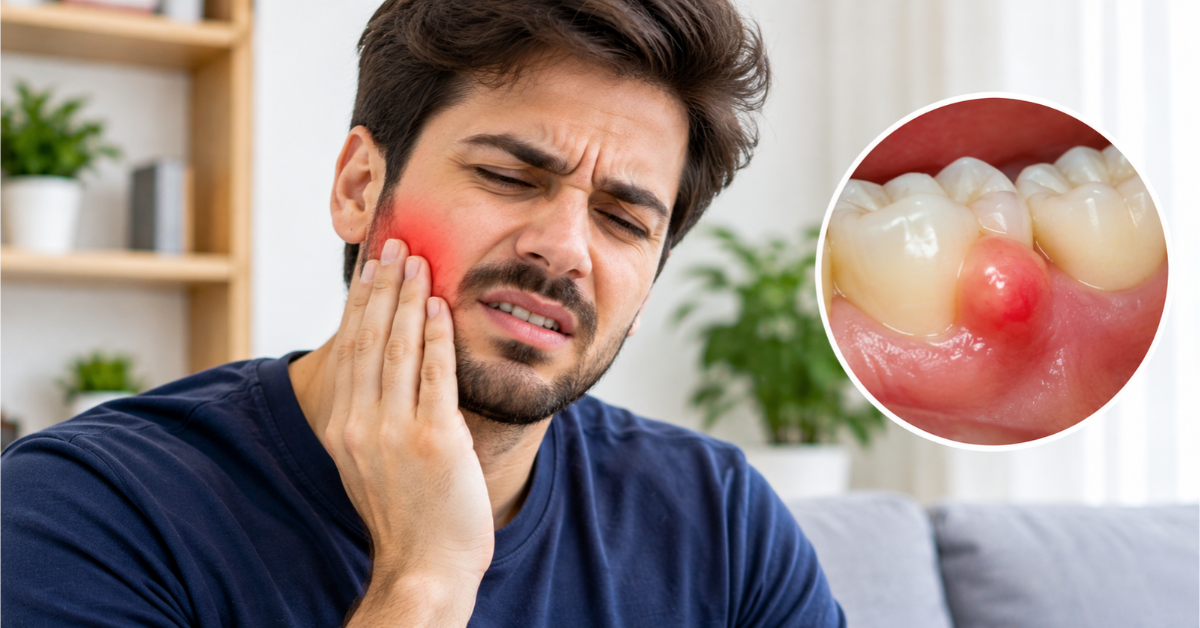
- Any pain or swelling in your mouth, face, or neck
- Uneven bite
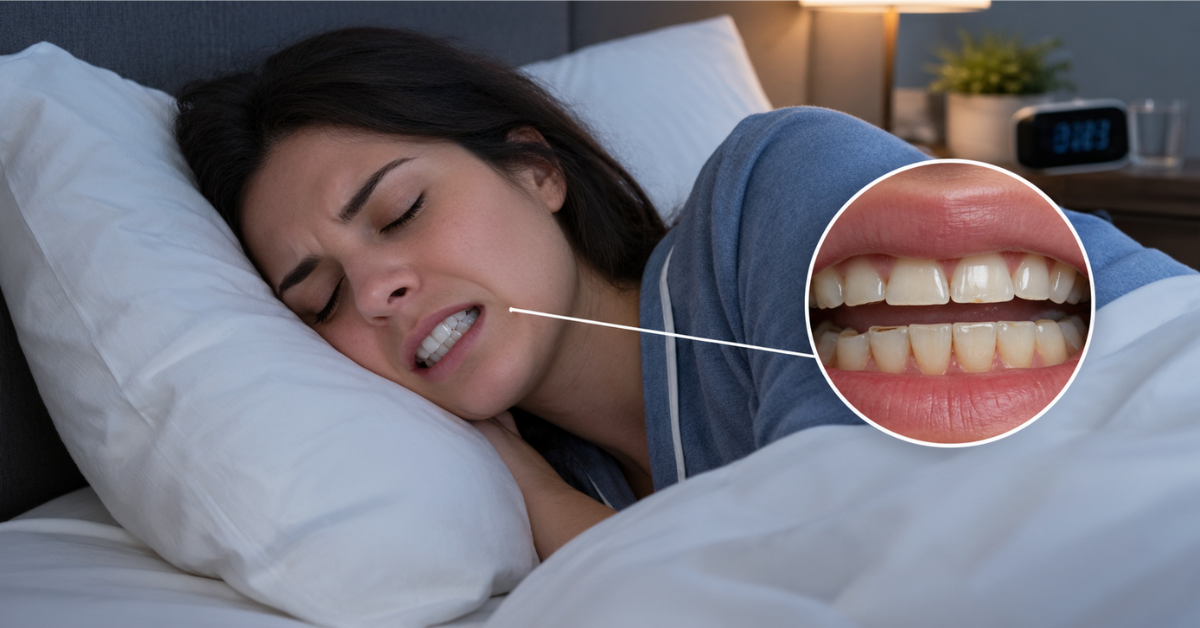
- Persistent jaw pain
- Trouble chewing and swallowing
- The emergence of an unusual bump or sore in your mouth that won’t heal
- If the back and/or front of your teeth feel rough and gritty, signaling a harmful buildup of tartar on your teeth
- You don’t remember the last time you went to the dentist
In general, if it’s been too long and you notice anything out of the ordinary, it’s time to face your fears and see a dentist in Montclair, CA. Your oral health depends on it.
5. I don’t have any symptoms. Should I still go to the dentist?
100% yes! Always visit your dentist when you’re due for a checkup. Many dental problems, such as cavities, are painless and symptomless at first. If you keep postponing your appointment, the next thing you know, you might need root canal therapy and other complex treatments for what was initially an easy-to-treat dental issue.
6. Can dentists detect oral cancer?
Most dentists typically perform a visual inspection of the soft tissues in the mouth and the skin on the head and neck, helping detect anything unusual that may signal cancer. Dental X-rays can also help detect head and neck tumors long before cancer signs and symptoms appear.
7. Are dental X-rays always necessary?
Not all the time. Each patient is different, but the average person with healthy teeth and gums only needs dental X-rays once every two to three years.
If you have a personal or family history of oral health issues, a dental specialist may recommend taking more frequent X-rays. Moreover, if your dentist comes across anything suspicious during your regular exam, they may suggest the need for X-rays to get a closer look at the problem and provide an accurate diagnosis.
8. Is there a difference between DDS and DMD?
To be a Doctor of Dental Surgery or Doctor of Dental Medicine, professionals undergo the same training. The main difference is that one professional graduated from a dental school while the other graduated from a medical school. They will take the same written and clinical licensing exams to practice dentistry.
9. What should I expect during my dental checkup?
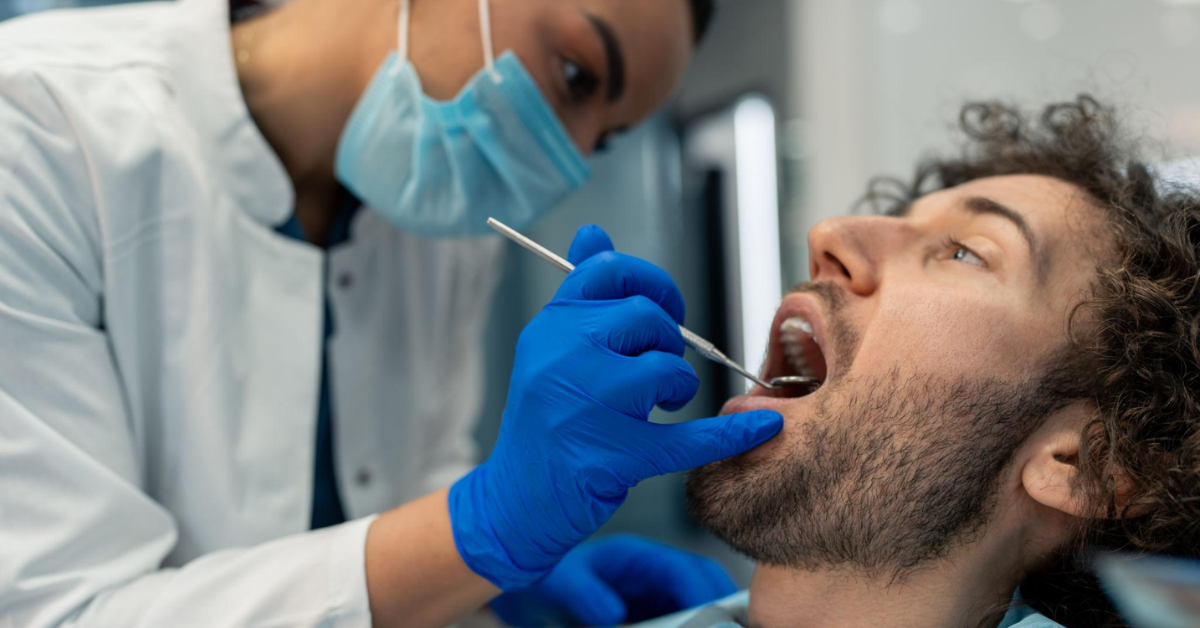
A dental checkup entails your dentist or hygienist asking you a number of questions about your medical history. As mentioned earlier, they may also screen you for oral cancer and check your gums for signs of gingivitis or periodontal disease. Last but not least, they will determine if you require dental X-rays.
Professional teeth cleaning to remove plaque and tartar from your teeth may follow. Suppose you require additional dental treatments, depending on the complexity and urgency of the procedures. In that case, your California dentist can either perform them on the spot or schedule you for another appointment at your convenience.
10. How do I book a dentist appointment?
Are you feeling less anxious about visiting our dental office in Montclair, CA? Are you more convinced about the necessity of going to the dentist? If yes, it’s time for us to help you book an appointment with one of the best dentists near you.
The online appointment form on our website makes it super easy and convenient for you to schedule an exam with one of our top dentists. You can also contact us at (833) 220-2448 to speak with someone from our team. Call now to let 24/7 Local Dentist Group provide your dentistry needs and level up your oral wellness.