The oral health of a person is more important than you might think. Your oral health can affect your overall health and the problems in your mouth can have adverse effects on the rest of your body. Therefore, it becomes very important to learn more about oral health and how it connects to your overall health condition.
What’s the Right Treatment for a Toothache?
Just like your other parts of the body, your mouth to swarms with bacteria. However, your mouth is the entry point for your digestive and respiratory tracts, and some of the bacteria present there have the potential to cause various diseases.
Thanks to the body’s natural defense mechanism and good oral hygiene, the bacteria in the mouth are kept under control. However, if oral hygiene is not maintained properly, bacteria can grow in number, causing oral infections such as tooth decay and gum disease.
Moreover, certain medications like decongestants, antihistamines, painkillers, diuretics, and antidepressants can reduce the amount of saliva flow, which is necessary to wash down food and neutralize the acids produced by bacteria in the mouth. If you use any of these medications, then maintaining proper oral hygiene becomes much more important.
Conditions Linked to Oral Health
Not properly maintaining your oral hygiene can lead to various diseases and health conditions. Some of them are explained below.
Endocarditis: This is an infection that occurs on the inner lining of your heart chambers or valves. It is usually caused when bacteria or germs from another part of the body, such as the mouth, enter the bloodstream and get attached to certain areas of the heart.
Cardiovascular Disease: Some studies suggest that heart disease, clogged arteries, and strokes are linked to the inflammation and infections that are caused by oral bacteria.
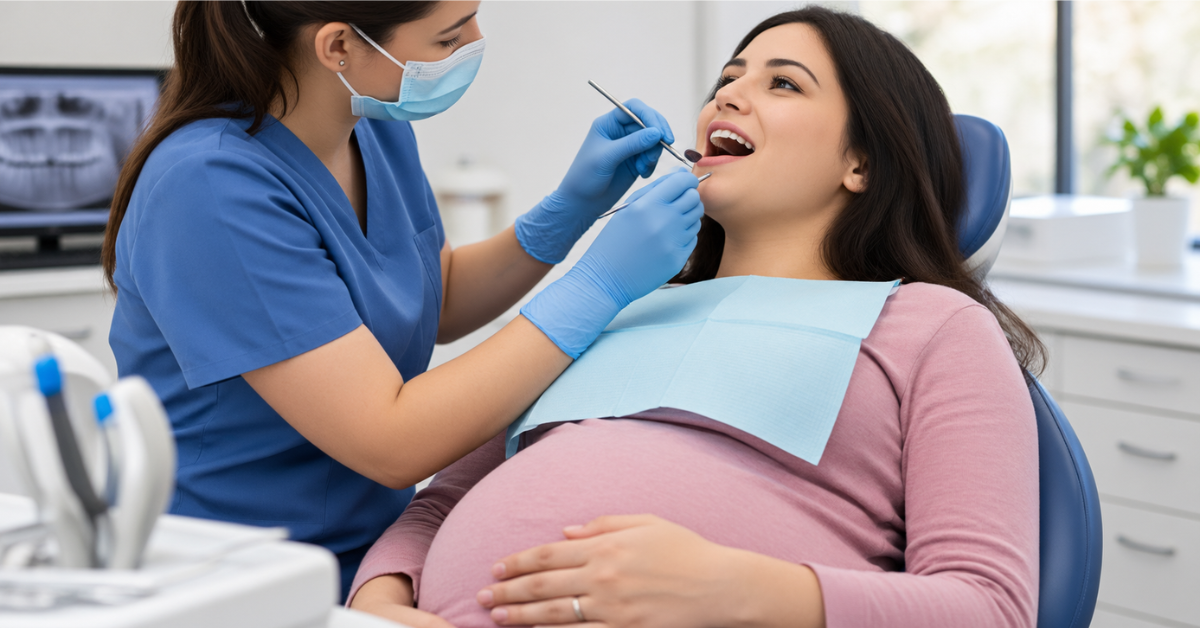
Pregnancy and Birth Complications: Periodontitis, which is an inflammation of the tissue around the teeth area, has been known to cause premature birth and low birth weight.
Pneumonia: Some bacteria in your mouth can enter the lungs, causing serious problems like pneumonia and other kinds of respiratory diseases.
Conversely, certain health conditions can also affect your oral health. Some of them are given below.
Diabetes: Diabetes can put your gums at risk by reducing the body’s resistance to infections. It has been observed that gum diseases are more common and severe among people with diabetes.
HIV/AIDS: Many oral problems like painful mucosal lesions are more common in people who are suffering from HIV/AIDS.
Osteoporosis: It is a bone-weakening disease and is linked to periodontal bone and tooth loss. Moreover, certain types of drugs that are used to cure osteoporosis have a risk of damaging the bones of the jaw.
Alzheimer’s: Oral health keeps getting worse as Alzheimer's disease progresses.
Apart from these diseases and health conditions, there are other conditions that might be linked to oral health. These include eating disorders, rheumatoid arthritis, certain types of cancers, and an immune system disorder that dries your mouth.
So, during your next visit to 24/7 Local Dentist Group, make sure to tell your dentist about the medications you are currently taking and about the changes that have occurred in your overall health, especially if you have been ill recently or if you have any other chronic condition, like diabetes.
Protecting the Oral Health
If you are seriously concerned about your oral health, make sure to practice good oral hygiene daily. Good oral hygiene may include the following
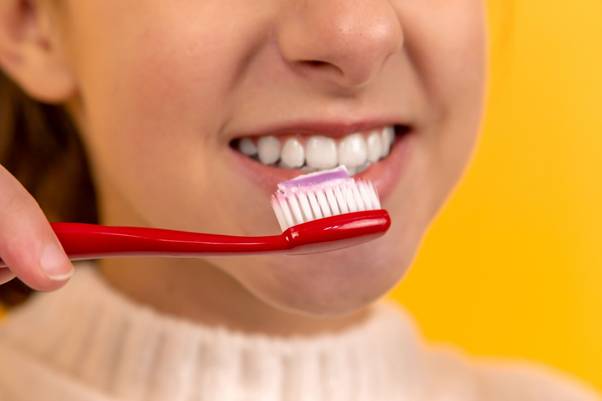
- Brush your teeth twice a day with a soft-bristled brush using a fluoride toothpaste
- Be sure to floss daily
- Use mouthwash to remove any food particles stuck in your teeth after brushing and flossing
- Maintain a healthy diet and try as much as you can to limit eating food with added sugars
- Always replace your toothbrush once every three months, you can do it sooner too if the bristles of your brush get splayed or worn
- Schedule regular dental cleanings
- Strictly avoid smoking
Also, never waste time in contacting your dentist as soon as an oral health problem occurs. Keep in mind that taking care of your oral health is a huge part of taking care of your overall health. For any serious oral health problems, visit What’s the Right Treatment for a Toothache?
Just like your other parts of the body, your mouth to swarms with bacteria. However, your mouth is the entry point for your digestive and respiratory tracts, and some of the bacteria present there have the potential to cause various diseases.
Thanks to the body’s natural defense mechanism and good oral hygiene, the bacteria in the mouth are kept under control. However, if oral hygiene is not maintained properly, bacteria can grow in number, causing oral infections such as tooth decay and gum disease.
Moreover, certain medications like decongestants, antihistamines, painkillers, diuretics, and antidepressants can reduce the amount of saliva flow, which is necessary to wash down food and neutralize the acids produced by bacteria in the mouth. If you use any of these medications, then maintaining proper oral hygiene becomes much more important.
Conditions Linked to Oral Health
Not properly maintaining your oral hygiene can lead to various diseases and health conditions. Some of them are explained below.
Endocarditis: This is an infection that occurs on the inner lining of your heart chambers or valves. It is usually caused when bacteria or germs from another part of the body, such as the mouth, enter the bloodstream and get attached to certain areas of the heart.
Cardiovascular Disease: Some studies suggest that heart disease, clogged arteries, and strokes are linked to the inflammation and infections that are caused by oral bacteria.
Pregnancy and Birth Complications: Periodontitis, which is an inflammation of the tissue around the teeth area, has been known to cause premature birth and low birth weight.
Pneumonia: Some bacteria in your mouth can enter the lungs, causing serious problems like pneumonia and other kinds of respiratory diseases.
Conversely, certain health conditions can also affect your oral health. Some of them are given below.
Diabetes: Diabetes can put your gums at risk by reducing the body’s resistance to infections. It has been observed that gum diseases are more common and severe among people with diabetes.
HIV/AIDS: Many oral problems like painful mucosal lesions are more common in people who are suffering from HIV/AIDS.
Osteoporosis: It is a bone-weakening disease and is linked to periodontal bone and tooth loss. Moreover, certain types of drugs that are used to cure osteoporosis have a risk of damaging the bones of the jaw.
Alzheimer’s: Oral health keeps getting worse as Alzheimer's disease progresses.
Apart from these diseases and health conditions, there are other conditions that might be linked to oral health. These include eating disorders, rheumatoid arthritis, certain types of cancers, and an immune system disorder that dries your mouth.
So, during your next visit to 24/7 Local Dentist, make sure to tell your dentist about the medications you are currently taking and about the changes that have occurred in your overall health, especially if you have been ill recently or if you have any other chronic condition, like diabetes.
Protecting the Oral Health
If you are seriously concerned about your oral health, make sure to practice good oral hygiene daily. Good oral hygiene may include the following
- Brush your teeth twice a day with a soft-bristled brush using a fluoride toothpaste
- Be sure to floss daily
- Use mouthwash to remove any food particles stuck in your teeth after brushing and flossing
- Maintain a healthy diet and try as much as you can to limit eating food with added sugars
- Always replace your toothbrush once every three months, you can do it sooner too if the bristles of your brush get splayed or worn
- Schedule regular dental cleanings
- Strictly avoid smoking
Also, never waste time in contacting your dentist as soon as an oral health problem occurs. Keep in mind that taking care of your oral health is a huge part of taking care of your overall health. For any serious oral health problems, visit 24/7 Local Dentist Group and we will do our best to bring relief to your pain.
Group and we will do our best to bring relief to your pain.